

Losing weight is a journey that requires patience, consistency, and the right strategy. Many people start their fitness journey with excitement but become frustrated when they do not see immediate changes. The truth is that successful weight loss is not only about the number on the scale. It is also about building healthy habits, improving your lifestyle, and tracking your improvements over time.
Understanding your Weight Loss Progress can help you stay motivated, identify what is working, and make better decisions throughout your journey. If you are struggling to stay motivated, you can also learn more about how to stay motivated to lose weight.
Tracking your results allows you to see changes that may not always be obvious. Even small improvements, such as increased energy, better workouts, healthier eating habits, and improved consistency, are signs that you are moving in the right direction.
In this guide, you will learn how to track Weight Loss Progress, measure meaningful changes, stay consistent, and work toward long-term results.
Why Tracking Weight Loss Progress Is Important
Tracking your Weight Loss Progress is an important part of a successful fitness journey. Without tracking, it can be difficult to understand whether your current habits are helping you reach your goals.
Monitoring your progress can help you:
- Stay motivated
- Understand changes in your body
- Identify successful habits
- Adjust your fitness routine
- Celebrate achievements
- Stay focused on long-term goals
Progress tracking can also reduce frustration because weight loss is not always reflected by the scale.
For example, you may notice:
- Your clothes fit better
- You have more energy
- You can exercise for longer
- Your strength has improved
- Your eating habits have become healthier
These changes can be meaningful signs of Weight Loss Progress.
The National Institute of Diabetes and Digestive and Kidney Diseases also recommends monitoring your habits and progress when working toward healthier lifestyle changes.
1. Track Your Body Weight
One of the most common ways to measure Weight Loss Progress is by checking your body weight.
However, your weight can naturally fluctuate because of factors such as:
- Water retention
- Food and drink intake
- Hormonal changes
- Sodium intake
- Muscle development
For more useful results:
- Weigh yourself under similar conditions
- Use the same scale
- Record your measurements consistently
- Look at longer-term trends instead of focusing on one day’s number
A single weigh-in does not tell the whole story. Looking at your weight over several weeks can give you a better understanding of your overall progress.
2. Take Body Measurements
Body measurements are another useful way to monitor Weight Loss Progress.
Sometimes your body can change even when the number on the scale changes very little. Measuring different areas of your body can help you recognize physical changes that the scale may not show.
Consider measuring:
- Waist
- Hips
- Chest
- Arms
- Legs
Take your measurements every few weeks and record them in the same place.
If your waist or other measurements decrease over time, that can provide another useful indicator of your progress.
3. Take Weight Loss Progress Photos
Progress photos can make physical changes easier to recognize.
Take photos:
- At the beginning of your journey
- Every few weeks or once a month
- From the same angles
- In similar lighting
- Wearing similar clothing
Daily changes can be difficult to notice because they happen gradually. Comparing photos over a longer period can make those changes much easier to see.
Image SEO
For your main article image, use:
Alt text: Weight Loss Progress
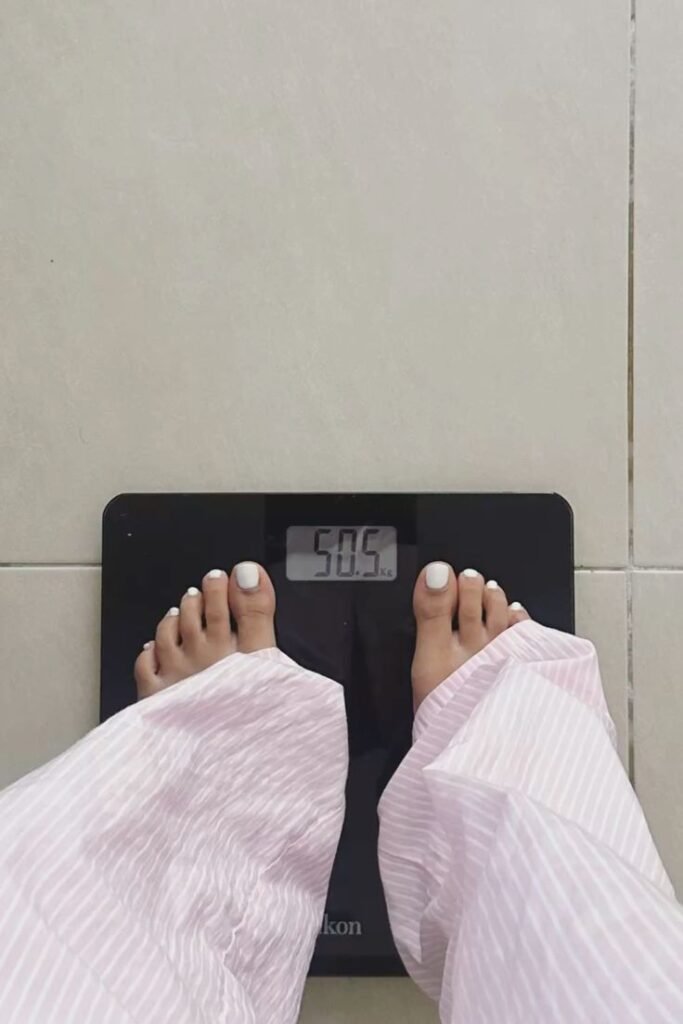
The image should actually show something relevant, such as a person tracking measurements, a progress chart, or a healthy fitness journey.
4. Track Your Fitness Performance
Weight Loss Progress is not only about losing pounds or kilograms. Improvements in physical performance can also show that your fitness is improving.
Track changes such as:
- Lifting heavier weights
- Walking or running longer distances
- Completing more repetitions
- Exercising for longer periods
- Improving endurance
- Recovering more easily after exercise
Getting stronger and becoming more physically capable can be an important part of your overall health journey.
If you want to challenge yourself with a structured routine, check out our 30-Day Fitness Challenge.
5. Monitor Your Eating Habits

Nutrition plays an important role in weight management. Tracking your eating habits can help you understand your daily routine and identify areas that may need improvement.
You can monitor:
- The foods you eat regularly
- Portion sizes
- Protein-rich foods
- Fruit and vegetable intake
- Water intake
- Overall eating patterns
Focus on building healthy habits instead of following extreme diets.
Healthy eating habits can include:
- Eating more vegetables and fruits
- Choosing protein-rich foods
- Drinking enough water
- Paying attention to portion sizes
- Limiting highly processed foods
A sustainable approach is usually easier to maintain than a short-term diet.
For science-based information about healthy weight management, visit the NIDDK Weight Management resources.
6. Keep a Weight Loss Progress Journal

A journal can make it easier to see patterns in your Weight Loss Progress.
Record information such as:
- Workouts
- Meals
- Body weight
- Measurements
- Energy levels
- Sleep
- Challenges
- Achievements
Writing down your progress can help you recognize what works well for you and where you may need to make changes.
Your journal can also remind you how far you have come when motivation becomes difficult.
You do not need an expensive app. A notebook, spreadsheet, or simple phone note can work if you use it consistently.
7. Set Realistic Weight Loss Goals

Setting realistic goals can make your weight loss journey easier to manage.
Instead of creating an unrealistic goal such as:
“I want to lose 20 kg in one month.”
Set smaller and more achievable goals.
For example:
- Exercise three times per week
- Eat balanced meals consistently
- Drink more water
- Track your weight regularly
- Improve your fitness performance
- Maintain healthier habits each week
The NIDDK recommends choosing realistic weight-loss goals and focusing on long-term lifestyle changes. You can learn more from its guide to choosing a safe and successful weight-loss program.
Small goals can build confidence and make your Weight Loss Progress easier to maintain.
8. Focus on Consistency Instead of Perfection
One of the biggest mistakes people make is expecting perfection.
Missing one workout or eating one unhealthy meal does not mean that your entire journey has failed.
Successful weight management is built around consistent habits over time.
Remember:
- One unhealthy meal does not erase your progress
- One missed workout does not stop your journey
- One difficult week does not define your results
- A temporary setback does not mean you have failed
The important thing is to return to your healthy routine and continue moving forward.
If motivation is your biggest challenge, read our guide on how to stay motivated to lose weight for additional strategies.
9. Celebrate Small Wins
Every improvement deserves recognition.
Celebrate achievements such as:
- Completing your planned workouts
- Drinking more water
- Preparing healthier meals
- Improving your strength
- Walking more
- Reaching a personal milestone
- Staying consistent for another week
Celebrating small wins can help you stay motivated while working toward bigger goals.
Your Weight Loss Progress is made up of many small decisions, not just one final result.
10. Stay Patient With Your Weight Loss Progress
Healthy weight management takes time.
Many people lose motivation because they expect fast results. However, your body may not change at exactly the same rate every week.
A realistic approach focuses on:
- Building sustainable habits
- Improving physical fitness
- Eating nutritious foods
- Staying active
- Managing setbacks
- Creating lifestyle changes that can last
Avoid programs that promise extremely rapid results. The NIDDK explains that people should be cautious about weight-loss programs that make unrealistic promises about losing large amounts of weight quickly.
Instead, focus on your overall Weight Loss Progress and the habits you can maintain over time.
Common Reasons Weight Loss Progress Slows Down
Sometimes Weight Loss Progress slows down or appears to stop. This can be frustrating, but it does not necessarily mean that your efforts are failing.
Several factors can affect your results.
1. Lack of Consistency
Frequently skipping workouts or changing your eating plan can make it harder to maintain a routine.
Create a realistic schedule that fits your lifestyle rather than choosing a plan that is difficult to follow.
2. Poor Eating Habits
Your overall eating pattern matters. Large portions, frequent high-calorie foods, and inconsistent meals can make it difficult to reach your goals.
Focus on balanced meals and sustainable choices.
3. Poor Sleep
Sleep is an important part of a healthy lifestyle. Poor sleep can affect your energy and make it harder to maintain healthy routines.
Create a regular sleep schedule and make quality rest part of your overall wellness plan.
4. Unrealistic Expectations
Weight loss is rarely a perfectly straight line.
Some weeks may show noticeable changes, while other weeks may show little change.
Instead of judging your progress based on one week, look at the bigger picture.
How to Stay Consistent and Track Weight Loss Progress
Consistency is one of the most important parts of long-term weight management.
Here are simple ways to stay on track.
Create a Routine
Schedule your workouts, meals, and progress check-ins like important appointments.
Having a routine reduces the need to make the same decisions every day.
Prepare Meals Ahead
Meal preparation can make healthy choices easier when you are busy.
Prepare some meals or ingredients ahead of time so you are less likely to rely on convenient unhealthy options.
Find Activities You Enjoy
Choose physical activities that you actually enjoy.
You could try:
- Walking
- Cycling
- Strength training
- Dancing
- Swimming
- Home workouts
When you enjoy an activity, it may be easier to remain consistent.
For another structured approach to exercise, you can also try our 30-Day Fitness Challenge.
Track Your Progress
Use a notebook, app, spreadsheet, or fitness tracker to record your progress.
Seeing improvements over time can help you stay motivated.
Build Healthy Habits
Focus on habits that you can maintain for months and years rather than trying to make extreme changes for a few weeks.
Long-term habits are more useful than temporary motivation.
The Importance of Mindset in Weight Loss Progress
Your mindset can have a major influence on your ability to stay consistent.
A positive and realistic mindset can help you:
- Stay motivated
- Handle setbacks
- Continue after difficult days
- Recognize small improvements
- Stay focused on long-term goals
Instead of focusing only on your final target, appreciate the improvements you make along the way.
Every healthy decision contributes to your Weight Loss Progress.
If you experience a setback, review what happened, make a small adjustment, and continue.
Best Tools for Tracking Weight Loss Progress
There are many tools you can use to monitor your Weight Loss Progress.
Options include:
- Fitness apps
- Food journals
- Workout journals
- Smart scales
- Measurement charts
- Progress photos
- Spreadsheets
- Fitness trackers
Choose a method that fits your lifestyle.
The best tracking system is not necessarily the most advanced one. It is the one you can use consistently.
For a science-based planning tool, the NIH Body Weight Planner can help estimate personalized calorie and physical activity plans based on a goal and timeframe.
When to Review Your Weight Loss Progress
You do not need to check every measurement every day.
A simple tracking schedule can make monitoring easier:
- Weight: Check consistently under similar conditions
- Measurements: Every few weeks
- Progress photos: About once a month
- Fitness performance: During workouts
- Eating habits: Daily or several times per week
- Overall progress: Review every few weeks
Regular reviews can help you identify patterns without becoming focused on daily fluctuations.
Final Thoughts on Weight Loss Progress
Tracking your Weight Loss Progress is one of the most useful ways to stay motivated and understand whether your habits are moving you toward your goals.
Progress is not measured only by the number on the scale. Changes in strength, energy, fitness, eating habits, measurements, and consistency can also provide valuable information about your journey.
Successful weight management requires patience, realistic goals, and sustainable habits. By tracking your results, learning from setbacks, and staying consistent, you can build a healthier lifestyle that lasts.
Remember that progress does not have to be perfect to be meaningful. Every healthy choice is another step forward.
Stay consistent, be patient with yourself, and focus on creating habits that you can maintain for the long term.