

Key Takeaways
- Weight loss generally requires a calorie deficit over time.
- Eating enough protein can help support fullness and preserve lean muscle during weight loss.
- This meal plan provides approximately 1,600 calories per day as a starting framework, not a universal requirement.
- Planning your meals in advance can make it easier to avoid impulsive food choices.
- A grocery list makes it easier to prepare the meals you’ll need throughout the week.
- You can adapt the meals, portions, and snacks according to your calorie needs, preferences, and activity level.
- Sustainable weight loss is about building eating habits you can continue beyond one week.
Trying to lose weight doesn’t mean you need to follow an extreme diet or survive on tiny portions. A better approach is to create a manageable calorie deficit while eating enough protein, vegetables, whole foods, and satisfying meals.
This 7-day weight loss diet plan provides approximately 1,600 calories per day and emphasizes high-protein meals to help you stay full while working toward your weight-loss goals.
You’ll get breakfast, lunch, dinner, optional snacks, a complete grocery list, meal-prep tips, drink recommendations, exercise ideas, and practical advice for making the plan easier to follow.
Important: A 1,600-calorie diet is not appropriate for everyone. Your calorie needs depend on factors such as age, sex, body size, activity level, and goals. Adjust portions or calorie intake as needed and speak with a qualified healthcare professional if you’re unsure what target is appropriate for you.
Why Nutrition Is Important for a Weight Loss Diet
When you’re trying to lose weight, what you eat matters just as much as how much you eat.
Weight loss generally occurs when you consistently consume fewer calories than your body uses. However, simply cutting food intake as much as possible isn’t a good long-term strategy.
Eating too little can leave you constantly hungry, low on energy, and more likely to abandon your plan. A balanced approach gives you foods that provide protein, fiber, vitamins, minerals, and other nutrients while keeping your overall calorie intake appropriate for your goal.
Protein is particularly useful during weight loss because it can help you feel satisfied and support muscle maintenance. That’s why this meal plan includes protein-rich foods such as chicken, fish, eggs, Greek yogurt, tuna, shrimp, lean meat, beans, and cottage cheese.
The goal isn’t to make every meal perfect. It’s to create a simple structure that makes healthy eating easier to repeat.
How This 7-Day Weight Loss Meal Plan Works
This plan is built around three simple principles.
1. A manageable calorie target
The plan averages around 1,600 calories per day. This can work as a starting framework for some adults, but it shouldn’t be treated as the correct calorie target for everyone.
Your actual calorie needs may be higher or lower.
2. Protein at every meal
The meals emphasize protein-rich foods such as chicken, fish, eggs, Greek yogurt, turkey, tuna, shrimp, and lean meat.
Including protein throughout the day can make meals more satisfying and help you maintain muscle while losing weight.
3. Flexibility instead of perfection
You don’t have to follow the plan perfectly.
If you don’t like salmon, for example, you can replace it with another protein source. If you prefer brown rice instead of white rice, make the swap. If you’re hungrier on an active day, you may need a larger portion or an additional snack.
The structure matters more than eating exactly the same foods every day.
Sample 7-Day Calorie-Deficit Menu
| Day | Breakfast | Lunch | Dinner |
|---|---|---|---|
| 1 | Protein Oats | Chicken & Veggie Bowl | Salmon & Asparagus |
| 2 | Egg & Veggie Scramble | Turkey & Quinoa Salad | Chicken Stir-Fry |
| 3 | Greek Yogurt Bowl | Tuna & White Bean Salad | Lean Beef & Sweet Potato |
| 4 | Cottage Cheese & Berry Bowl | Shrimp & Avocado Lettuce Wraps | Turkey Meatballs & Zucchini Noodles |
| 5 | Protein Smoothie Bowl | Grilled Cod & Roasted Vegetables | Lemon Herb Chicken & Quinoa |
| 6 | Veggie Egg White Muffins | Asian Chicken Lettuce Salad | Baked Tilapia & Cauliflower Rice |
| 7 | Overnight Protein Chia Pudding | Grilled Chicken Caesar | Pork Tenderloin & Roasted Brussels Sprouts |
Here’s a quick overview of the meals included in the plan:
Average daily target: approximately 1,600 calories and 120g protein.
Day 1 Meal Plan
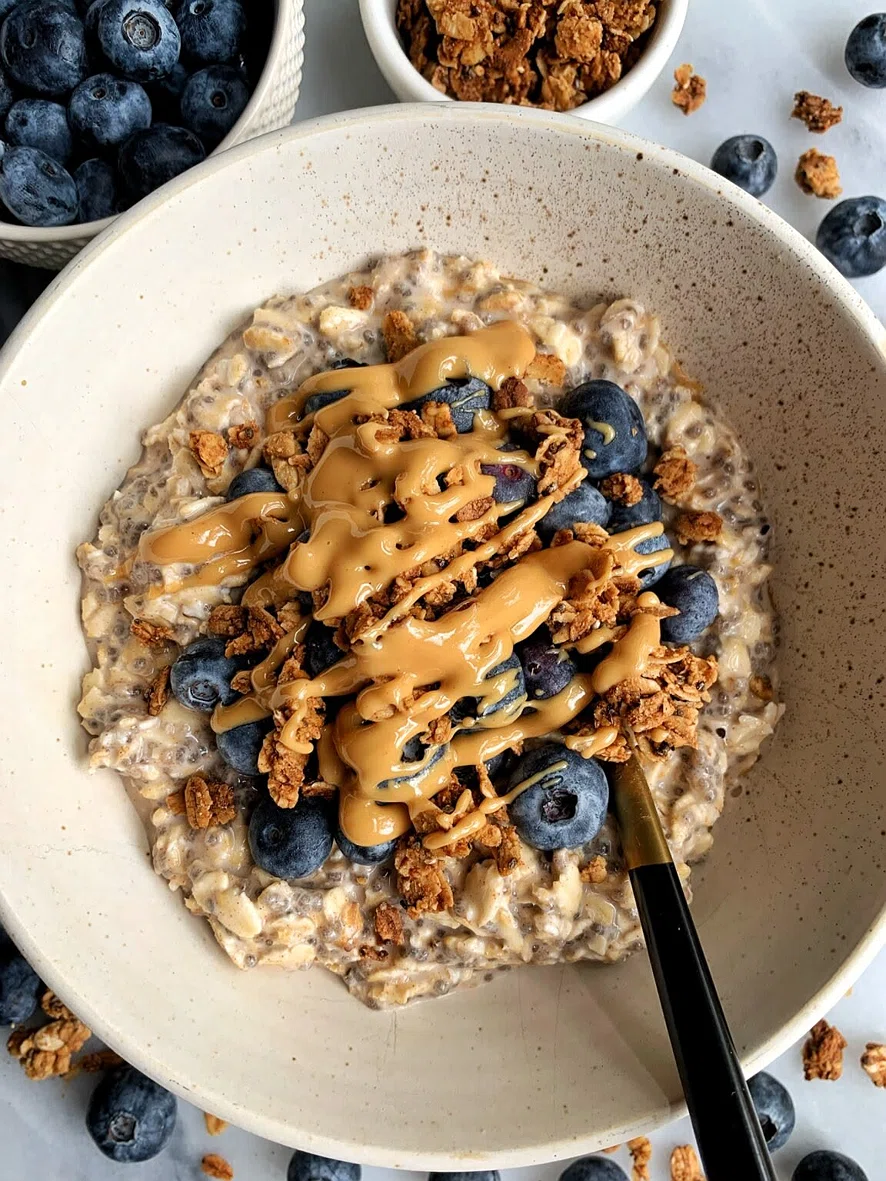
BREAKFAST
Rolled oats cooked with almond milk, stirred with vanilla protein powder, and topped with strawberries and almond butter. A filling breakfast that balances protein, carbs, and healthy fats.
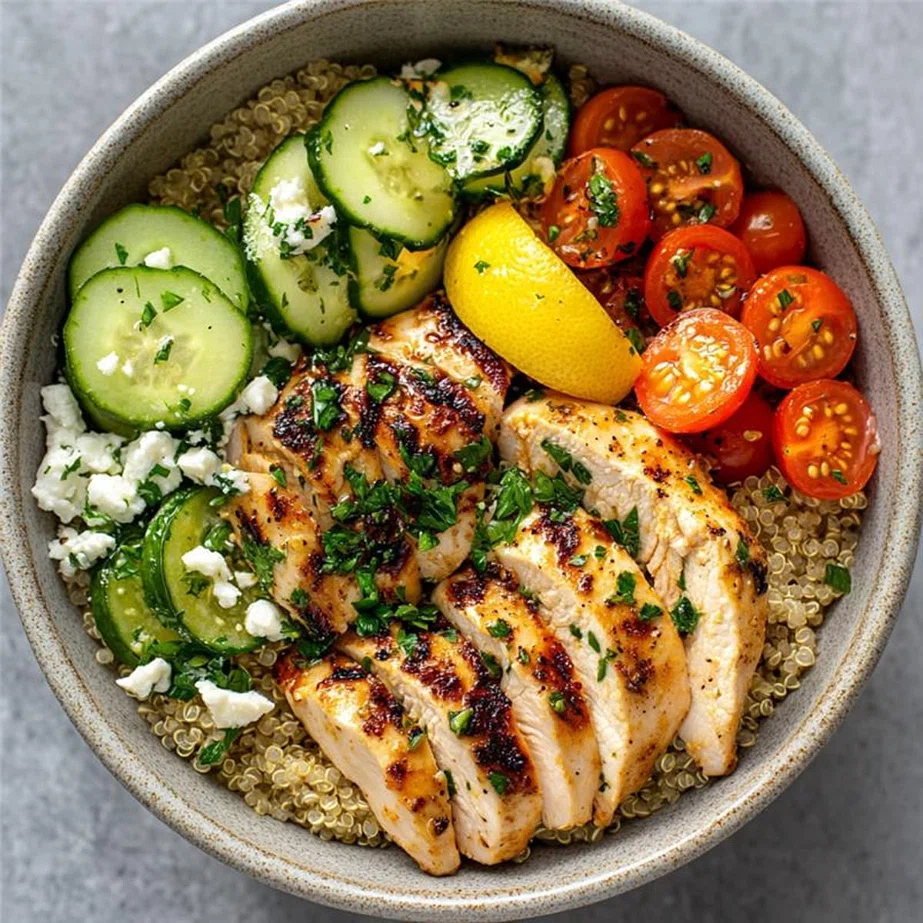
LUNCH
Grilled chicken breast over mixed greens, cherry tomatoes, cucumber, and brown rice, finished with lemon vinaigrette. A lean, balanced lunch that keeps you full without feeling heavy.
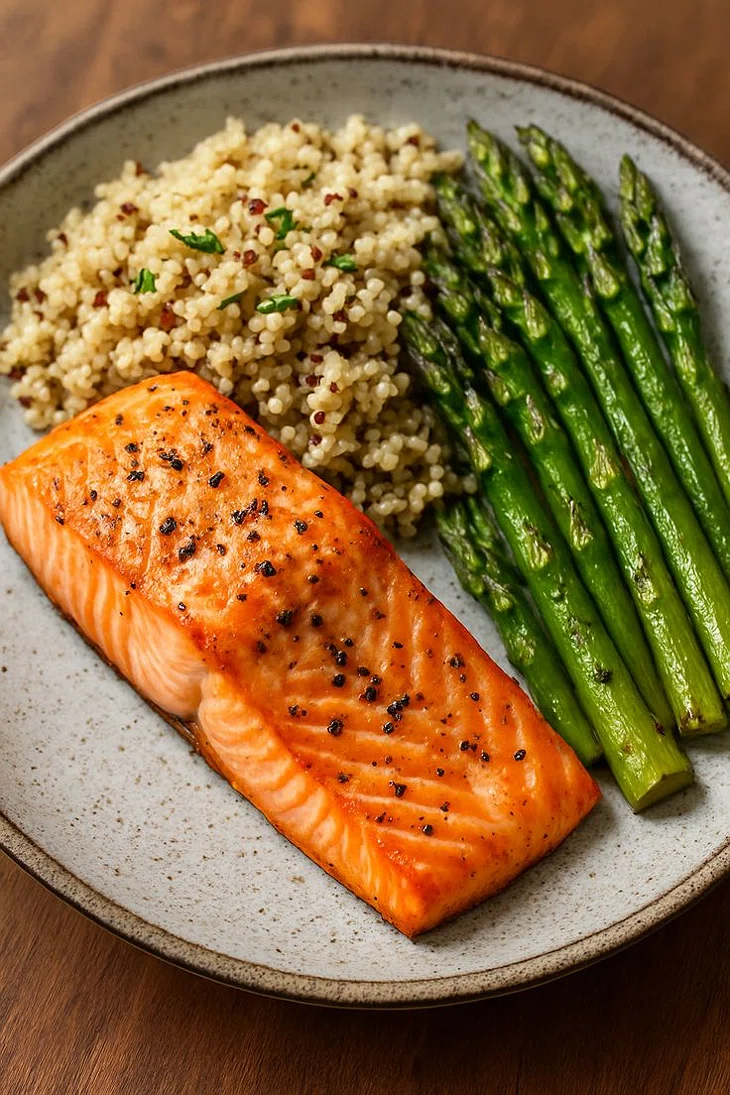
DINNER
Baked salmon with roasted asparagus and a small baked potato topped with Greek yogurt. A satisfying dinner rich in protein and omega-3s.
Day 2 Meal Plan

BREAKFAST
Three eggs scrambled with spinach, mushrooms, and bell peppers, served with whole-grain toast. A protein-forward breakfast that keeps hunger away all morning.
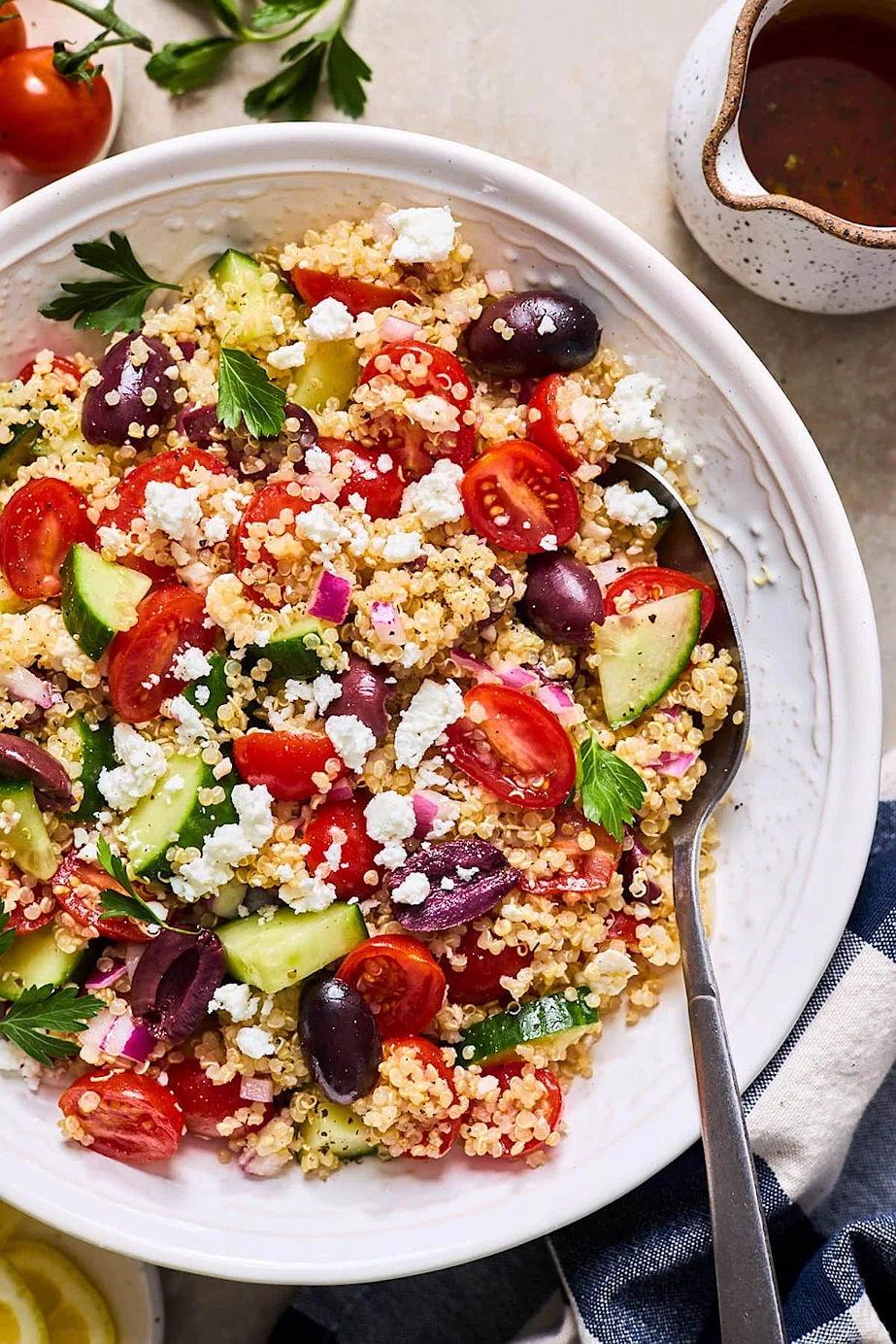
LUNCH
Sliced turkey breast over quinoa, mixed greens, avocado, and cherry tomatoes with olive oil and lemon. A fiber-rich, protein-packed lunch.
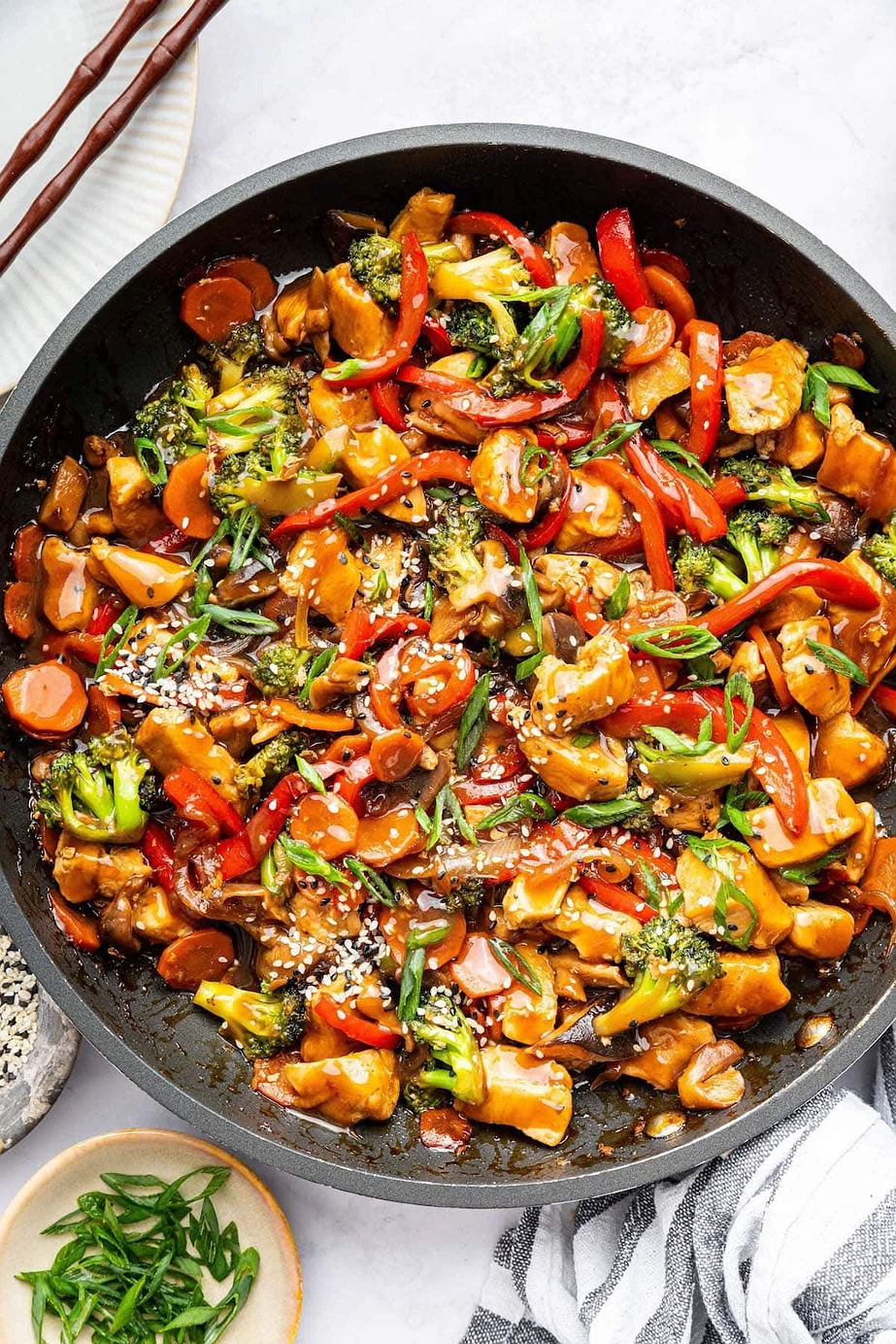
DINNER
Chicken breast stir-fried with broccoli, snap peas, and carrots in a soy-ginger sauce over jasmine rice. Quick, flavorful, and filling.
Day 3 Meal Plan
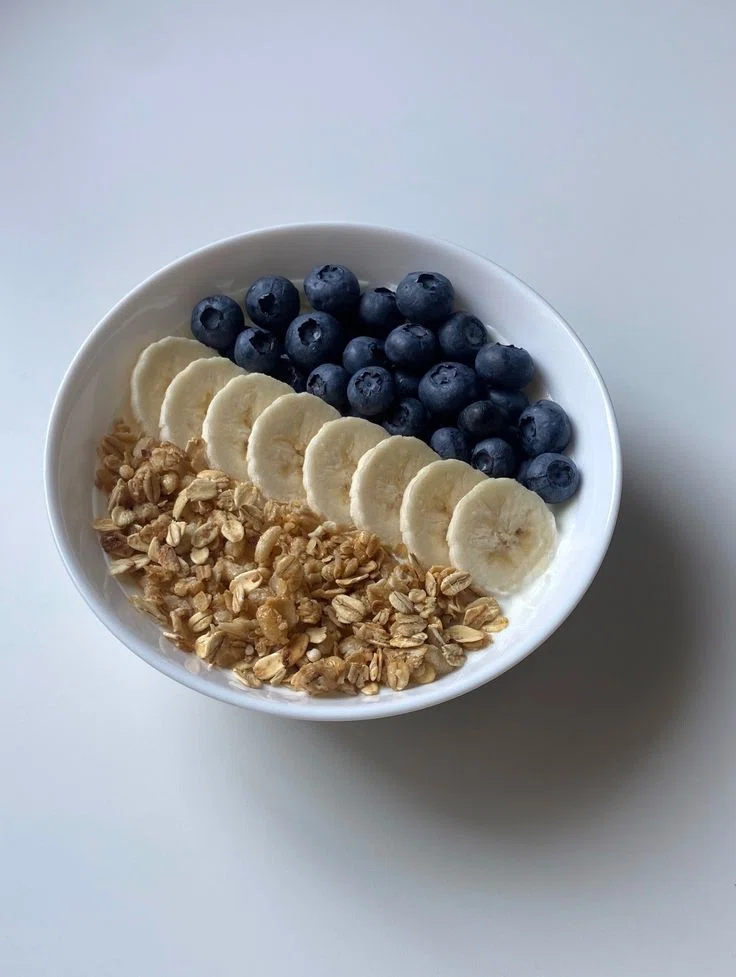
BREAKFAST
Plain Greek yogurt topped with mixed berries, granola, and a drizzle of honey. A quick, protein-rich breakfast for busy mornings.
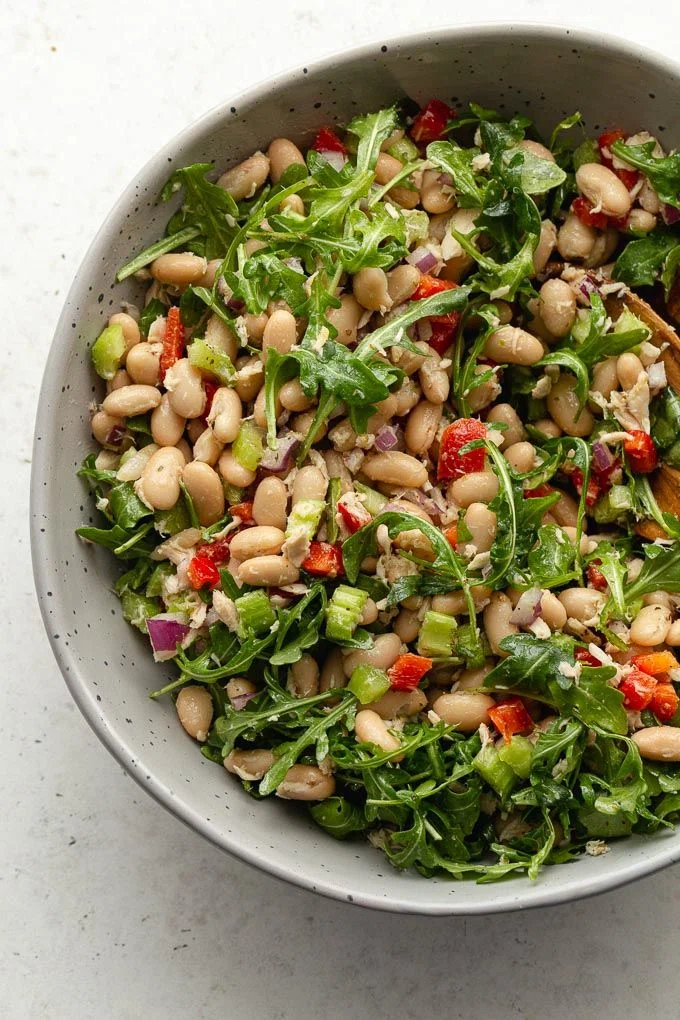
LUNCH
Canned tuna with white beans, arugula, red onion, and cherry tomatoes, tossed in olive oil and lemon. A Mediterranean-style lunch that’s high in protein and fiber.
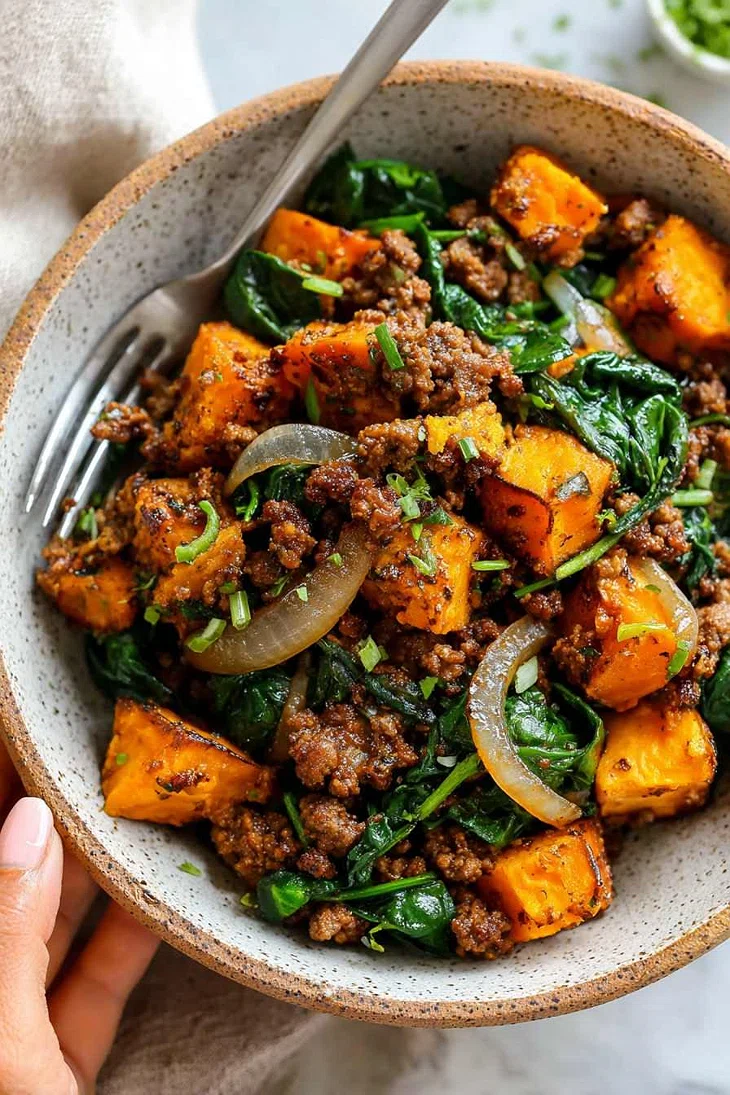
DINNER
Grilled lean sirloin with a baked sweet potato, steamed green beans, and broccoli. A hearty, balanced dinner that keeps you satisfied.
Day 4 Meal Plan
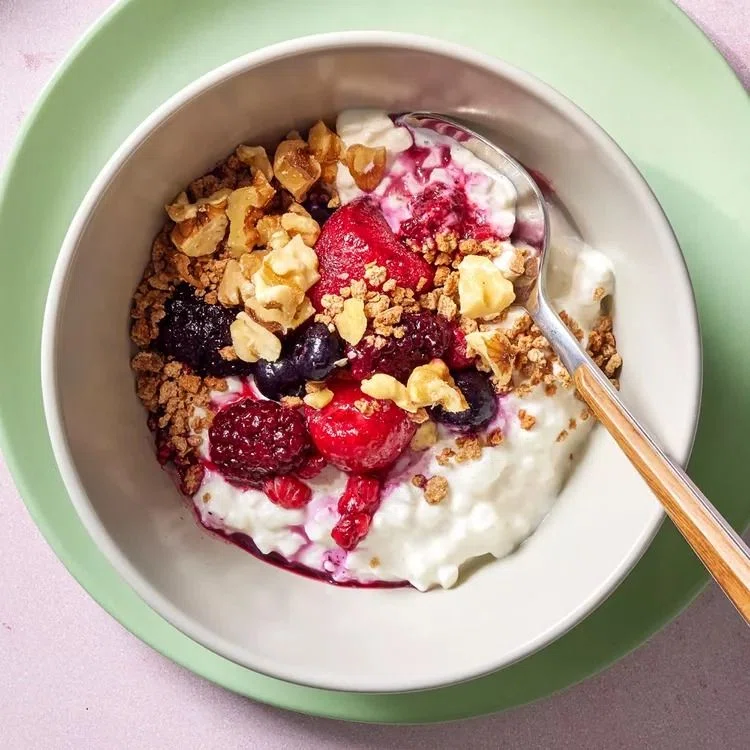
BREAKFAST
Low-fat cottage cheese topped with mixed berries, pumpkin seeds, and a drizzle of honey. High in protein, light, and satisfying.
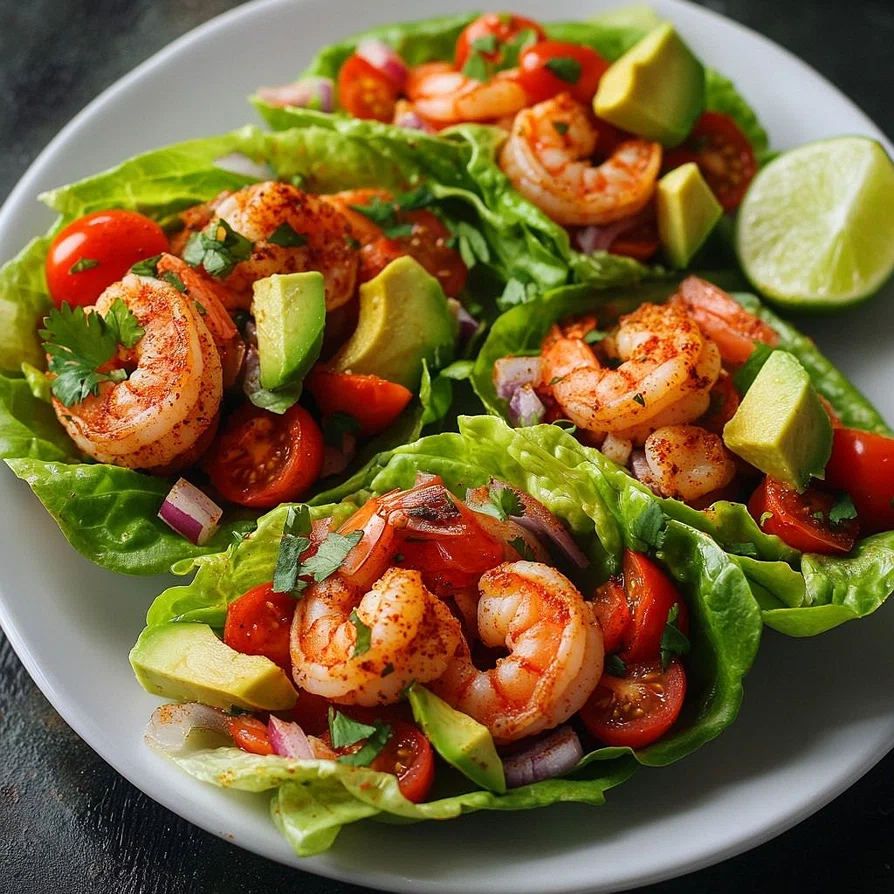
LUNCH
Sautéed shrimp with diced avocado, mango salsa, and lime crema in butter lettuce cups. A fresh, tropical-style lunch that’s naturally low-carb.
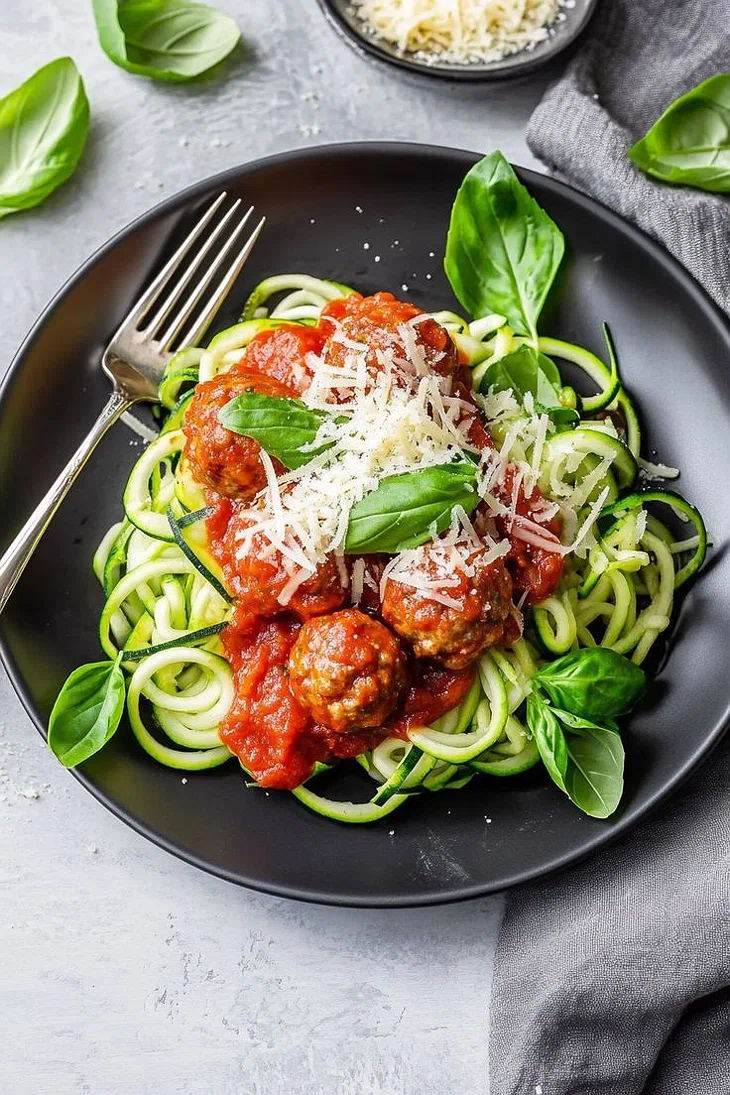
DINNER
Lean turkey meatballs in marinara over spiralized zucchini noodles with Parmesan. Comforting, protein-rich, and lighter than traditional pasta.
Day 5 Meal Plan
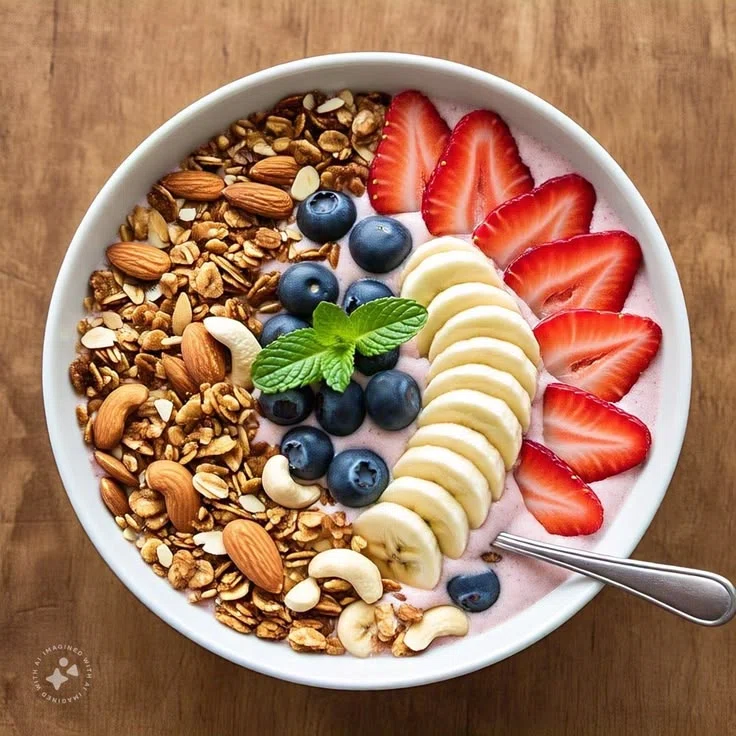
BREAKFAST
Blended protein powder, frozen banana, spinach, and almond milk, topped with sliced almonds and chia seeds. A nutrient-dense breakfast you can sip.
LUNCH
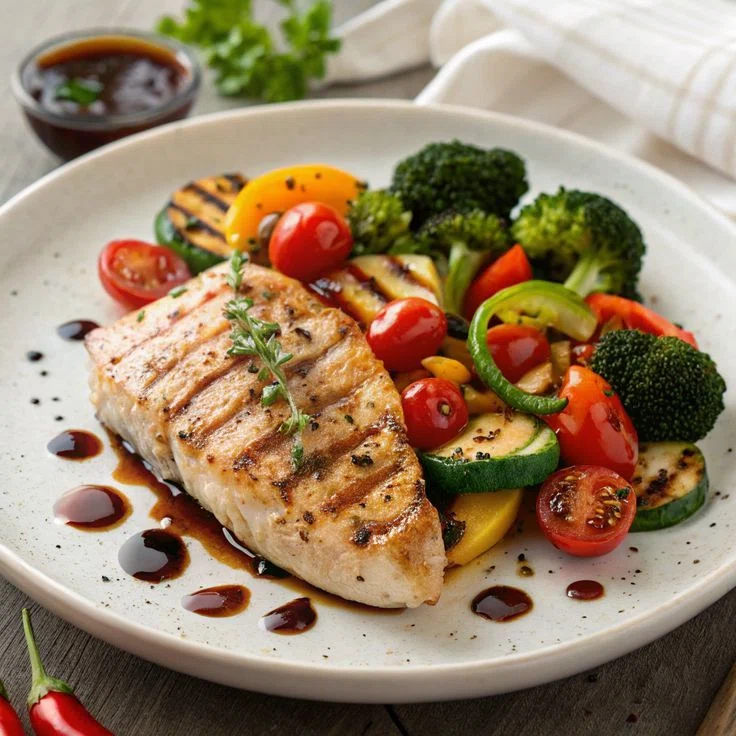
Herb-crusted cod with roasted bell peppers, zucchini, and red onion, served with couscous. A light but filling lunch with plenty of protein.
DINNER
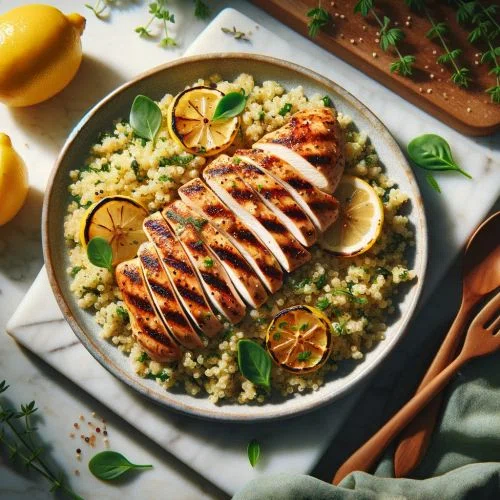
Lemon-herb marinated skinless chicken thigh with quinoa and steamed broccoli. Simple, clean, and satisfying.
Day 6 Meal Plan

BREAKFAST
Baked egg white muffins with spinach, sun-dried tomatoes, and feta, served with whole-grain toast. High-protein and easy to meal prep.
LUNCH
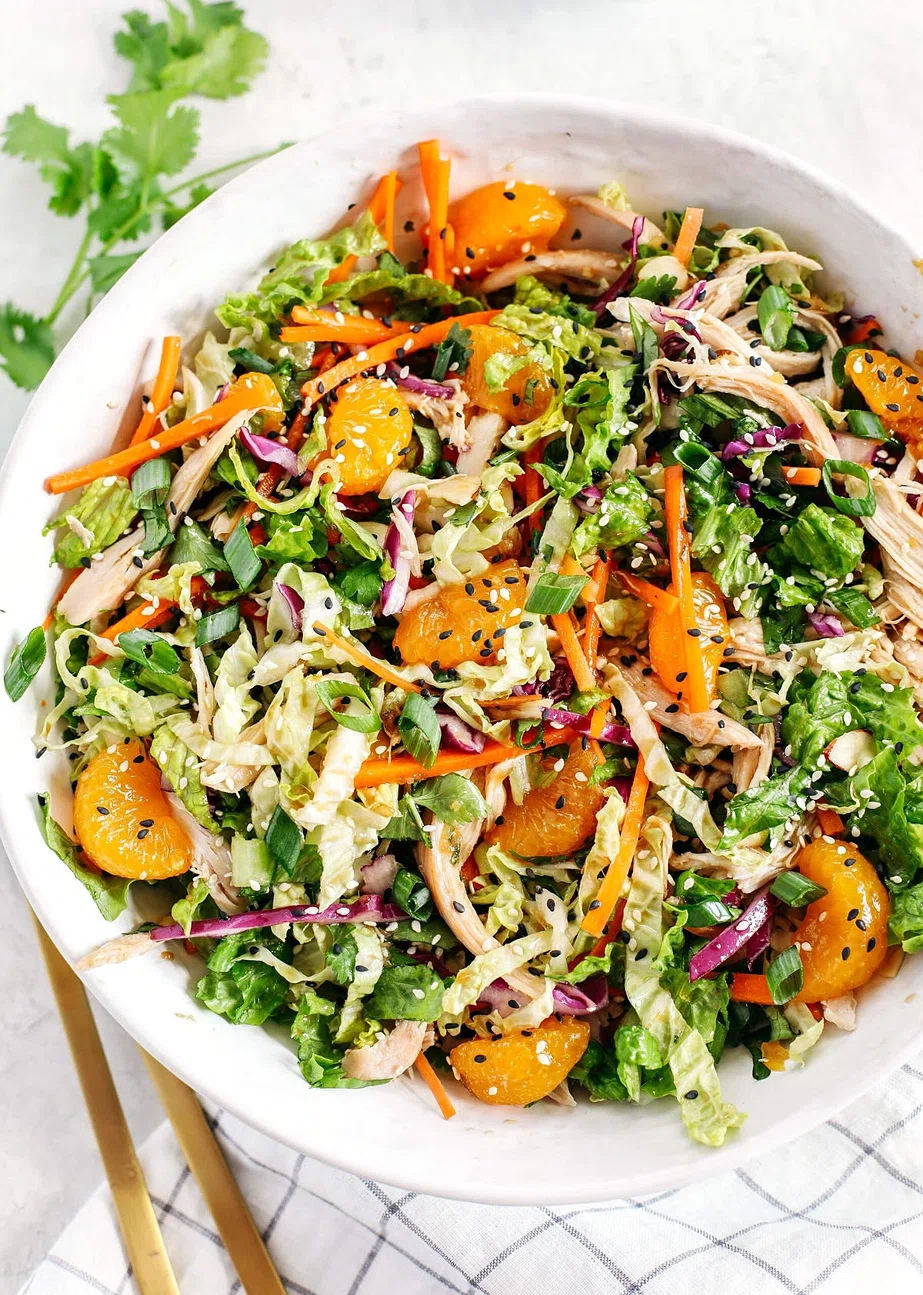
Shredded chicken breast with edamame, shredded cabbage, and carrots tossed in sesame-ginger dressing. Crunchy, flavorful, and protein-rich.
DINNER
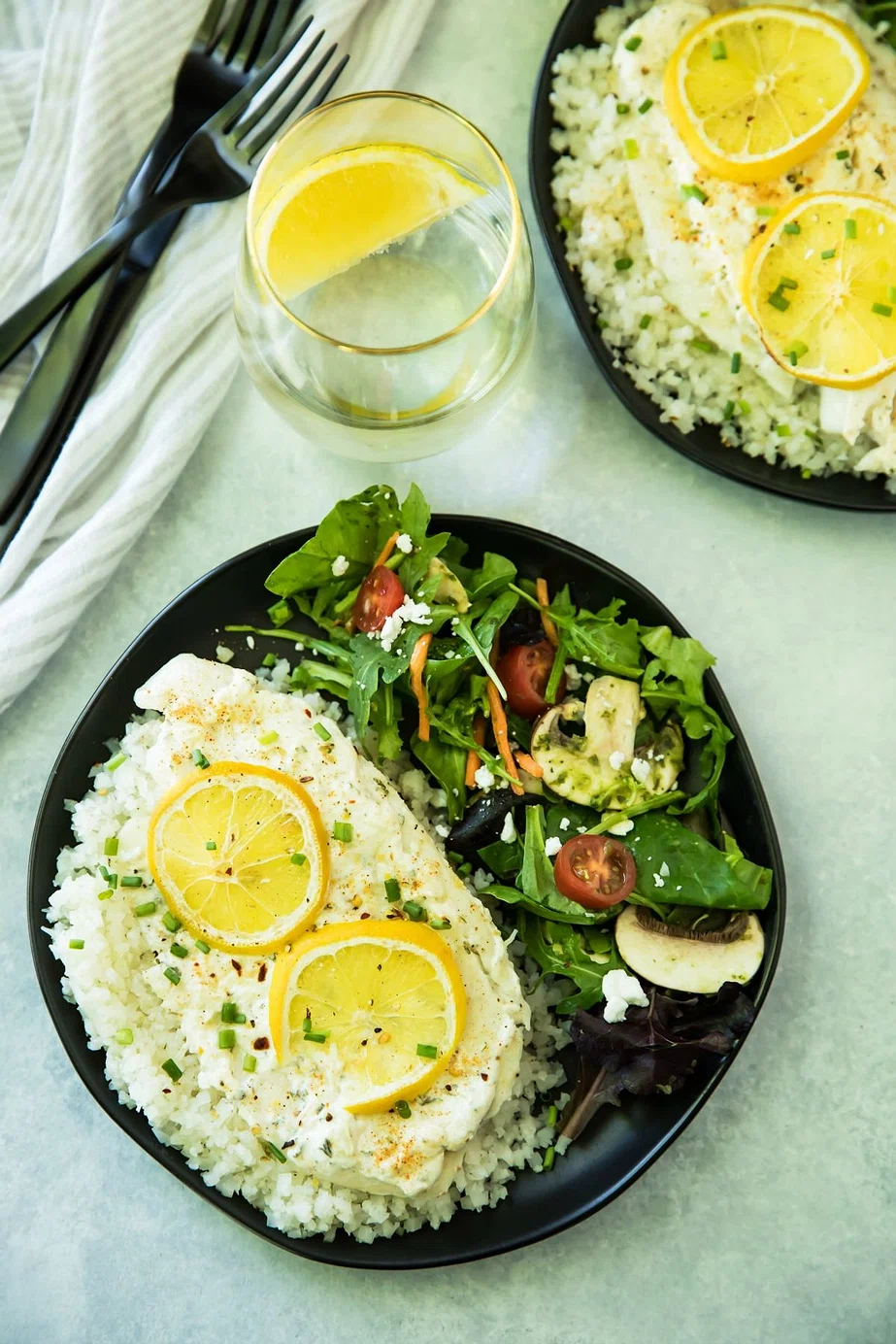
Paprika-spiced tilapia baked with cherry tomatoes, served over cauliflower rice with sautéed kale. A light, low-carb dinner that still satisfies.
Day 7 Meal Plan
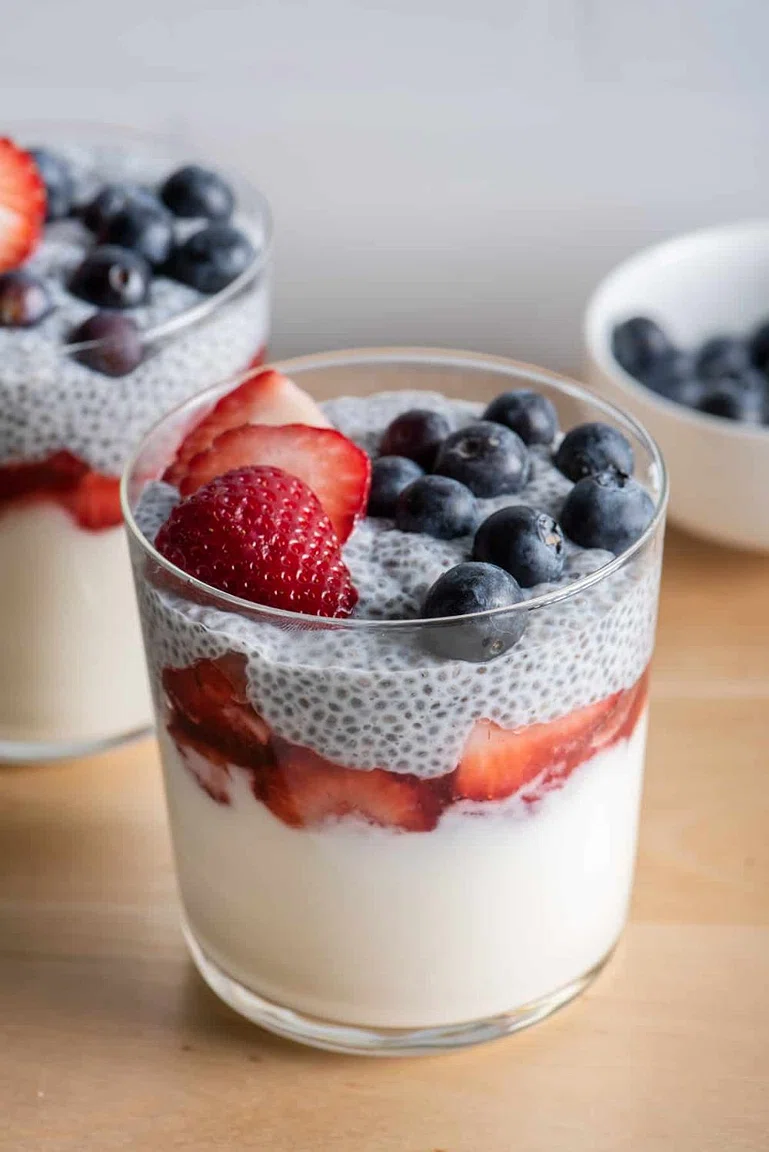
BREAKFAST
Chia seeds soaked in almond milk with vanilla protein powder, topped with sliced peaches and walnuts. Prep it the night before for a no-stress morning.
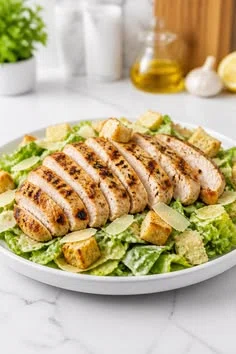
LUNCH
Grilled chicken breast over romaine with shaved Parmesan, whole-grain croutons, and light Caesar dressing. A classic lunch done lighter.
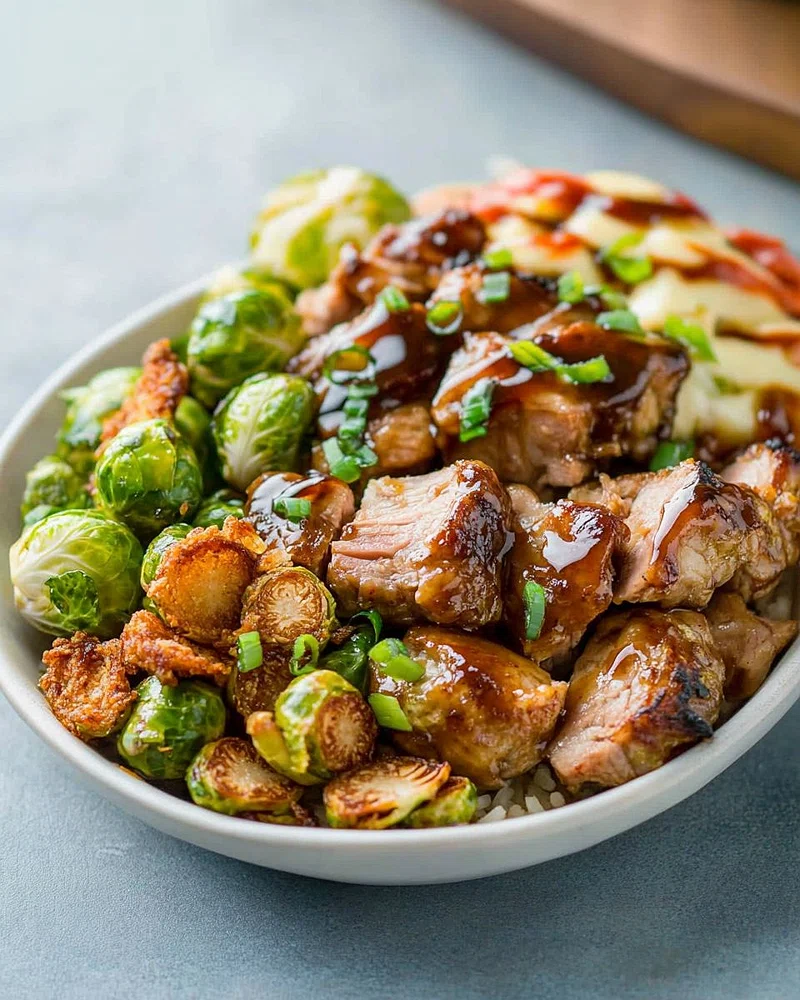
DINNER
Herb-roasted pork tenderloin with caramelized Brussels sprouts and wild rice. A satisfying end to the week.
Weekly Grocery List
Planning your shopping before the week begins can make following a meal plan much easier.
| Proteins | Vegetables | Dairy & Alternatives | Grains & Carbs | Fruits | Pantry Items |
|---|---|---|---|---|---|
|
Chicken breast Skinless chicken thighs Lean ground turkey Salmon Cod Tilapia Shrimp Canned tuna Lean sirloin steak Pork tenderloin Sliced turkey breast Eggs Egg whites |
Spinach Mixed greens Romaine lettuce Broccoli Asparagus Green beans Zucchini Bell peppers Mushrooms Cherry tomatoes Cucumber Red onion Carrots Snap peas Brussels sprouts Cauliflower Kale Cabbage Edamame Sun-dried tomatoes Butter lettuce |
Plain Greek yogurt Low-fat cottage cheese Parmesan Feta Unsweetened almond milk |
Rolled oats Brown rice Jasmine rice Quinoa Couscous Wild rice Whole-grain bread Whole-grain croutons Sweet potatoes Baking potatoes White beans |
Strawberries Mixed berries Bananas Peaches Mango Apples Clementines |
Olive oil Almond butter Peanut butter Walnuts Pumpkin seeds Sliced almonds Chia seeds Vanilla protein powder Granola Honey Soy sauce Sesame-ginger dressing Light Caesar dressing Lemon vinaigrette Balsamic vinaigrette Marinara sauce Salsa Limes Lemons Garlic Fresh herbs Paprika |
Meal Prep Tips for Your 7-Day Plan
Meal preparation can make a healthy eating plan much easier to follow.
Prepare protein ahead of time
Cook several portions of chicken, turkey, eggs, or other proteins in advance. Store them properly so they’re ready when you need a quick meal.
Wash and cut vegetables
Preparing vegetables ahead of time makes salads, bowls, wraps, and side dishes faster to assemble.
Cook grains in batches
Prepare brown rice, quinoa, or other grains ahead of time and divide them into portions. This saves time throughout the week.
Prepare easy snacks
Keep simple options such as fruit, Greek yogurt, nuts, and boiled eggs available. Having nutritious foods ready can make it easier to avoid less filling convenience foods.
Shop once using your grocery list
A prepared shopping list can help you buy what you actually need and reduce impulse purchases.
What to Drink During the Week
Your drinks can make a surprisingly large difference to your overall calorie intake.
Water should be your main drink throughout the day. If plain water feels boring, add lemon, lime, cucumber, berries, or other fruit for flavor.
Other options include:
- Unsweetened tea
- Unsweetened coffee
- Sparkling water
- Water with lemon or fruit
Try to limit sugary drinks such as regular soda and heavily sweetened beverages because they can add calories without providing much fullness.
Low-Calorie, High-Protein Foods
High-protein foods can be particularly useful when you’re trying to lose weight because they can help make meals more satisfying.
Here are some protein-rich choices:
| Food | Serving | Calories | Protein |
|---|---|---|---|
| Shrimp | 100g | 99 | 24g |
| Turkey breast | 100g | 135 | 30g |
| Cod | 100g | 82 | 18g |
| Tuna in water | 1 can | 130 | 28g |
| Egg whites | 4 large | 68 | 14g |
| Whey protein | 1 scoop | 120 | 24g |
| Chicken breast | 100g | 165 | 31g |
| Low-fat cottage cheese | ½ cup | 81 | 14g |
| 0% Greek yogurt | 170g | 100 | 17g |
| Lean beef | 100g | 155 | 24g |
| Firm tofu | 100g | 144 | 17g |
| Cooked lentils | ½ cup | 115 | 9g |
Nutrition values can vary by brand, preparation method, and serving size, so check the nutrition label when exact calorie or protein tracking matters.
Foods to Include in Your Weight Loss Meal Plan
A healthy meal plan doesn’t need to be complicated. Focus on building meals around several basic food groups.
| Protein | Vegetables | Fruits | Whole-Grain Carbohydrates | Healthy Fats |
|---|---|---|---|---|
|
Chicken Fish Eggs Greek yogurt Tuna Beans Lentils Lean meat Cottage cheese Tofu |
Broccoli Carrots Spinach Cucumber Tomatoes Bell peppers Green beans Lettuce Kale Cabbage |
Apples Bananas Oranges Berries Pears Melons Peaches |
Oats Brown rice Whole-grain bread Quinoa Potatoes Sweet potatoes Whole-grain wraps |
Avocado Nuts Seeds Olive oil Natural peanut butter Almond butter |
Common Mistakes to Avoid
Even a good meal plan can become difficult to maintain if you make it unnecessarily restrictive.
Eating too little
Trying to lose weight as quickly as possible can lead to excessive hunger and make the diet difficult to maintain. A sustainable approach is usually better than extreme restriction.
Skipping protein
If your meals contain little protein, you may find them less satisfying. Include a protein source at breakfast, lunch, and dinner whenever practical.
Forgetting vegetables
Vegetables provide fiber, vitamins, minerals, and volume. Adding them to meals can help you build more filling plates without relying entirely on calorie-dense foods.
Drinking too many sugary beverages
Calories from soda, sweetened coffee, and other sugary drinks can add up quickly.
Expecting instant results
Your weight can change from day to day because of water, food volume, sodium, hormones, and other factors. One week isn’t enough to judge whether your overall approach is working.
Trying to be perfect
One higher-calorie meal doesn’t ruin your progress. Instead of giving up after one meal, simply return to your normal eating pattern at the next meal.
Can You Eat Your Favorite Foods?
Yes. Losing weight doesn’t mean you have to permanently eliminate your favorite foods.
The important factors are generally portion size, frequency, and your overall calorie intake.
For example, you could have a smaller serving of fries alongside grilled chicken and vegetables rather than turning the entire meal into a high-calorie fast-food meal.
You can also enjoy a small amount of chocolate with fruit or Greek yogurt, choose water instead of a sugary drink, or have pizza occasionally while keeping your other meals balanced.
A sustainable weight-loss diet should leave room for foods you enjoy. The goal is to create eating habits you can continue rather than follow a perfect menu for seven days and then abandon it.
Exercise During the 7-Day Plan
Nutrition is an important part of weight management, but physical activity can also support your overall health and fitness.
Depending on your fitness level, activities might include:
- Walking
- Bodyweight squats
- Lunges
- Push-ups or modified push-ups
- Planks
- Cycling
- Dancing
- Light jogging
If you’re new to exercise, start at a comfortable level and gradually increase your activity.
Resistance exercises can also be useful during weight loss because maintaining muscle is an important part of body composition and physical function.
How to Meal Plan for Weight Loss
Meal planning becomes easier when you have a repeatable system.
1. Determine your calorie needs
Start by estimating how many calories you need based on your individual characteristics and activity level. A calorie or TDEE calculator can provide an estimate, although it isn’t a substitute for professional advice.
2. Choose meals you actually enjoy
Write down breakfasts, lunches, dinners, and snacks that you would genuinely be willing to eat repeatedly.
3. Use leftovers
Cooking extra portions can save time and turn dinner into an easy lunch the next day.
4. Don’t be afraid to repeat meals
You don’t need a completely different recipe every day. Repeating a few favorite meals can make meal planning easier and reduce the amount of cooking required.
5. Stock your kitchen
Use your grocery list to keep the ingredients you need available.
6. Prepare meals ahead of time
Preparing breakfast or lunch the night before can make it much easier to stay on track during busy mornings and workdays.
Free Tools for This Plan
Useful tools can make your weight-loss journey easier to track and personalize.
Consider using:
- Calorie Deficit Calculator
- TDEE Calculator
- Weight Loss Calculator
- Meal Planner
- Recipe Collection
- High-Protein Recipe Guide
- Low-Carb Recipe Guide
- Quick Meal Ideas
These tools can help you estimate your needs and organize your meals rather than relying on guesswork.
Calorie Deficit Diet FAQ
What is a calorie deficit and how does it work?
A calorie deficit occurs when you consume fewer calories than your body uses over time. When this happens consistently, your body uses stored energy, which can lead to weight loss.
The amount of weight you lose depends on your individual calorie needs, activity level, adherence, and other factors.
How big should my calorie deficit be?
There isn’t one calorie deficit that works for everyone.
A moderate deficit is often easier to maintain than an aggressive restriction. Your ideal target depends on your current calorie needs, health, activity level, and weight-loss goals.
Avoid making your calorie intake excessively low without guidance from a qualified healthcare professional.
Will I lose muscle while following a calorie-deficit diet?
Weight loss can include both fat and lean tissue. You can help support muscle retention by eating enough protein and incorporating resistance training while avoiding unnecessarily aggressive calorie restriction.
Your individual protein needs can vary depending on body size, activity, age, and goals.
How long can I stay in a calorie deficit?
The appropriate length of a calorie deficit varies from person to person.
Rather than following a fixed timeline, pay attention to your progress, hunger, energy, exercise performance, and ability to maintain the diet. If you’re experiencing persistent fatigue, excessive hunger, or other concerning symptoms, speak with a healthcare professional.
What foods are best for a calorie-deficit diet?
There isn’t one specific food that causes weight loss.
A useful meal plan can include protein-rich foods such as chicken, fish, eggs, Greek yogurt, beans, and lean meat, along with vegetables, fruits, whole grains, and moderate amounts of healthy fats.
The best foods are those that provide nutrition and help you stay satisfied while fitting your calorie needs.
Can I follow this 7-day meal plan every week?
You can use the structure as a starting point, but you don’t have to repeat the exact same seven days indefinitely.
After the first week, rotate different proteins, vegetables, fruits, grains, and recipes to keep your diet varied. Adjust portions according to your individual calorie needs.
What to Do After the 7 Days
Completing seven days is a useful starting point, but long-term progress comes from what you do afterward.
You don’t need to start over every Monday. Instead, use what worked during these seven days and gradually build a routine that fits your lifestyle.


References
- Centers for Disease Control and Prevention — Healthy Weight Loss
- Harvard T.H. Chan School of Public Health — Nutrition and Protein Resources
- U.S. Food & Drug Administration — Calories and Nutrition Information
- National Institutes of Health — Weight Management and Nutrition Resources
Bottom Line
This 7-day weight loss diet plan gives you a practical structure for eating balanced, high-protein meals while keeping your daily calorie intake around 1,600 calories.
You don’t need to eat perfectly to make progress. Focus on meals built around protein, vegetables, fruits, whole grains, and healthy fats, and use the grocery list and meal-prep strategies to make healthy choices easier.
Most importantly, remember that one week is only the beginning. Sustainable weight loss comes from habits you can maintain over time—not from following a perfect diet for seven days.
Use this plan as a framework, adjust it to your needs, and build a routine that works for your lifestyle.
This article is for informational purposes only and is not a substitute for professional medical advice. Consult a qualified healthcare professional before making significant changes to your diet or starting a weight-loss program.