You want to lose weight. You don’t want to be hungry by 10 AM. The fix? Fiber.
Fiber keeps you full, kills cravings, and stabilizes blood sugar. But boring oatmeal? Hard pass.
Here are 15 quick, cheap, and delicious high-fiber breakfast ideas for weight loss. Plus, a free printable at the bottom.
What is the best high-fiber breakfast for weight loss?
How to meal prep high-fiber breakfast ideas for weight loss
You don’t need to wake up an hour early to make high-fiber breakfast ideas for weight loss work. You need a system.
- Overnight Oats: Make 3 jars on Sunday. Grab and go.
- Egg Muffins: Bake 12 in a tin. Reheat in 30 seconds.
- Smoothie Packs: Portion fruit, spinach, and chia into Ziploc bags. Dump. Blend. Done.
Free & Cheap High-Fiber Breakfast Ideas for Weight Loss
Healthy eating shouldn’t drain your wallet. Oats, beans, lentils, and eggs are your best friends. Here are 15 high-fiber breakfast ideas for weight loss. We marked the cheapest ones for you.

1. Overnight Chia Pudding
2. Savory Black Bean & Egg Scramble

3. Greek Yogurt & Raspberry Bowl

4. Apple Cinnamon Oatmeal

5. Peanut Butter Banana Smoothie

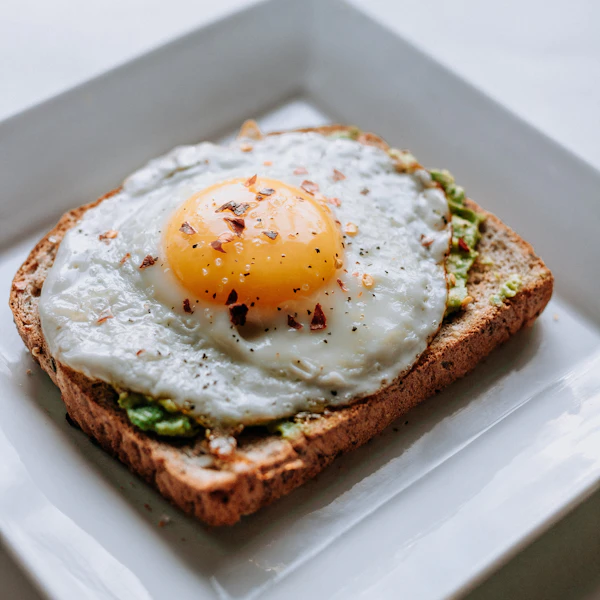
6. High-Fiber Avocado Toast

7. Cottage Cheese & Pineapple

8. Quinoa Breakfast Bowl

9. Lentil Breakfast Soup

10. High-Fiber Protein Pancakes

11. Almond Butter & Flaxseed Waffles
12. Chia Seed Jam on Toast

13. Veggie Egg White Omelet
14. Pear & Walnut Yogurt Parfait

15. Banana Oatmeal Cookies
Meal planning becomes easier when you have a repeatable system.
How to Meal Plan for Weight Loss
1. Determine your calorie needs
Start by estimating how many calories you need based on your individual characteristics and activity level. A calorie or TDEE calculator can provide an estimate, although it isn’t a substitute for professional advice.
2. Choose meals you actually enjoy
Write down breakfasts, lunches, dinners, and snacks that you would genuinely be willing to eat repeatedly.
3. Use leftovers
Cooking extra portions can save time and turn dinner into an easy lunch the next day.
4. Don’t be afraid to repeat meals
You don’t need a completely different recipe every day. Repeating a few favorite meals can make meal planning easier and reduce the amount of cooking required.
5. Stock your kitchen
Use your grocery list to keep the ingredients you need available.
6. Prepare meals ahead of time
Preparing breakfast or lunch the night before can make it much easier to stay on track during busy mornings and workdays.
Free Tools for This Plan
Useful tools can make your weight-loss journey easier to track and personalize.
Consider using:
- Calorie Deficit Calculator
- TDEE Calculator
- Weight Loss Calculator
- Meal Planner
- Recipe Collection
- High-Protein Recipe Guide
- Low-Carb Recipe Guide
- Quick Meal Ideas
These tools can help you estimate your needs and organize your meals rather than relying on guesswork.
Calorie Deficit Diet FAQ
What is a calorie deficit and how does it work?
A calorie deficit occurs when you consume fewer calories than your body uses over time. When this happens consistently, your body uses stored energy, which can lead to weight loss. The amount of weight you lose depends on your individual calorie needs, activity level, adherence, and other factors.
How big should my calorie deficit be?
There isn’t one calorie deficit that works for everyone. A moderate deficit is often easier to maintain than an aggressive restriction. Your ideal target depends on your current calorie needs, health, activity level, and weight-loss goals. Avoid making your calorie intake excessively low without guidance from a qualified healthcare professional.
Will I lose muscle while following a calorie-deficit diet?
Weight loss can include both fat and lean tissue. You can help support muscle retention by eating enough protein and incorporating resistance training while avoiding unnecessarily aggressive calorie restriction. Your individual protein needs can vary depending on body size, activity, age, and goals.
How long can I stay in a calorie deficit?
The appropriate length of a calorie deficit varies from person to person. Rather than following a fixed timeline, pay attention to your progress, hunger, energy, exercise performance, and ability to maintain the diet. If you’re experiencing persistent fatigue, excessive hunger, or other concerning symptoms, speak with a healthcare professional.
What foods are best for a calorie-deficit diet?
There isn’t one specific food that causes weight loss. A useful meal plan can include protein-rich foods such as chicken, fish, eggs, Greek yogurt, beans, and lean meat, along with vegetables, fruits, whole grains, and moderate amounts of healthy fats. The best foods are those that provide nutrition and help you stay satisfied while fitting your calorie needs.
Can I follow this 7-day meal plan every week?
You can use the structure as a starting point, but you don’t have to repeat the exact same seven days indefinitely. After the first week, rotate different proteins, vegetables, fruits, grains, and recipes to keep your diet varied. Adjust portions according to your individual calorie needs.
What to Do After the 7 Days
Completing seven days is a useful starting point, but long-term progress comes from what you do afterward.
You don’t need to start over every Monday. Instead, use what worked during these seven days and gradually build a routine that fits your lifestyle.
References
- Centers for Disease Control and Prevention — Healthy Weight Loss
- Harvard T.H. Chan School of Public Health — Nutrition and Protein Resources
- U.S. Food & Drug Administration — Calories and Nutrition Information
- National Institutes of Health — Weight Management and Nutrition Resources
Bottom Line
This 7-day weight loss diet plan gives you a practical structure for eating balanced, high-protein meals while keeping your daily calorie intake around 1,600 calories.
You don’t need to eat perfectly to make progress. Focus on meals built around protein, vegetables, fruits, whole grains, and healthy fats, and use the grocery list and meal-prep strategies to make healthy choices easier.
Most importantly, remember that one week is only the beginning. Sustainable weight loss comes from habits you can maintain over time—not from following a perfect diet for seven days.
Use this plan as a framework, adjust it to your needs, and build a routine that works for your lifestyle.
Need a Professional High-Fiber Strategy?
Busy schedule? Need a custom plan? We got you.
Learn More About Our Service