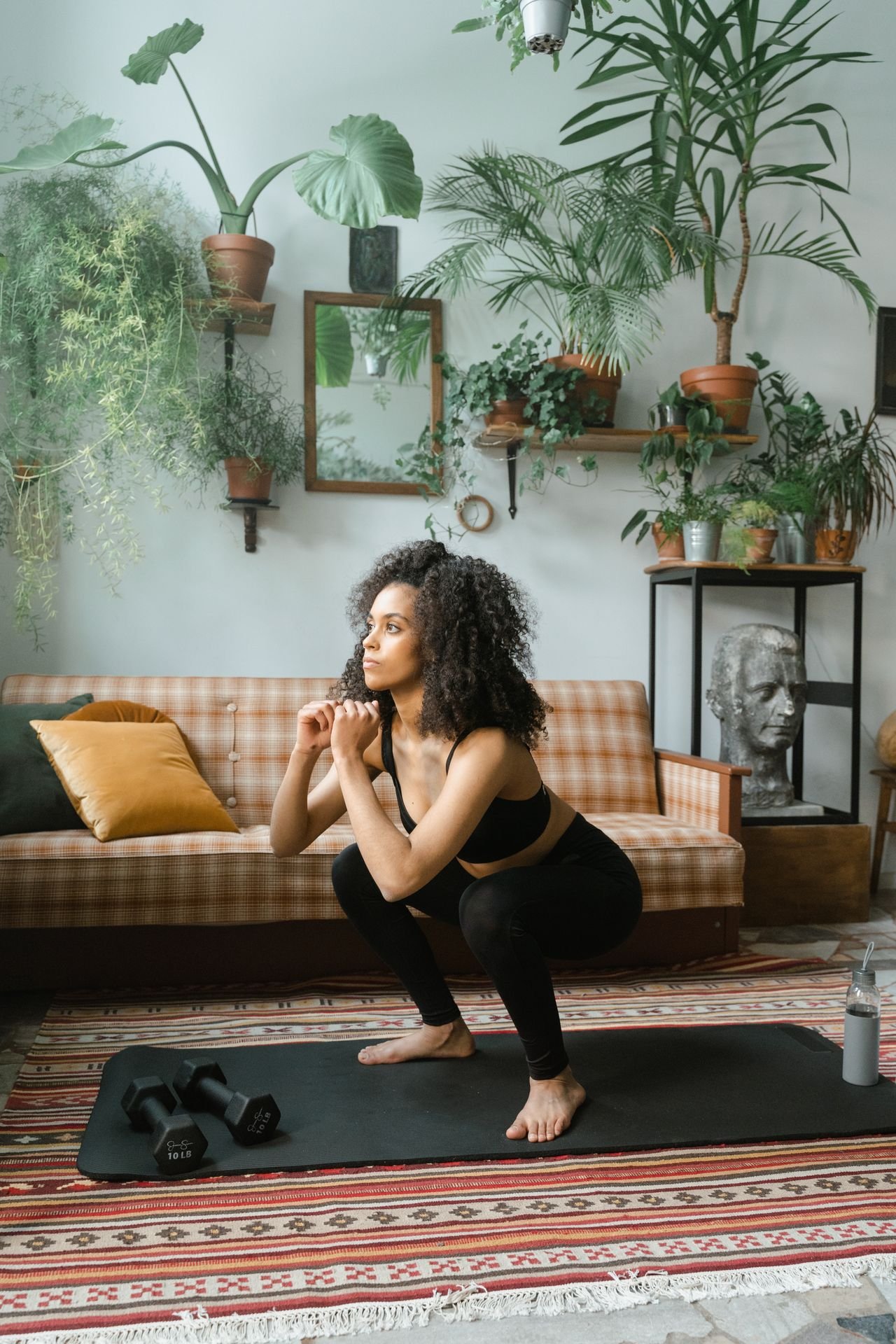

We all want to see results. We want to feel stronger, look better, and have more energy. But let’s be honest — consistency is the hardest part.
Life gets busy. Motivation fades. You skip one workout, then another, and suddenly it’s been three weeks since you’ve done anything. Sound familiar?
A 30-day fitness challenge for beginners can break that cycle.
This isn’t about a temporary fix. It’s about building a system that works. For one month, you’ll have a clear plan that builds strength, improves endurance, and proves just how much you can accomplish when you commit.
Key Takeaways
A Structured Plan Is Your Key to Consistency: A 30-day fitness challenge for beginners works because it removes the mental load of deciding what to do each day. You just show up, follow the plan, and build momentum.
Focus on the Other 23 Hours: Your results are determined by how you eat, sleep, and recover. Good nutrition, 7-9 hours of sleep, and taking rest days seriously are just as important as the workouts themselves.
Treat the 30 Days as a Starting Point: The end of the challenge isn’t the finish line — it’s the beginning of a sustainable fitness journey. Use what you build here as a launchpad for long-term health.
What Is a 30-Day Fitness Challenge for Beginners?
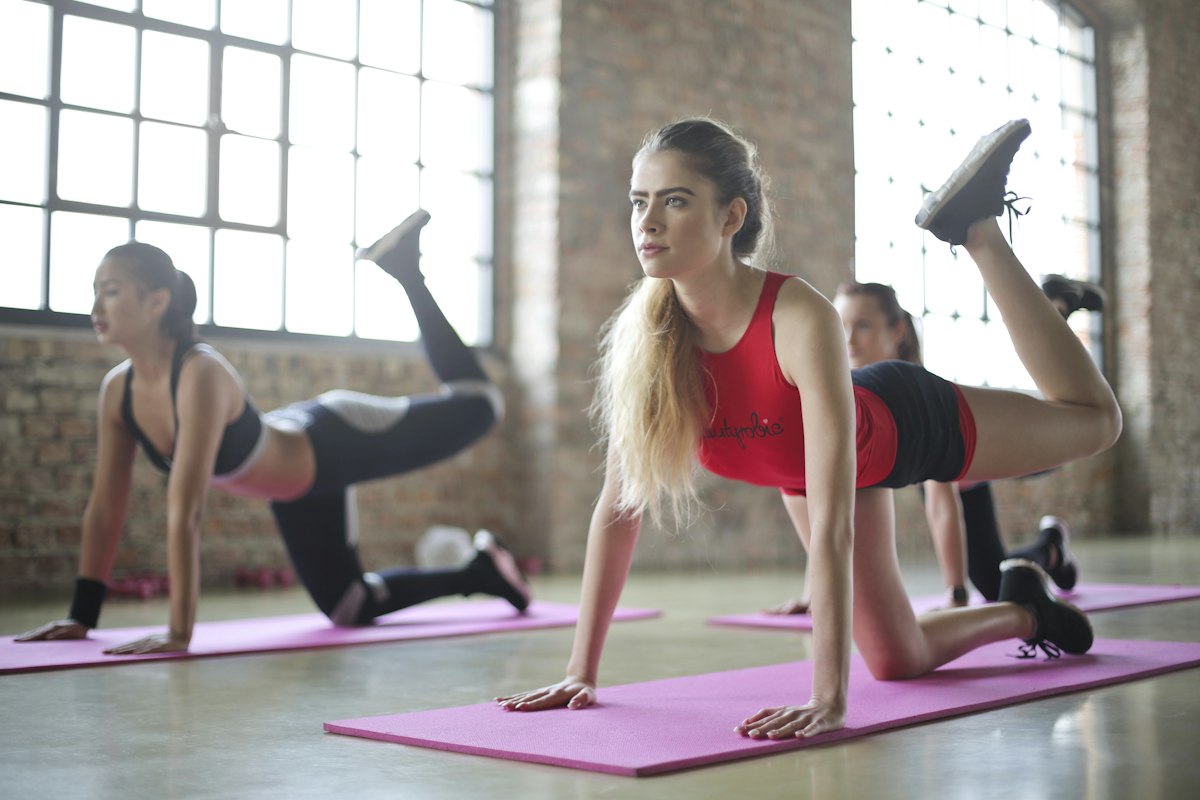
A clear plan removes the guesswork and helps you stay consistent.
A 30-day fitness challenge is a structured program designed to get you moving consistently for a month. Think of it as a roadmap. Instead of wondering what to do each day, you have a clear plan that builds on itself, helping you develop strength, endurance, and — most importantly — a routine.
These challenges are perfect for breaking out of a fitness rut or starting fresh. They provide daily accountability and a clear finish line. The goal is to create momentum that lasts long after the 30 days are over.
How This Beginner Fitness Challenge Is Structured
Most challenges focus on a specific goal. Some are built around mastering one exercise — like squats or planks. Others target a specific area like your core. A full-body challenge ensures you’re working all your major muscle groups throughout the month.
The daily workouts are laid out for you, removing the guesswork. This structure is key to building consistency, much like following a class schedule helps you stay committed.
Your Daily Time Commitment in This 30-Day Challenge
One of the best parts of a 30-day challenge is that it fits into a busy life. You don’t need to block out hours at the gym.
Most daily workouts take about 20 to 30 minutes. This manageable commitment makes it much easier to stick with the program, even on days when you’re tired or overwhelmed. The focus is on short, effective sessions that deliver results without demanding all your free time.
Set Realistic Goals for Your Beginner Fitness Challenge
Having a clear end date and a specific goal is incredibly motivating. Before you start, think about what you want to achieve.
Do you want to feel stronger? Have more energy? Fit better in your clothes?
Defining your “why” will keep you going when the initial excitement wears off. A 30-day challenge is the perfect framework because it’s long enough to see real change but short enough to stay focused.
What Workouts to Expect in a 30-Day Fitness Challenge
A well-designed full-body challenge takes you through a month of progressive workouts. The exercises gradually become more difficult as you get stronger.
You’ll see a mix of bodyweight exercises, strength circuits, and cardio intervals. Each day builds on the last, ensuring you’re constantly moving forward.
Your Weekly Schedule for This 30-Day Fitness Challenge
Variety is essential for keeping your body challenged and your mind engaged. A typical week alternates between different types of workouts.
You might have strength days focused on specific muscle groups, followed by cardio or active recovery. This structure prevents overtraining, reduces injury risk, and ensures you’re developing well-rounded fitness.
Create Your 30-Day Fitness Challenge Game Plan

Each week builds on the last. Consistency is your secret weapon.
A goal without a plan is just a wish. This challenge is your roadmap to building strength, endurance, and confidence.
We’ll break it down week by week, so you know exactly what to focus on. The structure is designed to build you up, not burn you out. Each week introduces a new level of intensity, pushing you to grow stronger.
Remember: consistency is your secret weapon. Show up for yourself each day, and you’ll be amazed at what you can accomplish in one month.
Week 1: Build Your Foundation
The first week is all about creating a solid base. Don’t worry about going all-out just yet.
Your goal is to establish a routine and master the fundamental movements. Think of this as your orientation week. You’ll get your body accustomed to regular exercise, focusing on proper technique for squats, push-ups, lunges, and planks.
This foundational strength will prevent injuries and prepare you for the more intense weeks ahead. Listen to your body, get comfortable with the exercises, and celebrate showing up.
| Day | Workout | Time |
|---|---|---|
| Day 1 | Walking or light jogging | 20 min |
| Day 2 | Squats — 3 sets of 10 | 15 min |
| Day 3 | Rest or gentle stretching | — |
| Day 4 | Push-ups — 3 sets of 5 + plank — 30 sec | 15 min |
| Day 5 | Jumping jacks — 3 sets of 15 | 10 min |
| Day 6 | Rest or gentle yoga | — |
| Day 7 | Walking + stretching | 30 min |
Week 2: Increase the Challenge
Now that you have a week under your belt, it’s time to dial things up.
In week two, we start applying progressive overload. This means making your workouts slightly more challenging to keep your muscles adapting and growing. You can do this by adding a few more reps, increasing your time, or shortening your rest periods.
This is where you’ll start to feel a real shift in your strength and stamina.
| Day | Workout | Time |
|---|---|---|
| Day 8 | Jogging or cycling | 25 min |
| Day 9 | Squats — 4 sets of 12 + lunges — 10 each leg | 20 min |
| Day 10 | Rest or stretching | — |
| Day 11 | Push-ups — 4 sets of 8 + plank — 45 sec | 20 min |
| Day 12 | Jump rope — 3 sets of 1 min | 15 min |
| Day 13 | Rest or yoga | — |
| Day 14 | Walking + stretching | 40 min |
Week 3: Turn Up the Intensity
Welcome to week three. You’ve built your foundation and started to push your limits — now it’s time to turn up the heat.
This week, we’ll focus on building endurance and strength with more challenging movements. The goal is to keep your heart rate up and maximize your effort in every session.
You’re in the toughest part of the challenge now, so dig deep and remember how far you’ve come.
| Day | Workout | Time |
|---|---|---|
| Day 15 | Jogging or stair climbing | 30 min |
| Day 16 | Squats — 4 sets of 15 + lunges — 12 each leg | 25 min |
| Day 17 | Rest or stretching | — |
| Day 18 | Push-ups — 4 sets of 10 + plank — 60 sec | 25 min |
| Day 19 | Burpees — 3 sets of 8 | 20 min |
| Day 20 | Rest or yoga | — |
| Day 21 | Walking + stretching | 45 min |
Week 4: Push for Peak Performance
This is the final stretch. Week four is about giving it everything you’ve got and seeing the results of your hard work.
You’ll be combining the strength, endurance, and mental grit you’ve built over the past three weeks. This is also a good time to look beyond just the workout. Focus on clean eating, hydration, and quality sleep to help your body perform at its best.
Push for that extra rep, hold that plank a little longer, and finish this challenge strong.
| Day | Workout | Time |
|---|---|---|
| Day 22 | Jogging or cycling | 35 min |
| Day 23 | Squats — 5 sets of 15 + lunges — 15 each leg | 30 min |
| Day 24 | Rest or stretching | — |
| Day 25 | Push-ups — 5 sets of 12 + plank — 90 sec | 30 min |
| Day 26 | Burpees — 4 sets of 10 | 25 min |
| Day 27 | Rest or yoga | — |
| Day 28 | Walking + stretching | 50 min |
| Day 29 | Full-body workout | 30 min |
| Day 30 | Your favorite workout | — |
Rest and Recovery in a 30-Day Fitness Challenge
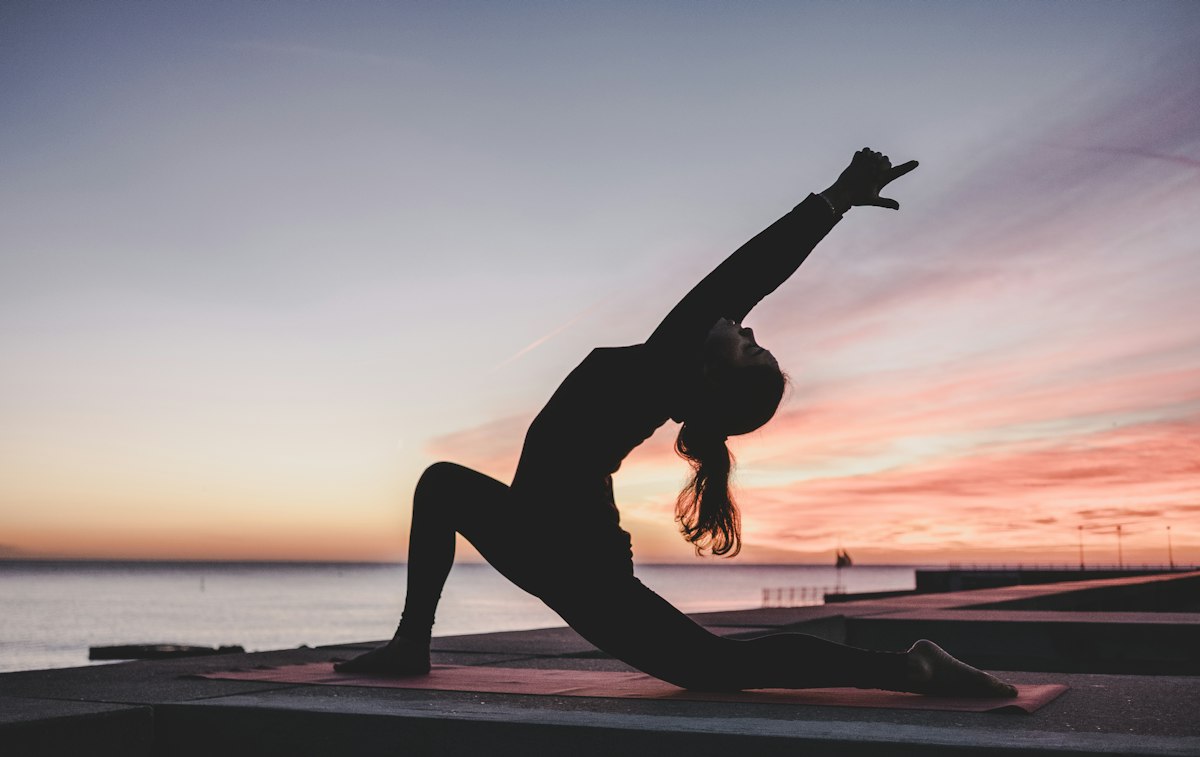
Rest isn’t lazy. It’s when your body actually gets stronger.
Your muscles don’t get stronger during your workouts; they get stronger when you rest.
That’s why recovery is a non-negotiable part of this plan. Schedule at least one or two rest days each week. Rest doesn’t have to mean sitting on the couch all day. You can opt for active recovery, like a long walk, gentle stretching, or foam rolling.
This helps reduce muscle soreness and prepares your body for the next workout.
How to Stay Motivated During a 30-Day Fitness Challenge
Motivation can come and go, which is why discipline is key. But there are ways to keep your fire lit.
First, remember your “why.” Why did you start this challenge? Write it down and put it somewhere you’ll see it every day.
Second, find a community. Working out with others, even virtually, can provide the accountability you need.
And finally, focus on how you feel. The feeling of contentment after a workout is 100 times better than the feeling of regret from skipping it. Celebrate your progress, whether it’s doing more reps or just having more energy.
Overcome Common Obstacles
Life happens, and obstacles are inevitable. The two biggest hurdles for most people are a lack of time and motivation.
The key to overcoming the time barrier is to schedule your workouts like you would any other important appointment. Block it off in your calendar and treat it as non-negotiable.
When motivation dips, lean on your discipline and your community. If you’re struggling to push yourself, a workout partner or group class can provide the structure and energy you need.
Equipment for Your 30-Day Fitness Challenge for Beginners

You don’t need a full home gym. A few basics are enough.
Before you jump into day one, let’s get you set up for success. Having the right tools and a dedicated space can make all the difference between sticking with the challenge and falling off track.
The good news is, you don’t need a full home gym to get incredible results. The focus here is on creating an environment that makes it easy and enjoyable to show up for yourself every day.
Your Basic Equipment Checklist
You can get a fantastic full-body workout using just your bodyweight, but adding a few simple pieces of equipment can add variety and challenge.
Here’s a simple checklist to get you started:
- Dumbbells: A light and a medium set are perfect. Many people start with something like 6-pound and 10-pound weights, but the most important thing is to choose weights that feel challenging but manageable for you.
- Workout Mat: A mat provides cushioning and support for floor exercises like planks, push-ups, and core work.
- Supportive Workout Gear: Comfortable clothes and a good pair of training shoes are non-negotiables for feeling good and preventing injury.
Set Up Your Workout Space
Your environment plays a huge role in your motivation. Designate a specific spot in your home for your workouts, even if it’s just a small corner of your living room.
Clear the area of clutter so you have enough space to move freely. Make it a place you want to be. Maybe that means opening a window for fresh air, setting up a speaker for your favorite playlist, or making sure you have a mirror to check your form.
This small step of creating a dedicated zone helps signal to your brain that when you’re here, it’s time to focus on your fitness.
Helpful Fitness Apps and Programs
Fitness apps are incredible tools for staying on track, accessing guided workouts, and keeping your motivation high. They can provide structure and take the guesswork out of your daily routine.
Here are a few of the best apps to support your 30-day challenge:
- Nike Training Club: A powerhouse of variety. It offers a massive library of workouts, from strength and cardio to yoga and mobility, led by world-class trainers.
- Fitbod: If you want a truly personalized plan, Fitbod creates workouts for you based on your specific goals, available equipment, and past performance.
- Strava: While many know Strava for tracking runs and bike rides, it’s also a powerful tool for logging any type of workout. The social component is its biggest strength.
- MyFitnessPal: Your results are built in the gym and revealed in the kitchen. MyFitnessPal makes it simple to log your meals and monitor your intake.
- Peloton Digital: You don’t need the bike or tread to benefit from Peloton. The app gives you access to thousands of live and on-demand classes, including strength training, HIIT, yoga, and stretching.
How to Track Your Progress

Track more than just the scale. Notice how you feel, how your clothes fit, and how strong you’ve become.
Tracking your progress is one of the best ways to stay motivated. It provides tangible proof that your hard work is paying off.
But remember, the number on the scale is only one small piece of the puzzle. To get a full picture of your success, track a few different things.
Take photos at the beginning, middle, and end of the challenge. Notice how your clothes fit. Keep a simple journal where you log your workouts and jot down notes on how you feel — are you stronger? Do you have more energy?
Committing to tracking your journey helps you develop sustainable habits and see just how far you’ve come in 30 days.
How to Maximize Results in a 30-Day Fitness Challenge

You can’t out-train a poor diet. Fuel your body right.
You’re putting in the work, showing up for every session, and pushing yourself. That’s huge.
But to truly get the most out of this 30-day challenge, you need to think beyond the time you spend working out. Your results are built not just during your sweat sessions, but in the hours between them.
It’s about how you move, eat, rest, and recover. Let’s get into the key habits that will help you see and feel the biggest changes.
Focus on Proper Form
This is non-negotiable. Sacrificing form for speed is a fast track to injury and stalled progress.
When you’re learning a new exercise, start with the bodyweight version first. Watch yourself in a mirror or record a video to check your alignment. Proper form ensures you’re targeting the right muscles and getting the full benefit of every single rep.
It’s always better to do five perfect push-ups than 20 sloppy ones. Quality over quantity, every time.
Fuel Your Body Right
You can’t out-train a poor diet. Think of food as the fuel your body needs to perform and recover.
This isn’t about restriction; it’s about giving your muscles the nutrients they need to repair and grow stronger. Focus on a balanced diet rich in protein, complex carbohydrates, and healthy fats.
Hydration is also key, so keep a water bottle handy throughout the day. Eating well will not only support your workouts but will also give you more energy to tackle the rest of your day.
Prioritize Recovery
Your muscles don’t get stronger during the workout; they get stronger when they rest and repair afterward.
Recovery is just as important as the training itself. This means taking your rest days seriously — they are when the magic happens. Don’t be afraid to take an extra day off if your body is telling you it needs it.
Listening to your body is a skill, and this challenge is the perfect time to practice. Incorporate stretching or foam rolling to help ease muscle soreness.
Optimize Your Sleep

Sleep is when your body repairs muscle and regulates hormones. Aim for 7-9 hours.
If you’re serious about your results, you need to get serious about your sleep.
This is when your body does most of its heavy lifting for muscle repair and hormone regulation. Aim for 7-9 hours of quality sleep per night. Poor sleep can tank your performance, slow your recovery, and even make you more prone to injury.
Creating a relaxing bedtime routine can make a huge difference. Good sleep hygiene is one of the most effective tools in your fitness arsenal.
Prevent Common Injuries
Nothing derails a fitness challenge faster than an injury. The best way to prevent one is to pay close attention to your body.
Warm up properly before every workout to prepare your muscles, and cool down afterward to aid recovery. Learn the difference between the discomfort of a challenging workout and the sharp pain of an injury.
If something doesn’t feel right, stop. It’s always better to modify an exercise or take a break than to push through pain and end up sidelined.
Build a Support System

A workout partner keeps you accountable and makes the journey more fun.
Doing this alone is tough. Having people in your corner can make all the difference when your motivation starts to dip.
Share your goals with a friend or family member who can cheer you on. Better yet, find a workout buddy to tackle the challenge with you. The energy of a group setting is powerful. Knowing others are on the same journey with you is a powerful motivator.
Create Habits That Last
The real goal of a 30-day challenge isn’t just to survive for a month — it’s to build habits that stick around for the long haul.
Use this time to find workouts you genuinely enjoy and learn how to fit exercise into your schedule consistently. The consistency you build over these 30 days is the foundation for a lasting fitness routine.
Think of this challenge as a launchpad for a healthier, stronger lifestyle, not just a temporary sprint.
Set Progressive Goals
Seeing progress is what keeps you going. But it’s important to set realistic expectations.
You won’t transform your body overnight. Instead, focus on small, progressive goals. Maybe your goal for week one is to master the form of a squat. In week two, you aim to add a few more reps.
Celebrating these small wins will keep you motivated. Setting progressive goals helps you build momentum and ensures you’re consistently challenging yourself in a smart, sustainable way.
What to Do After Your 30-Day Fitness Challenge

The end of the challenge is just the beginning. Keep the momentum going.
You did it. You committed for 30 days and pushed through every workout. Take a moment to celebrate that accomplishment — it’s a big deal.
The end of a challenge can feel like crossing a finish line, but it’s really just the beginning of what you can achieve. The habits you’ve built and the strength you’ve gained are the perfect foundation for a lasting fitness routine.
The big question is: what comes next?
Adapt Your Workouts for a New Routine
Your body is smart. If you keep doing the same exercises at the same intensity, it will eventually adapt and your progress will slow down.
To avoid hitting a plateau, you need to switch things up. This doesn’t mean you have to abandon the workouts you’ve come to enjoy; it just means it’s time to introduce some variety.
You can start by applying the principle of progressive overload — gradually increasing the weight, frequency, or number of repetitions in your strength training. Or, you could swap out a few exercises for new movements that target the same muscle groups.
Maintain Your Momentum
The structure of a 30-day challenge
Related Stories
 20 Low-Calorie Foods for Weight Loss: Healthy Foods That Keep You Full
 15 Healthy Foods High in Fiber and Protein for a Healthy Diet
 20 Healthy Snacks for Weight Loss: Easy Ideas to Stop Hunger
 Healthy Meal Plan for Weight Loss: A Simple Weekly Guide
 How to Stay Motivated to Lose Weight: 15 Proven Tips That Really Work
 30 Day Weight Loss Challenge: A Simple Plan to Get Started
Trusted Sources
For additional evidence-based information about physical activity and healthy eating:
CDC — Physical Activity Guidelines
World Health Organization — Physical Activity Recommendations