
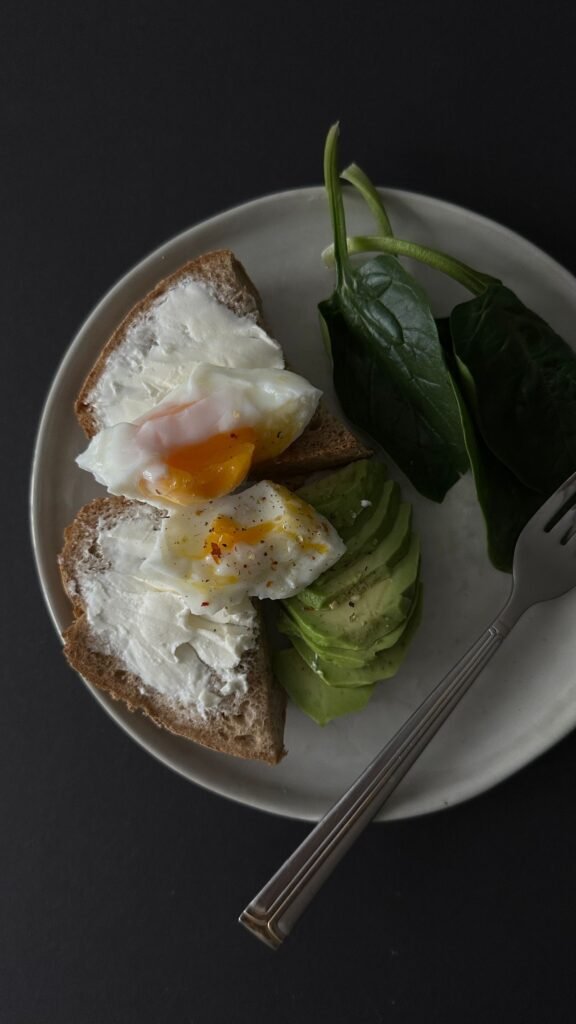
Losing weight is not only about exercising; your daily food choices play an important role in achieving a healthier body. A balanced Healthy Meal Plan can help you organize your meals, control portions, get essential nutrients, maintain energy, and create long-term healthy eating habits.
Many beginners struggle with weight loss because they follow extreme diets that are difficult to maintain. The best approach is choosing nutritious foods, creating balanced meals, and following a plan that fits your lifestyle.
This beginner’s guide explains how to create a Healthy Meal Plan that supports weight loss while helping you feel satisfied and energized.
Nutrition Tips for stronger body
What Is a Healthy Meal Plan?
A Healthy Meal Plan is a structured approach to eating that includes balanced portions of protein, carbohydrates, healthy fats, vitamins, minerals, and fiber.
Instead of deciding what to eat every day at the last minute, meal planning allows you to prepare your meals in advance. This can make healthy eating easier, especially when you have a busy schedule.
A good meal plan focuses on:
- Nutritious whole foods
- Proper portion sizes
- Balanced meals
- Enough protein
- Plenty of fruits and vegetables
- Fiber-rich foods
- Healthy fats
- Consistent eating habits
The goal is not to completely avoid certain foods. Instead, the goal is to create a sustainable way of eating that you can follow for the long term.
For additional nutrition guidance, the USDA MyPlate provides information about food groups and healthy eating patterns.
Top 15 healthy breakfast
Why Is a Healthy Meal Plan Important for Weight Loss?
Creating a Healthy Meal Plan can make it easier to build consistent eating habits. Instead of relying on convenience foods whenever you become hungry, you already have nutritious options available.
1. Helps Control Calories
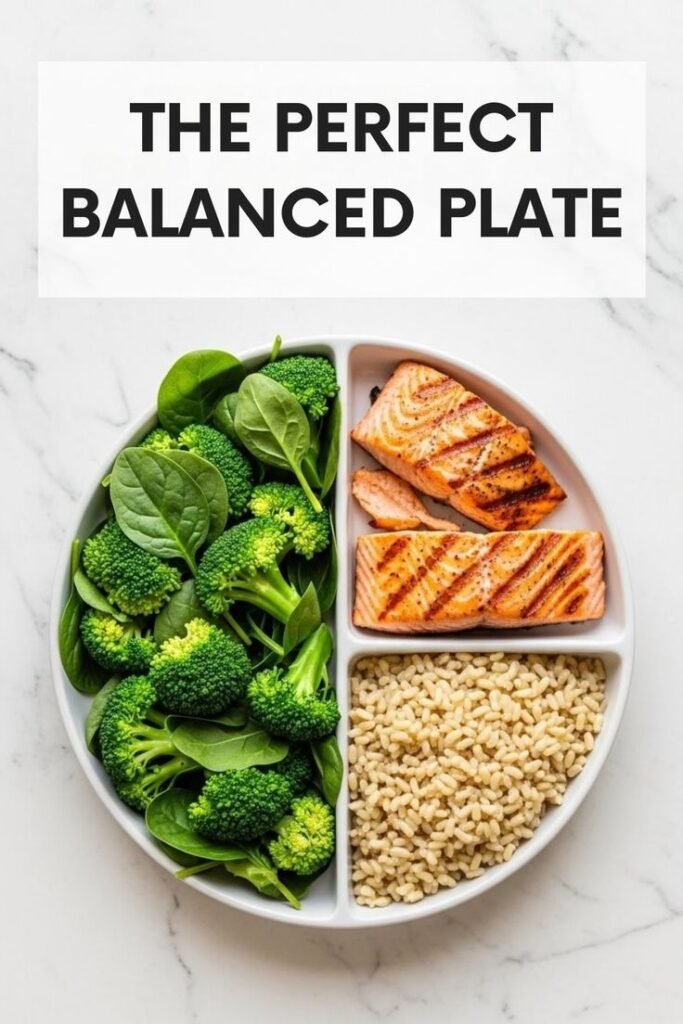
Weight loss generally occurs when your body uses more energy than you consume over time. A planned diet can help you make better food choices and avoid unnecessary calories.
For example, preparing meals at home can make it easier to control how much oil, sugar, sauces, and other calorie-dense ingredients you use.
You do not need to count every calorie to make healthier choices. However, understanding portions and choosing nutrient-dense foods can help you manage your overall intake.
2. Keeps You Full Longer
Foods rich in protein and fiber can help you feel satisfied after meals.
Examples include:
- Eggs
- Chicken
- Beans
- Lentils
- Vegetables
- Fruits
- Whole grains
- Greek yogurt
Combining protein, fiber, and other nutritious foods can create meals that keep you satisfied between meals.
3. Provides Energy

A balanced meal plan gives your body the energy needed for workouts, daily activities, work, walking, and recovery.
Carbohydrates are an important source of energy. Instead of eliminating carbohydrates, choose nutritious sources such as:
- Oats
- Brown rice
- Potatoes
- Sweet potatoes
- Whole grains
- Fruits
- Beans
4. Supports Muscle Maintenance
Eating enough protein helps support muscle maintenance while losing weight, particularly when combined with resistance training.
Protein sources such as eggs, fish, chicken, beans, lentils, and Greek yogurt can easily be included in a balanced meal plan.
For more information about protein and nutrition, the Harvard T.H. Chan School of Public Health Nutrition Source provides useful evidence-based nutrition information.
Key Components of a Healthy Meal Plan
A balanced meal should include different types of nutrients. You do not need to make every meal perfect, but including a variety of foods throughout the day can help you get the nutrients your body needs.
1. Protein
Protein is important for muscle repair, growth, and many other functions in the body. It can also help make meals more satisfying.
Healthy protein sources include:
- Eggs
- Chicken
- Fish
- Lean meat
- Greek yogurt
- Cottage cheese
- Beans
- Lentils
- Tofu
Try to include a source of protein in your breakfast, lunch, and dinner.
2. Healthy Carbohydrates
Carbohydrates provide energy for your body and workouts.
Good choices include:
- Brown rice
- Oats
- Sweet potatoes
- Potatoes
- Whole-grain bread
- Quinoa
- Fruits
- Beans
Whole grains and other high-fiber carbohydrate sources can be particularly useful for creating filling meals.
3. Healthy Fats
Healthy fats are an important part of a balanced diet and support normal body functions.
Examples include:
- Avocado
- Nuts
- Seeds
- Olive oil
- Fatty fish
- Peanut butter
Although these foods are nutritious, portion sizes still matter because fats contain a relatively high amount of energy.
4. Fruits and Vegetables
Fruits and vegetables provide vitamins, minerals, fiber, and other beneficial nutrients.
Try to include different colors throughout the day.
Examples include:
- Spinach
- Broccoli
- Carrots
- Tomatoes
- Peppers
- Cabbage
- Apples
- Bananas
- Berries
- Oranges
A useful guide for creating balanced meals is the Harvard Healthy Eating Plate.
Beginner Healthy Meal Plan for Weight Loss
Here is a simple example of a daily Healthy Meal Plan.
Breakfast
Choose one:
- Oatmeal with fruits and nuts
- Eggs with vegetables
- Greek yogurt with berries
- Whole-grain toast with eggs
- Overnight oats with fruit
A balanced breakfast can provide protein, fiber, and carbohydrates to help you start your day.
Morning Snack
Options:
- Apple with peanut butter
- A small portion of nuts
- Greek yogurt
- Fresh fruit
- Cottage cheese
You do not necessarily need a snack if you are not hungry. Snacks can be useful when they fit your schedule and nutritional needs.
Lunch
Choose:
- Grilled chicken with brown rice and vegetables
- Fish with salad and whole grains
- Beans with vegetables
- Chicken and vegetable wrap
- Lentil bowl with salad
A balanced lunch can help provide energy and nutrients for the afternoon.
Afternoon Snack
Options:
- Cottage cheese
- Boiled eggs
- Fruit
- Greek yogurt
- Protein smoothie
Choose a snack that fits your hunger level and daily needs.
Dinner
Choose:
- Lean protein with vegetables
- Chicken or fish with sweet potatoes
- Lentil soup with a side salad
- Beans with brown rice and vegetables
- Grilled fish with roasted vegetables
Dinner does not need to be extremely small. Focus on balanced portions and nutritious ingredients.
The FDA Nutrition Facts Label guide can help you understand serving sizes and nutrition information when choosing packaged foods.
7-Day Healthy Meal Plan Example
Planning several days ahead can make healthy eating easier.
Monday
Breakfast: Oatmeal with berries and nuts
Lunch: Grilled chicken with brown rice and vegetables
Snack: Greek yogurt with fruit
Dinner: Baked fish with sweet potatoes and salad
Tuesday
Breakfast: Eggs with whole-grain toast and tomatoes
Lunch: Beans with brown rice and vegetables
Snack: Apple with peanut butter
Dinner: Chicken with roasted vegetables and potatoes
Wednesday
Breakfast: Greek yogurt with berries, oats, and seeds
Lunch: Tuna salad with whole-grain bread
Snack: Cottage cheese with fruit
Dinner: Lentil soup with vegetables and a side salad
Thursday
Breakfast: Overnight oats with banana
Lunch: Chicken wrap with vegetables
Snack: Boiled eggs and fruit
Dinner: Grilled fish with rice and vegetables
Friday
Breakfast: Vegetable omelet with whole-grain toast
Lunch: Beans, rice, and salad
Snack: Greek yogurt with berries
Dinner: Lean meat with sweet potatoes and vegetables
Saturday
Breakfast: Oatmeal with banana and peanut butter
Lunch: Chicken salad with whole grains
Snack: Fruit and a small portion of nuts
Dinner: Baked fish with vegetables and potatoes
Sunday
Breakfast: Eggs with avocado and whole-grain toast
Lunch: Lentil and vegetable bowl
Snack: Greek yogurt with fruit
Dinner: Grilled chicken with rice and vegetables
You can change these meals according to your preferences, budget, schedule, and available ingredients.
Foods to Include in Your Weight Loss Meal Plan
High Protein Foods
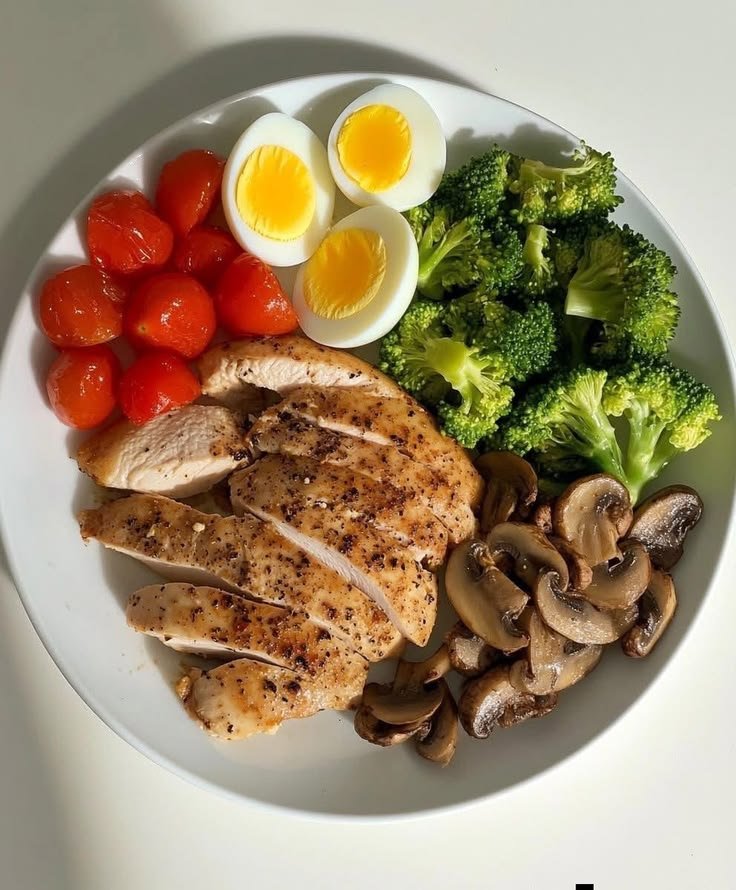
Protein can help support muscle maintenance and make meals more satisfying.
Examples:
- Chicken breast
- Eggs
- Fish
- Lean meat
- Beans
- Lentils
- Greek yogurt
- Cottage cheese
- Tofu
Try to include a protein source in your main meals.
High Fiber Foods
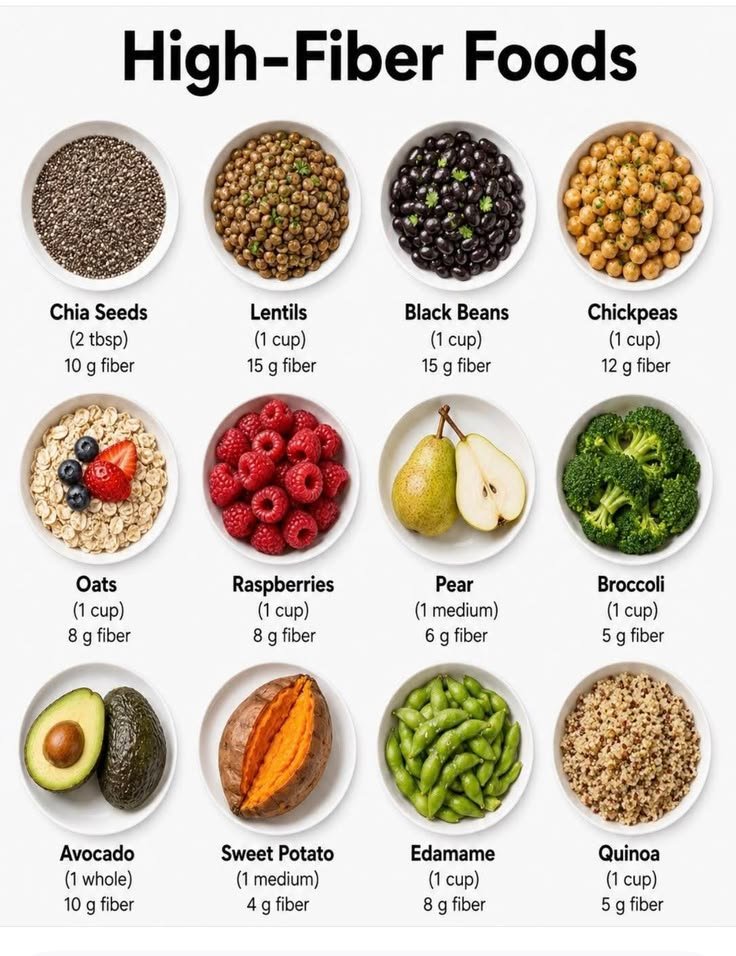
Fiber supports digestive health and can help you feel full.
Examples:
- Vegetables
- Fruits
- Oats
- Whole grains
- Beans
- Lentils
- Seeds
Increasing fiber gradually while drinking enough fluids can make it easier to include more fiber-rich foods in your diet.
Nutrient-Dense Foods
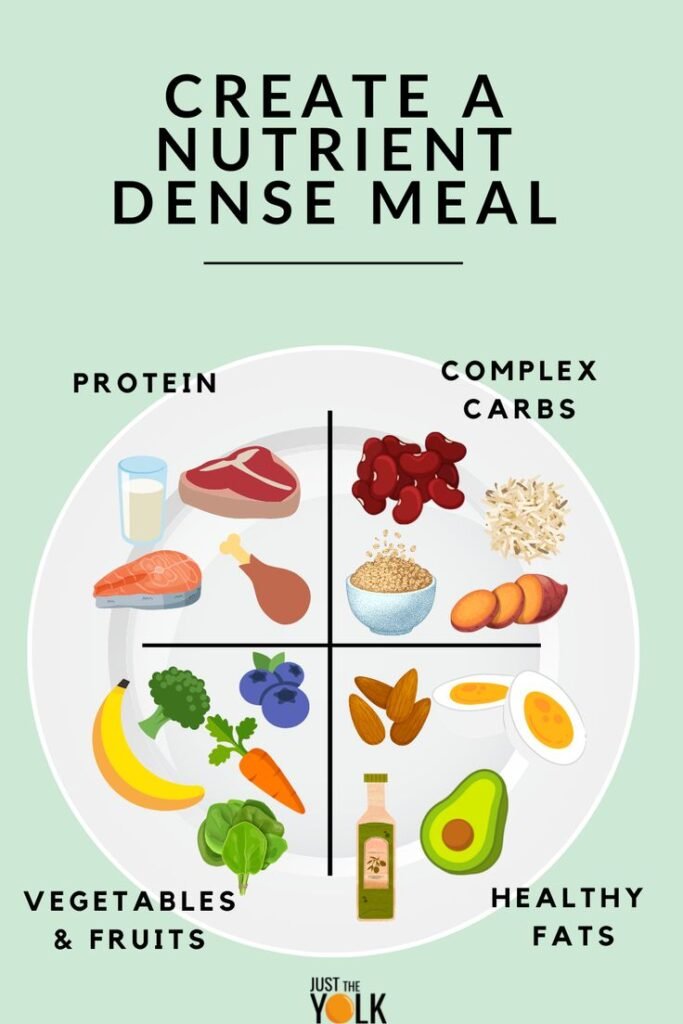
Nutrient-dense foods provide important nutrients while helping you create balanced meals.
Examples:
- Leafy greens
- Cucumbers
- Tomatoes
- Broccoli
- Carrots
- Berries
- Beans
- Eggs
- Fish
Foods to Limit for Better Weight Loss Results
You do not need to completely remove foods from your diet, but some foods can be easy to overconsume.
Try to limit:
- Sugary drinks
- Highly processed snacks
- Fast food
- High-sugar desserts
- Large portions of fried foods
- Sweetened coffee drinks
- High-calorie sauces
Instead of completely banning these foods, focus on frequency and portion sizes.
For example, drinking water instead of sugary beverages most of the time can be a simple way to reduce unnecessary calories.
For information about added sugars and healthy eating, visit the CDC Nutrition page.
10 best high protein food
Meal Planning Tips for Beginners
1. Prepare Meals in Advance
Meal preparation saves time and helps you avoid unhealthy choices when you are busy.
You can prepare:
- Chicken
- Rice
- Boiled eggs
- Chopped vegetables
- Overnight oats
- Healthy snacks
You do not have to prepare every meal for the entire week. Preparing two or three days of meals can already make your routine easier.
2. Plan Your Weekly Meals
Create a simple schedule before shopping for groceries.
Write down:
- Breakfast
- Lunch
- Dinner
- Snacks
Then create your grocery list based on the meals you selected.
3. Control Portion Sizes
Even healthy foods can contribute significant calories when eaten in very large amounts.
Pay attention to serving sizes and your hunger levels.
4. Drink Enough Water
Water supports normal body functions and is a useful alternative to sugary drinks.
Keep water available throughout the day, particularly during physical activity and hot weather.
5. Do Not Skip Meals Automatically
Some people find that skipping meals makes them extremely hungry later.
Instead, choose an eating routine that works for your schedule and helps you maintain balanced food choices.
How to Create a Healthy Grocery List
A grocery list can make your Healthy Meal Plan easier to follow.
Divide your list into categories.
Protein
- Chicken
- Eggs
- Fish
- Greek yogurt
- Beans
- Lentils
Carbohydrates
- Oats
- Brown rice
- Potatoes
- Sweet potatoes
- Whole-grain bread
Vegetables
- Spinach
- Broccoli
- Carrots
- Tomatoes
- Peppers
- Cabbage
Fruits
- Apples
- Bananas
- Oranges
- Berries
Healthy Fats
- Avocado
- Nuts
- Seeds
- Olive oil
- Peanut butter
Before shopping, check your kitchen to see what you already have. This can reduce unnecessary spending and food waste.
Healthy Meal Plan and Exercise
A Healthy Meal Plan works best alongside regular physical activity and other healthy lifestyle habits.
For better overall fitness:
- Include strength training
- Add cardiovascular activity
- Eat enough protein
- Stay hydrated
- Get adequate sleep
- Remain consistent
Nutrition and exercise work together to support your overall health.
If you are beginning an exercise routine, start gradually and choose activities that you enjoy.
Healthy food that helps burn fat
Common Beginner Mistakes
Following Extreme Diets
Very restrictive diets can be difficult to maintain and may make healthy eating feel stressful.
A sustainable meal plan should allow variety and flexibility.
Eating Too Little
Reducing your food intake too aggressively can leave you tired and hungry.
Instead, focus on nutritious foods and appropriate portions.
Ignoring Protein
Protein is important for muscle maintenance and recovery.
Include foods such as eggs, chicken, fish, beans, lentils, or Greek yogurt.
Eating Too Many “Healthy” Snacks
Healthy foods can still contain calories.
Foods such as nuts, peanut butter, dried fruit, granola, and oils can be nutritious but energy-dense.
Portion awareness is still important.
Expecting Fast Results
Healthy weight management takes time.
Daily changes on the scale can also happen because of water, food intake, and other factors.
Focus on your long-term habits rather than expecting dramatic changes immediately.
How to Make Your Healthy Meal Plan Easier
Your meal plan should fit your real lifestyle.
If you work long hours, choose meals that require little preparation.
If you enjoy cooking, you can prepare more recipes.
If you have a limited budget, focus on affordable foods such as:
- Eggs
- Oats
- Beans
- Lentils
- Rice
- Potatoes
- Seasonal vegetables
- Frozen vegetables
You do not need expensive specialty foods to create nutritious meals.
Simple ingredients can be combined in many different ways.
For example, cooked chicken can be used in salads, wraps, rice bowls, and sandwiches.
How to Stay Consistent With Your Meal Plan
Creating a plan is only the first step. Building a routine is what makes it useful.
Keep Healthy Foods Available
Keep fruit, yogurt, vegetables, eggs, and other convenient foods ready to eat.
Prepare Before You Get Hungry
Cooking when you are already extremely hungry can make fast food more tempting.
Prepare some ingredients in advance so you have quick options available.
Repeat Successful Meals
If you find a healthy meal you enjoy, add it to your regular rotation.
You do not need a completely different meal every day.
Keep Your Plan Flexible
Unexpected events happen.
If you eat something different from your planned meal, simply return to your routine at the next meal.
One meal does not determine your overall progress.
Focus on Progress
Your eating habits do not need to be perfect every day.
What matters is your overall pattern over time.
Healthy Meal Plan for Busy People
A busy schedule does not mean you have to give up healthy eating.
You can prepare simple meals using a few basic ingredients.
Quick Breakfast Options
- Overnight oats
- Boiled eggs and fruit
- Greek yogurt with berries
- Whole-grain toast with eggs
Quick Lunch Options
- Chicken and rice
- Tuna salad
- Bean bowl
- Chicken wrap
Quick Dinner Options
- Grilled chicken and vegetables
- Fish and potatoes
- Lentil soup
- Beans and rice
Quick Snacks
- Fruit
- Yogurt
- Nuts
- Boiled eggs
The goal is convenience without relying on highly processed foods for every meal.
How to Prepare Your Meals for the Week
Choose one day each week for meal preparation.
Start by checking your schedule and deciding which meals you need.
Then:
- Create your weekly meal plan.
- Make your grocery list.
- Buy the ingredients you need.
- Wash and prepare vegetables.
- Cook protein sources.
- Prepare rice, potatoes, or other carbohydrates.
- Portion meals into suitable containers.
- Store foods properly.
- Keep quick snacks ready.
You do not need to cook every meal at once.
Preparing basic ingredients can be enough to make cooking during the week much easier.
For food storage and preparation guidance, the USDA Food Safety and Inspection Service provides information about safe food handling, preparation, storage, and leftovers.
How to Adjust Your Healthy Meal Plan
Your nutritional needs can vary depending on your activity level, goals, schedule, preferences, and other individual factors.
If you frequently feel hungry, look at whether your meals contain enough protein, fiber, vegetables, and overall food.
If your meals are consistently much larger than you need, review your portions.
You can also change your meal plan when your schedule changes.
The best Healthy Meal Plan is not necessarily the most complicated one. It is the one that you can realistically follow.
Healthy Meal Plan for the Whole Family
A meal plan does not have to be completely different for every person in your household.
You can prepare a basic meal and allow each person to adjust the portions or ingredients according to their preferences.
For example, prepare:
- Chicken
- Rice
- Vegetables
- Beans
- Salad
One person may choose more vegetables, while another may prefer more rice.
This approach makes healthy cooking easier and can reduce the need to prepare several completely different meals.
How to Save Money With a Healthy Meal Plan
Healthy eating does not always require expensive ingredients.
Affordable foods can form the foundation of nutritious meals.
Consider:
- Oats
- Eggs
- Beans
- Lentils
- Rice
- Potatoes
- Seasonal vegetables
- Frozen vegetables
- Bananas
Planning your meals before shopping can also reduce impulse purchases.
You can save more money by using leftovers creatively.
For example, leftover chicken from dinner can become a lunch salad or wrap the next day.
How to Handle Eating Out
Following a Healthy Meal Plan does not mean you can never eat at a restaurant.
When eating out, consider:
- Grilled rather than heavily fried foods
- Vegetables or salad as a side
- Water or an unsweetened drink
- Smaller portions when available
- Sauces and dressings on the side
You can also choose to enjoy your favorite meal occasionally without feeling guilty.
The goal is balance rather than perfection.
How to Stay Motivated
Healthy eating becomes easier when you focus on habits instead of quick results.
Set small goals such as:
- Preparing meals twice a week
- Eating vegetables with lunch and dinner
- Drinking more water
- Including protein with breakfast
- Preparing healthy snacks
Celebrate improvements in your habits rather than focusing only on the number on the scale.
If you have a setback, simply continue with your next healthy choice.
Final Thoughts
A Healthy Meal Plan is one of the best tools for achieving sustainable weight management and improving your overall eating habits.
By choosing nutritious foods, balancing your meals, preparing food in advance, and creating consistent habits, you can make healthy eating easier and more convenient.
Start with simple meals. Include protein, vegetables, fruits, whole grains, and healthy fats. Drink water regularly and pay attention to portion sizes.
You do not need to completely eliminate the foods you enjoy. Instead, create an eating pattern where nutritious foods make up most of your meals while less nutritious choices are enjoyed in moderation.
Remember that healthy weight management is a long-term process. Focus on habits that you can maintain rather than extreme restrictions that are difficult to follow.
With a realistic Healthy Meal Plan, consistent physical activity, and patience, you can build a healthier lifestyle that supports your body, fitness goals, and long-term wellness.