

Starting a weight loss journey can be exciting, but it can also become frustrating when you work hard and do not see the results you expect. You may be eating healthier, exercising regularly, and trying to improve your lifestyle, yet the scale may not seem to change.
If you are wondering why you’re not losing weight, there may be several reasons. Your nutrition, activity level, sleep, stress, daily habits, portion sizes, and consistency can all affect your progress.
The good news is that slow progress does not automatically mean you are doing everything wrong. Sometimes the problem is not one major mistake but several small habits that add up over time.
Understanding why you’re not losing weight can help you identify what may be holding you back and make practical changes that fit your lifestyle.
In this article, we will explain 10 reasons why you’re not losing weight and show you simple ways to improve your routine.
If motivation is one of your biggest challenges, read our guide on how to stay motivated to lose weight for additional strategies.
Why You’re Not Losing Weight
Weight loss can be affected by much more than just food and exercise.
Your daily routine, sleep, stress, activity levels, eating habits, and expectations can all influence your progress.
Some common reasons why you’re not losing weight include:
- Eating more calories than you realize
- Not eating enough protein
- Not tracking your progress
- Being inconsistent with your diet
- Following an ineffective workout routine
- Not getting enough sleep
- Experiencing too much stress
- Drinking too many calories
- Expecting results too quickly
- Not adjusting your plan
The important thing is not to blame yourself. Instead, use these factors as a checklist to determine where your routine may need improvement.
1. You’re Eating More Calories Than You Think
One of the most common reasons why you’re not losing weight is consuming more calories than your body needs over time.
You may be eating healthy foods but still consuming more energy than your body uses.
This can happen because some nutritious foods are also calorie-dense. Examples include:
- Nuts
- Peanut butter
- Avocado
- Cooking oils
- Cheese
- Sauces
- Dressings
- Snacks
- Large portions of whole grains
For example, adding a lot of oil to vegetables or salads can significantly increase the calorie content of a meal without making the meal look much larger.
This does not mean you need to avoid healthy fats or nutritious foods. Instead, becoming more aware of portions can help you make better decisions.
How to Fix It
Try these simple strategies:
- Pay attention to portion sizes
- Read nutrition labels
- Track your meals temporarily
- Limit mindless snacking
- Measure calorie-dense ingredients
- Be aware of sauces and dressings
- Build balanced meals
You do not necessarily need to count calories forever. Tracking your food for a short period can simply help you understand how much you are actually eating.
The goal is not to eat as little as possible. The goal is to create a sustainable eating pattern that supports your health and weight-loss goals.
Focus on Food Quality and Portions
Healthy eating involves both food quality and quantity.
A meal can contain vegetables, whole grains, and healthy fats but still provide more calories than you need if portions are very large.
Try using a balanced plate approach with vegetables, a protein source, a moderate amount of carbohydrates, and a source of healthy fats.
2. You’re Not Eating Enough Protein
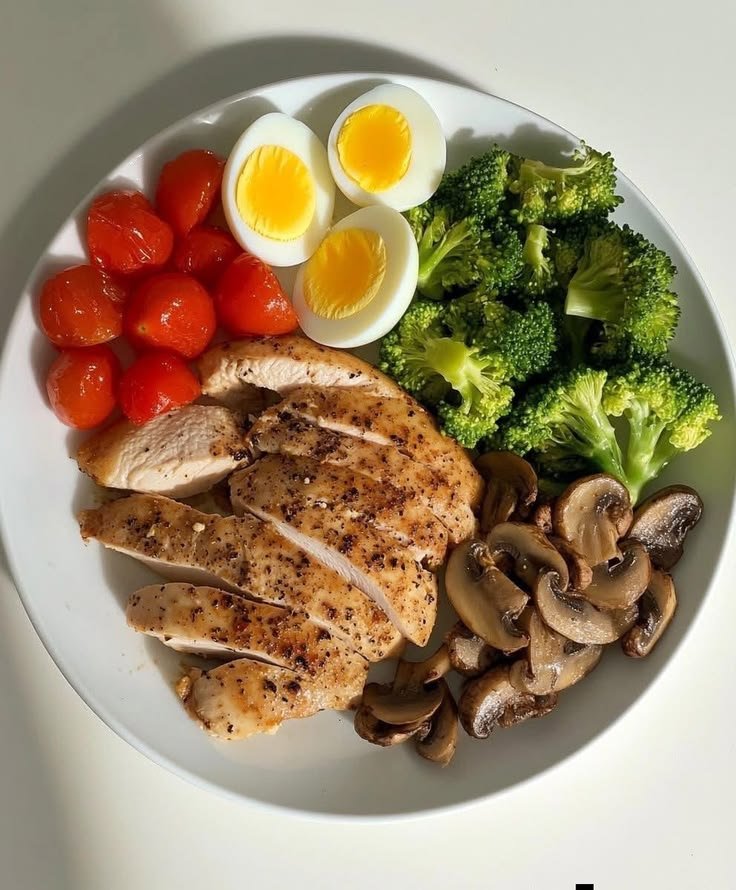
Another possible reason why you’re not losing weight is that your meals may not contain enough protein.
Protein is an important nutrient for maintaining muscle and supporting recovery. It can also help you feel satisfied after meals.
If your meals contain very little protein, you may find it harder to manage hunger and maintain muscle while losing weight.
Good protein sources include:
- Eggs
- Chicken
- Fish
- Lean meat
- Beans
- Lentils
- Greek yogurt
- Cottage cheese
- Tofu
- Other protein-rich foods
How to Fix It
Try including a source of protein in your main meals.
For example:
Breakfast: Eggs with vegetables and whole-grain toast.
Lunch: Chicken with vegetables and brown rice.
Dinner: Fish with vegetables and sweet potatoes.
Snack: Greek yogurt with fruit.
Your ideal protein intake depends on factors such as your body size, activity level, health status, and goals.
You do not need to consume extremely large amounts of protein to lose weight.
The important thing is to include adequate protein as part of a balanced diet.
3. You’re Not Tracking Your Progress Correctly
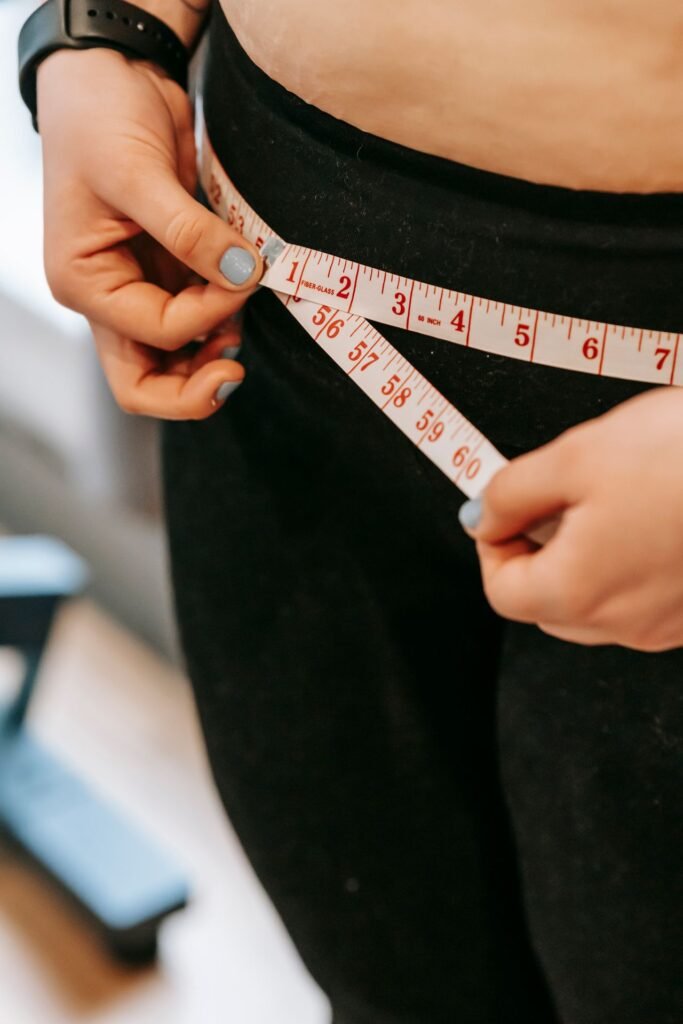
If you only look at the scale, you may miss other signs of improvement.
Body weight naturally changes from day to day because of factors such as water retention, food intake, exercise, digestion, and other normal fluctuations.
This is one reason people sometimes think they are not losing weight when their body composition or measurements may actually be changing.
How to Fix It
Track several types of progress, including:
- Body weight trends
- Waist measurements
- Progress photos
- Workout performance
- Energy levels
- Exercise consistency
- How your clothes fit
Instead of becoming concerned about one day’s number, look at your weight trend over several weeks.
Our article about Weight Loss Progress and how to track your results can help you understand different ways to monitor your journey.
Remember, progress is not always visible on the scale.
Why the Scale Can Be Misleading
Your body weight can temporarily increase because of water retention, a salty meal, hormonal changes, digestion, or increased exercise.
That does not necessarily mean you gained body fat.
If the scale has not changed for a few days, do not immediately assume your plan has failed.
Look at the bigger picture.
4. You’re Not Consistent With Your Diet
You may eat healthy foods most of the week but regularly overeat on weekends, during social events, or at restaurants.
One meal does not ruin your progress.
However, repeated overeating can make it difficult to maintain the overall calorie deficit needed for weight loss.
This is another important factor when asking why you’re not losing weight.
For example, you might follow your eating plan carefully from Monday to Friday but consume significantly more food and drinks during the weekend.
Over time, those extra calories can reduce or eliminate the progress made during the week.
How to Fix It
Create a flexible eating routine that you can maintain.
Focus on:
- Balanced meals
- Reasonable portions
- Meal preparation
- Nutritious snacks
- Flexible food choices
- Moderation
You do not need a perfect diet.
You need a routine that works with your lifestyle.
Avoid the “All or Nothing” Approach
If you eat one high-calorie meal, you do not need to give up for the rest of the day.
Simply return to your normal eating routine at the next meal.
Consistency is more important than perfection.
5. Your Workout Routine May Need Improvement
Exercise is important, but simply exercising does not guarantee weight loss.
You may be exercising regularly but not getting the results you expect because your routine does not match your goals.
For example, doing the same low-intensity workout every day may improve fitness but may not provide enough challenge to continue progressing.
How to Fix It
Consider including a combination of:
- Strength training
- Cardio
- Walking
- Daily movement
- Mobility exercises
- Rest and recovery
Strength training can help maintain muscle, while cardio can improve cardiovascular fitness.
You do not need to exercise for several hours every day.
Instead, focus on consistency and gradually improving your fitness.
If you want an additional structured goal, check out our 30-Day Fitness Challenge.
Don’t Forget Daily Movement
Your workout is only one part of your activity.
If you exercise for 30 minutes but spend most of the remaining day sitting, your total daily activity may still be relatively low.
Try increasing movement throughout the day by:
- Walking more
- Taking short movement breaks
- Using stairs when appropriate
- Walking after meals
- Doing household activities
- Spending less time sitting
Small changes can add up.
6. You’re Not Getting Enough Sleep
Sleep is an important part of a healthy lifestyle.
Poor sleep can affect your energy, mood, food choices, and ability to stay active.
When you are tired, it can become harder to exercise and maintain healthy eating habits.
Sleep problems may also make it more difficult to stay consistent with your daily routine.
How to Fix It
Improve your sleep routine by:
- Going to bed at a consistent time
- Waking up at a consistent time
- Creating a relaxing bedtime routine
- Reducing unnecessary screen time before bed
- Keeping your bedroom comfortable
- Avoiding excessive caffeine late in the day
- Giving yourself enough time to sleep
Good sleep supports your overall health and can make healthy habits easier to maintain.
For additional information about sleep and health, you can visit the Centers for Disease Control and Prevention sleep resources.
7. You’re Experiencing Too Much Stress

Stress can make weight management more difficult for some people.
When you are stressed, you may experience stronger cravings, emotional eating, poor sleep, reduced motivation, or less physical activity.
Stress can also make it harder to follow the habits you planned.
How to Fix It
Find healthy ways to manage everyday stress.
You could try:
- Walking
- Exercise
- Relaxation activities
- Spending time with friends and family
- Taking regular breaks
- Journaling
- Mindfulness
- Breathing exercises
- Spending time outdoors
Managing stress is not only useful for weight management but also for your overall well-being.
Avoid Using Food as Your Main Stress Relief
It is normal to enjoy food.
However, if you regularly eat when you are stressed, bored, lonely, or upset rather than physically hungry, those extra calories can make weight loss more difficult.
Before reaching for a snack, ask yourself:
“Am I physically hungry, or am I eating because I feel stressed or bored?”
That simple question can help you become more aware of your eating habits.
8. You’re Drinking Too Many Calories
Sometimes people carefully monitor their meals but forget about calories in drinks.
Common examples include:
- Soft drinks
- Sweetened coffee
- Energy drinks
- Sweetened juices
- Sugary tea
- High-calorie smoothies
- Flavored drinks
These beverages can add significant calories without providing the same level of fullness as solid food.
How to Fix It
Choose drinks such as:
- Water
- Unsweetened tea
- Unsweetened coffee
- Sparkling water
- Other low-calorie options
Replacing sugary drinks with water can be a simple improvement to your daily routine.
You do not have to completely eliminate every drink you enjoy.
Instead, make water and other low-calorie beverages your usual choices.
9. You’re Expecting Results Too Quickly
Another reason why you’re not losing weight may be unrealistic expectations.
Weight loss does not happen at exactly the same rate every week.
You may lose more during one period and see little change during another.
Daily changes can also be caused by water retention and other normal fluctuations.
Social media can make this problem worse because people often share dramatic transformations without showing the entire process.
How to Fix It
Instead of focusing on quick results, focus on:
- Consistent habits
- Balanced nutrition
- Regular exercise
- Better sleep
- Stress management
- Long-term progress
Give your body time to respond to your lifestyle changes.
Stop Comparing Your Progress With Others
Everyone’s body and circumstances are different.
Two people can follow similar routines and experience different rates of progress.
Your goal should be to improve your own habits rather than match someone else’s timeline.
10. You’re Not Adjusting Your Plan
Your routine may work well at first but become less effective as your circumstances change.
Your activity level, eating habits, schedule, fitness level, and lifestyle can all change over time.
This means that a plan that worked several months ago may need to be adjusted.
How to Fix It
Review your routine regularly.
Look at:
- Your food portions
- Exercise routine
- Daily movement
- Sleep
- Stress
- Consistency
- Progress
- Weekend eating
- Snacking
Make small changes when necessary rather than completely starting over.
If your progress has genuinely stalled for several weeks, review your habits carefully before making major changes.
Other Factors That May Affect Weight Loss
The 10 reasons above are common, but they are not the only factors that may influence weight management.
Lack of Daily Movement
Even if you exercise several times a week, you may still spend most of your day sitting.
Try increasing your daily movement by:
- Walking more
- Taking short movement breaks
- Using stairs when appropriate
- Walking during breaks
- Staying active around the house
- Walking after meals
Small movements throughout the day can add up.
Certain Medical Conditions or Medications
Some medical conditions and medications can affect body weight or make weight management more difficult.
If you are consistently following healthy habits but are concerned about unexplained changes in your weight, consider speaking with a qualified healthcare professional.
For reliable information about weight management, visit the National Institute of Diabetes and Digestive and Kidney Diseases.
You should not stop or change prescribed medication without discussing it with your healthcare professional.
How to Improve Your Weight Loss Strategy
If you are asking why you’re not losing weight, start by reviewing your overall lifestyle instead of focusing on just one factor.
You do not need to completely change everything at once.
Choose one or two areas that need improvement and work on them consistently.
Eat Balanced Meals
Include a variety of nutritious foods such as:
- Vegetables
- Fruits
- Protein-rich foods
- Whole grains
- Healthy fats
- Beans and lentils
A balanced meal can help you get important nutrients while making your eating routine easier to maintain.
If you want more ideas, read our article about Healthy Meal Planning for Weight Loss.
Choose Better Snacks
Snacking can become a problem when portions are large or snacks are mostly highly processed foods.
Instead, choose nutritious options such as:
- Fruit
- Greek yogurt
- Eggs
- Nuts in moderate portions
- Vegetables with hummus
- Cottage cheese
- Air-popped popcorn
For more ideas, read our guide to 20 Healthy Snacks for Weight Loss.
Stay Active
Combine different types of movement, including:
- Strength training
- Cardio
- Walking
- Recreational activities
- Daily movement
You do not have to do every type of exercise every day.
Choose activities you enjoy and can continue doing regularly.
Track Your Progress
Use more than the scale to measure your results.
Track your:
- Weight trends
- Measurements
- Photos
- Workout performance
- Eating habits
- Daily activity
Tracking can help you identify patterns that you may otherwise overlook.
What to Do If Your Weight Has Stopped Changing
Sometimes you may lose weight initially and then experience a period where your weight appears to stop changing.
This can be frustrating.
Before making drastic changes, review your routine.
Ask yourself:
- Have my portions increased?
- Am I snacking more often?
- Have my weekend habits changed?
- Am I drinking more calories?
- Am I exercising less?
- Have I been sleeping poorly?
- Has my daily movement decreased?
- Am I consistently following my plan?
Answering these questions honestly can help you identify what may have changed.
If you have been following your routine consistently and your progress remains concerning, consider discussing it with a qualified healthcare professional.
How to Stay Motivated When Progress Is Slow
Slow progress can be frustrating, but it does not mean you should give up.
Try to:
- Set realistic goals
- Celebrate small improvements
- Focus on consistency
- Prepare meals ahead
- Keep workouts manageable
- Track your progress
- Avoid comparing yourself with others
- Focus on habits instead of perfection
For more practical ideas, read our guide on Fitness Motivation and staying consistent with your workouts.
Motivation can change from day to day.
Instead of depending only on motivation, create routines that make healthy choices easier.
Simple Daily Weight Loss Checklist
A simple checklist can help you stay focused.
Morning
- Drink water
- Eat a balanced breakfast if you are hungry
- Plan your meals
- Prepare healthy snacks
During the Day
- Drink enough water
- Eat vegetables and fruit
- Include protein with meals
- Stay physically active
- Avoid unnecessary snacking
Evening
- Eat a balanced dinner
- Avoid excessive late-night eating
- Prepare for the next day
- Create a relaxing bedtime routine
- Get enough sleep
You do not need to complete every item perfectly.
The purpose of a checklist is to help you build consistent habits.
Frequently Asked Questions
Why am I not losing weight even though I exercise?
Exercise is beneficial for health, but weight loss also depends on your overall food intake, daily movement, sleep, stress, and other factors.
You may be exercising regularly while still consuming enough calories to prevent weight loss.
Review your overall routine rather than relying on exercise alone.
Why am I not losing weight when I’m eating healthy?
Healthy foods can still contain calories, and portions matter.
Foods such as nuts, oils, avocado, whole grains, and nut butter are nutritious but can be calorie-dense.
If you are wondering why you’re not losing weight, review both food quality and portion sizes.
Why has my weight stopped going down?
Weight can temporarily remain stable because of water retention and normal fluctuations.
However, if your weight trend has remained unchanged for an extended period, review your portions, activity, sleep, stress, and consistency.
Can stress stop me from losing weight?
Stress can make weight management more difficult for some people.
It may affect sleep, appetite, cravings, emotional eating, and activity levels.
Managing stress can make healthy habits easier to maintain.
Can lack of sleep affect weight loss?
Poor sleep can affect energy, mood, food choices, and physical activity.
Getting adequate, consistent sleep is an important part of a healthy lifestyle.
Do I need to count calories to lose weight?
Not necessarily.
Some people find calorie tracking useful, while others prefer portion awareness and balanced meals.
The best approach is the one you can follow consistently.
How long does it take to lose weight?
The timeline varies from person to person.
Weight loss depends on factors including starting weight, diet, activity, genetics, health, and consistency.
Avoid judging your progress based on only a few days.
Should I exercise every day to lose weight?
You do not necessarily need intense exercise every day.
A combination of regular exercise, daily movement, adequate recovery, and a balanced diet can support healthy weight management.
Final Thoughts
If you are wondering why you’re not losing weight, remember that there may be more than one reason.
Nutrition, exercise, sleep, stress, consistency, daily movement, portion sizes, and expectations can all affect your progress.
Instead of becoming discouraged, look at your routine and identify one or two areas that you can improve.
Focus on balanced nutrition, regular physical activity, quality sleep, stress management, realistic goals, and consistent habits.
Do not expect your weight to change every single day.
Your body naturally experiences fluctuations, and meaningful progress takes time.
Most importantly, avoid extreme restrictions or trying to lose weight as quickly as possible.
Weight loss is not about being perfect. It is about making better choices consistently and continuing to move forward.
If you are still asking why you’re not losing weight after consistently following healthy habits, consider reviewing your approach with a qualified healthcare professional, especially if you have unexplained weight changes or other health concerns.
Start with one small change today.
Improve your portions, add more protein, walk more, drink more water, improve your sleep, or prepare a healthier snack.
Small improvements repeated consistently can become powerful long-term habits.