Foods to avoid for weight loss are not necessarily foods you can never eat again. Some foods are higher in calories, added sugar, unhealthy fats, or refined carbohydrates, which can make it easier to consume more calories than your body needs.
However, losing weight doesn’t mean you have to completely give up the foods you enjoy. Chocolate, fries, burgers, cookies, ice cream, and even fast food can fit into a balanced diet when you control portions and make smarter choices.
In this guide, you’ll discover 15 foods to avoid for weight loss or limit, plus simple ways to enjoy them in healthier and more balanced meals.
Key Takeaways
No Food Is Automatically Off-Limits: Foods to avoid for weight loss are really foods to limit. Portion size, frequency, and what you eat alongside them matter more than complete restriction.
Swaps Beat Bans: Instead of cutting out chocolate, fries, or burgers, pair them with protein, vegetables, or fruit. A small portion with a balanced meal beats a large portion on its own.
Build Your Diet Around Nutritious Foods: Make vegetables, whole fruits, beans, eggs, fish, chicken, Greek yogurt, whole grains, nuts, and healthy fats the foundation of most meals.
What Are Foods to Avoid for Weight Loss?

Foods to avoid for weight loss are not foods you can never eat again.
When people search for foods to avoid for weight loss, they often expect a list of foods they should never eat.
The reality is more flexible.
The best approach is to identify foods that are easy to overeat and learn how to control portions, improve preparation methods, and combine them with nutritious foods.
For example, French fries don’t have to disappear from your diet. You could have a small portion of fries with grilled chicken and vegetables.
You could also enjoy a few pieces of chocolate with Greek yogurt and fresh fruit instead of eating an entire chocolate bar.
This balanced approach makes foods to avoid for weight loss easier to manage in your everyday diet.
The 15 Foods to Limit
Here are 15 foods to avoid for weight loss or limit. Keep reading to see how to enjoy them in healthier ways without completely removing them from your diet.
| # | Food | Why It’s Easy to Overeat |
|---|---|---|
| 1 | Sugary Soft Drinks | Liquid calories that don’t fill you up |
| 2 | Candy & Chocolate Bars | High in added sugar, easy to eat quickly |
| 3 | Pastries & Doughnuts | Refined carbs + added sugar + unhealthy fats |
| 4 | Potato Chips | Calorie-dense, salty, and hard to stop eating |
| 5 | French Fries | Fried, high in calories, often paired with sugary drinks |
| 6 | Large Fast-Food Meals | Large portions + fries + sugary drinks |
| 7 | Sugary Breakfast Cereals | High in added sugar, low in filling fiber |
| 8 | Ice Cream | High in sugar and fat, easy to over-serve |
| 9 | Sweetened Coffee Drinks | Liquid calories from sugar and syrups |
| 10 | Processed Meats | High in sodium and unhealthy fats |
| 11 | Fried Chicken | Fried breading adds calories and unhealthy fats |
| 12 | Packaged Cookies | Refined carbs + added sugar, easy to overeat |
| 13 | Sugary Fruit Drinks | Liquid sugar with little fiber |
| 14 | Highly Processed Snack Foods | Calorie-dense, low in nutrients, easy to overeat |
| 15 | High-Calorie Sauces and Dressings | Small amounts add up quickly |
1. Sugary Soft Drinks
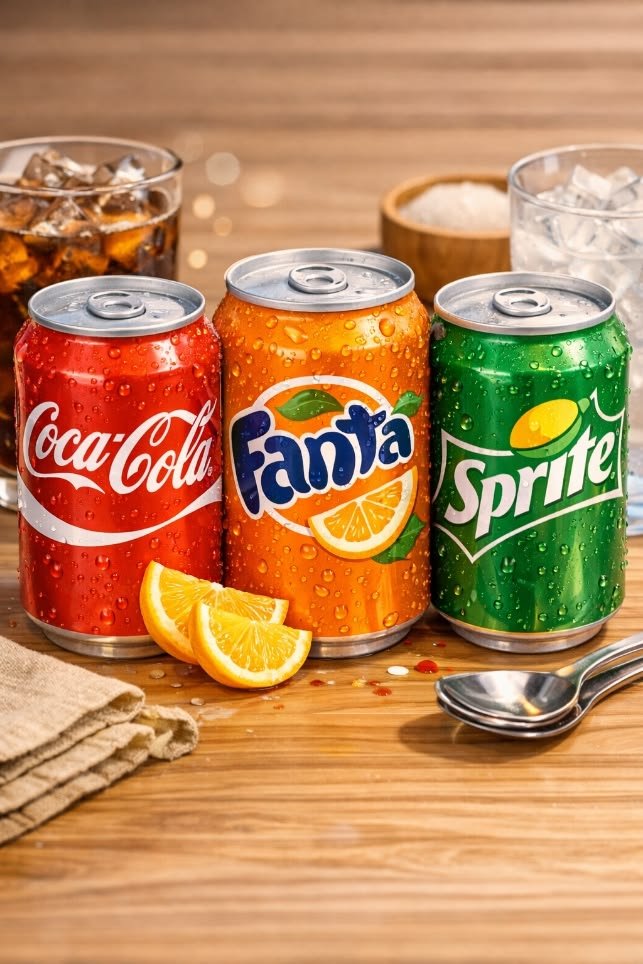
Regular soda can contain a significant amount of added sugar and calories without providing much nutritional value. If you’re looking at foods to avoid for weight loss, sugary drinks are worth limiting because drinking calories can make it easier to consume more calories without feeling satisfied.
Healthier drinks to try include:
- Sparkling water with lemon or lime
- Water infused with cucumber, mint, or berries
- Unsweetened iced tea or herbal tea
- Fresh fruit-infused water
- Coconut water in a moderate portion
- Blended fresh fruit with water, no added sugar
- Unsweetened coffee with less sugar and creamer
2. Candy and Chocolate Bars
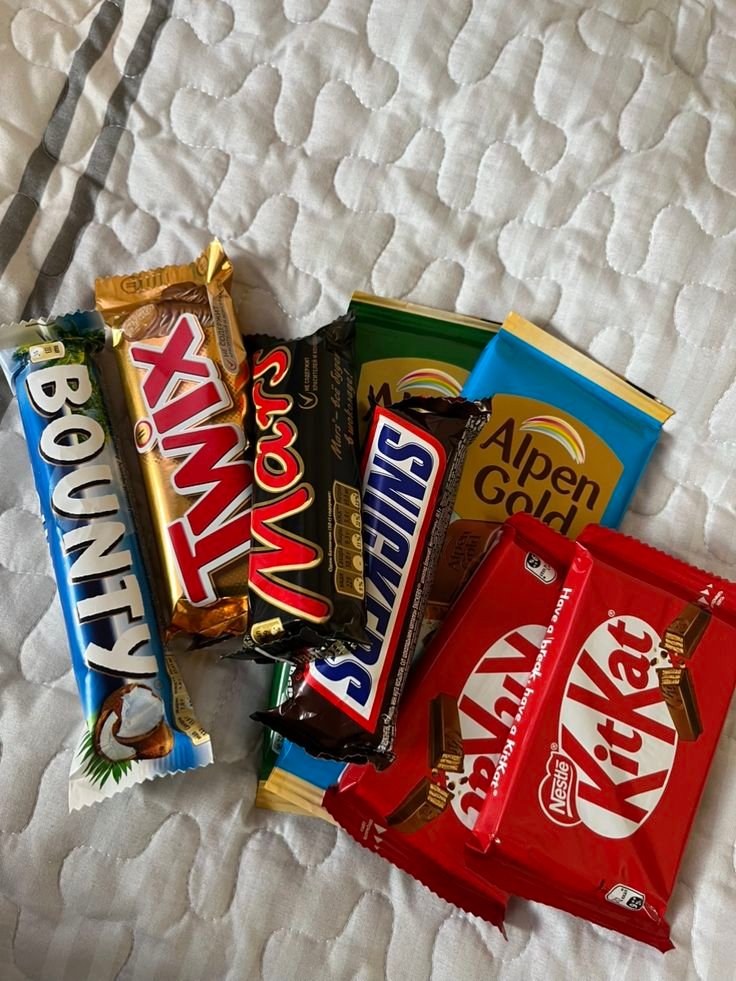
Chocolate and candy can be high in calories and added sugar, especially when eaten in large portions. That doesn’t mean chocolate is automatically one of the foods to avoid for weight loss forever.
Healthier ways to enjoy them include:
- Choosing a small portion and eating it slowly
- Pairing chocolate with fruit like strawberries
- Adding a few pieces of dark chocolate to Greek yogurt
- Eating chocolate after a balanced meal
- Choosing dark chocolate more often
- Avoiding eating directly from a large package
3. Pastries and Doughnuts
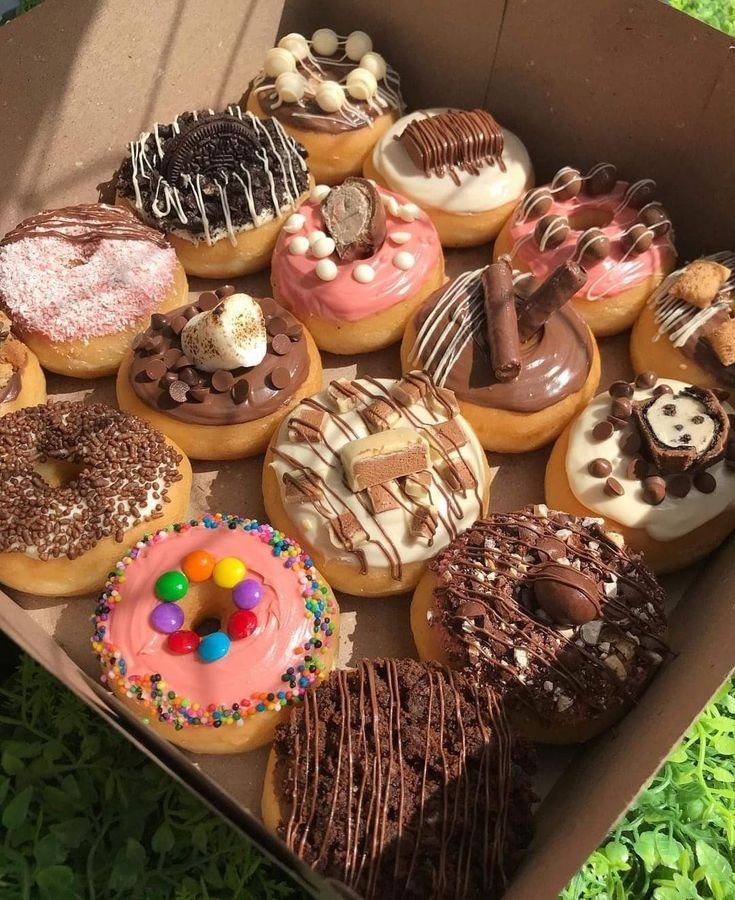
Doughnuts, muffins, croissants, and sweet pastries can contain a lot of calories, added sugar, and fat. If you’re trying to identify foods to avoid for weight loss, pastries are worth limiting because they can be easy to eat without feeling full for very long.
Healthier breakfast alternatives include:
- One small pastry instead of several
- Adding eggs or Greek yogurt for protein
- Including fresh fruit like berries or banana
- Choosing unsweetened coffee or tea
- Saving pastries for occasional breakfasts or snacks
4. Potato Chips
Chips can be easy to overeat because they’re salty, crunchy, and convenient. They are among the foods to avoid for weight loss or limit when you find yourself eating large portions.
Healthier snack alternatives include:
- Measuring a portion into a small bowl first
- Pairing chips with protein like a boiled egg
- Adding vegetables or fruit for volume
- Choosing baked chips occasionally
- Putting the package away after serving yourself
5. French Fries
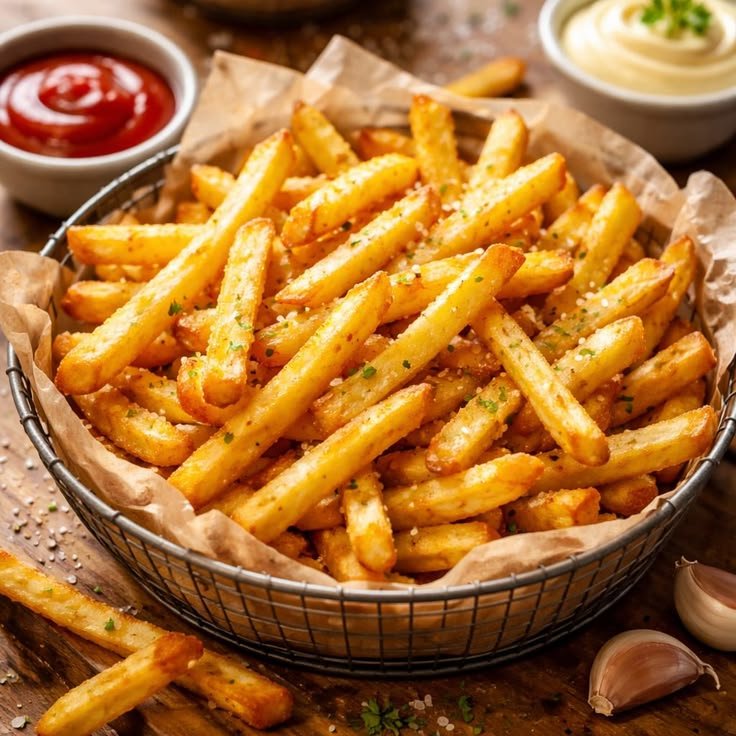
French fries are typically high in calories because they are deep-fried and often served in large portions. But you can still enjoy fries occasionally without making them the main event.
Healthier ways to enjoy fries include:
- Choosing a small serving
- Trying air-fried or oven-baked potatoes
- Pairing fries with grilled protein
- Adding vegetables or a salad
- Limiting creamy dipping sauces
6. Large Fast-Food Meals
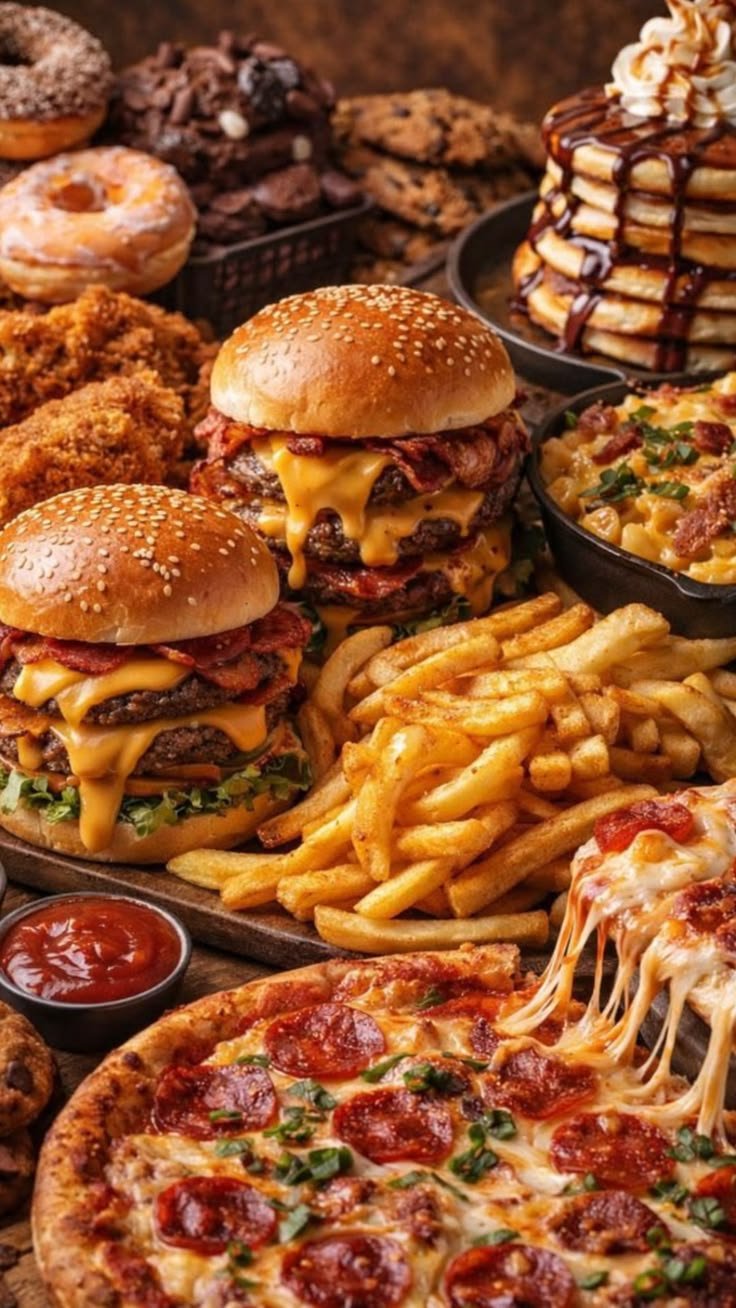
Large fast-food meals are common foods to avoid for weight loss because they can combine several high-calorie foods at once. A single meal may include a large burger, fries, cheese, creamy sauces, and a sugary drink.
Healthier fast-food choices include:
- Grilled chicken instead of fried
- A smaller or regular-size burger
- Small fries instead of large
- Sauce on the side
- Skipping extra cheese
- Water or an unsweetened drink
7. Sugary Breakfast Cereals
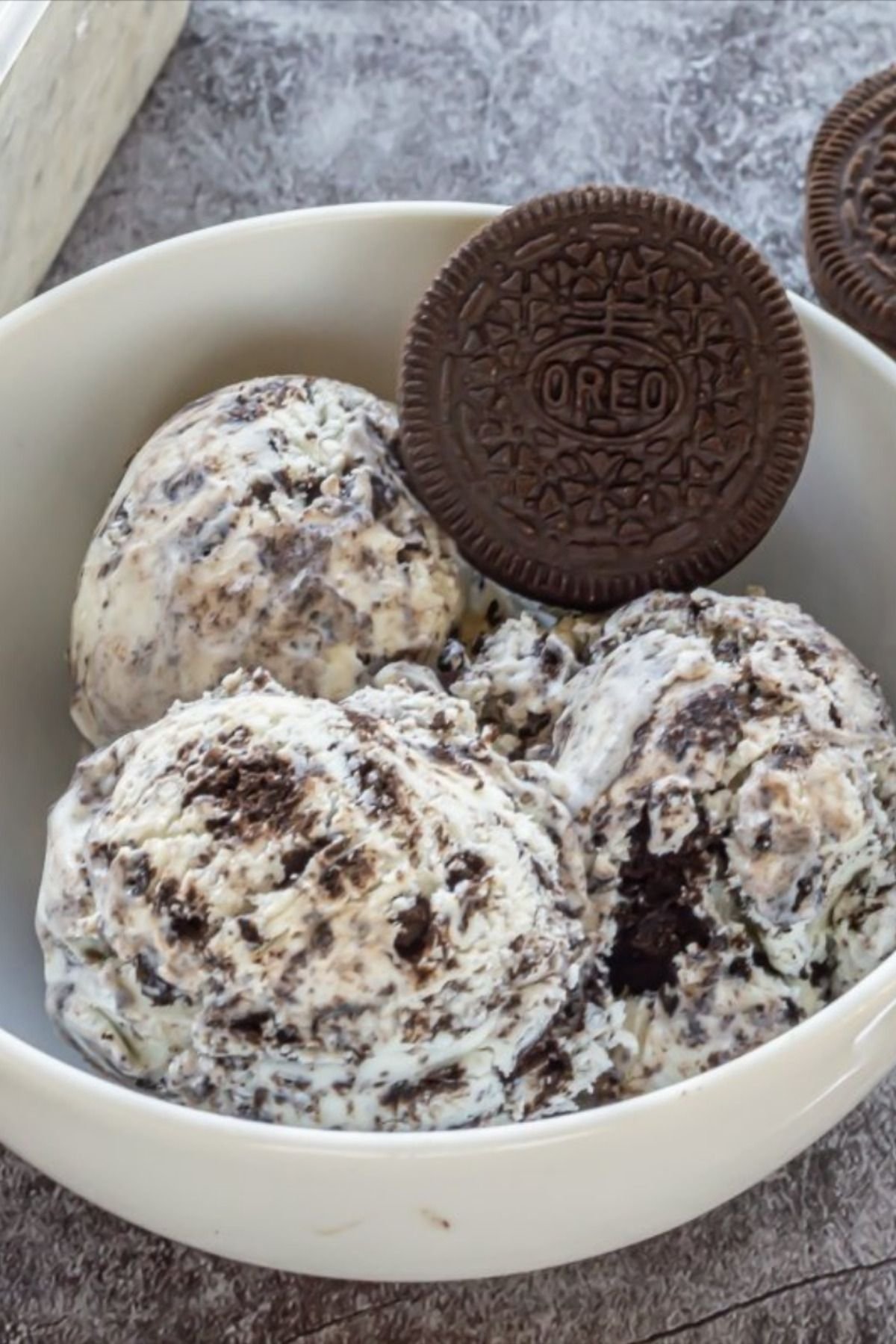
Some cereals contain a lot of added sugar and may not provide much protein or fiber. Rather than completely removing cereal, change the way you serve it.
Make your cereal breakfast more balanced with:
- A smaller bowl of cereal
- Milk or Greek yogurt for protein
- Fresh berries or banana for fruit
- A boiled egg on the side
- A lower-sugar cereal when possible
8. Ice Cream
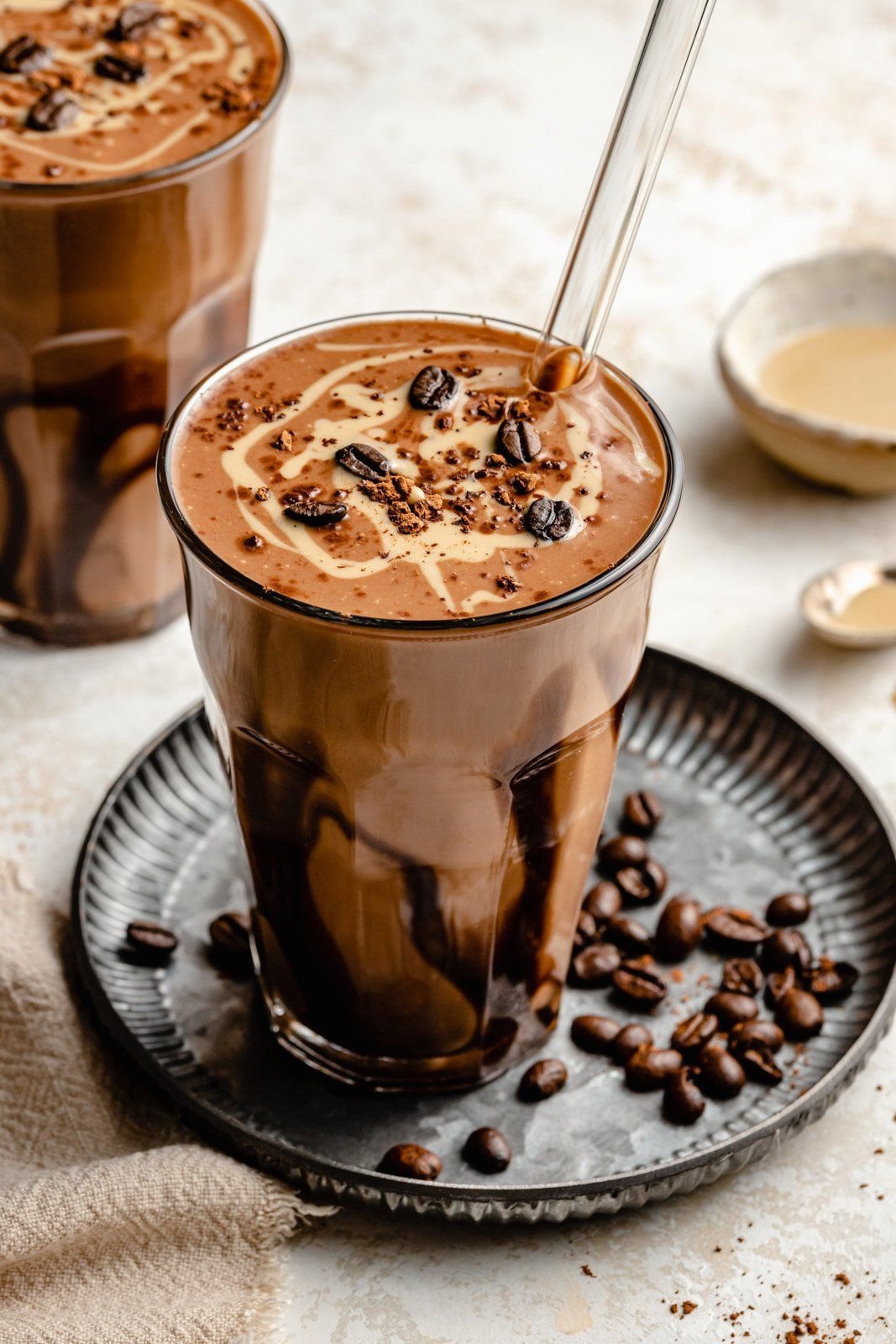
Ice cream can be high in calories, sugar, and fat, especially when you add large amounts of toppings. It can be one of the foods to avoid for weight loss if you regularly eat very large portions — but you don’t have to completely give it up.
Make it a more balanced dessert by:
- Using a small bowl
- Choosing one scoop instead of several
- Adding fresh fruit like strawberries or banana
- Limiting high-calorie toppings
- Eating it slowly to enjoy the flavor
9. Sweetened Coffee Drinks
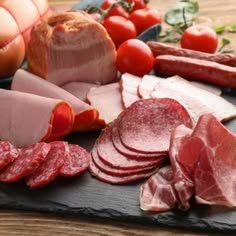
Large flavored coffees can contain significant amounts of sugar and calories from syrups, cream, whipped cream, and other additions. The calories add up quickly even though a drink doesn’t feel like a meal.
Make your coffee lighter by:
- Ordering a smaller size
- Asking for half the syrup
- Skipping whipped cream
- Reducing added sugar gradually
- Choosing unsweetened coffee more often
- Adding cinnamon for extra flavor
10. Processed Meats
Processed meats such as bacon, sausages, hot dogs, and some deli meats can be high in sodium and saturated fat. These can be foods to avoid for weight loss when large portions become a regular part of your diet.
Make a more balanced meal with:
- A smaller portion of processed meat
- Eggs for additional protein
- Vegetables like tomatoes, cucumber, or spinach
- Whole-grain bread instead of refined
- Avoiding several processed meats in one meal
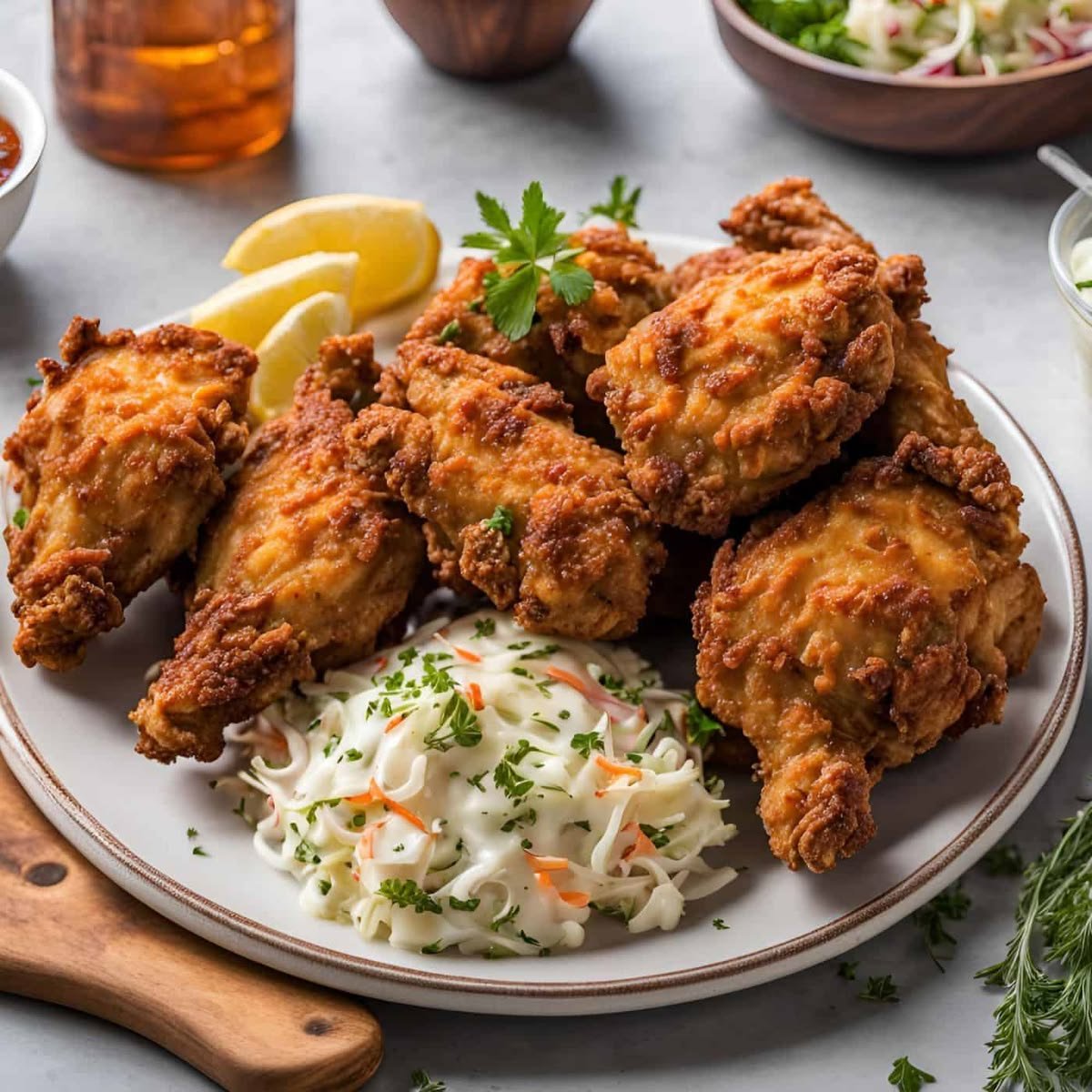
11. Fried Chicken
Fried chicken can contain more calories because of the breading and cooking oil. You can still enjoy it occasionally while creating a more balanced plate.
Make a more balanced fried chicken meal with:
- Smaller pieces of chicken
- Removing some excess breading if preferred
- A side of vegetables or salad
- A smaller portion of fries
- Grilled or air-fried chicken more often
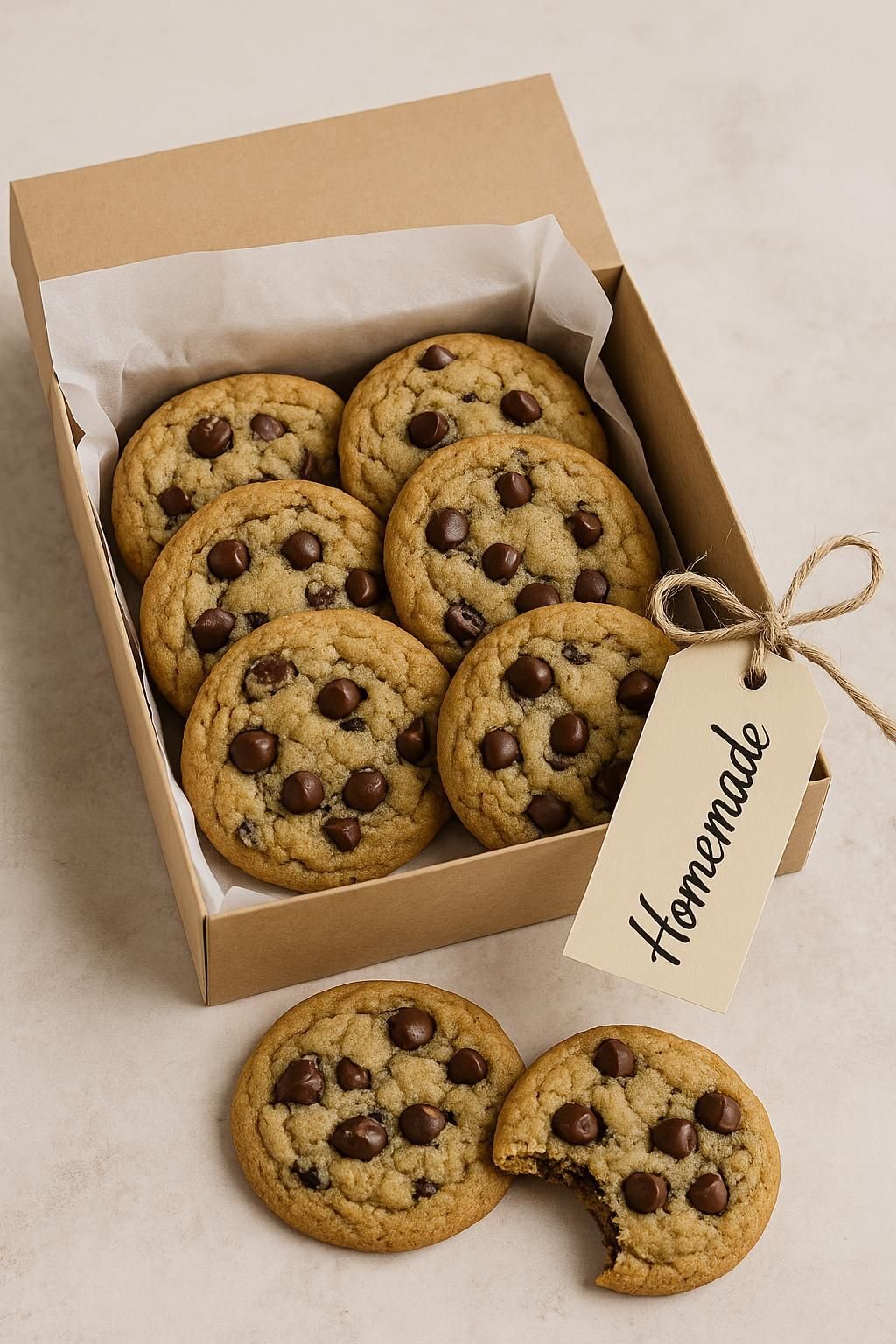
12. Packaged Cookies
Cookies can be high in sugar and calories, and their small size makes it easy to eat several. Rather than treating cookies as forbidden foods to avoid for weight loss, focus on portion control.
Make cookies part of a better snack by:
- Putting your portion on a plate first
- Pairing cookies with fruit
- Adding Greek yogurt for protein
- Eating them after a balanced meal
- Keeping the package away while eating
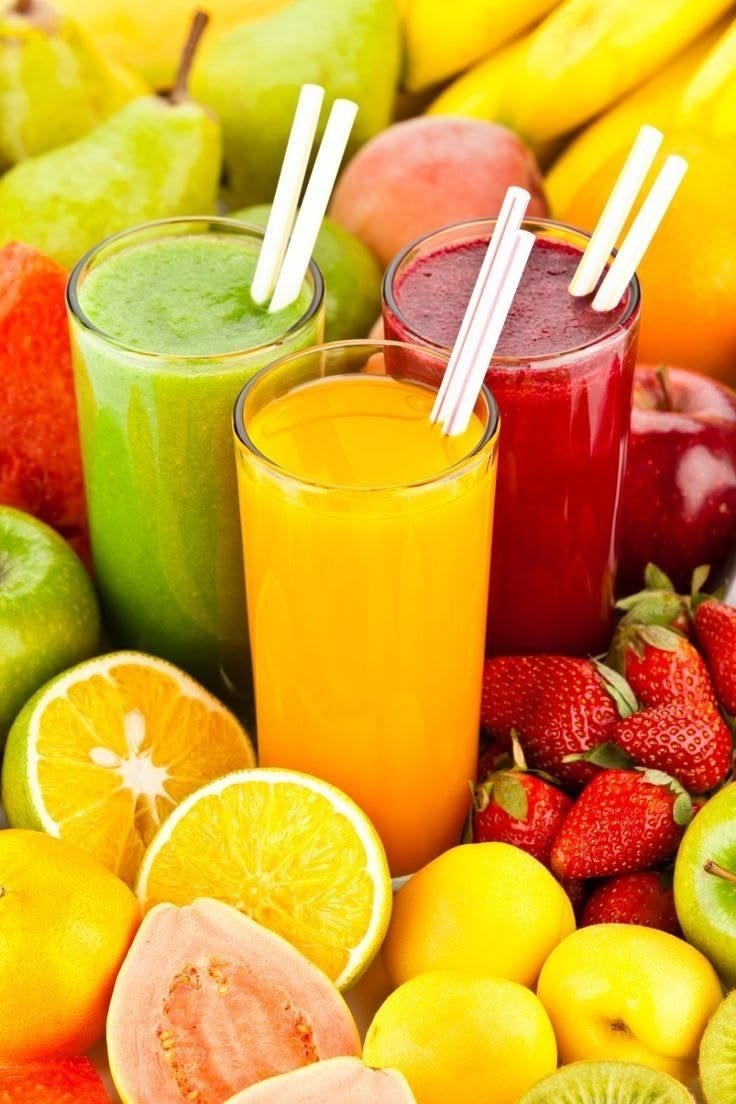
13. Sugary Fruit Drinks
Fruit drinks and sweetened juices can contain a lot of sugar. If you’re deciding which foods to avoid for weight loss, sugary drinks are especially worth limiting because they can add calories without providing the same fullness as whole fruit.
Make it a better choice by:
- Choosing a smaller glass
- Diluting juice with water
- Choosing unsweetened options when available
- Eating whole fruit more often
- Avoiding large amounts throughout the day
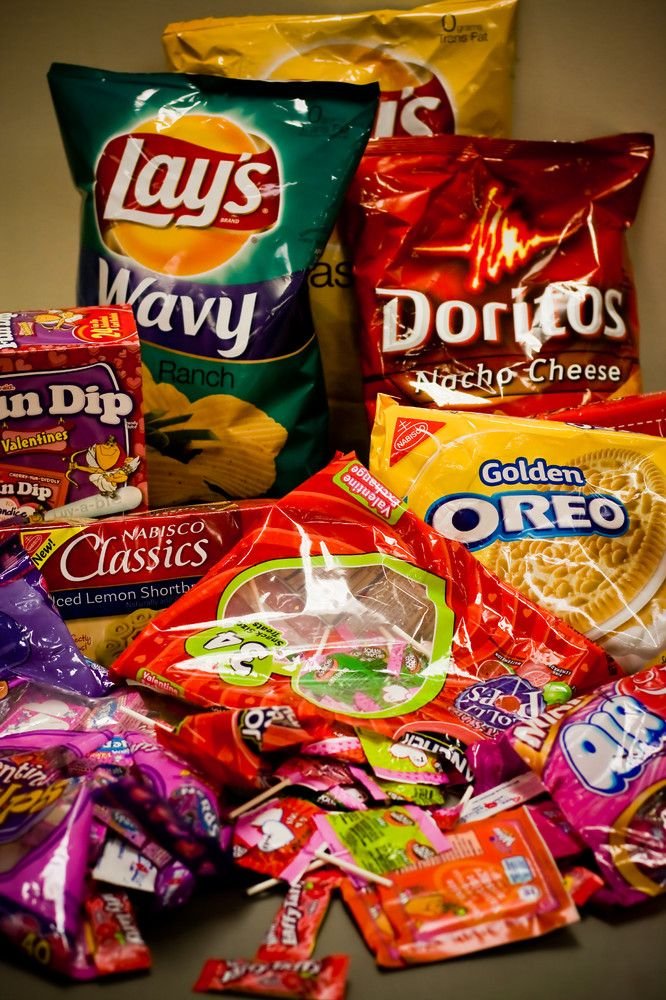
14. Highly Processed Snack Foods
Packaged crackers, cheese snacks, snack cakes, and similar foods can be easy to eat in large quantities. These are common foods to avoid for weight loss or limit when they regularly replace more nutritious snacks.
Make it a balanced snack by:
- Measuring your serving into a bowl
- Adding fruit like an apple or berries
- Adding vegetables like cucumber or carrots
- Including protein such as cheese, eggs, or yogurt
- Choosing whole-grain versions when available
15. High-Calorie Sauces and Dressings
Sauces and dressings can add a surprising amount of calories to a meal. Instead of completely removing sauces, control how much you use.
Make your meal more balanced by:
- Putting dressing on the side
- Using a smaller amount overall
- Dipping your food instead of covering it
- Trying yogurt-based sauces
- Using mustard, salsa, lemon juice, or vinegar
How to Make Your Favorite Foods Work for Weight Loss

The best approach isn’t to ban foods — it’s to build healthier meals around them.
The best approach to foods to avoid for weight loss isn’t necessarily to ban them. Instead, learn how to build healthier meals around foods you already enjoy.
| Food | Instead of | Try |
|---|---|---|
| Chocolate | An entire chocolate bar | A few squares + Greek yogurt + strawberries |
| Doughnuts | 3 doughnuts + sugary coffee | 1 doughnut + eggs + fruit + unsweetened coffee |
| Chips | A large bag of chips | A small portion + boiled egg + cucumber |
| French Fries | Large fries + soda | Small fries + grilled chicken + vegetables + sparkling water |
| Burger | Large burger + large fries + sugary soda | Regular burger + small fries + vegetables + sparkling water |
| Ice Cream | A large bowl with several toppings | One small scoop + fresh fruit |
| Cookies | Half a package | 2–3 cookies + Greek yogurt + berries |
This approach makes foods to avoid for weight loss easier to manage without making your diet feel restrictive.
What Should You Eat More Often?
While you don’t need to completely avoid the foods above, try making nutritious foods the foundation of most meals.
Nutritious foods to include more often:
- Choose vegetables regularly — add them to lunch, dinner, snacks, or other meals whenever they fit
- Eat whole fruits like apples, berries, oranges, and bananas for natural sweetness and variety
- Include beans and lentils when you want foods that provide protein and fiber
- Include eggs as a practical protein option for breakfast, lunch, or snacks
- Choose fish, which can provide protein as part of a balanced meal
- Include chicken — grilled, baked, or air-fried chicken works well in weight-loss-friendly meals
- Choose Greek yogurt as breakfast, a snack, or part of a healthier dessert
- Choose whole grains, which can add variety and may provide more fiber than refined alternatives
- Include nuts and seeds in moderation — they add texture and nutrients, but portion size still matters because they are calorie-dense
- Use healthy fats in moderate portions, such as avocado, nuts, and seeds
Frequently Asked Questions
What are the worst foods to avoid for weight loss?
There isn’t one food that automatically causes weight gain. However, foods and drinks that are high in calories, added sugar, and unhealthy fats can make it easier to consume more calories than you need.
Do I have to completely avoid these foods to lose weight?
No. Many foods to avoid for weight loss can still be enjoyed occasionally. Portion size, frequency, and your overall eating pattern are important.
Can I eat chocolate while trying to lose weight?
Yes. Try a small portion and pair it with foods such as fruit or Greek yogurt.
Can I eat French fries while losing weight?
Yes. Choose a smaller portion and pair it with protein and vegetables to create a more balanced meal.
Can I eat fast food while trying to lose weight?
Yes. Choose smaller portions, include vegetables when possible, and reduce high-calorie extras such as large fries, sauces, and sugary drinks.
Is bread bad for weight loss?
No. Bread can be part of a balanced diet. Whole-grain
Want a FREE 7-Day Weight-Loss Meal Plan?
Simple meals, real food, no strict rules.
You’ve learned how to make your favorite foods fit into a more balanced diet. Now take the next step with a simple 7-day meal plan.
Get a FREE 7-day weight-loss meal plan with easy breakfast, lunch, dinner, and snack ideas designed to help you make healthier choices without completely giving up the foods you enjoy.
Get Your Free Meal Plan
Click the button below and send us a message saying “MEAL PLAN” and we’ll send it to you instantly!
Get the FREE Meal Plan on WhatsApp
Final Thoughts
Understanding foods to avoid for weight loss doesn’t mean you have to create a strict list of forbidden foods.
You can enjoy chocolate, fries, burgers, cookies, ice cream, and other foods while still working toward your weight-loss goals.
The difference is in portion size, frequency, preparation, and what you eat alongside them.
Instead of thinking:
“I can’t eat this.”
Try asking:
“How can I enjoy this food in a more balanced way?”
Have a smaller portion. Add protein. Include vegetables or fruit. Choose healthier drinks more often. Reduce high-calorie sauces. And make nutritious foods the foundation of most of your meals.
Healthy eating doesn’t have to be perfect to be effective. It needs to be realistic enough for you to maintain.
More Weight-Loss Guides
Related Stories
 15 Foods High in Fiber and Protein for a Healthy Diet
 20 Low Calorie Foods for Weight Loss: Healthy Foods That Keep You Full
 How to Stay Motivated to Lose Weight: 15 Proven Tips That Really Work
Trusted Nutrition Sources
For additional information about healthy eating and weight management, explore these trusted health organizations.
CDC — Healthy Eating for a Healthy Weight
FDA — Added Sugars and the Nutrition Facts Label
Harvard T.H. Chan School of Public Health — The Healthy Eating Plate