
Protein is one of the most important nutrients for building muscle, improving strength, supporting recovery, and maintaining overall health. Whether you are a beginner starting your fitness journey or an experienced athlete, understanding your Protein Intake can help you achieve better results.
Many people wonder how much protein they actually need. The answer depends on factors such as body weight, activity level, fitness goals, age, and workout routine.
This guide explains the importance of protein, how much you may need, the best protein-rich foods, protein timing, supplements, common mistakes, and practical ways to increase your daily Protein Intake.
What Is Protein Intake?
Protein Intake refers to the amount of protein you consume from food and supplements each day.
Protein is made up of amino acids, which are essential for:
- Building and repairing muscles
- Supporting body tissues
- Producing hormones and enzymes
- Maintaining strength and fitness
- Supporting normal body functions
- Helping maintain lean muscle
Your body uses protein every day, but your needs can increase when you exercise, especially during strength training.
Protein is found in both animal and plant foods. Some foods provide all the essential amino acids your body needs, while combining different plant foods can also help you obtain a variety of amino acids.
Strength training for beginning
Why Is Protein Important for Muscle Building?
1. Supports Muscle Growth
When you perform resistance training, your muscles experience stress that stimulates adaptation. Protein provides amino acids needed to support muscle repair and growth.
Eating enough protein does not build muscle by itself. Resistance training provides the stimulus, while adequate nutrition and recovery support the process.
For people who regularly perform strength training, getting enough protein throughout the day can be an important part of a muscle-building diet.
2. Improves Recovery
Adequate protein helps provide the building blocks your body uses to repair tissues after physical activity.
Recovery also depends on sleep, hydration, training volume, total calorie intake, and rest.
A balanced meal containing protein and carbohydrates after training can be a practical way to support recovery.
3. Helps Maintain Muscle During Weight Loss
When losing weight, your body may lose both fat and lean tissue.
Getting enough protein while following a suitable resistance-training program can help support muscle retention while you work toward reducing body fat.
This is one reason protein-rich foods are often emphasized in weight-management diets.
4. Increases Fullness
Protein can help you feel satisfied after eating.
Including protein in meals may make it easier to manage hunger and avoid constantly reaching for snacks.
For example, eggs at breakfast, chicken at lunch, and fish or beans at dinner can provide protein throughout the day.
5. Supports Overall Health
Protein is not only about muscles.
Your body uses protein to support tissues and produce various compounds involved in normal biological processes.
This is why getting an appropriate amount of protein is important even if muscle building is not your primary goal.
How Much Protein Do You Need?
The amount of protein you need depends on your goals and lifestyle.
For healthy adults, the general protein recommendation is around 0.8 grams per kilogram of body weight per day as a baseline for normal nutritional needs. People who exercise regularly, particularly those performing resistance training, may benefit from higher amounts.
For more detailed nutrition guidance, the National Institutes of Health Office of Dietary Supplements provides information about protein and its role in the body.
For General Health
For people with a normal activity level:
- About 0.8 grams of protein per kilogram of body weight per day is commonly used as a general recommendation.
For example, a 70 kg person would need approximately 56 grams of protein per day based on 0.8 grams per kilogram.
Individual needs can vary depending on age, activity level, health status, and dietary pattern.
For Muscle Building
People who regularly perform strength training and want to build muscle generally require more protein than the basic minimum.
A commonly used range for active people is approximately:
- 1.6–2.2 grams of protein per kilogram of body weight per day
Example:
A person weighing 70 kg may consume approximately:
- 112–154 grams of protein per day
This is a practical range rather than a requirement that everyone must reach.
Your ideal Protein Intake depends on your training, diet, calorie intake, and personal circumstances.
How to Calculate Your Protein Intake
Calculating your approximate protein target is simple.
First, determine your body weight in kilograms.
Then multiply your weight by your desired protein range.
For example, if you weigh 70 kg and choose a target of 1.6 grams per kilogram:
70 × 1.6 = 112 grams of protein per day
If you choose 2.0 grams per kilogram:
70 × 2.0 = 140 grams per day
This gives you an approximate target rather than an exact requirement.
You can then divide your daily target across several meals.
For example, someone targeting 120 grams of protein could aim for approximately:
- Breakfast: 30 grams
- Lunch: 30 grams
- Snack: 20 grams
- Dinner: 40 grams
You do not have to hit the exact number every day.
Consistency over time is more important than making every meal perfect.
Protein Intake for Different Goals
1. Protein Intake for Muscle Gain
If your goal is building muscle, focus on:
- Adequate protein
- Consistent strength training
- Enough overall calories
- Quality carbohydrates
- Healthy fats
- Proper recovery
- Sufficient sleep
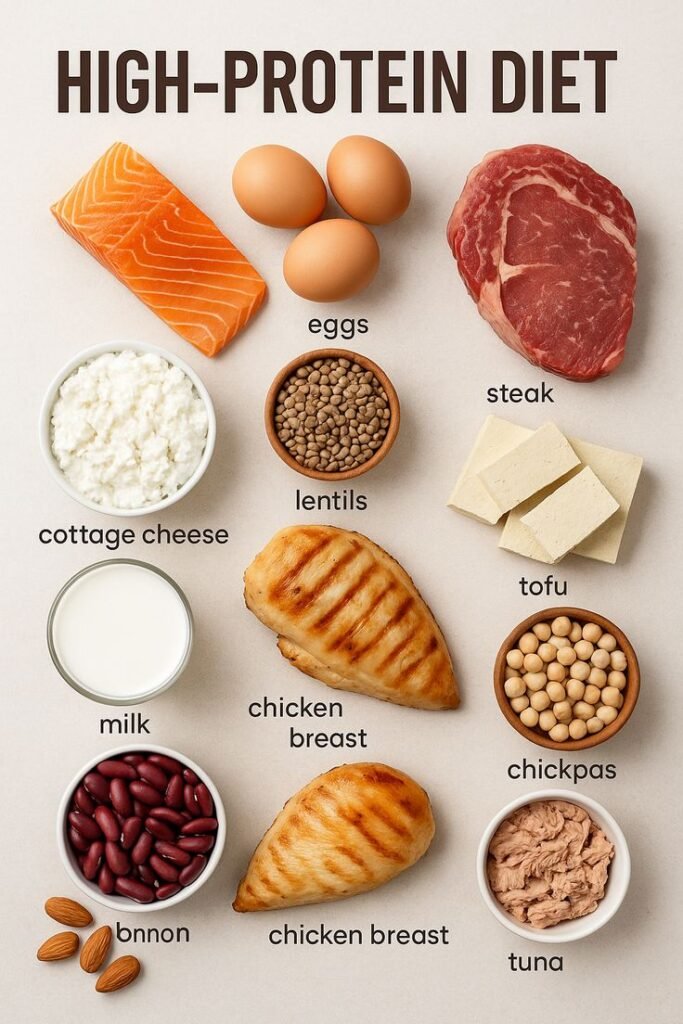
Good protein sources include:
- Chicken
- Eggs
- Fish
- Lean meat
- Greek yogurt
- Beans
- Lentils
- Tofu
Muscle growth takes time. Increasing protein while ignoring your training program and recovery will not produce the results you want.
A complete approach combines nutrition with progressive resistance training.
2. Protein Intake for Weight Loss
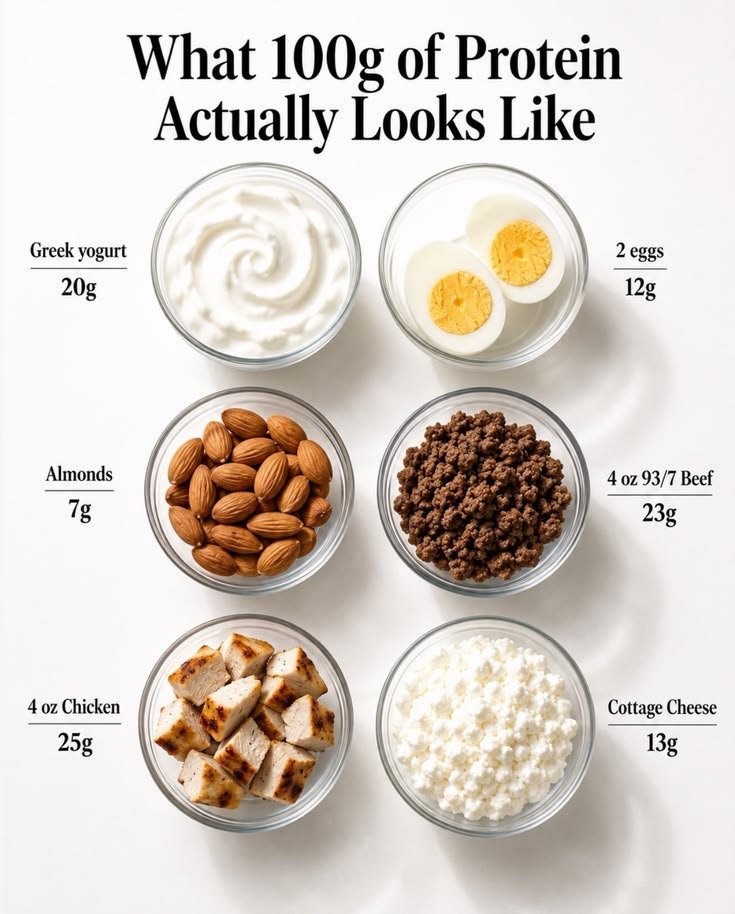
Protein is also important during weight loss because it can help support muscle maintenance and satiety.
Choose:
- Lean proteins
- High-fiber foods
- Vegetables
- Whole grains
- Balanced meals
Examples include:
- Chicken with vegetables
- Fish with salad
- Eggs with whole grains
- Greek yogurt with fruit
- Beans with vegetables
Instead of focusing only on reducing food intake, build meals that are filling and nutritious.
3. Protein Intake for Beginners
Beginners should focus on consistency rather than perfection.
Start by including protein in every main meal.
Breakfast:
- Eggs
- Greek yogurt
- Cottage cheese
Lunch:
- Chicken
- Beans
- Tuna
- Lentils
Dinner:
- Fish
- Lean meat
- Chicken
- Tofu
You do not need to immediately start counting every gram of protein.
First, develop the habit of including a protein-rich food with your meals.
As you become more familiar with nutrition, you can begin estimating or tracking your daily intake if needed.
Best High Protein Foods
A balanced diet can provide protein through many different foods.
1. Eggs

Eggs provide high-quality protein and several important nutrients.
Benefits:
- Supports muscle repair
- Easy to prepare
- Affordable
- Convenient for breakfast or snacks
Eggs can be boiled, scrambled, poached, or added to balanced meals with vegetables and whole grains.
2. Chicken Breast
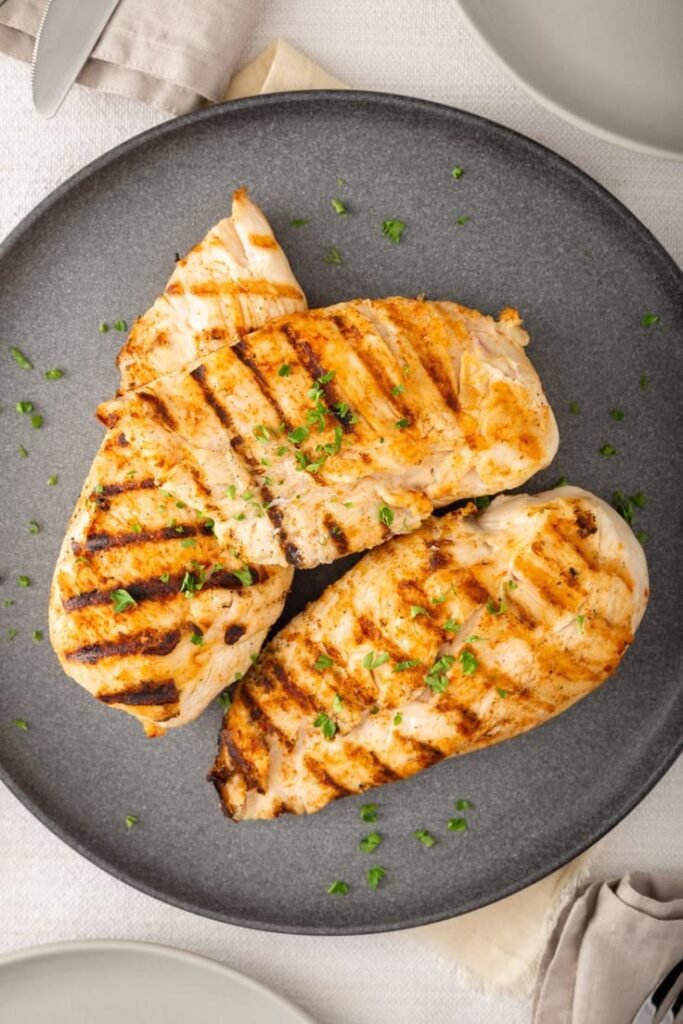
Chicken breast is a popular choice for fitness diets because it provides substantial protein and is relatively lean.
Benefits:
- High in protein
- Versatile
- Easy to prepare
- Works well in meal preparation
You can combine chicken with rice, potatoes, vegetables, salads, or whole grains.
3. Fish
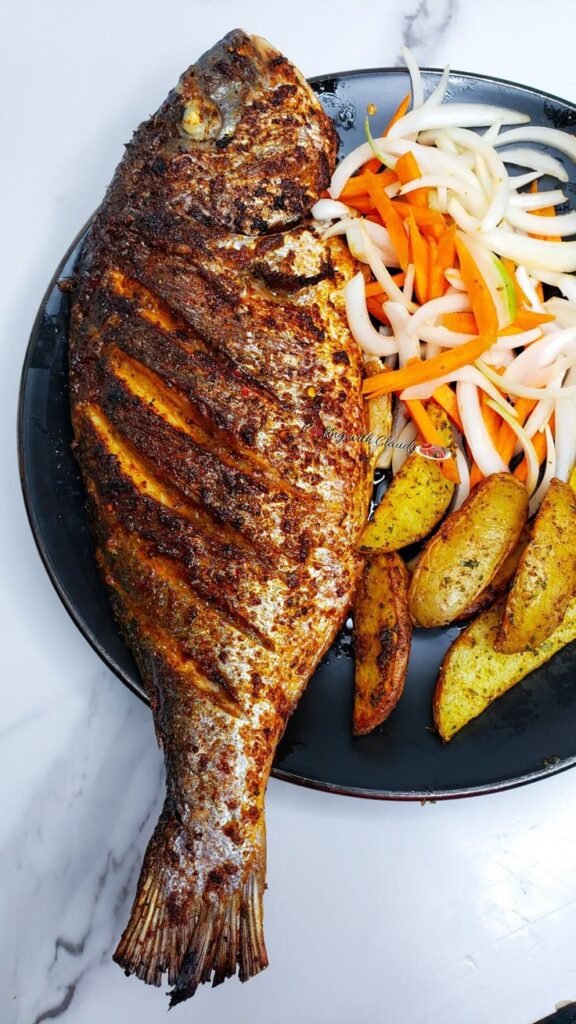
Fish provides protein and, depending on the type, healthy fats.
Examples:
- Salmon
- Tuna
- Sardines
- Cod
- Mackerel
Fatty fish can also provide omega-3 fatty acids.
Including different types of fish in your diet can add variety to your protein sources.
4. Greek Yogurt
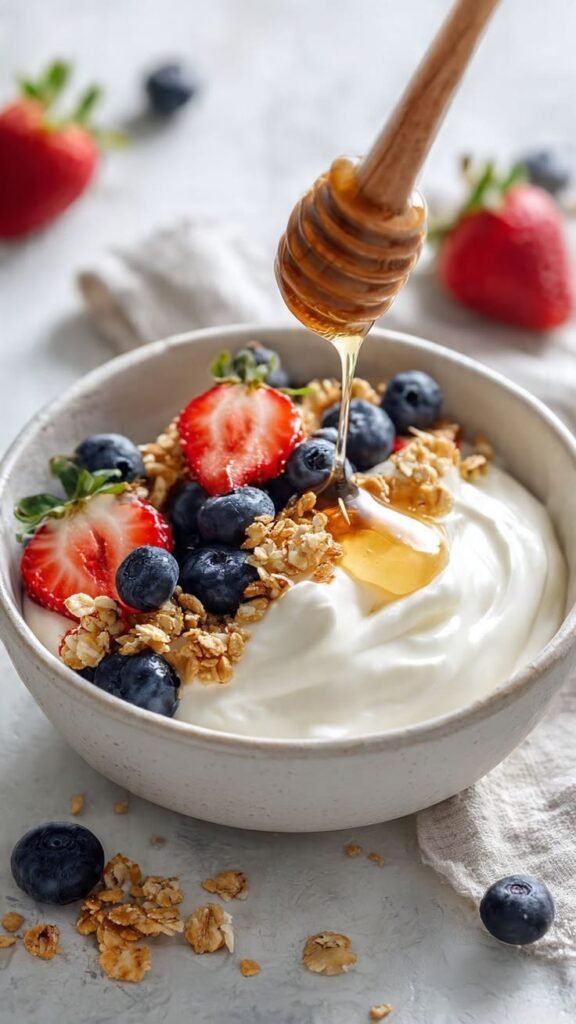
Greek yogurt is a convenient protein-rich food.
Benefits:
- Supports recovery
- Provides calcium
- Convenient snack option
- Easy to combine with fruit
Choose plain or lower-sugar varieties when possible and add berries, bananas, oats, or nuts for additional nutrients.
5. Lean Beef
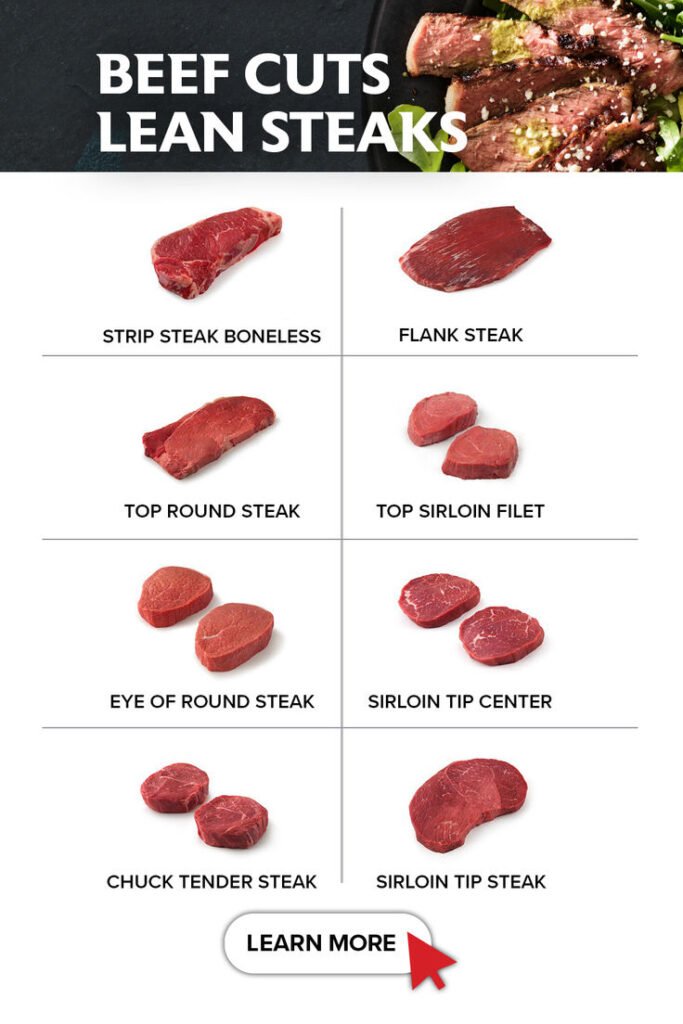
Lean beef provides protein, iron, zinc, and other nutrients.
If you enjoy beef, choose leaner cuts and combine them with vegetables and a nutritious carbohydrate source.
6. Beans and Lentils
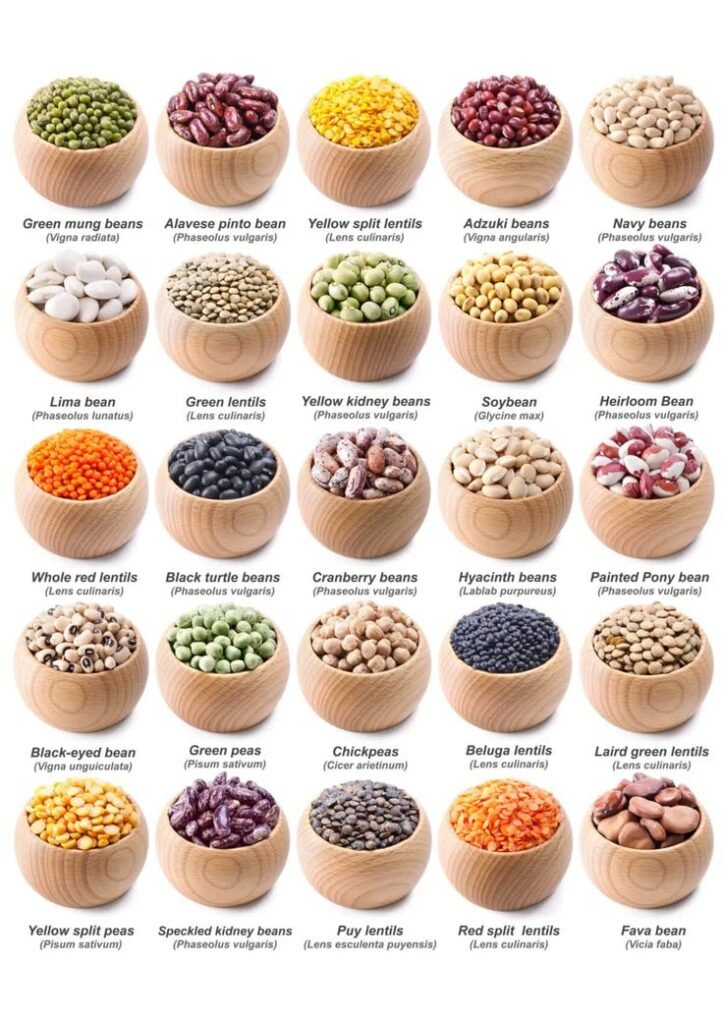
Beans and lentils are excellent plant-based protein sources.
They also provide fiber and other nutrients.
Examples include:
- Kidney beans
- Black beans
- Chickpeas
- Lentils
- White beans
They can be added to soups, salads, rice dishes, stews, or wraps.
7. Tofu
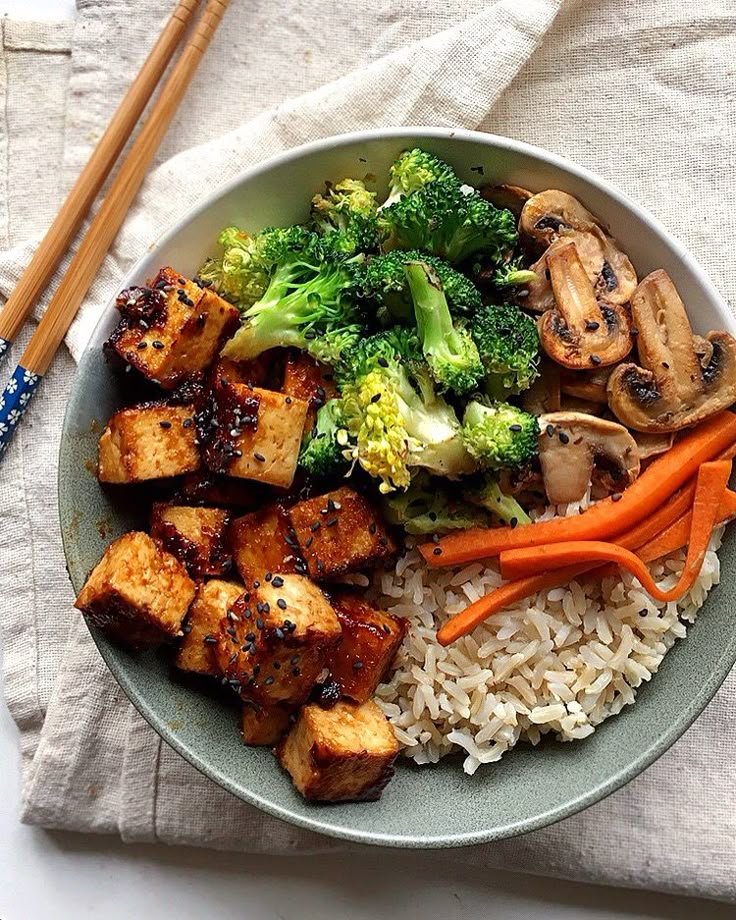
Tofu is a useful protein option for people following vegetarian or plant-based diets.
It can be:
- Stir-fried
- Baked
- Grilled
- Added to soups
- Combined with vegetables
Tofu can also absorb flavors from herbs, spices, and sauces, making it a versatile ingredient.
The Unlimited weakly workout plan
Other Protein-Rich Foods to Consider
You do not have to rely on the same foods every day.
Other options include:
- Cottage cheese
- Milk
- Edamame
- Turkey
- Shrimp
- Tuna
- Quinoa
- Peas
- Tempeh
- Peanut butter
- Almonds
- Pumpkin seeds
Different protein foods provide different nutrients, so variety can make your diet more enjoyable and balanced.
10 best high protein food
Protein Timing: When Should You Eat Protein?
Many people believe protein must be consumed immediately after exercise.
While eating protein after a workout can be convenient, your total daily Protein Intake is generally more important than focusing on a very specific post-workout window.
Good habits include:
- Eat protein throughout the day
- Include protein after workouts
- Spread meals across the day
- Choose protein-rich snacks when needed
Instead of consuming almost all your protein at dinner, try distributing it across breakfast, lunch, snacks, and dinner.
For example:
Breakfast: Eggs and whole-grain toast
Lunch: Chicken with rice and vegetables
Snack: Greek yogurt with fruit
Dinner: Fish with potatoes and vegetables
This approach can make reaching your daily protein target easier.
How Much Protein Should You Eat Per Meal?
There is no single amount that everyone needs at every meal.
Your total daily needs are more important.
However, many active people find it practical to distribute protein relatively evenly across meals.
For example, someone targeting 120 grams per day could aim for approximately 25–35 grams at several meals and snacks.
The exact distribution does not need to be perfect.
What matters most is choosing a pattern that helps you consistently reach an appropriate daily intake.
Should You Use Protein Supplements?
Protein supplements can be helpful, but they are not required.
Protein powder can be useful when:
- You struggle to get enough protein from food
- You have a busy schedule
- You need a convenient post-workout option
- You find it difficult to prepare protein-rich meals
However, whole foods should remain the foundation of your diet whenever practical.
Protein powder is simply a convenient source of protein. It does not automatically provide better results than protein from nutritious foods.
Before choosing a supplement, check the ingredient list and nutrition information.
You can also discuss supplement use with a qualified healthcare or nutrition professional if you have specific dietary needs.
Whey Protein vs Plant Protein
Whey protein is derived from milk and is commonly used by people who want a convenient protein source.
Plant-based protein powders can be made from ingredients such as:
- Pea protein
- Soy protein
- Rice protein
- Hemp protein
The best option depends on your dietary preferences, tolerance, budget, and nutritional needs.
You do not have to use protein powder if you can comfortably meet your protein requirements through food.
Common Protein Mistakes
1. Eating Too Little Protein
Low protein intake can make it more difficult to meet your nutritional needs, particularly if you are physically active.
Including protein in every main meal is a simple way to improve your intake.
2. Taking Too Much Protein
More protein is not automatically better.
Your diet should also include:
- Carbohydrates
- Healthy fats
- Fruits
- Vegetables
- Fiber
- Vitamins
- Minerals
A balanced diet is more important than maximizing protein at the expense of other nutrients.
3. Depending Only on Supplements
Supplements should support your diet, not replace nutritious meals.
Whole foods can provide protein along with other nutrients that supplements may not contain.
4. Ignoring Strength Training
Protein works best as part of a complete fitness strategy.
If your goal is muscle growth, combine adequate protein with resistance training.
5. Forgetting Total Calories
Protein alone does not determine whether you gain or lose weight.
Your total energy intake matters too.
For muscle gain, you generally need sufficient energy to support training and tissue growth.
For weight loss, you generally need an appropriate calorie deficit while maintaining adequate nutrition.
6. Eating Protein Only at Dinner
If most of your daily protein is consumed in one meal, it can be harder to reach your target comfortably.
Try including protein throughout the day.
Tips to Increase Your Protein Intake
Add Protein to Every Meal
Include a protein source at breakfast, lunch, and dinner.
For example:
Breakfast: Eggs and Greek yogurt
Lunch: Chicken and rice
Dinner: Fish and vegetables
Choose Protein-Rich Snacks
Examples:
- Greek yogurt
- Cottage cheese
- Nuts
- Boiled eggs
- Edamame
- Milk
- Tuna
Protein-rich snacks can help you reach your daily target without making your main meals excessively large.
Prepare Meals in Advance
Meal preparation makes it easier to reach your daily protein goals.
Cook several servings of chicken, fish, eggs, beans, or other protein foods ahead of time.
Store them safely and combine them with vegetables and carbohydrates when needed.
Track Your Intake
Using a food tracking app can help you understand how much protein you are eating.
You do not have to track your food forever.
Tracking for a few days can simply teach you which foods contain protein and whether your normal diet is close to your target.
Add Protein to Breakfast
Breakfast is an easy place to increase your daily protein intake.
Instead of eating only toast or cereal, consider:
- Eggs
- Greek yogurt
- Cottage cheese
- Milk
- Protein-rich oatmeal
A protein-containing breakfast can also help make your morning meal more satisfying.
Protein Intake on Rest Days
You do not need to stop eating protein on days when you do not exercise.
Your muscles continue to recover between workouts.
Maintaining a consistent protein intake across training and rest days can support your overall nutrition routine.
Rest days are also important because recovery is a key part of improving fitness.
Rather than dramatically changing your diet on rest days, maintain a balanced eating pattern and adjust total calories according to your goals and activity level.
Protein Intake Before Exercise
Eating protein before exercise can be part of a balanced pre-workout meal.
However, your choice should also depend on how much time you have before training.
Some examples include:
- Greek yogurt with fruit
- Eggs with toast
- Oatmeal with milk
- A banana with yogurt
If you eat shortly before exercise, choose foods that you personally digest comfortably.
There is no single pre-workout meal that works for everyone.
Protein Intake After Exercise
After exercise, eating a meal or snack containing protein can support your overall daily intake.
Examples include:
- Chicken with rice
- Eggs with toast
- Greek yogurt with fruit
- Tuna with whole-grain bread
- Protein smoothie with fruit
The important thing is to maintain adequate protein across the entire day rather than becoming overly focused on a very narrow post-workout window.
Protein Intake for Vegetarians
Vegetarians can meet their protein needs through a variety of foods.
Useful options include:
- Eggs
- Greek yogurt
- Milk
- Cottage cheese
- Beans
- Lentils
- Chickpeas
- Tofu
- Tempeh
- Edamame
- Nuts
- Seeds
Combining different plant foods throughout the day can help provide a variety of amino acids and nutrients.
Meal variety is particularly useful when following a vegetarian diet.
Protein Intake for Plant-Based Diets
People following fully plant-based diets can also obtain protein from many foods.
Examples include:
- Lentils
- Chickpeas
- Beans
- Tofu
- Tempeh
- Edamame
- Peas
- Soy milk
- Nuts
- Seeds
- Quinoa
Planning meals around protein-rich plant foods can make it easier to reach your target.
The Harvard T.H. Chan School of Public Health provides additional information about protein sources and healthy dietary patterns.
Protein Intake and Weight Loss
Protein can be particularly useful during a weight-loss phase because it can help you maintain a nutritious and satisfying diet.
Instead of building meals around highly processed foods, try creating meals that include:
Protein + vegetables + high-fiber carbohydrates + healthy fats
For example:
- Chicken + broccoli + brown rice
- Fish + salad + potatoes
- Beans + vegetables + whole grains
- Eggs + vegetables + whole-grain toast
This approach provides multiple nutrients while making meals more satisfying.
If you are trying to lose weight, remember that increasing protein does not automatically cause weight loss. Your overall calorie intake and activity level still matter.
Protein Intake and Muscle Recovery
Muscle recovery involves more than protein.
Other important factors include:
- Sleep
- Rest
- Hydration
- Adequate calories
- Carbohydrates
- Appropriate training volume
- Stress management
Protein should therefore be viewed as one part of a complete recovery strategy.
If you train hard but consistently sleep poorly or fail to eat enough overall, increasing protein alone may not solve your recovery problems.
How to Make Protein Intake Easier
You can make reaching your daily protein target easier by keeping convenient foods available.
Consider keeping:
- Eggs
- Greek yogurt
- Canned tuna
- Cooked chicken
- Beans
- Lentils
- Milk
- Cottage cheese
- Tofu
- Nuts
available in your kitchen.
You can then quickly add protein to meals without having to prepare everything from scratch.
For example, adding boiled eggs to breakfast or beans to lunch can increase the protein content of your meals with minimal preparation.
A Simple High-Protein Day
Here is an example of how protein can be distributed throughout a day.
Breakfast
- 2–3 eggs
- Whole-grain toast
- Greek yogurt
- Fruit
Lunch
- Grilled chicken
- Brown rice
- Mixed vegetables
Snack
- Greek yogurt
- Berries
- A small portion of nuts
Dinner
- Fish
- Potatoes
- Large vegetable salad
This is only an example.
Your food choices and portion sizes should be adjusted according to your personal nutritional needs and goals.
Final Thoughts
Understanding your Protein Intake is essential for building muscle, improving strength, supporting recovery, and maintaining a healthy body.
The right amount of protein depends on your weight, activity level, fitness goals, dietary pattern, and other individual factors.
For muscle growth, focus on eating enough protein, following a consistent strength-training routine, eating a balanced diet, and allowing your body enough time to recover.
Good protein sources include eggs, chicken, fish, Greek yogurt, lean meat, beans, lentils, tofu, nuts, seeds, and other nutritious foods.
Protein supplements can provide convenience, but they are not essential when you can meet your nutritional needs through food.
Remember that more protein is not always better. Your body also needs carbohydrates, healthy fats, fiber, vitamins, minerals, and adequate fluids.
The most effective approach is to create a balanced nutrition routine that you can maintain consistently.
Building muscle and improving fitness takes time. Focus on your overall diet, regular training, sufficient recovery, and sustainable Protein Intake rather than looking for a quick solution.
With consistent nutrition and exercise habits, you can create a stronger foundation for long-term fitness and health.