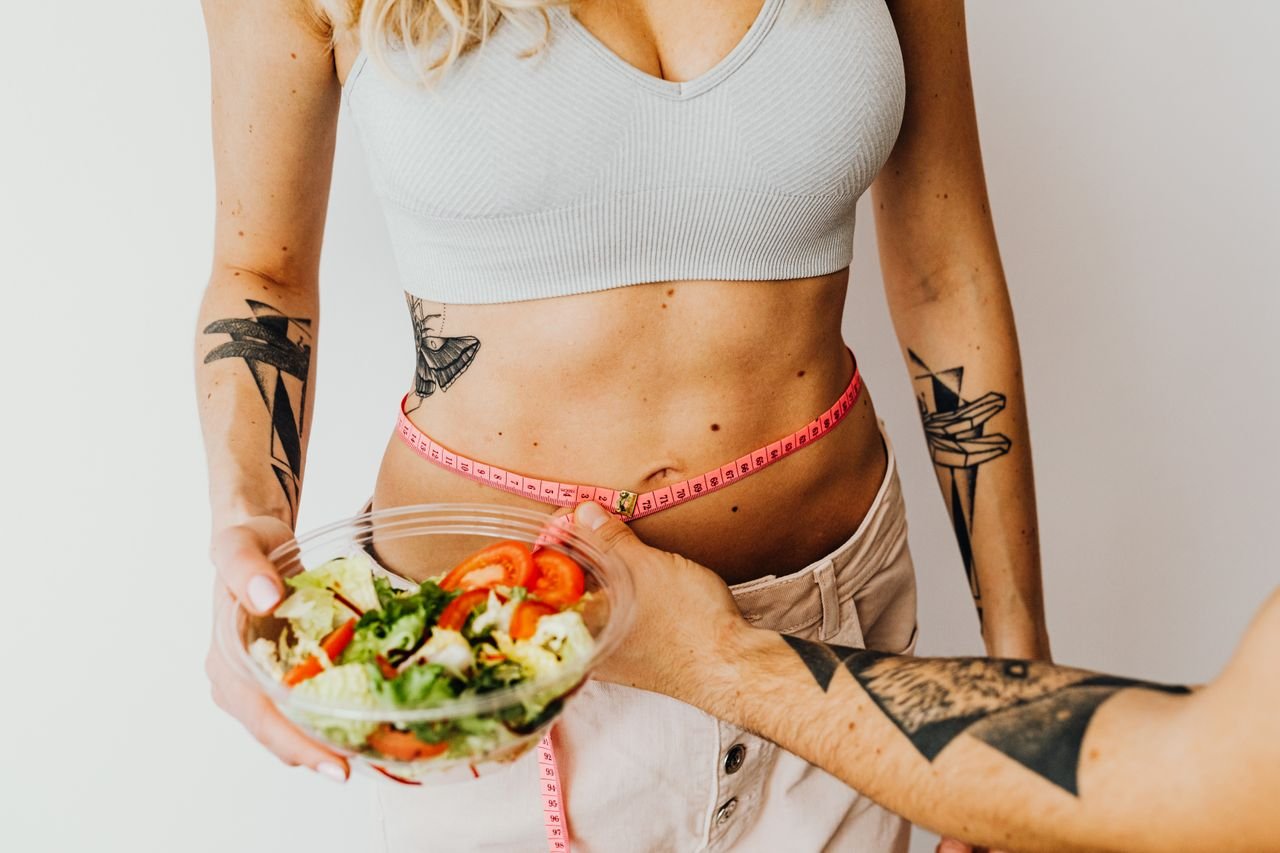
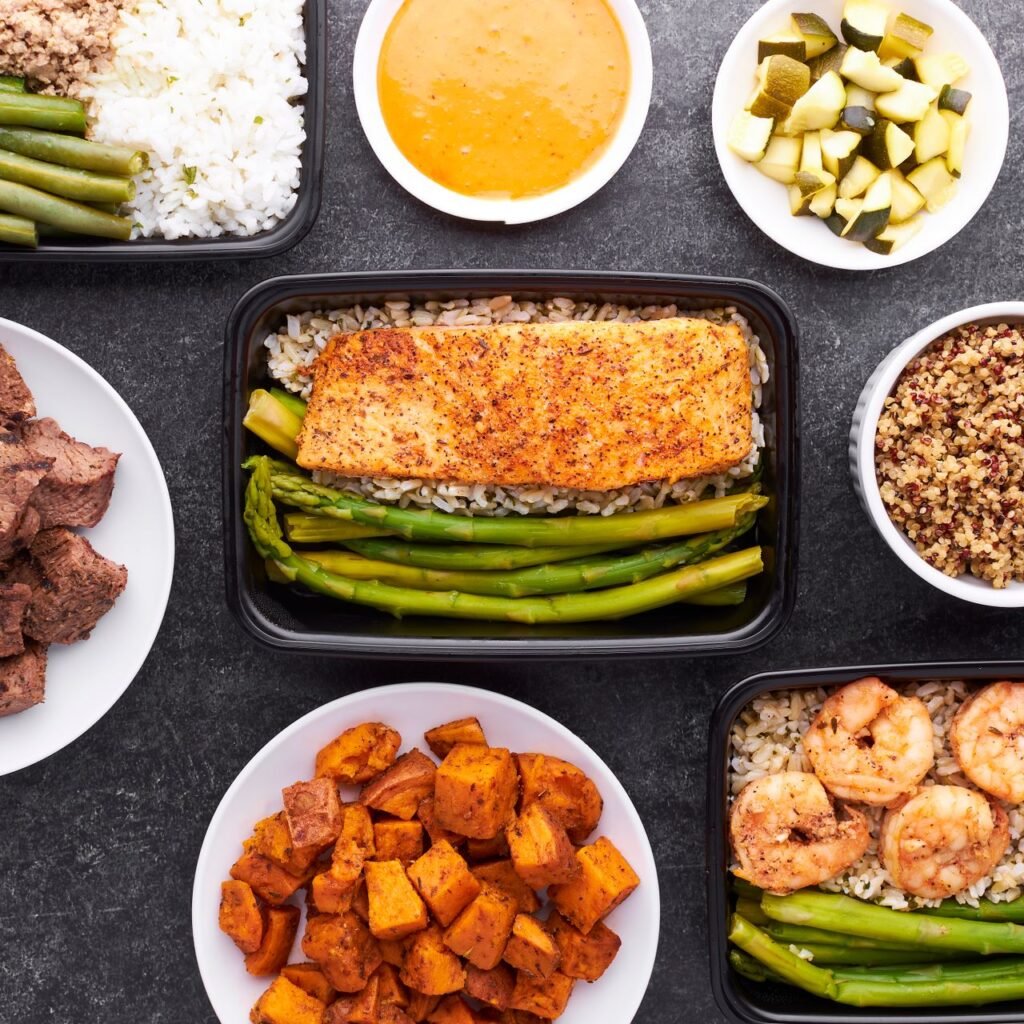
Losing weight isn’t only about choosing healthy foods. Planning your meals ahead of time can also make it easier to stay consistent, manage portions, save time, and avoid last-minute food choices.
Meal prep for weight loss is a simple strategy that involves preparing some or all of your meals in advance. Instead of deciding what to eat every time you feel hungry, you already have nutritious options ready to go.
Meal prep doesn’t have to mean spending an entire day cooking. Even preparing a few ingredients in advance can save time and make healthy eating easier. You can prepare complete meals, cook basic ingredients, prepare breakfast, or simply portion healthy snacks for the week.
The most effective meal prep for weight loss is one that fits your lifestyle. If you have a busy schedule, preparing two or three meals ahead may be enough. If you enjoy cooking, you may prefer preparing most of your meals at once.
Here are seven simple meal prep for weight loss ideas you can try, along with practical tips for creating a routine that you can maintain.
What Is Meal Prep?
Meal prep means preparing food ahead of time so that meals or ingredients are ready when you need them.
You can prepare:
- Complete meals
- Breakfasts
- Lunches
- Dinners
- Snacks
- Cooked grains
- Vegetables
- Protein sources
- Sauces and dressings
- Fruits and vegetables for snacks
The best method depends on your schedule and preferences.
Some people prepare several complete meals on one day, while others simply cook basic ingredients that can be combined throughout the week.
For example, instead of preparing five identical chicken meals, you could cook chicken, rice, vegetables, and beans separately. You can then combine them in different ways during the week.
This approach can make meal prep for weight loss more flexible and prevent you from becoming bored with your meals.
Why Meal Prep Can Help With Weight Loss
Meal preparation doesn’t directly cause weight loss, but it can make healthy habits easier to follow.
When nutritious meals are already available, you may be less likely to rely on fast food, sugary snacks, or other convenient foods when you’re hungry.
Meal prep can also help you become more aware of portions. Instead of eating directly from a large container or serving food without thinking about the amount, you can divide meals into individual portions ahead of time.
Another advantage is that meal preparation can reduce decision fatigue. If you already know what you’re eating for lunch, you don’t have to spend time deciding what to order or cook when you’re tired.
For more information about building sustainable eating habits, you can also read our article on Healthy Habits for Weight Loss.
1. Chicken, Brown Rice, and Vegetable Bowls
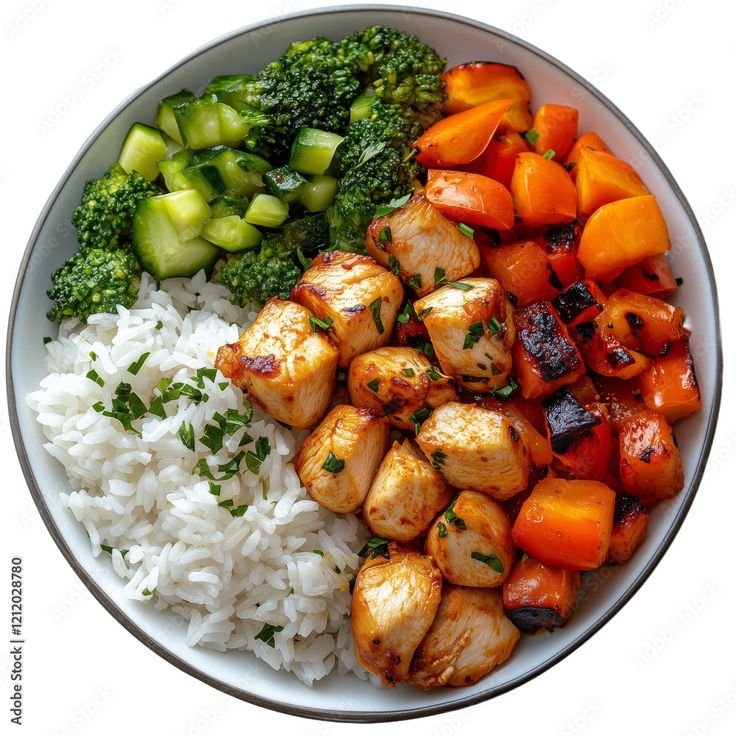
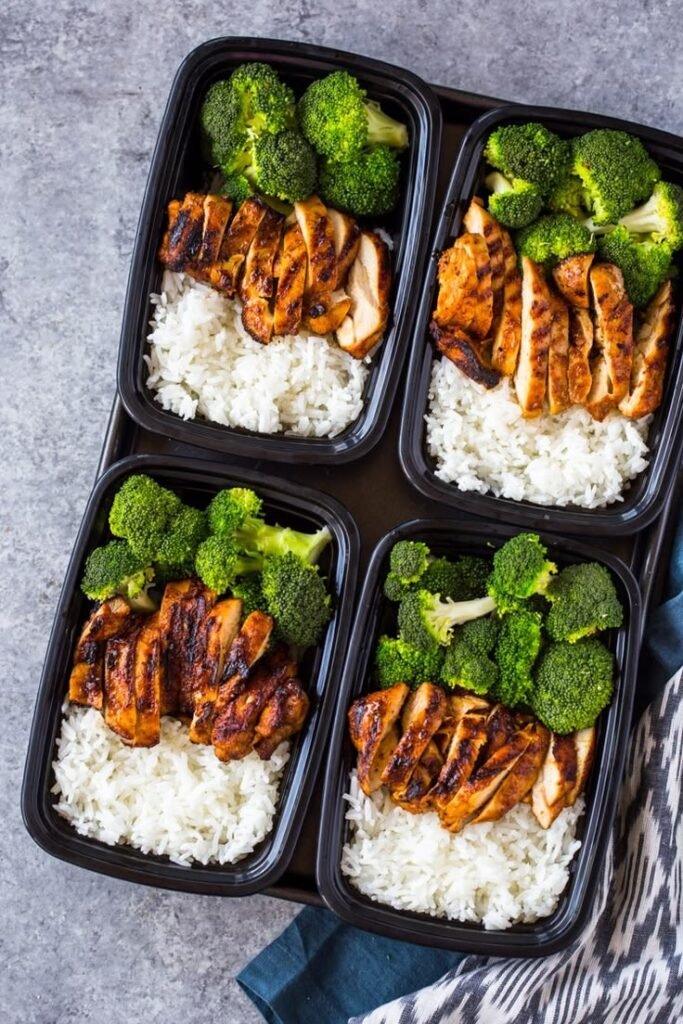
Chicken, brown rice, and vegetables are simple ingredients that can be combined into balanced meal-prep containers.
This is one of the easiest meal prep for weight loss options because the ingredients are affordable, easy to prepare, and flexible enough to use with different seasonings.
What You Need
- Cooked chicken breast
- Brown rice
- Broccoli
- Carrots
- Bell peppers
- Herbs and spices
- A small amount of olive oil if desired
Cook the chicken using methods such as baking or grilling. Prepare the rice and roast or steam your vegetables.
Divide everything into containers and store the meals properly.
Why It Works
This combination provides protein, carbohydrates, vegetables, and fiber. It can also be customized with different seasonings or sauces.
For weight management, pay attention to portion sizes and avoid adding large amounts of high-calorie sauces.
You can also change the protein source throughout the week. For example, replace chicken with fish, beans, lentils, or tofu.
This keeps your meal prep for weight loss routine interesting without requiring completely different recipes every day.
2. Overnight Oats for Breakfast
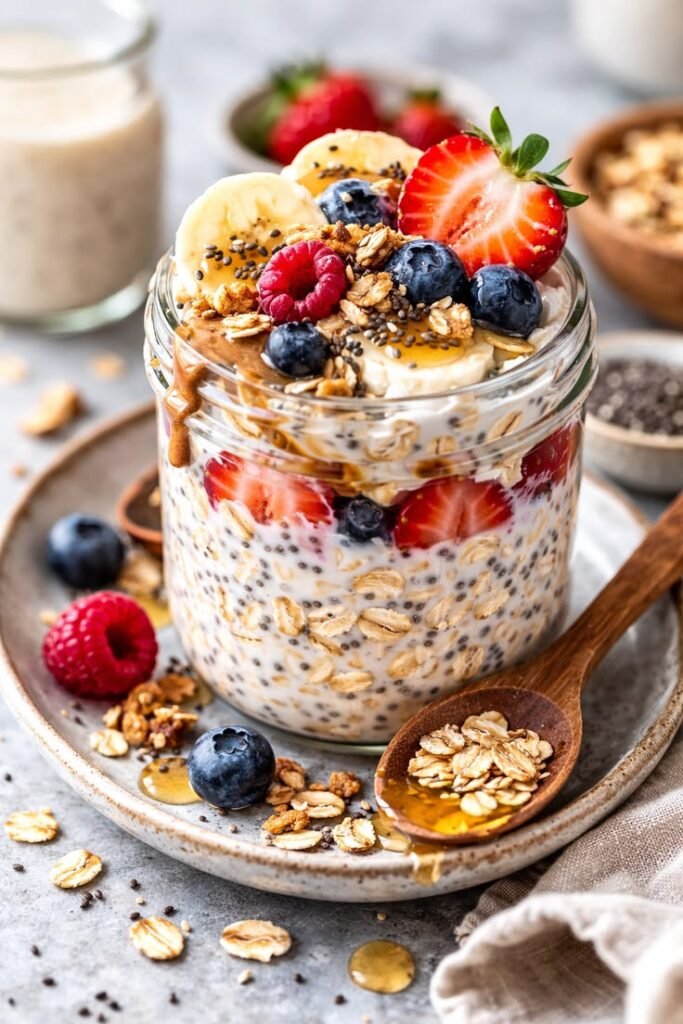
Breakfast can be one of the easiest meals to prepare in advance.
Overnight oats require little cooking and can be prepared the night before or several days ahead.
Basic Ingredients
- Oats
- Milk or unsweetened plant-based milk
- Greek yogurt
- Chia seeds
- Berries
- Cinnamon
Mix the ingredients in a container and refrigerate overnight.
In the morning, you have a ready-to-eat breakfast.
Why It Works
Oats provide fiber, while Greek yogurt and chia seeds can add protein and other nutrients.
You can change the fruit and toppings throughout the week to prevent boredom.
For example, one container can contain strawberries and chia seeds, while another can contain blueberries and cinnamon.
If you’re looking for more nutritious foods to include in your diet, our article on Foods High in Fiber and Protein can give you additional ideas.
3. Turkey and Vegetable Wraps
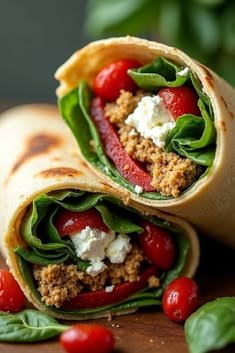
Wraps can make convenient lunches that are easy to prepare ahead of time.
Use a whole-grain tortilla and fill it with lean turkey, lettuce, cucumber, tomatoes, and other vegetables.
You can add a small amount of hummus or Greek-yogurt-based dressing for flavor.
Meal-Prep Tip
If you’re preparing wraps several days in advance, keep ingredients that release a lot of moisture separate until you’re ready to eat.
This can help prevent the tortilla from becoming soggy.
You can prepare the vegetables and turkey in advance and assemble the wrap shortly before eating.
How to Make It More Filling
Add a protein source such as turkey, chicken, beans, or eggs.
You can also include vegetables such as spinach, cucumber, tomatoes, cabbage, and bell peppers.
Choosing nutritious ingredients can make meal prep for weight loss easier because you have a balanced lunch ready when you need it.
4. Lentil and Vegetable Bowls
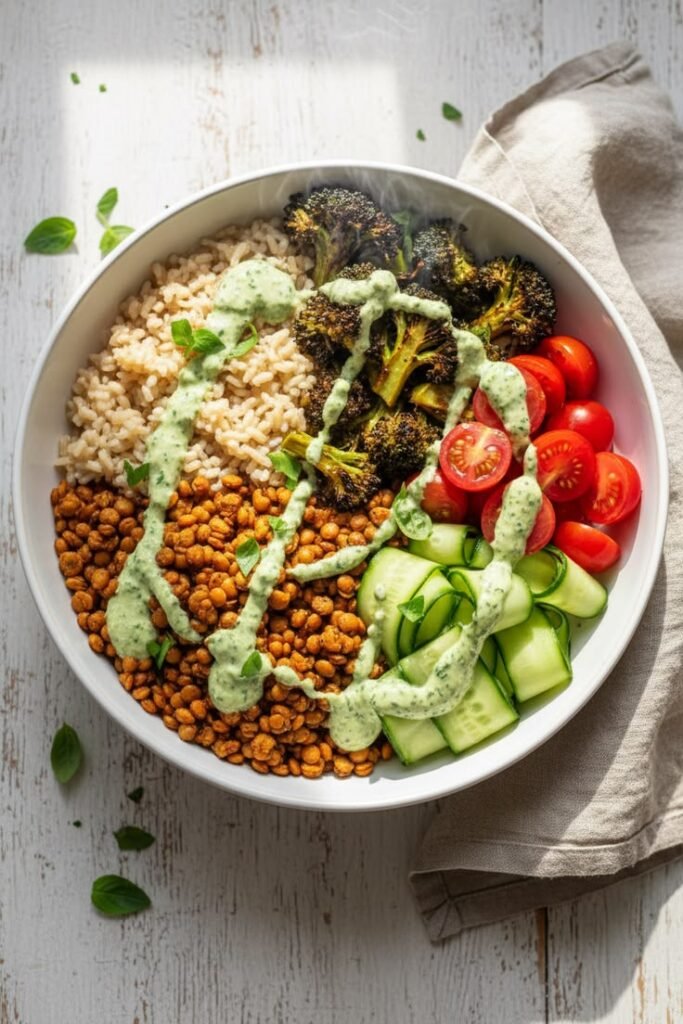
Lentils are affordable, nutritious, and easy to prepare in larger batches.
For a simple meal-prep bowl, combine:
- Cooked lentils
- Quinoa or brown rice
- Cucumber
- Tomatoes
- Spinach
- Carrots
- A light dressing
You can prepare a large batch and divide it into several portions.
Why It Works
Lentils provide both plant-based protein and fiber, making them a useful ingredient for filling meals.
You can also change the seasonings to create different flavors throughout the week.
For example, you could use cumin and paprika for one meal, herbs and lemon for another, and a mild curry seasoning for another.
This gives you variety without requiring several completely different recipes.
5. Sheet-Pan Chicken and Vegetables
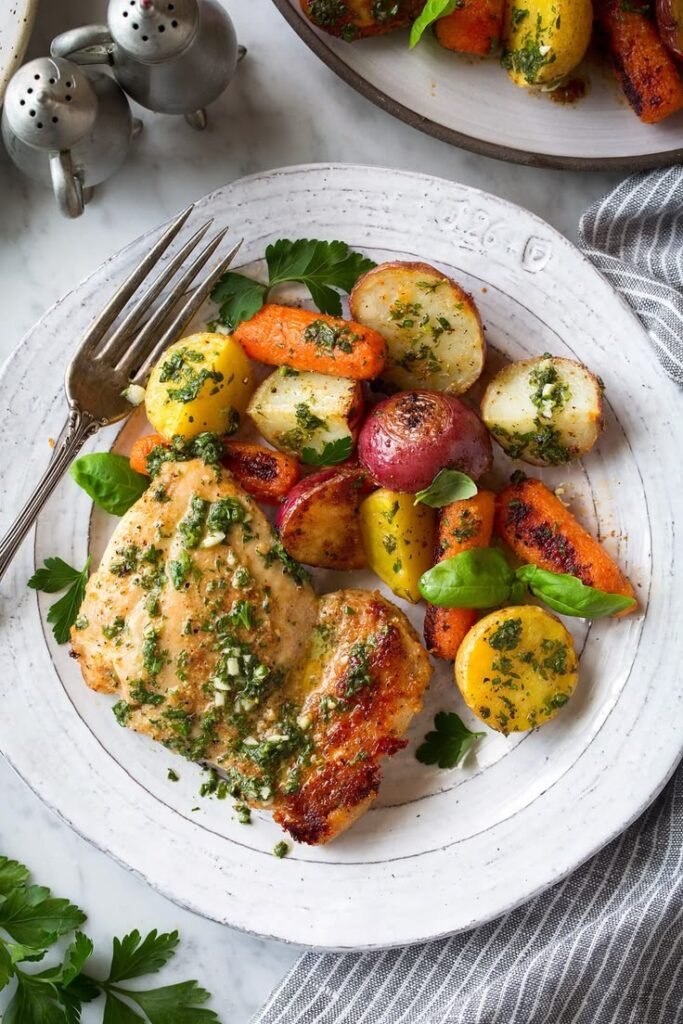
A sheet-pan meal is one of the easiest ways to prepare several portions at once.
Place chicken breast or another lean protein on a baking tray with vegetables such as:
- Broccoli
- Zucchini
- Bell peppers
- Onions
- Carrots
- Cabbage
Season with herbs and spices and roast until the food is properly cooked.
Divide the cooked food into containers and add a portion of whole grains if desired.
Why It Works
You can cook several ingredients at the same time, which saves both preparation and cleaning time.
This is especially useful if you have a busy work or school schedule.
You can also prepare a large tray of vegetables and use them with different meals throughout the week.
For example, roasted vegetables can be served with chicken one day, added to a grain bowl the next day, and combined with eggs for breakfast.
6. Egg and Vegetable Breakfast Boxes
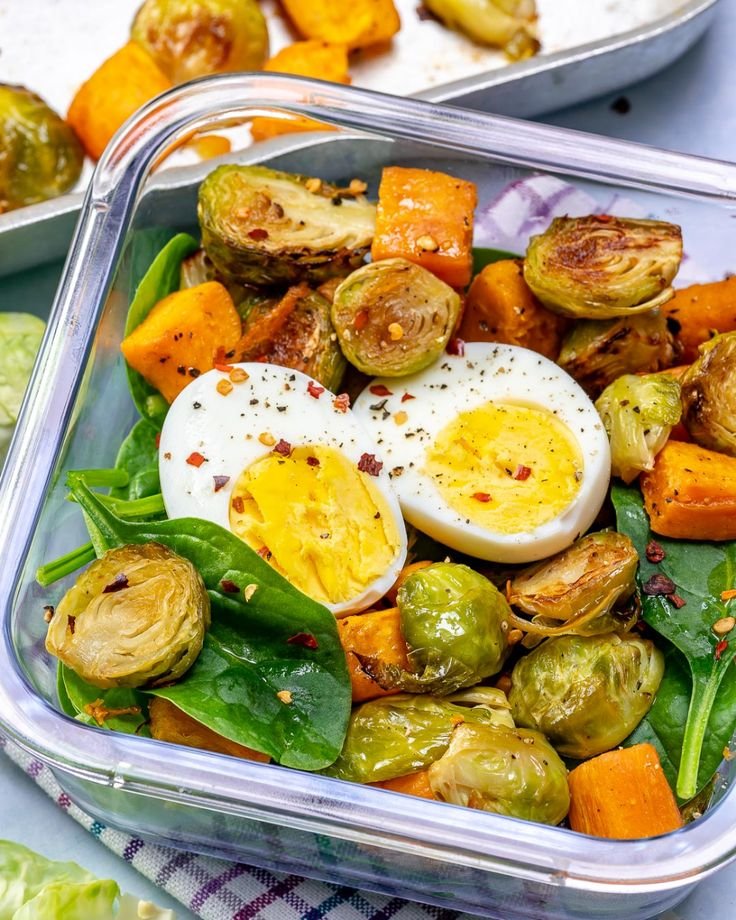
If you prefer a savory breakfast, prepare eggs with vegetables ahead of time.
You can make scrambled eggs or egg muffins using ingredients such as:
- Eggs
- Spinach
- Bell peppers
- Tomatoes
- Onions
- Mushrooms
Add a serving of fruit or whole-grain toast to create a more complete breakfast.
Why It Works
Eggs provide protein, while vegetables add fiber and important vitamins and minerals.
These breakfast boxes can also work as a quick snack when you need something filling.
Preparing them ahead of time means you can quickly grab breakfast instead of skipping it or choosing a less nutritious option.
7. Healthy Snack Boxes
Meal prep isn’t only about main meals.
Preparing snacks in advance can help you avoid grabbing less nutritious options when hunger appears.
Create simple snack boxes containing combinations such as:
Option 1: Apple + small portion of almonds
Option 2: Greek yogurt + berries
Option 3: Carrots + hummus
Option 4: Boiled eggs + cucumber
Option 5: Fruit + cottage cheese
You can also prepare vegetables such as cucumber, carrots, bell peppers, and celery in advance.
For more snack ideas, see our Healthy Snacks for Weight Loss article.
Preparing these portions in advance makes it easier to choose a balanced snack when you’re hungry.
How Meal Prep for Weight Loss Can Support Healthy Eating
There are several reasons meal prep for weight loss can be helpful.
It Can Make Portion Control Easier
When meals are already divided into portions, you may be less likely to serve yourself more food than you intended.
Portioning is especially useful for calorie-dense foods such as oils, nuts, seeds, sauces, and nut butters.
It Saves Time
Preparing food in batches means you don’t have to cook from scratch every day.
You may spend more time preparing food on one day, but you can save time throughout the rest of the week.
It Reduces Last-Minute Decisions
When you’re tired or hungry, it can be tempting to choose fast food or highly processed snacks.
Having a prepared meal available can make a healthier choice easier.
It Can Reduce Food Waste
Planning meals before shopping helps you buy only the ingredients you expect to use.
You can also check your refrigerator and pantry before creating your shopping list.
How to Start Meal Prep for Weight Loss
You don’t need to prepare seven days of food immediately.
Start with one or two meals.
For example, prepare:
- Three breakfasts
- Three lunches
- A few healthy snacks
Once you become comfortable with meal prep for weight loss, you can gradually increase the amount you prepare.
Step 1: Choose Your Meals
Pick a few simple meals you enjoy.
Avoid choosing complicated recipes that require ingredients you rarely use.
Start with foods you already enjoy and know how to prepare.
Step 2: Make a Shopping List
Write down everything you need before going grocery shopping.
A basic list might include:
- Lean protein
- Vegetables
- Fruits
- Whole grains
- Beans or lentils
- Greek yogurt
- Nuts or seeds
- Herbs and spices
Planning your shopping list can prevent unnecessary purchases and help you stay organized.
Step 3: Cook in Batches
Prepare several servings of your main ingredients at once.
For example, you can cook a large batch of chicken, rice, and vegetables rather than preparing them separately every day.
You can also prepare different ingredients separately and combine them into different meals.
Step 4: Portion Your Meals
Divide your meals into appropriate portions using food containers.
This makes your meals easy to grab when you’re busy.
Portioning can also help you become more aware of how much you’re eating.
Step 5: Store Food Safely
Cooked food should be stored properly and refrigerated promptly.
Use clean containers and follow food-safety guidance for refrigeration, freezing, reheating, and storage times.
For detailed food-safety guidance, you can check the U.S. Food and Drug Administration’s food safety resources.
If you won’t eat something within a safe refrigerated period, freezing it can be a useful option.
What Should a Weight-Loss Meal Prep Plate Include?
A balanced meal doesn’t need to be complicated.
A simple approach is to include several important food groups.
Protein
Examples include:
- Chicken
- Fish
- Eggs
- Greek yogurt
- Beans
- Lentils
- Tofu
- Lean meat
Protein is useful for maintaining muscle and making meals satisfying.
Vegetables
Choose a variety of colorful vegetables such as:
- Broccoli
- Spinach
- Carrots
- Peppers
- Tomatoes
- Cabbage
- Zucchini
Vegetables can add fiber, vitamins, minerals, water, and volume to meals.
Carbohydrates
Whole grains, potatoes, oats, brown rice, quinoa, and other carbohydrate sources can provide energy and important nutrients.
You don’t need to eliminate carbohydrates to lose weight.
Instead, choose portions that fit your individual needs.
Healthy Fats
Include moderate portions of foods such as:
- Avocado
- Nuts
- Seeds
- Olive oil
Healthy fats are nutritious but can also be calorie-dense, so portions still matter.
Easy Meal Prep Formula for Weight Loss
If you don’t want to follow complicated recipes, use a simple formula.
Choose:
1 protein + 1 carbohydrate + 2 vegetables + 1 small healthy-fat source
For example:
Chicken + brown rice + broccoli + carrots + avocado
Another option could be:
Lentils + quinoa + spinach + tomatoes + olive oil
This formula gives you flexibility while helping you build balanced meals.
Common Meal Prep Mistakes to Avoid
Meal prep can be helpful, but there are a few mistakes that can make it harder to maintain.
Making Every Meal Identical
Eating the same meal every day can become boring.
Change seasonings, vegetables, or protein sources to add variety.
Preparing Too Much Food
If you’re new to meal prep, don’t cook a huge amount before knowing how much you will actually eat.
Start small and adjust.
Forgetting About Snacks
If you only prepare main meals, you may still find yourself reaching for highly processed snacks between meals.
Prepare a few nutritious snack options as well.
Using Too Much Sauce or Oil
Healthy ingredients can become much higher in calories when large amounts of oil, creamy sauces, or dressings are added.
Use moderate portions and measure calorie-dense ingredients when necessary.
Making Meals Too Restrictive
A weight-loss diet doesn’t have to eliminate all foods you enjoy.
A sustainable meal plan should be nutritious while still allowing flexibility.
Ignoring Variety
A good meal prep for weight loss routine should be practical enough to maintain.
Use different vegetables, seasonings, grains, and protein sources throughout the week.
How Often Should You Meal Prep?
There is no perfect schedule.
Some people prefer preparing food once a week, while others find it easier to cook twice a week so their meals stay fresher.
You can also prepare ingredients rather than complete meals.
For example, cook chicken, rice, and vegetables separately and combine them differently throughout the week.
Choose the system that fits your schedule.
If cooking every Sunday feels overwhelming, try preparing food on Sunday and Wednesday instead.
Sunday Meal Prep Example
A simple Sunday routine could look like this:
Breakfast
Prepare overnight oats for three days.
Protein
Cook chicken breast and boil several eggs.
Vegetables
Wash and cut broccoli, carrots, cucumber, and bell peppers.
Carbohydrates
Cook brown rice or quinoa.
Snacks
Prepare small portions of fruit, nuts, yogurt, or vegetables.
Storage
Place ingredients in clean containers and refrigerate or freeze them appropriately.
This simple system can provide several components for your meals without requiring hours of daily cooking.
Meal Prep for Busy People
You don’t need to spend several hours in the kitchen to benefit from meal prep for weight loss.
If you have limited time, focus on preparation that gives you the biggest benefit.
For example:
- Wash fruit.
- Cut vegetables.
- Cook one protein.
- Prepare one grain.
- Buy convenient frozen vegetables.
- Portion snacks.
- Prepare overnight oats.
Even 30–60 minutes of preparation can make the next few days easier.
The goal isn’t perfection. The goal is to make healthy choices more convenient.
How to Keep Meal Prep Interesting
Eating the same foods repeatedly can make meal prep boring.
One easy solution is to use different seasonings.
For example, the same chicken can be prepared with:
- Garlic and herbs
- Paprika and cumin
- Lemon and black pepper
- Mild curry spices
- Italian-style herbs
You can also change your vegetables and carbohydrate sources.
Instead of brown rice every time, use quinoa, potatoes, oats, whole-grain pasta, or another suitable carbohydrate.
This creates variety without making your grocery list unnecessarily complicated.
Meal Prep and Healthy Snacks
Snacks can play an important role in your eating routine.
If you regularly become hungry between meals, preparing nutritious snacks can make meal prep for weight loss easier.
Good choices include:
- Fresh fruit
- Greek yogurt
- Boiled eggs
- Carrots and hummus
- Cottage cheese
- Nuts in moderate portions
- Cucumber
- Berries
- Air-popped popcorn
For additional ideas, you can read 20 Healthy Snacks for Weight Loss.
The goal isn’t to avoid snacks completely. Instead, choose snacks that fit your hunger, nutritional needs, and overall eating pattern.
Meal Prep and Fiber
Fiber can help make meals more satisfying and supports normal digestive health.
Include foods such as:
- Lentils
- Chickpeas
- Beans
- Oats
- Vegetables
- Berries
- Apples
- Pears
- Chia seeds
- Whole grains
If you want more ideas, read our guide to Fiber-Rich Foods for Weight Loss.
Combining fiber-rich foods with protein can create satisfying meals.
For example, you could combine lentils with vegetables, Greek yogurt with berries and chia seeds, or chicken with vegetables and whole grains.
Meal Prep and Portion Control
Portion control doesn’t mean eating tiny meals.
Instead, it means becoming aware of how much food you’re eating and choosing portions that fit your needs.
Meal prep can make this easier because you can portion meals before you’re extremely hungry.
This can be particularly useful for calorie-dense foods such as:
- Oils
- Nut butters
- Nuts
- Seeds
- Cheese
- Sauces
- Dressings
You can still include these foods. The key is using appropriate amounts.
Is Meal Prep Necessary for Weight Loss?
No.
You can lose weight without meal prepping.
Some people enjoy cooking fresh meals every day and don’t need to prepare food in advance.
However, meal prep for weight loss can be a useful tool if you have a busy schedule, frequently eat outside the home, or find yourself making unhealthy choices when you’re hungry.
Think of meal prep as a strategy rather than a requirement.
Use it when it makes your life easier.
Can Meal Prep Help You Eat Healthier?
Yes, meal preparation can make healthier choices more convenient.
When nutritious food is already prepared, you have an option available when hunger appears.
However, meal prep itself doesn’t guarantee a healthy diet.
You still need to consider:
- Food quality
- Portions
- Variety
- Protein
- Fiber
- Fruits and vegetables
- Healthy fats
- Overall calorie intake
The quality of the foods you prepare matters.
Frequently Asked Questions About Meal Prep for Weight Loss
What is the best meal prep for weight loss?
The best meal prep for weight loss is a routine that includes balanced meals you enjoy and can realistically prepare.
Chicken and vegetable bowls, overnight oats, lentil bowls, wraps, egg boxes, and healthy snack boxes are simple options.
How many days should I meal prep?
There is no single correct number.
Some people prepare two or three days of food, while others prepare several days at once.
Choose a schedule that works with your food-safety needs, lifestyle, and preferences.
Can meal prep help with portion control?
Yes.
Preparing individual portions ahead of time can make it easier to become aware of how much food you are eating.
What should I meal prep for breakfast?
Good options include overnight oats, eggs with vegetables, Greek yogurt with fruit and chia seeds, and whole-grain toast with eggs or another protein source.
What should I meal prep for lunch?
Chicken and vegetable bowls, lentil bowls, quinoa salads, turkey wraps, and bean-based meals can all work well.
Can I eat snacks while trying to lose weight?
Yes.
Snacks can fit into a weight-management plan. Choose portions and foods that fit your overall diet and hunger needs.
Is meal prep expensive?
It doesn’t have to be.
Beans, lentils, oats, eggs, rice, seasonal vegetables, frozen vegetables, and other basic foods can be affordable choices.
Buying ingredients in larger quantities can also reduce costs when you know you will use them.
Can I meal prep if I don’t have much time?
Yes.
Start with simple preparation such as washing vegetables, cooking one protein, preparing one grain, and portioning snacks.
Even small amounts of preparation can make healthy eating easier.
Final Thoughts
Meal prep for weight loss can make healthy eating simpler by helping you plan meals, control portions, save time, and reduce last-minute food choices.
You don’t need complicated recipes or expensive ingredients. Simple meals such as chicken and vegetable bowls, overnight oats, lentil bowls, wraps, sheet-pan meals, egg boxes, and healthy snack boxes can provide nutritious options throughout the week.
Start with a few meals, prepare ingredients you enjoy, and gradually develop a routine that works for your lifestyle.
Remember that meal prep is a tool, not a strict diet. The goal is to make healthy choices easier and more consistent over time.
A successful meal prep for weight loss routine should be flexible. You don’t need to prepare every meal perfectly or follow the same schedule every week. Some weeks you may prepare several meals, while other weeks you may only prepare a few ingredients.
Focus on balanced meals containing protein, vegetables, fiber-rich carbohydrates, and moderate amounts of healthy fats. Combine this approach with regular physical activity, adequate sleep, and sustainable eating habits.
If you’re also working on your overall fitness routine, read our 30-Day Fitness Challenge and How to Stay Motivated to Lose Weight articles for additional guidance.
Most importantly, don’t try to make your meal-prep routine perfect. The best meal prep for weight loss is the one you can consistently follow. Small preparations today can make healthier choices easier tomorrow.
Helpful External Resources
For evidence-based food-safety information when preparing and storing meals, see the U.S. Food and Drug Administration’s Food Safety at Home resources.
For general healthy-eating guidance, you can also review the CDC’s Healthy Eating resources.
For weight-management information from a government health resource, visit the National Institute of Diabetes and Digestive and Kidney Diseases.
Medical disclaimer: This article provides general educational information and is not a substitute for individualized medical or nutritional advice. If you have a medical condition, specific dietary requirements, food allergies, or other health concerns, speak with a qualified healthcare professional before making major changes to your diet.