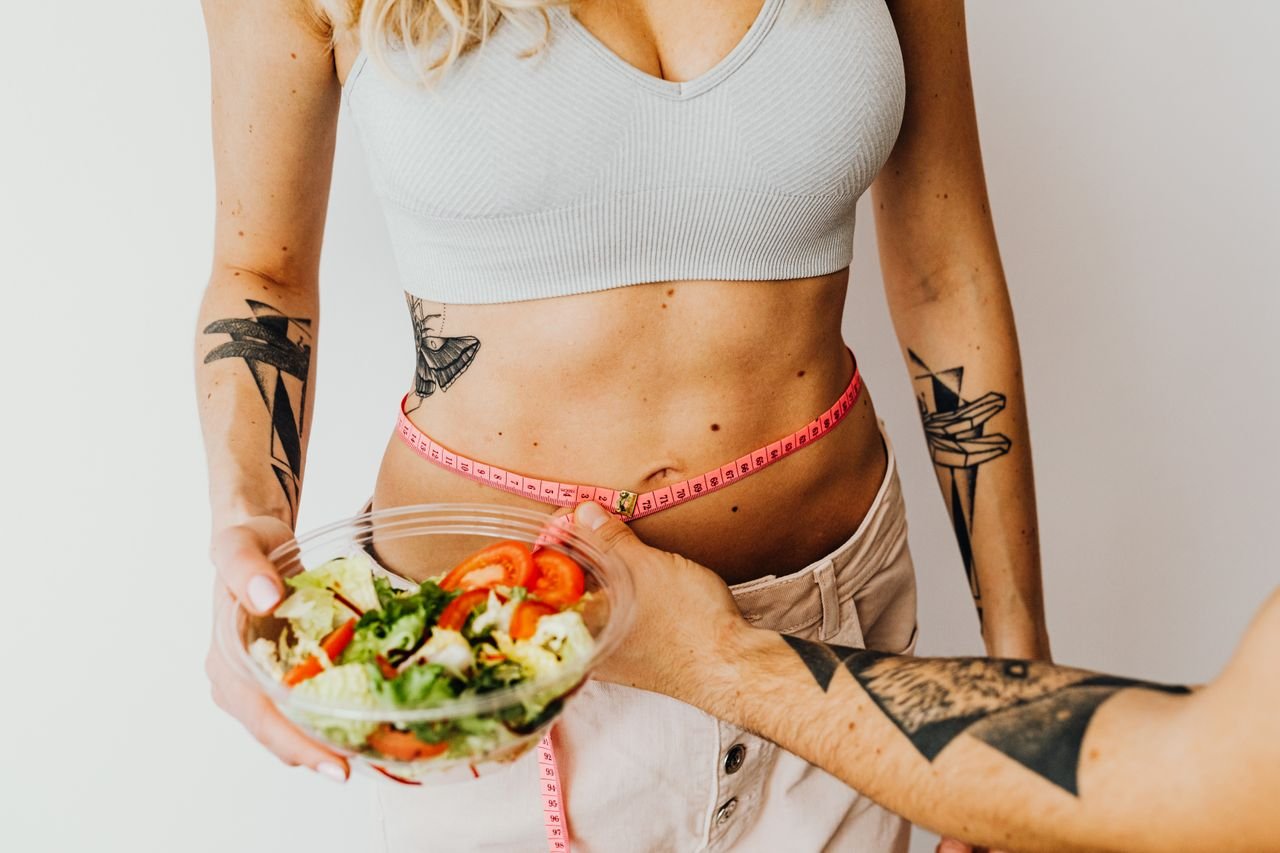
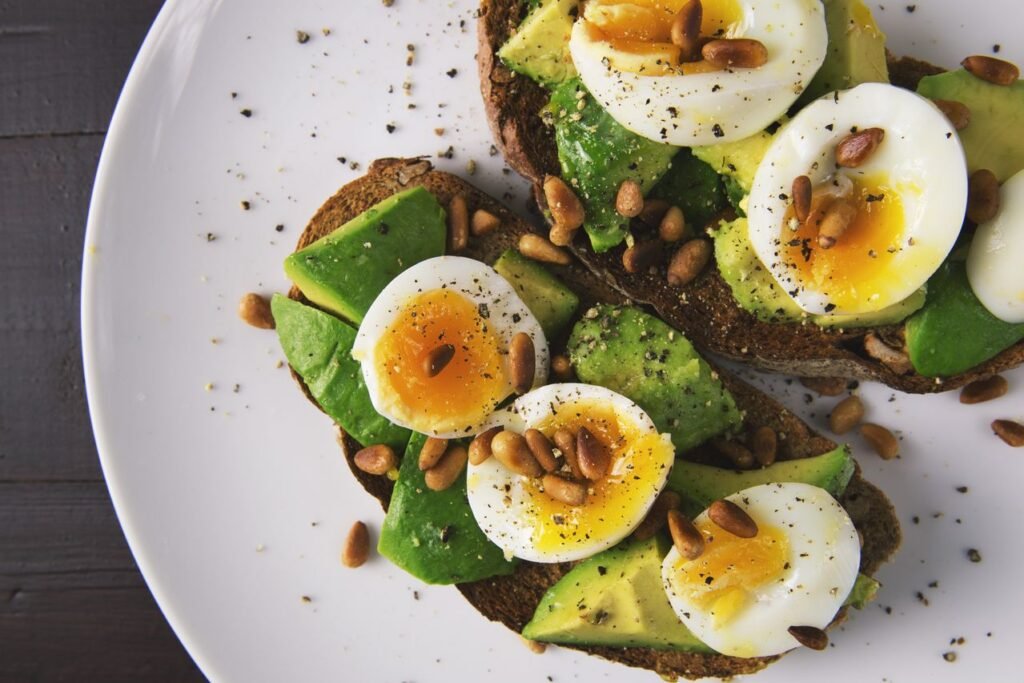
Protein is one of the most important nutrients for building a strong and healthy body. Whether your goal is losing weight, gaining muscle, or improving your overall fitness, eating enough protein can help support your progress.
High Protein Foods provide essential nutrients that help repair muscles, control hunger, and support normal body functions. Including a variety of protein sources in your daily meals can make it easier to achieve your fitness goals while maintaining a balanced diet.
Protein is also useful because it can be included in many different types of meals. You can enjoy eggs at breakfast, chicken or beans at lunch, fish at dinner, and Greek yogurt or nuts as a snack.
In this guide, we will explore the 10 best High Protein Foods that can support weight management, muscle building, recovery, and overall nutrition.
Top 15 healthy breakfast
Why Protein Is Important for Weight Loss and Muscle Building
Protein plays a key role in many important body functions. Your body uses protein to build and repair tissues, produce enzymes and hormones, and maintain muscles.
Supports Muscle Growth
When you exercise, especially with strength training, your muscles experience stress that stimulates adaptation. Adequate protein provides amino acids that your body uses to repair and maintain muscle tissue.
For people trying to build muscle, protein works best when combined with consistent resistance training, adequate energy intake, and sufficient recovery.
Helps Control Hunger
Protein can help you feel satisfied after meals. Including a protein source with meals and snacks may make it easier to manage hunger throughout the day.
For example, a breakfast containing eggs or Greek yogurt may be more filling than a breakfast made primarily from refined carbohydrates.
Supports Fat Loss
When losing weight, maintaining muscle is important. Eating enough protein while following an appropriate exercise program can help support muscle maintenance as you reduce body fat.
Protein should therefore be part of a balanced weight-loss diet rather than the only nutrient you focus on.
Improves Recovery
Your body needs protein to repair tissues after physical activity. Eating balanced meals throughout the day can help provide the nutrients needed for recovery.
A post-workout meal containing protein and carbohydrates can be a practical option after exercise.
For more information about protein and healthy eating, see the Harvard T.H. Chan School of Public Health Nutrition Source.
How Much Protein Do You Need?
Protein needs depend on several factors, including:
- Body weight
- Fitness goals
- Activity level
- Age
- Exercise routine
- Overall diet
People who exercise regularly or want to build muscle may need more protein than people with lower activity levels.
A useful starting point is to include a protein source in every main meal.
Examples include:
- Eggs at breakfast
- Chicken at lunch
- Fish at dinner
- Greek yogurt as a snack
- Beans or lentils in a plant-based meal
The exact amount that is appropriate varies from person to person. Your total diet, exercise routine, and health needs should all be considered.
The International Society of Sports Nutrition publishes research and educational resources related to sports nutrition and protein.
Healthy food that helps burn fat
10 Best High Protein Foods
1. Eggs
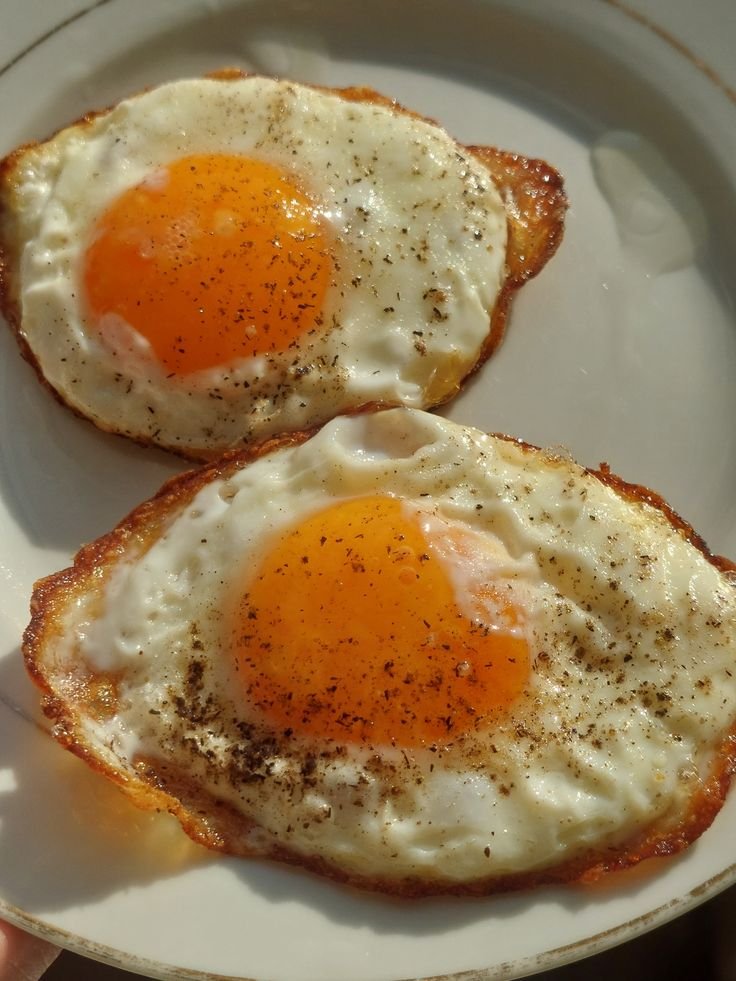
Eggs are one of the most popular High Protein Foods because they are affordable, versatile, and easy to prepare.
They can be boiled, scrambled, poached, or used in omelets with vegetables.
Benefits of Eggs
- Provide high-quality protein
- Contain important vitamins and minerals
- Easy to prepare
- Can be included in many meals
- Help make breakfast more filling
Eggs can be combined with vegetables and whole-grain foods to create a balanced breakfast.
For example, try scrambled eggs with spinach and tomatoes alongside whole-grain toast.
Eggs can also be useful for meal preparation. You can boil several eggs in advance and keep them available for quick meals or snacks.
Simple Egg Meal
Try:
- 2 eggs
- Spinach
- Tomatoes
- Whole-grain toast
- A piece of fruit
This combination provides protein, carbohydrates, fiber, and other nutrients.
2. Chicken Breast
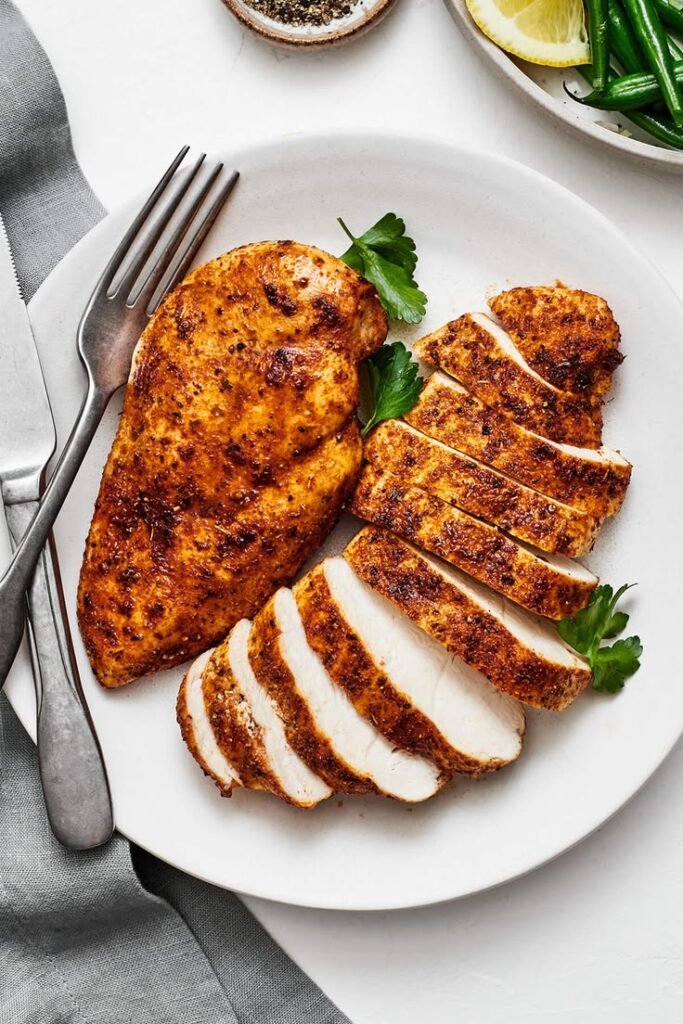
Chicken breast is another popular protein source, especially among people who exercise regularly.
It is naturally rich in protein and can be prepared in many different ways.
Benefits of Chicken Breast
- High in protein
- Versatile
- Easy to prepare
- Works well for meal preparation
- Can be combined with vegetables and whole grains
You can add chicken breast to:
- Salads
- Rice bowls
- Wraps
- Sandwiches
- Vegetable dishes
- Soups
For a healthier preparation method, try grilling, baking, roasting, or air-frying chicken instead of deep-frying it.
Simple Chicken Meal
Combine:
- Grilled chicken breast
- Brown rice
- Broccoli
- Carrots
- A small amount of olive oil
This creates a balanced meal containing protein, carbohydrates, vegetables, and healthy fats.
3. Fish
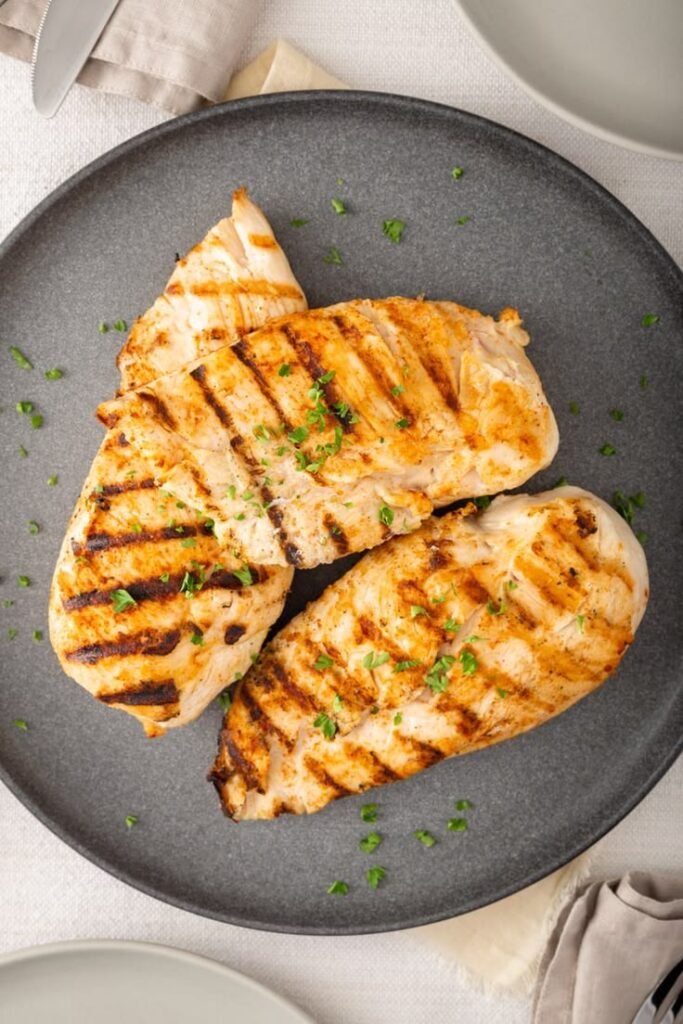
Fish is an excellent source of protein and can provide important nutrients depending on the type you choose.
Examples include:
- Salmon
- Tuna
- Sardines
- Cod
- Mackerel
- Tilapia
Fatty fish such as salmon and sardines also provide omega-3 fatty acids.
Benefits of Fish
- Provides protein
- Can provide omega-3 fats
- Works well with vegetables
- Can be baked or grilled
- Provides variety in your diet
Try replacing another protein source with fish several times a week if it fits your preferences and dietary needs.
Healthy Fish Meal
Try baked salmon with:
- Roasted vegetables
- Sweet potatoes
- Green salad
This provides a nutrient-rich combination that works well for both general health and fitness-focused eating.
The FDA advice on eating fish provides additional information about choosing fish as part of a healthy diet.
4. Greek Yogurt
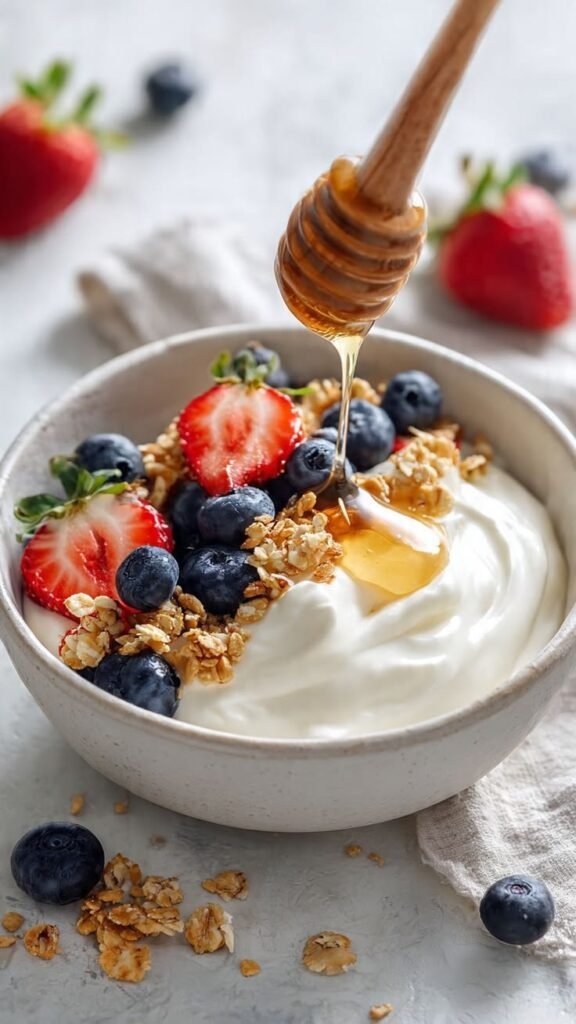
Greek yogurt is a convenient protein-rich food that works well for breakfast, snacks, and desserts.
Plain Greek yogurt can be combined with fruits, oats, seeds, or nuts.
Benefits of Greek Yogurt
- Convenient source of protein
- Contains calcium
- Easy to combine with other foods
- Useful as a breakfast or snack
- Can support a balanced diet
When choosing yogurt, check the nutrition label and consider choosing varieties with less added sugar.
Healthy Greek Yogurt Bowl
Combine:
- Plain Greek yogurt
- Berries
- Chia seeds
- A small amount of nuts
- Oats
This creates a filling snack or breakfast with protein, fiber, and healthy fats.
5. Lean Beef
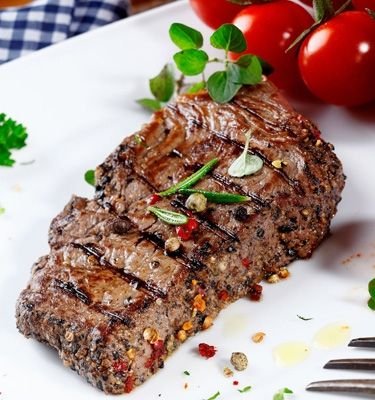
Lean beef provides protein along with nutrients such as iron and zinc.
Choosing leaner cuts can help you include beef while keeping your overall fat intake in check.
Benefits of Lean Beef
- Provides protein
- Contains iron
- Contains zinc
- Supports muscle maintenance
- Can be included in balanced meals
You can use lean beef in:
- Stir-fries
- Rice bowls
- Salads
- Soups
- Whole-grain wraps
Try pairing lean beef with vegetables and a moderate portion of potatoes, rice, or another whole-food carbohydrate.
Example Meal
A balanced beef meal could include:
- Lean beef
- Brown rice
- Broccoli
- Peppers
- Tomatoes
This combination provides protein, carbohydrates, fiber, vitamins, and minerals.
6. Beans and Lentils
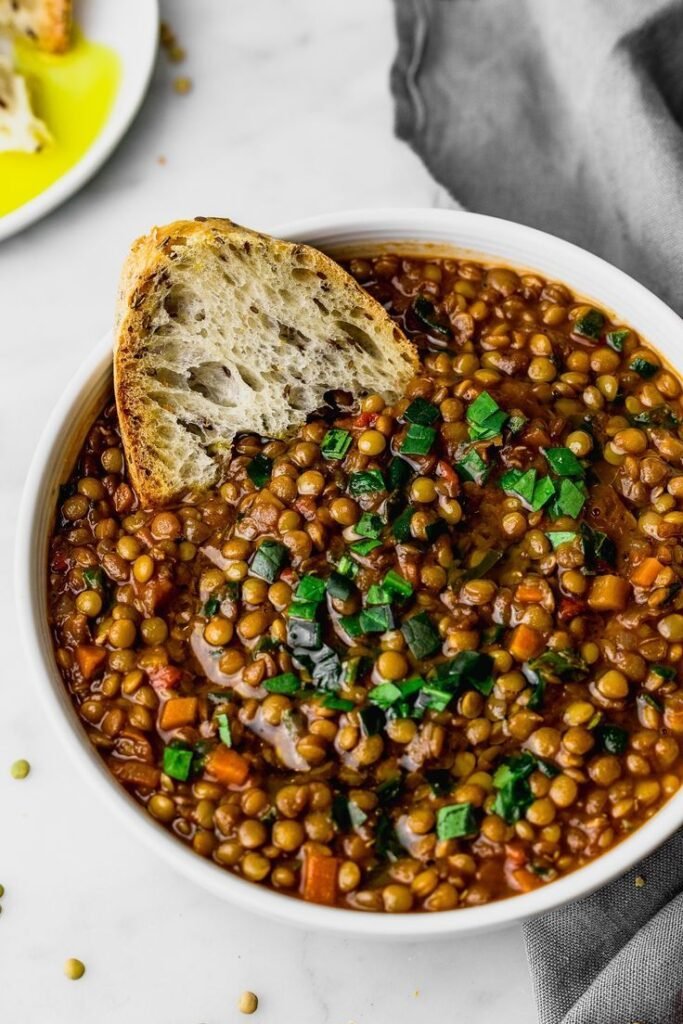
Beans and lentils are excellent plant-based High Protein Foods.
They are particularly useful because they provide both protein and fiber.
Examples include:
- Black beans
- Kidney beans
- Chickpeas
- Green lentils
- Brown lentils
- Red lentils
Benefits of Beans and Lentils
- Provide plant-based protein
- Rich in fiber
- Affordable
- Versatile
- Easy to add to meals
You can use beans and lentils in soups, salads, stews, rice dishes, and wraps.
Simple Lentil Meal
Try lentils with:
- Brown rice
- Spinach
- Carrots
- Tomatoes
- Cucumber
This is a simple plant-based meal that can be filling and nutritious.
Beans can also help make meals more affordable because they are generally inexpensive compared with many animal-based protein sources.
7. Cottage Cheese
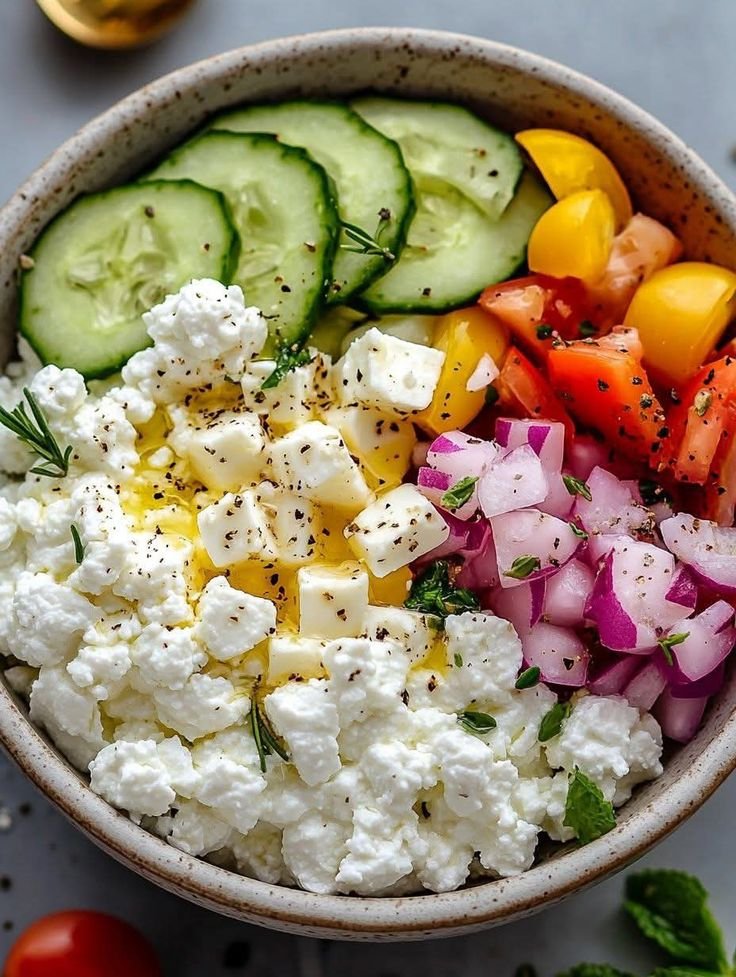
Cottage cheese is a protein-rich dairy food that can be used as a snack, breakfast, or ingredient in meals.
Benefits of Cottage Cheese
- High in protein
- Convenient
- Contains calcium
- Easy to combine with other foods
- Useful for snacks
You can eat cottage cheese with:
- Berries
- Apples
- Bananas
- Nuts
- Seeds
- Whole-grain crackers
For a savory option, combine cottage cheese with tomatoes, cucumber, black pepper, and herbs.
Simple Cottage Cheese Snack
Try:
- Cottage cheese
- Fresh berries
- Chia seeds
- A few almonds
This makes a simple protein-rich snack.
8. Nuts and Seeds
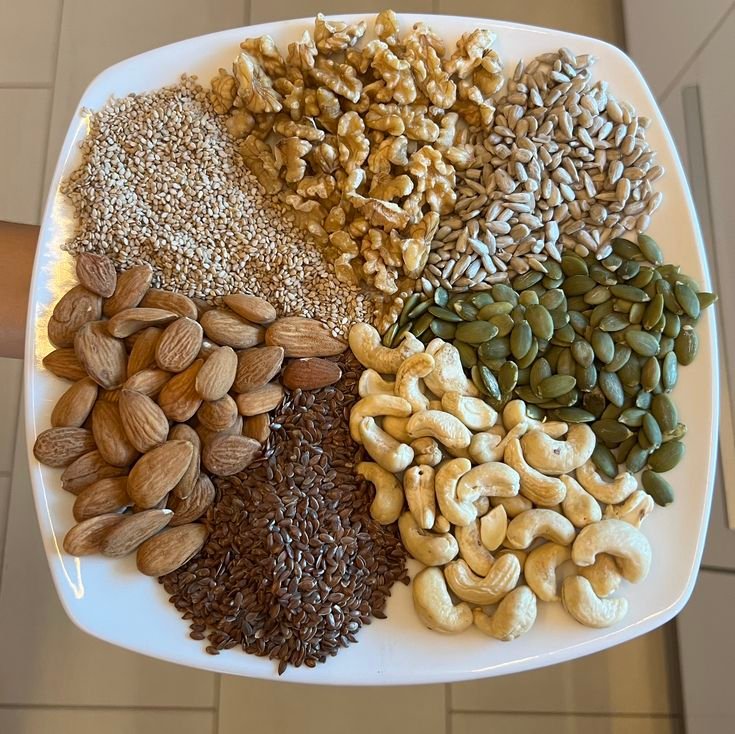
Nuts and seeds provide protein along with healthy fats, fiber, and other nutrients.
Examples include:
- Almonds
- Peanuts
- Pumpkin seeds
- Chia seeds
- Sunflower seeds
- Flaxseeds
They are convenient because they require little preparation.
Benefits of Nuts and Seeds
- Provide protein
- Provide healthy fats
- Convenient for snacks
- Easy to add to meals
- Provide fiber and other nutrients
However, nuts and seeds are calorie-dense, so portion size matters if your goal is weight loss.
A small serving can be added to yogurt, oatmeal, salads, or smoothies.
Easy Snack
Try:
- A small handful of almonds
- One piece of fruit
- Water or unsweetened tea
This can be a convenient snack between meals.
9. Tofu
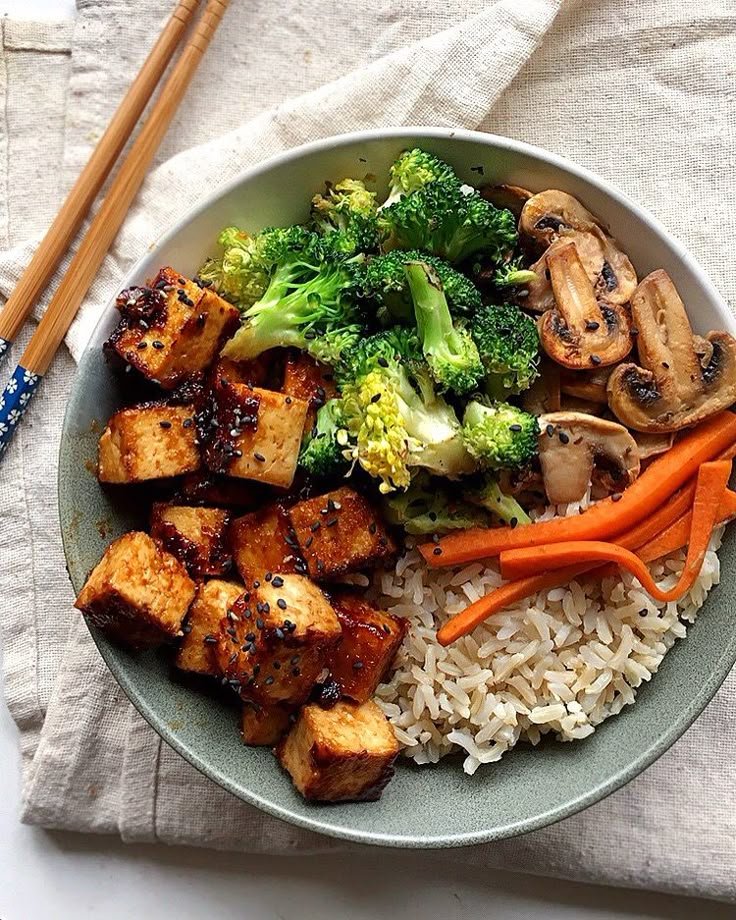
Tofu is a versatile plant-based protein made from soybeans.
It can be grilled, baked, stir-fried, or added to soups.
Benefits of Tofu
- Provides plant-based protein
- Versatile
- Works in many recipes
- Can replace meat in some meals
- Suitable for many vegetarian and vegan diets
Tofu can be combined with vegetables and whole grains to create a balanced meal.
Simple Tofu Stir-Fry
Try:
- Tofu
- Broccoli
- Carrots
- Peppers
- Brown rice
- A small amount of sauce
This is a simple way to add plant-based protein to your diet.
For more information about soy foods and nutrition, the Harvard T.H. Chan School of Public Health provides additional information.
10. Protein Powder

Protein powder can be a convenient way to increase protein intake, particularly for people who have difficulty getting enough protein from regular foods.
Common varieties include:
- Whey protein
- Casein protein
- Soy protein
- Pea protein
- Other plant-based protein blends
When Protein Powder May Be Useful
Protein powder can be convenient when:
- You have a busy schedule
- You need a quick post-workout option
- You struggle to eat enough protein from food
- You want an easy ingredient for smoothies
However, protein supplements are not required for everyone.
Whole foods should remain an important part of your diet because they provide protein alongside other nutrients.
Always check the ingredient and nutrition labels when choosing a supplement.
Best Ways to Add High Protein Foods to Your Diet
Increasing your protein intake does not have to mean completely changing your diet.
Small changes can make a significant difference.
Breakfast
Try:
- Eggs with vegetables
- Greek yogurt with fruit
- Cottage cheese with berries
- Protein smoothie
- Oatmeal with seeds
Lunch
Try:
- Chicken salad
- Fish with vegetables
- Beans and rice
- Lentil soup
- Tofu bowl
Dinner
Try:
- Lean meat with vegetables
- Grilled fish with potatoes
- Tofu stir-fry
- Chicken with brown rice
- Lentils with vegetables
Snacks
Try:
- Greek yogurt
- Cottage cheese
- Nuts
- Boiled eggs
- Fruit with peanut butter
The key is consistency. You do not need to eat the same foods every day.
High Protein Foods for Weight Loss
When trying to lose weight, focus on protein sources that fit into a balanced and appropriate calorie intake.
Good choices include:
- Chicken breast
- Fish
- Eggs
- Greek yogurt
- Cottage cheese
- Beans
- Lentils
- Tofu
Combining protein with vegetables and nutritious carbohydrate sources can create balanced meals that are satisfying.
For example, instead of eating a large portion of fried chicken with fries, you could choose grilled chicken with roasted vegetables and a moderate serving of potatoes.
This does not mean fried foods can never be eaten. It simply means that nutrient-dense options should make up most of your diet.
Healthy meal for weight loss
High Protein Foods for Muscle Building
For muscle growth, protein should be combined with an appropriate strength-training routine and sufficient recovery.
A muscle-building diet can include:
- Eggs
- Chicken
- Fish
- Lean beef
- Greek yogurt
- Cottage cheese
- Beans
- Lentils
- Tofu
- Protein powder when useful
Instead of consuming most of your protein in one meal, consider including protein sources throughout the day.
For example:
Breakfast: Eggs and whole-grain toast
Lunch: Chicken, rice, and vegetables
Snack: Greek yogurt and fruit
Dinner: Fish, potatoes, and vegetables
This provides several opportunities throughout the day to consume protein.
How much protein do you need to build muscle
How to Combine Protein With Other Nutrients
Protein is important, but a healthy diet requires more than protein alone.
A balanced meal can include:
Protein
Chicken, fish, eggs, beans, lentils, tofu, or yogurt.
Carbohydrates
Oats, rice, potatoes, fruits, or whole grains.
Healthy Fats
Avocado, nuts, seeds, olive oil, or fatty fish.
Vegetables
Spinach, broccoli, carrots, tomatoes, cabbage, or peppers.
Combining these food groups can help create meals that provide a broad range of nutrients.
Common Mistakes When Eating More Protein
Eating Too Much Protein Without Balance
Protein is important, but eating extremely large amounts does not automatically lead to better results.
Your body also needs:
- Carbohydrates
- Healthy fats
- Vitamins
- Minerals
- Fiber
- Fluids
A balanced diet is more useful than focusing on one nutrient alone.
Ignoring Total Calories
If your goal is weight loss, total energy intake still matters.
Eating large amounts of calorie-dense protein foods can make it difficult to maintain an appropriate calorie intake.
For example, nuts and cheese can provide useful nutrients but can also add significant calories in large portions.
Depending Only on Supplements
Protein powder can be convenient, but it should not replace a varied diet.
Whole foods provide protein along with other nutrients.
Not Drinking Enough Water
Hydration is important for normal body functions and exercise.
Drink fluids regularly and pay attention to your hydration needs, particularly during exercise and hot weather.
Eating the Same Protein Every Day
Variety is useful.
Instead of eating chicken at every meal, rotate between:
- Eggs
- Fish
- Chicken
- Beans
- Lentils
- Yogurt
- Tofu
- Lean meat
A varied diet can make healthy eating more enjoyable.
How to Choose the Best Protein Foods
When selecting protein foods, consider several factors.
Look at the Whole Food
A food can contain protein while also providing fiber, vitamins, minerals, or healthy fats.
For example, beans provide protein and fiber, while fish provides protein and other nutrients.
Consider Preparation Methods
How you prepare a food can change the overall calorie and fat content of the meal.
Try:
- Grilling
- Baking
- Roasting
- Steaming
- Boiling
- Air-frying
Instead of relying heavily on deep-frying.
Consider Your Preferences
The best protein source is one that you enjoy and can regularly include.
If you do not enjoy chicken, there are many alternatives.
You can choose:
- Fish
- Eggs
- Beans
- Lentils
- Tofu
- Yogurt
- Lean meat
High Protein Foods for Breakfast
Breakfast is an easy opportunity to include protein.
Try an omelet with vegetables, Greek yogurt with berries, or oatmeal topped with seeds and a side of eggs.
A protein-rich breakfast may also be useful for people who become hungry soon after eating.
Examples include:
Option 1
Eggs + vegetables + whole-grain toast
Option 2
Greek yogurt + berries + chia seeds
Option 3
Oatmeal + peanut butter + fruit
Option 4
Protein smoothie + banana
Choose an option that fits your calorie needs, preferences, and daily schedule.
High Protein Foods for Snacks
Snacks do not have to be highly processed.
Protein-rich options include:
- Boiled eggs
- Greek yogurt
- Cottage cheese
- Nuts
- Seeds
- Edamame
- Fruit with peanut butter
If you are trying to lose weight, pay attention to portions, particularly with nuts, seeds, cheese, and peanut butter.
High Protein Foods for Vegetarians
People who do not eat meat can still get plenty of protein from plant and dairy foods.
Good options include:
- Beans
- Lentils
- Chickpeas
- Tofu
- Tempeh
- Greek yogurt
- Cottage cheese
- Eggs, for those who eat them
- Nuts
- Seeds
Combining different foods throughout the day can help create a varied diet.
For example, lentils with rice and vegetables make a simple and nutritious meal.
Meal Preparation With High Protein Foods
Meal preparation can make it easier to eat enough protein throughout the week.
You can prepare several ingredients at once.
For example:
Protein: grilled chicken and boiled eggs
Carbohydrate: brown rice and sweet potatoes
Vegetables: broccoli, carrots, and peppers
Then combine these ingredients into different meals throughout the week.
This can save time and reduce the temptation to rely on fast food when you are busy.
How to Make High Protein Meals More Interesting
Eating healthy does not mean eating boring meals.
Use different herbs, spices, vegetables, and cooking methods to create variety.
For chicken, try:
- Garlic
- Paprika
- Lemon
- Black pepper
- Herbs
For fish, try:
- Lemon
- Garlic
- Herbs
- Black pepper
For beans and lentils, try:
- Tomatoes
- Cumin
- Garlic
- Onion
- Chili
- Fresh herbs
Using different flavors can make nutritious meals more enjoyable.
Final Thoughts
Adding High Protein Foods to your diet can support muscle maintenance, recovery, fullness, and overall nutrition. Protein is particularly useful when combined with regular strength training, a balanced diet, and consistent healthy habits.
Foods such as eggs, chicken, fish, Greek yogurt, lean beef, beans, lentils, cottage cheese, nuts, seeds, tofu, and protein powder can all have a place in a balanced eating pattern.
You do not need to eat enormous amounts of protein or rely entirely on supplements. Instead, include a reasonable protein source in your meals and choose a variety of nutritious foods.
For weight loss, combine protein with vegetables, high-fiber carbohydrates, healthy fats, and appropriate portions. For muscle building, combine adequate protein with resistance training, sufficient energy, and recovery.
The most important thing is consistency. Choose High Protein Foods that you enjoy, prepare them in simple ways, and make them part of a balanced eating routine that you can maintain over time.