
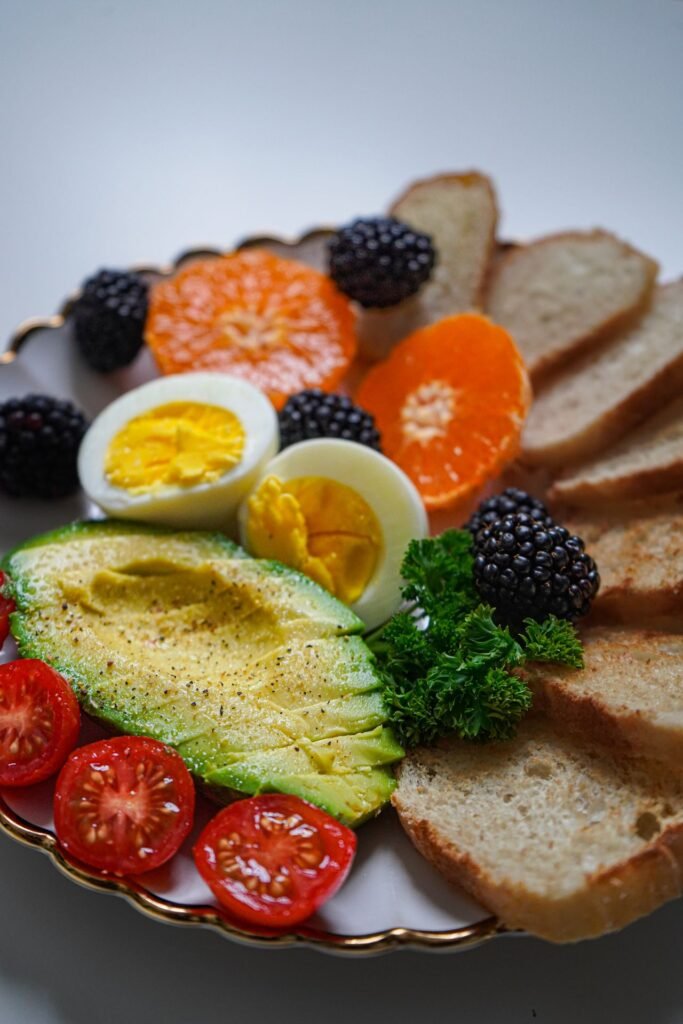
Healthy Breakfast Ideas can make it easier to start your day with nutritious foods that support energy, fullness, fitness, and healthy weight management. Breakfast is one of the meals many people use to establish their eating routine for the rest of the day.
Meal Planning is a simple way to organize healthy meals, save time, control portions, and stay consistent with your health and fitness goals.
The best Healthy Breakfast Ideas include a balance of protein, fiber, healthy fats, carbohydrates, vitamins, and minerals. A nutritious breakfast can help you feel satisfied and provide fuel for daily activities and workouts.
However, there is no single breakfast that works for everyone. Some people prefer a large morning meal, while others prefer a smaller breakfast or eat later in the day. What matters most is the overall quality of your diet and whether your eating pattern supports your individual goals.
In this guide, we will explore 15 simple and healthy breakfast options that can support weight management, provide energy, and help you build better eating habits.
Why Are Healthy Breakfast Ideas Important?
Choosing nutritious Healthy Breakfast Ideas can help you start the day with a balanced combination of nutrients.
A breakfast containing protein, fiber, and healthy fats can be more satisfying than a meal consisting mostly of refined carbohydrates or added sugar.
1. Supports Weight Management
A nutritious breakfast can help you build a balanced eating routine.
Foods containing protein and fiber can help you feel satisfied, which may make it easier to manage hunger between meals.
However, breakfast itself does not automatically cause weight loss. Your overall calorie intake, food choices, physical activity, sleep, and other lifestyle factors all matter.
2. Provides Energy
Your body needs energy for walking, working, studying, exercising, and completing everyday activities.
Breakfast foods such as oats, fruit, whole grains, eggs, yogurt, and nuts can provide a combination of carbohydrates, protein, and fats.
3. Supports Muscle Health
Including protein in breakfast can help you meet your daily protein needs.
Protein sources include:
- Eggs
- Greek yogurt
- Cottage cheese
- Milk
- Fish
- Chicken
- Beans
- Protein smoothies
If you exercise regularly, spreading protein across your meals can be a practical way to support muscle maintenance and recovery.
4. Improves Focus
A balanced meal can provide nutrients and energy needed for daily activities.
Instead of relying heavily on sugary breakfast foods, choose meals that contain protein, fiber, and nutrient-rich ingredients.
Healthy meal for weight loss
What Makes a Healthy Breakfast?
A good breakfast does not need to be complicated.
Try building your breakfast around several important components.
Protein
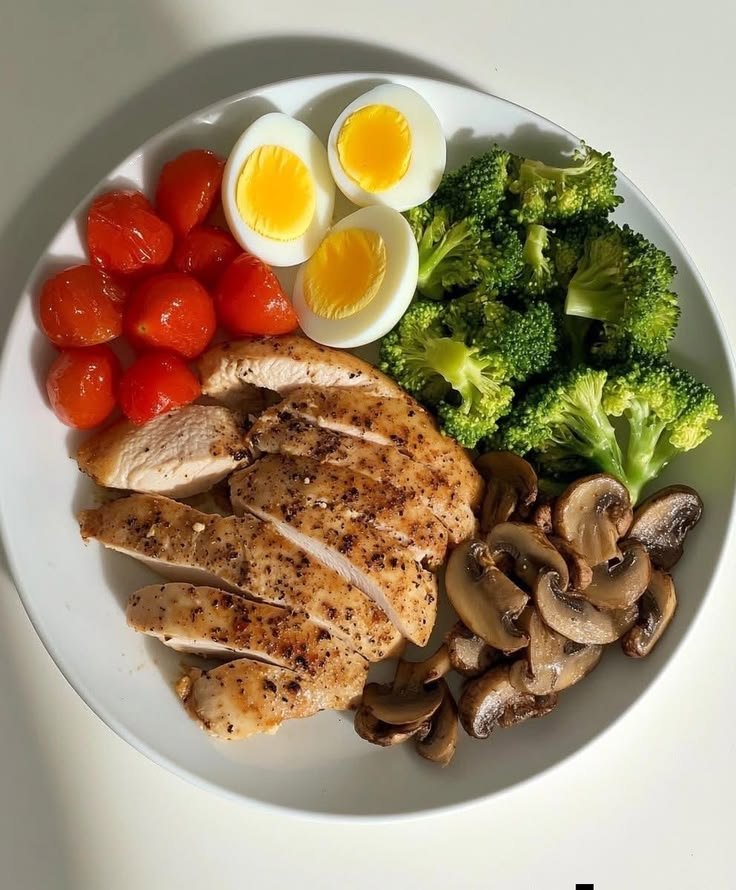
Protein helps support muscle maintenance and can contribute to fullness.
Examples include:
- Eggs
- Greek yogurt
- Cottage cheese
- Milk
- Beans
- Fish
- Chicken
- Protein smoothies
Fiber
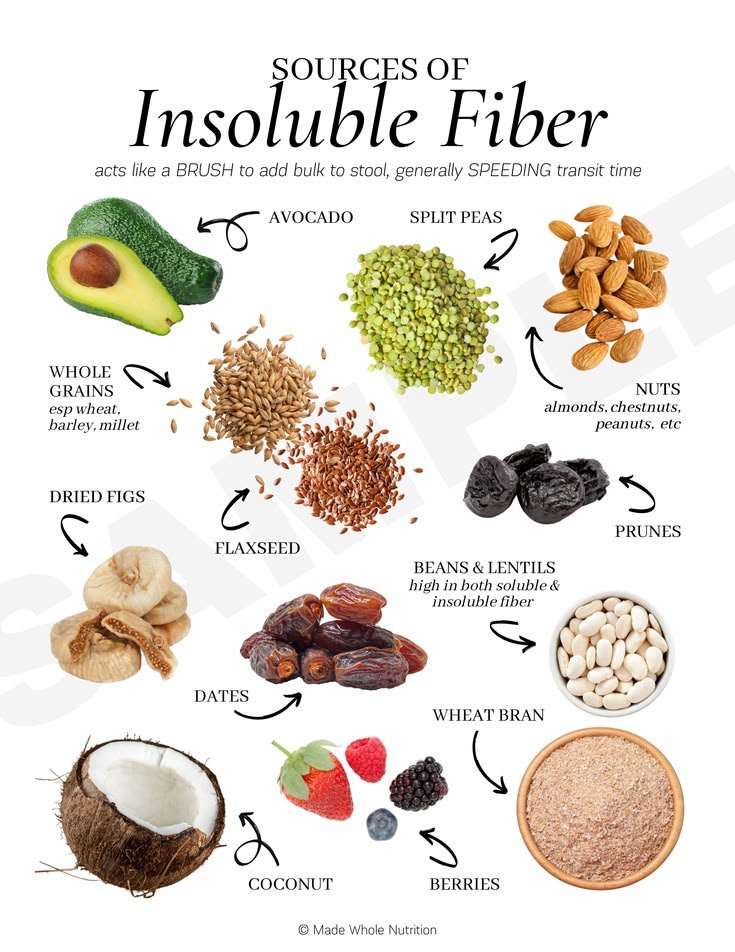
Fiber supports normal digestion and can help make meals more satisfying.
Examples include:
- Oats
- Fruits
- Vegetables
- Whole grains
- Chia seeds
- Flaxseeds
- Beans
Healthy Fats
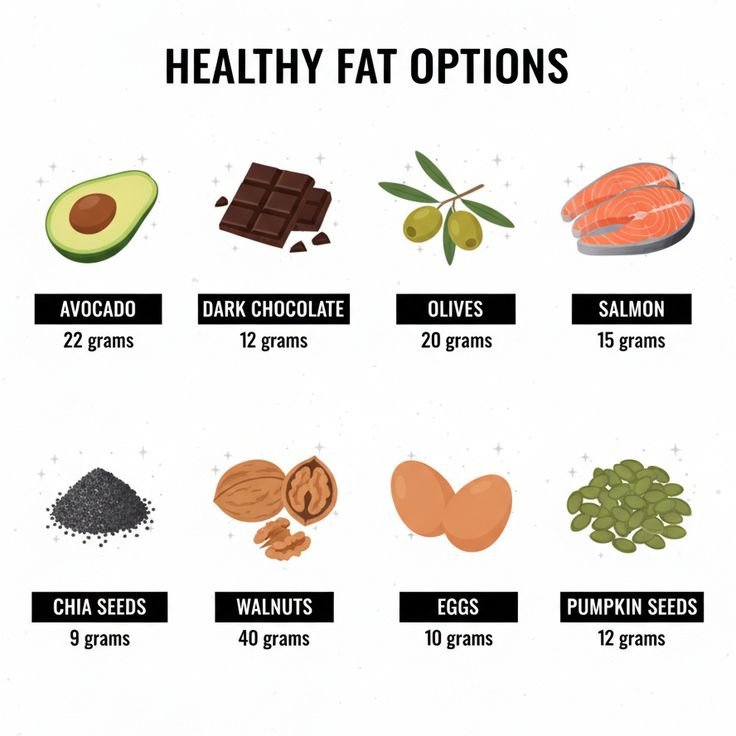
Healthy fats provide energy and are part of a balanced diet.
Examples include:
- Nuts
- Seeds
- Avocado
- Peanut butter
- Almond butter
- Fatty fish
Carbohydrates
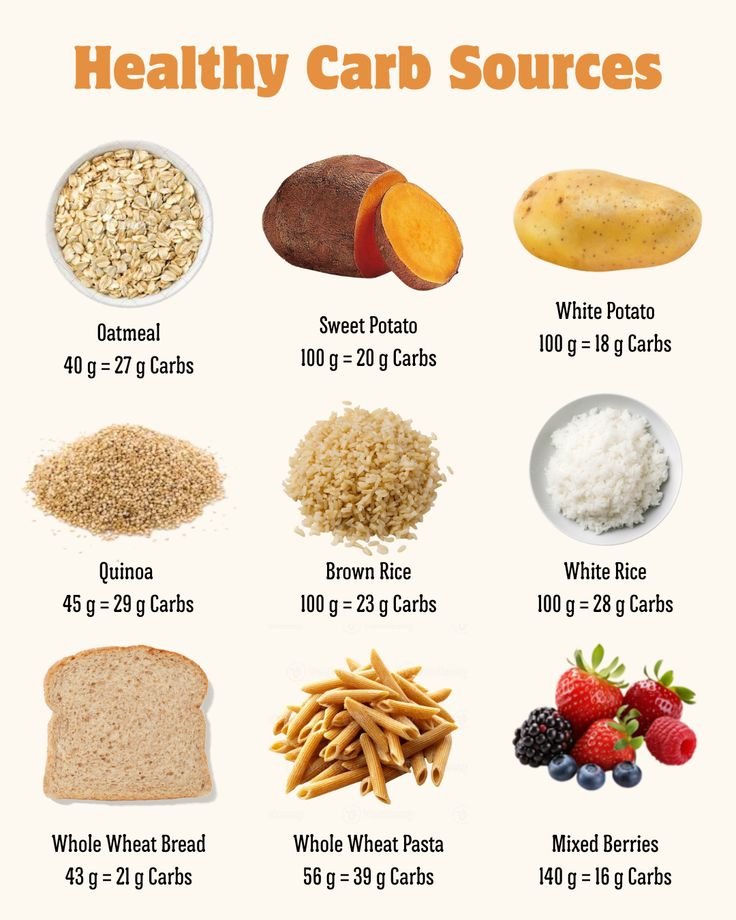
Carbohydrates provide energy for your body and physical activity.
Good choices include:
- Oats
- Whole-grain bread
- Sweet potatoes
- Fruit
- Whole-grain tortillas
The goal is to combine these foods rather than relying on one nutrient alone.
15 Healthy Breakfast Ideas for Weight Loss and Energy
1. Oatmeal with Fruits and Nuts
Oatmeal is one of the simplest Healthy Breakfast Ideas for busy mornings.
Oats provide carbohydrates and fiber, while fruits add vitamins, minerals, and natural sweetness.
Add a small amount of nuts or seeds for healthy fats and additional nutrients.
You can prepare oatmeal with:
- Rolled oats
- Milk or unsweetened plant milk
- Blueberries
- Banana
- Almonds
- Chia seeds
- Cinnamon
For additional protein, add Greek yogurt or serve eggs on the side.
Why It Works
Oatmeal can be filling and easy to customize.
You can change the fruit, seeds, nuts, and toppings depending on what you have available.
Avoid adding excessive amounts of sugar, syrups, or high-calorie toppings if your goal is weight management.
2. Eggs with Vegetables
Eggs are a convenient source of high-quality protein and can be prepared in many ways.
A healthy breakfast can include:
- Boiled eggs
- Scrambled eggs
- Poached eggs
- Omelets
Adding vegetables increases the variety of nutrients in your meal.
Try adding:
- Spinach
- Tomatoes
- Peppers
- Mushrooms
- Onions
Serve the eggs with whole-grain toast or another nutritious carbohydrate if desired.
Simple Example
Two eggs with spinach, tomatoes, whole-grain toast, and a piece of fruit can make a balanced breakfast.
3. Greek Yogurt with Berries
Greek yogurt is a convenient protein-rich breakfast option.
Benefits include:
- Provides protein
- Provides calcium
- Easy to prepare
- Convenient for busy mornings
Add berries for fiber and natural sweetness.
You can also add:
- Chia seeds
- Flaxseeds
- A small amount of nuts
- Oats
Choose plain or lower-sugar yogurt when possible.
Easy Combination
Try Greek yogurt with strawberries, blueberries, chia seeds, and a small amount of oats.
This creates a quick breakfast that requires almost no cooking.
4. Protein Smoothie
A protein smoothie is one of the easiest Healthy Breakfast Ideas when you have limited time.
Ingredients can include:
- Protein powder
- Milk or yogurt
- Banana
- Berries
- Spinach
- Peanut butter
- Chia seeds
You do not need to add every ingredient.
A simple smoothie can contain milk, Greek yogurt, banana, berries, and protein powder.
Make It More Balanced
Include a protein source, fruit, and a small amount of healthy fat or fiber.
Avoid turning your smoothie into a high-calorie dessert by adding large amounts of syrup, sugar, nut butter, or other calorie-dense ingredients.
5. Avocado Toast
Avocado toast provides healthy fats and carbohydrates.
Use:
- Whole-grain bread
- Mashed avocado
- Eggs or seeds for extra protein
You can also add tomatoes, spinach, or cucumber.
Why It Is a Good Choice
Whole-grain bread can provide fiber, while avocado provides healthy fats.
Adding eggs makes the meal more protein-rich and can make it more satisfying.
6. Cottage Cheese with Fruits
Cottage cheese is high in protein and easy to prepare.
Combine it with:
- Berries
- Apples
- Bananas
- Peaches
- Nuts
- Seeds
You can also add cinnamon for additional flavor.
This breakfast works particularly well when you want something quick without cooking.
For a more complete meal, serve cottage cheese with whole-grain toast and fruit.
7. Whole Grain Toast with Peanut Butter
Whole-grain toast provides carbohydrates and fiber, while peanut butter provides protein and healthy fats.
Choose natural peanut butter with minimal added sugar when possible.
A simple breakfast can include:
- Whole-grain toast
- Peanut butter
- Banana slices
- Cinnamon
Keep the peanut butter portion reasonable because nuts and nut butters are calorie-dense even though they can be nutritious.
8. Chia Seed Pudding
Chia seed pudding is easy to prepare ahead of time.
Simple recipe:
- Chia seeds
- Milk
- Greek yogurt
- Fruit
- Nuts
Mix the ingredients and refrigerate overnight.
Chia seeds provide fiber and healthy fats.
Adding Greek yogurt can increase the protein content and make the meal more satisfying.
Preparation Tip
Prepare several servings at once so you have breakfast ready for multiple mornings.
9. Breakfast Burrito
A healthy breakfast burrito can be filling and convenient.
Include:
- Eggs
- Beans
- Vegetables
- Whole-grain wrap
- Avocado
Beans provide protein and fiber, while eggs provide additional protein.
Add vegetables such as:
- Peppers
- Spinach
- Tomatoes
- Onions
Avoid loading the burrito with excessive cheese, creamy sauces, and processed meats if you are trying to keep the meal lighter.
10. Vegetable Omelet
A vegetable omelet is another protein-rich breakfast.
Add:
- Spinach
- Mushrooms
- Tomatoes
- Peppers
- Onions
You can serve it with whole-grain toast or fruit.
Why It Works
Eggs provide protein, while vegetables add fiber, vitamins, and minerals.
This is one of the Healthy Breakfast Ideas that can be adjusted according to your preferences.
You can change the vegetables every day to keep your breakfast interesting.
11. Overnight Oats
Overnight oats are convenient for busy mornings.
Ingredients:
- Oats
- Yogurt
- Milk
- Fruits
- Seeds
Prepare them the night before and store them in the refrigerator.
In the morning, you can eat them immediately without cooking.
Topping Ideas
Try:
- Blueberries
- Strawberries
- Banana
- Chia seeds
- Cinnamon
- Walnuts
- Almonds
For additional protein, use Greek yogurt or milk.
12. Smoked Salmon with Whole Grain Bread
Smoked salmon provides protein and healthy fats.
Combine it with:
- Whole-grain bread
- Avocado
- Vegetables
- Cucumber
- Tomato
This can create a nutrient-rich breakfast.
Because smoked salmon can be high in sodium, consider portion size and choose other fish options throughout the week as well.
13. Fruit and Nut Bowl
A fruit and nut bowl is simple and refreshing.
Include:
- Apples
- Berries
- Bananas
- Almonds
- Walnuts
- Seeds
Add yogurt for more protein.
You can also add oats or chia seeds to increase fiber.
Make It More Balanced
Fruit alone may not provide enough protein for some people.
Adding Greek yogurt, cottage cheese, milk, nuts, or seeds can create a more balanced meal.
14. Sweet Potato Breakfast Bowl
Sweet potatoes provide carbohydrates and can be a useful source of energy.
Combine them with:
- Eggs
- Vegetables
- Avocado
- Beans
You can season the bowl with:
- Black pepper
- Paprika
- Garlic
- Herbs
This is a filling option for active people.
Sweet potatoes can be prepared in advance, making this breakfast easier to assemble on busy mornings.
15. Healthy Breakfast Wrap
A breakfast wrap can be quick, portable, and nutritious.
Include:
- Eggs
- Chicken
- Vegetables
- Whole-grain tortilla
- Avocado
You can prepare the ingredients in advance and assemble the wrap in the morning.
For a lighter version, use plenty of vegetables and a moderate amount of cheese or sauce.
Healthy food that helps burn fat
Best Breakfast Choices for Weight Loss
If your goal is weight loss, focus on breakfasts that are:
- High in protein
- Rich in fiber
- Low in excessive added sugar
- Nutrient-dense
- Appropriate for your calorie needs
Good options include:
- Eggs with vegetables
- Greek yogurt with berries
- Oatmeal with nuts
- Protein smoothies
- Cottage cheese with fruit
- Vegetable omelets
- Overnight oats
Remember that a breakfast does not need to be extremely low in calories to support weight loss.
Instead, focus on creating meals that are satisfying and fit within your overall daily eating pattern.
High-Protein Breakfasts
Protein is especially useful for people who exercise or want to maintain muscle while losing weight.
Try:
- Eggs with vegetables
- Greek yogurt with berries
- Cottage cheese with fruit
- Protein smoothies
- Eggs and beans
- Smoked salmon with whole-grain toast
Combining protein with fiber-rich foods can make breakfast more satisfying.
High-Fiber Breakfasts
Fiber can be found in:
- Oats
- Fruit
- Whole grains
- Chia seeds
- Flaxseeds
- Vegetables
- Beans
Try oatmeal with berries and chia seeds or whole-grain toast with avocado and eggs.
The Harvard T.H. Chan School of Public Health provides additional information about dietary fiber and its role in a healthy eating pattern.
Breakfast Mistakes to Avoid
1. Eating Too Much Sugar
Avoid breakfasts that contain excessive amounts of added sugar.
Examples include:
- Sugary cereals
- Sweet pastries
- Doughnuts
- Sugary coffee drinks
- Sweetened breakfast bars
Instead, use fruit, cinnamon, or naturally flavorful ingredients to add sweetness.
2. Skipping Protein
A breakfast containing mostly refined carbohydrates may not be as satisfying as one that also includes protein.
Add:
- Eggs
- Greek yogurt
- Cottage cheese
- Beans
- Milk
- Fish
3. Choosing Highly Processed Foods
Highly processed breakfast foods can sometimes contain excessive amounts of added sugar, sodium, or calories.
Choose whole or minimally processed foods more often.
This does not mean all packaged foods are unhealthy. Products such as plain oats, frozen fruit, and Greek yogurt can be convenient and nutritious.
4. Eating Too Little
A very small breakfast may leave you hungry and tired later.
Instead of focusing only on eating as little as possible, create a balanced meal that fits your individual needs.
5. Drinking Too Many Calories
Some coffee drinks, smoothies, and juices can contain more calories than expected.
Water, unsweetened tea, and plain coffee can be lower-calorie options.
If you enjoy smoothies, make them from nutritious ingredients and pay attention to portion sizes.
Creating healthy meal plan
Tips for Creating Better Breakfast Habits
Prepare Ahead
Prepare ingredients the night before to save time.
You can:
- Boil eggs
- Prepare overnight oats
- Wash fruit
- Chop vegetables
- Portion nuts
- Prepare smoothie ingredients
Preparation reduces the amount of work required in the morning.
Include Protein
Add eggs, yogurt, fish, beans, cottage cheese, or another protein source.
Protein can make breakfast more satisfying and helps you work toward your daily protein needs.
Drink Water
Start your day with enough hydration.
Keep water near your bed or carry a bottle with you if that helps you drink more consistently.
Choose Whole Foods
Focus on foods such as:
- Fruits
- Vegetables
- Whole grains
- Eggs
- Beans
- Yogurt
- Fish
- Nuts
- Seeds
These foods can provide a wide range of nutrients.
Keep Breakfast Simple
Healthy eating does not require complicated recipes.
A breakfast of eggs, whole-grain toast, fruit, and yogurt can be nutritious without requiring extensive preparation.
The best breakfast is often one you enjoy and can consistently prepare.
How to Build a Balanced Breakfast Plate
A simple way to create Healthy Breakfast Ideas is to combine several food groups.
Start With Protein
Choose eggs, yogurt, cottage cheese, beans, fish, or another protein source.
Add a High-Fiber Carbohydrate
Choose oats, whole-grain bread, fruit, or sweet potatoes.
Add Fruits or Vegetables
Add berries, bananas, spinach, tomatoes, peppers, or another fruit or vegetable.
Include Healthy Fats
Add a small amount of avocado, nuts, seeds, or peanut butter.
This approach gives you a flexible formula rather than requiring you to follow one specific breakfast recipe.
Healthy Breakfast Ideas for Busy Mornings
If you have limited time, choose breakfasts that require little preparation.
Quick options include:
- Greek yogurt with berries
- Overnight oats
- Boiled eggs with fruit
- Whole-grain toast with peanut butter
- Protein smoothie
- Cottage cheese with fruit
- Breakfast wrap prepared the night before
You can also prepare several portions on the weekend and store them safely for later.
Planning ahead can make healthy choices easier when you have a busy schedule.
Healthy Breakfast Ideas Before a Workout
If you exercise in the morning, your breakfast should depend on the type and intensity of your workout and how your body responds to food.
Some people prefer a full meal before exercise, while others prefer a smaller snack.
Possible options include:
- Banana with yogurt
- Oatmeal with fruit
- Whole-grain toast with peanut butter
- Greek yogurt with berries
- Small smoothie
If you have a larger meal, allow enough time for digestion before intense exercise.
If you are exercising for a long period, carbohydrates can be particularly useful for providing energy.
Healthy Breakfast Ideas After a Workout
After exercise, a balanced meal can help you replenish energy and provide protein for your overall daily intake.
Options include:
- Eggs with whole-grain toast and fruit
- Greek yogurt with oats and berries
- Chicken breakfast wrap
- Protein smoothie with fruit
- Cottage cheese with fruit and whole-grain toast
The most important thing is maintaining a balanced diet across the entire day rather than worrying about a very narrow post-workout period.
Healthy Breakfast Ideas for Families
Healthy breakfasts can also be simple enough for the whole family.
Try:
- Oatmeal with different fruit toppings
- Egg and vegetable omelets
- Greek yogurt bowls
- Whole-grain toast with eggs
- Breakfast wraps
- Homemade smoothies
Letting family members choose their own toppings can make healthy breakfasts more enjoyable.
For example, prepare oatmeal and provide several toppings such as berries, bananas, seeds, cinnamon, and nuts.
This creates variety without requiring separate meals.
How to Make Breakfast More Filling
If you often feel hungry shortly after breakfast, examine the balance of your meal.
Consider adding:
More Protein
Try eggs, Greek yogurt, cottage cheese, beans, or another protein source.
More Fiber
Add oats, berries, vegetables, chia seeds, or whole grains.
Healthy Fats
A small amount of nuts, seeds, avocado, or peanut butter can add healthy fats.
More Food Volume
Vegetables and fruit can add volume and nutrients without relying entirely on calorie-dense foods.
A breakfast combining protein, fiber, and healthy fats may be more satisfying than a meal containing mostly refined carbohydrates.
How to Choose Healthy Breakfast Ingredients
When shopping for breakfast foods, read nutrition labels when appropriate.
Look for foods that provide useful nutrients such as:
- Protein
- Fiber
- Vitamins
- Minerals
Pay attention to added sugar and sodium, particularly in highly processed products.
You do not need to avoid every product containing sugar or sodium.
Instead, compare products and choose options that fit your overall diet.
The U.S. Food and Drug Administration provides information about understanding Nutrition Facts labels.
Can Breakfast Help With Weight Loss?
Breakfast can be part of a healthy weight-loss plan, but eating breakfast does not automatically cause weight loss.
The most important factors include your overall calorie intake, food quality, physical activity, and consistency.
If you enjoy breakfast and it helps you control hunger and maintain a balanced eating pattern, nutritious breakfast choices can be useful.
If you prefer eating later in the day, you can still maintain a healthy diet by making nutritious choices throughout your eating window.
Focus on your overall pattern rather than believing that breakfast alone determines your weight.
Frequently Asked Questions About Healthy Breakfast Ideas
What is the healthiest breakfast for weight loss?
There is no single healthiest breakfast for everyone.
Good options include eggs with vegetables, Greek yogurt with berries, oatmeal with nuts, cottage cheese with fruit, and protein smoothies.
Choose a breakfast that provides protein, fiber, and other nutrients while fitting your calorie needs.
Should breakfast be high in protein?
A protein-rich breakfast can be useful, especially for people who exercise or want a more satisfying meal.
Eggs, Greek yogurt, cottage cheese, beans, and protein smoothies are convenient choices.
Can I eat oatmeal while trying to lose weight?
Yes.
Oatmeal can be part of a weight-loss diet. Choose reasonable portions and add nutritious toppings such as fruit, seeds, nuts, or Greek yogurt.
Are eggs good for breakfast?
Yes.
Eggs provide protein and several nutrients. Combining them with vegetables and whole grains can create a balanced breakfast.
What should I drink with breakfast?
Water is an excellent choice.
Unsweetened tea and plain coffee can also be options. If you choose juice or sweetened coffee drinks, pay attention to portion size and added sugar.
Is avocado toast healthy?
Avocado toast can be nutritious because avocado provides healthy fats and whole-grain bread can provide fiber.
Adding eggs or another protein source can make the meal more balanced.
Can I eat fruit for breakfast?
Yes.
Fruit provides vitamins, minerals, fiber, and carbohydrates.
For a more balanced breakfast, combine fruit with protein and healthy fats, such as Greek yogurt with berries and seeds.
Final Thoughts
Choosing the right Healthy Breakfast Ideas can help you improve energy, support weight management, and build better nutrition habits.
A balanced breakfast with protein, fiber, healthy fats, and nutrient-rich carbohydrates can provide your body with useful fuel for the day.
The 15 ideas in this guide give you many options to choose from, including oatmeal with fruit and nuts, eggs with vegetables, Greek yogurt with berries, protein smoothies, avocado toast, cottage cheese with fruit, chia pudding, breakfast burritos, vegetable omelets, overnight oats, smoked salmon, fruit and nut bowls, sweet potato bowls, and healthy breakfast wraps.
You do not need to eat the same breakfast every day.
Experiment with different foods and combinations until you find options that are enjoyable, convenient, affordable, and suitable for your goals.
If weight loss is your goal, focus on overall calorie intake, appropriate portions, protein, fiber, regular physical activity, and consistent habits rather than relying on one specific breakfast.
If improving energy is your goal, choose meals that provide a combination of carbohydrates, protein, healthy fats, vitamins, minerals, and adequate hydration.
Most importantly, remember that healthy eating does not have to be complicated.
Start with simple meals.
Prepare some ingredients ahead of time.
Choose whole foods more often.
Include protein.
Add fruits or vegetables.
Drink enough water.
Pay attention to portions.
And choose Healthy Breakfast Ideas that you can realistically continue eating as part of your everyday lifestyle.
A consistent, balanced approach to breakfast can become one small but useful part of a healthier overall routine.
Yes. Your current URL is too long:
Rank Math recommends a URL of 75 characters or fewer.
Best shorter URL
Use:
This is much shorter and contains your focus keyword Healthy Breakfast Ideas, so it should also satisfy Rank Math’s Focus Keyword in URL test.
Set Rank Math like this
Focus Keyword:Healthy Breakfast Ideas
Permalink / URL:healthy-breakfast-ideas
SEO Title:Healthy Breakfast Ideas: 15 Easy Options for Weight Loss
Meta Description:Healthy Breakfast Ideas can support weight loss, energy, and better nutrition. Discover 15 easy, filling breakfast options for a healthier lifestyle.
Also make sure Healthy Breakfast Ideas appears in the first paragraph and at least one H2/H3. Rank Math checks those locations specifically.
Important: If the old URL is already indexed or receiving traffic, create a 301 redirect from the old URL to the new one rather than simply deleting the old URL.
what Permalink
Permalink means the URL/slug of your WordPress post.
For your article, set the permalink to:
healthy-breakfast-ideas
So your final URL becomes:
In WordPress:
- Open the post.
- Find Permalink or URL Slug.
- Delete the current long slug.
- Enter:
healthy-breakfast-ideas - Click Update.
This is better because your focus keyword Healthy Breakfast Ideas is included in the URL.
Meal Planning for Beginners: How to Create Healthy Meals Every Week Creating healthy meals does not have to be difficult or time-consuming. With a simple Meal Planning strategy, you can save time, make better food choices, control portions, and stay consistent with your health and fitness goals.
Many people struggle with healthy eating because they do not have a clear plan. They often choose fast food or unhealthy snacks when they are busy. Learning how to plan your meals ahead can make healthy eating easier and more sustainable.
This beginner guide will explain what Meal Planning is, why it is important, and how to create a healthy weekly meal routine.
Top 15 healthy breakfast
What Is Meal Planning?
Meal Planning is the process of deciding what meals you will prepare and eat in advance. Instead of choosing food randomly every day, you create a plan that includes balanced and nutritious meals.
A good meal plan helps you organize:
- Breakfast
- Lunch
- Dinner
- Snacks
- Grocery shopping
The goal is to make healthy eating simple and convenient.
Benefits of Meal Planning
1. Saves Time
Planning your meals ahead reduces the time spent deciding what to eat every day. Preparing ingredients in advance makes cooking faster and easier.
2. Supports Weight Loss
A planned diet helps control portions and prevents unhealthy food choices. When you have healthy meals ready, you are less likely to choose high-calorie options.
3. Saves Money
Meal planning helps you buy only what you need and reduces food waste.
4. Improves Nutrition
Planning allows you to create balanced meals with:
- Protein
- Healthy carbohydrates
- Healthy fats
- Fruits and vegetables
5. Builds Healthy Habits
Following a routine helps you stay consistent and make better food choices over time.
Healthy meal for weight loss
How to Start Meal Planning as a Beginner
Step 1: Set Your Fitness Goal
Before creating a meal plan, decide what you want to achieve.
Common goals include:
Weight Loss
Focus on:
- Balanced portions
- High-protein foods
- Fiber-rich foods
- Lower-calorie meals
Muscle Building
Focus on:
- Higher protein intake
- Enough calories
- Strength-supporting foods
Better Health
Focus on:
- Whole foods
- Variety
- Balanced nutrition
Your goal will determine the type of meals you create.
Nutrition Tips for stronger body
Step 2: Choose Your Weekly Meals
Start by planning simple meals you enjoy.
Example:
Breakfast:
- Eggs with vegetables
- Oatmeal with fruits
- Greek yogurt with nuts
Lunch:
- Chicken and rice
- Tuna salad
- Beans with vegetables
Dinner:
- Grilled fish with vegetables
- Lean meat with sweet potatoes
- Lentil soup
Snacks:
- Fruits
- Nuts
- Yogurt
- Protein smoothies
Choose meals that are realistic and easy to prepare.
Step 3: Create a Grocery List
A grocery list helps you stay organized and avoid buying unnecessary foods.
Include:
Protein Foods
- Chicken
- Fish
- Eggs
- Lean meat
- Beans
- Greek yogurt
Healthy Carbohydrates
- Oats
- Brown rice
- Sweet potatoes
- Whole grain bread
Fruits and Vegetables
- Apples
- Bananas
- Spinach
- Broccoli
- Carrots
Healthy Fats
- Avocado
- Nuts
- Seeds
- Olive oil
Step 4: Prepare Your Meals
Meal preparation can make healthy eating much easier.
Simple preparation ideas:
- Cook protein sources in advance
- Wash and cut vegetables
- Prepare healthy snacks
- Store meals in containers
Even preparing a few meals ahead can save time during busy days.
Step 5: Balance Your Plate
A balanced meal should include different nutrients.
A simple method:
Half of Your Plate:
Vegetables and fruits
One Quarter:
Protein sources
One Quarter:
Healthy carbohydrates
Add a small amount of healthy fats for balance.
Example Weekly Meal Plan
Monday
Breakfast:
Oatmeal with berries
Lunch:
Chicken salad
Dinner:
Fish with vegetables
Tuesday
Breakfast:
Eggs with whole grain bread
Lunch:
Rice with beans
Dinner:
Lean meat with vegetables
Wednesday
Breakfast:
Greek yogurt with fruits
Lunch:
Chicken and sweet potato
Dinner:
Lentil soup
Thursday
Breakfast:
Protein smoothie
Lunch:
Tuna salad
Dinner:
Grilled chicken with vegetables
Friday
Breakfast:
Oats and nuts
Lunch:
Rice bowl with protein
Dinner:
Fish and salad
Weekend
Use the weekend to prepare meals, try new healthy recipes, and organize your plan for the next week.
Meal Planning Tips for Success
1. Keep It Simple
Beginners do not need complicated recipes. Simple meals are easier to maintain.
2. Prepare Flexible Meals
Choose ingredients that can be used in different ways.
For example:
Chicken can be used for:
- Salads
- Wraps
- Rice meals
3. Cook in Larger Portions
Preparing extra portions can save time during busy days.
4. Include Foods You Enjoy
A healthy meal plan should not feel like punishment. Choose nutritious foods that you like.
5. Allow Some Flexibility
It is okay to enjoy your favorite foods occasionally. Balance is the key to long-term success.
Common Meal Planning Mistakes
Planning Too Many Complicated Meals
Start with simple recipes that you can repeat.
Not Preparing in Advance
Without preparation, it becomes easier to choose unhealthy options.
Ignoring Portion Sizes
Healthy foods still need proper portions.
Not Eating Enough Protein
Protein is important for muscle maintenance and controlling hunger.
Meal Planning for Weight Loss
For weight loss, focus on meals that are:
- High in protein
- Rich in fiber
- Lower in unnecessary calories
- Full of nutrients
Examples:
- Chicken and vegetables
- Fish with salad
- Eggs with whole grains
- Beans with vegetables
A consistent plan is more effective than extreme diets.
Final Thoughts
Meal Planning is one of the easiest ways to create healthier eating habits and stay consistent with your fitness goals. By preparing meals ahead, choosing nutritious ingredients, and creating a realistic routine, you can improve your health and make progress toward your goals.
Start small, plan your meals each week, and focus on creating habits that you can maintain for life. only add outbound links and 3000 words
Meal Planning for Beginners: How to Create Healthy Meals Every Week
Creating healthy meals does not have to be difficult or time-consuming. With a simple Meal Planning strategy, you can save time, make better food choices, control portions, reduce food waste, and stay consistent with your health and fitness goals.
Many people struggle with healthy eating because they do not have a clear plan. They often choose fast food or unhealthy snacks when they are busy. Learning how to plan your meals ahead can make healthy eating easier and more sustainable.
This beginner guide will explain what Meal Planning is, why it is important, and how to create a healthy weekly meal routine.
Top 15 healthy breakfast
What Is Meal Planning?
Meal Planning is the process of deciding what meals you will prepare and eat in advance. Instead of choosing food randomly every day, you create a plan that includes balanced and nutritious meals.
A good meal plan helps you organize:
- Breakfast
- Lunch
- Dinner
- Snacks
- Grocery shopping
- Meal preparation
The goal is to make healthy eating simple and convenient.
Meal planning does not mean that every meal has to be perfect. It simply gives you a basic structure that makes it easier to make nutritious choices.
You can plan your meals for several days, one week, or even longer. Beginners may find it easier to start with one week because it gives enough structure without becoming overwhelming.
A useful meal plan should also be flexible. If you planned chicken for dinner but would rather eat fish, you can change the meal. The purpose of planning is to make healthy eating easier, not to create unnecessary stress.
For general guidance on building balanced meals, you can also review the Harvard Healthy Eating Plate, which provides a simple framework for combining vegetables, fruits, whole grains, protein, and healthy fats.
Benefits of Meal Planning
1. Saves Time
Planning your meals ahead reduces the time spent deciding what to eat every day. Preparing ingredients in advance makes cooking faster and easier.
For example, you can cook chicken, rice, and vegetables at the beginning of the week and use them in different meals.
Instead of starting from zero every evening, you already have some ingredients prepared.
Meal planning can also reduce the number of trips you need to make to the grocery store. When you know what meals you are preparing, you can create a shopping list before you go.
2. Supports Weight Loss
A planned diet can help control portions and reduce impulsive food choices.
When you have healthy meals available, you may be less likely to order fast food or choose highly processed snacks simply because you are hungry and do not have another option.
Meal planning does not guarantee weight loss. Your overall food intake, physical activity, sleep, and other lifestyle factors also matter.
However, having a plan can make it easier to create consistent habits.
Healthy meal for weight loss
3. Saves Money
Meal planning can help you buy only what you need.
Without a plan, it is easy to buy ingredients that you do not use. This can lead to food waste and unnecessary spending.
A grocery list based on your weekly meals helps you focus on the foods you actually need.
You can also save money by:
- Buying seasonal produce
- Comparing prices
- Cooking at home
- Using leftovers
- Buying foods in reasonable quantities
- Choosing versatile ingredients
For example, a large package of chicken can be used for salads, wraps, rice bowls, and dinner meals.
4. Improves Nutrition
Planning allows you to create balanced meals with:
- Protein
- Healthy carbohydrates
- Healthy fats
- Fruits
- Vegetables
- Whole grains
Instead of realizing at the end of the day that you have eaten very few vegetables or protein-rich foods, you can include them in your plan ahead of time.
The USDA MyPlate is another useful external resource for learning about food groups and creating balanced meals.
5. Builds Healthy Habits
Following a routine helps you stay consistent and make better food choices over time.
Healthy eating is not about making perfect choices every day.
It is about developing habits that you can continue for months and years.
Meal planning can become one of those habits.
How to Start Meal Planning as a Beginner
Step 1: Set Your Fitness Goal
Before creating a meal plan, decide what you want to achieve.
Common goals include:
Weight Loss
Focus on:
- Balanced portions
- High-protein foods
- Fiber-rich foods
- Lower-calorie meals
- Plenty of vegetables
Muscle Building
Focus on:
- Higher protein intake
- Enough calories
- Nutrient-rich foods
- Regular strength training
Better Health
Focus on:
- Whole foods
- Variety
- Balanced nutrition
- Fruits and vegetables
- Healthy fats
Your goal will influence the types and portions of meals you create.
However, you do not need to create an extremely restrictive meal plan. A sustainable plan should provide enough food and nutrients to support your lifestyle.
Nutrition Tips for stronger body
Step 2: Choose Your Weekly Meals
Start by planning simple meals you enjoy.
You do not need seven completely different breakfasts, lunches, and dinners.
Repeating some meals can make meal planning easier.
For example, you might prepare the same breakfast three times during the week while changing your lunch and dinner options.
Breakfast
- Eggs with vegetables
- Oatmeal with fruits
- Greek yogurt with nuts
- Whole-grain toast with eggs
- Protein smoothie
Lunch
- Chicken and rice
- Tuna salad
- Beans with vegetables
- Chicken wrap
- Lentil bowl
Dinner
- Grilled fish with vegetables
- Lean meat with sweet potatoes
- Lentil soup
- Chicken with brown rice
- Beans with vegetables
Snacks
- Fruits
- Nuts
- Yogurt
- Protein smoothies
- Boiled eggs
Choose meals that are realistic and easy to prepare.
If you know you have very little time on Wednesday, for example, plan a meal that can be reheated rather than a recipe that requires extensive cooking.
Step 3: Create a Grocery List
A grocery list helps you stay organized and avoid buying unnecessary foods.
After choosing your meals, review every recipe and write down the ingredients you need.
Organize your list into categories.
Protein Foods
- Chicken
- Fish
- Eggs
- Lean meat
- Beans
- Lentils
- Greek yogurt
- Cottage cheese
Healthy Carbohydrates
- Oats
- Brown rice
- Sweet potatoes
- Whole-grain bread
- Potatoes
- Whole-grain tortillas
Fruits and Vegetables
- Apples
- Bananas
- Berries
- Spinach
- Broccoli
- Carrots
- Tomatoes
- Peppers
- Cabbage
Healthy Fats
- Avocado
- Nuts
- Seeds
- Olive oil
- Peanut butter
Creating a categorized list can make grocery shopping faster.
Before shopping, check your kitchen first. You may already have rice, oats, spices, canned beans, or other ingredients.
This prevents you from buying duplicates.
Step 4: Prepare Your Meals
Meal preparation can make healthy eating much easier.
Simple preparation ideas include:
- Cook protein sources in advance
- Wash and cut vegetables
- Prepare healthy snacks
- Cook rice or other grains
- Store meals in containers
- Prepare breakfast ingredients
- Portion snacks
You do not have to prepare every meal for the entire week at once.
Even preparing a few meals ahead can save time during busy days.
For example, you could prepare chicken, vegetables, and rice on Sunday and use them in different combinations throughout the week.
You can also prepare breakfast ingredients the night before.
Overnight oats, boiled eggs, chopped fruit, and yogurt can all make mornings easier.
Step 5: Balance Your Plate
A balanced meal should include different nutrients.
A simple method is:
Half of Your Plate
Vegetables and fruits.
One Quarter
Protein sources.
One Quarter
Healthy carbohydrates.
Add a small amount of healthy fats for balance.
This is a simple framework rather than a strict rule. Your individual nutritional needs can vary depending on your age, activity level, goals, and other factors.
For more information about nutrition and healthy eating patterns, the National Institutes of Health Office of Dietary Supplements provides information about vitamins, minerals, and nutrition-related topics.
Example Weekly Meal Plan
Creating a weekly schedule can make Meal Planning easier because you can see exactly what you plan to eat.
Monday
Breakfast:
Oatmeal with berries
Lunch:
Chicken salad
Dinner:
Fish with vegetables
Snack:
Greek yogurt with fruit
Tuesday
Breakfast:
Eggs with whole-grain bread
Lunch:
Rice with beans
Dinner:
Lean meat with vegetables
Snack:
Apple and a small portion of nuts
Wednesday
Breakfast:
Greek yogurt with fruits
Lunch:
Chicken and sweet potato
Dinner:
Lentil soup
Snack:
Boiled eggs
Thursday
Breakfast:
Protein smoothie
Lunch:
Tuna salad
Dinner:
Grilled chicken with vegetables
Snack:
Fruit and yogurt
Friday
Breakfast:
Oats and nuts
Lunch:
Rice bowl with protein
Dinner:
Fish and salad
Snack:
Cottage cheese with fruit
Saturday
Breakfast:
Vegetable omelet
Lunch:
Chicken wrap
Dinner:
Beans with rice and vegetables
Snack:
Greek yogurt
Sunday
Breakfast:
Eggs with avocado toast
Lunch:
Grilled chicken salad
Dinner:
Lentil soup with vegetables
Snack:
Fruit and nuts
Use Sunday to prepare meals, organize your grocery list, and create the plan for the next week.
Meal Planning Tips for Success
1. Keep It Simple
Beginners do not need complicated recipes.
Simple meals are easier to maintain.
You can create nutritious meals using basic ingredients such as eggs, chicken, rice, vegetables, fruit, beans, oats, and yogurt.
As you become more comfortable with meal planning, you can experiment with new recipes.
2. Prepare Flexible Meals
Choose ingredients that can be used in different ways.
For example:
Chicken can be used for:
- Salads
- Wraps
- Rice meals
- Sandwiches
- Vegetable bowls
Rice can also be combined with different proteins and vegetables.
This gives you variety without requiring a completely different grocery list every day.
3. Cook in Larger Portions
Preparing extra portions can save time during busy days.
For example, instead of cooking chicken every evening, prepare several portions at once.
Store them safely and use them throughout the week.
Be sure to follow appropriate food storage and food safety practices.
The U.S. Food and Drug Administration provides guidance about buying, storing, and preparing food safely.
4. Include Foods You Enjoy
A healthy meal plan should not feel like punishment.
Choose nutritious foods that you actually enjoy.
If you dislike broccoli, you do not have to eat broccoli every day. Try spinach, carrots, cabbage, peppers, green beans, or another vegetable.
The more enjoyable your meal plan is, the easier it may be to follow consistently.
5. Allow Some Flexibility
It is okay to enjoy your favorite foods occasionally.
Balance is the key to long-term success.
You do not need to completely eliminate pizza, burgers, desserts, or other foods you enjoy.
Instead, focus on how frequently you eat them and how they fit into your overall eating pattern.
Common Meal Planning Mistakes
Planning Too Many Complicated Meals
One of the biggest mistakes beginners make is trying to create a completely different meal every day.
Start with simple recipes.
You can repeat meals while changing ingredients or seasonings to create variety.
Not Preparing in Advance
Without preparation, it becomes easier to choose unhealthy options.
If you know you will be busy after work, prepare dinner beforehand.
If mornings are difficult, prepare breakfast the night before.
Small amounts of preparation can make a major difference in your routine.
Ignoring Portion Sizes
Healthy foods still need proper portions.
Nuts, oils, avocado, rice, and other nutritious foods can contribute significant calories when eaten in very large quantities.
You do not need to measure every food forever, but understanding portions can help you create balanced meals.
The FDA Nutrition Facts Label guide can help you understand serving sizes and other information shown on food labels.
Not Eating Enough Protein
Protein is important for muscle maintenance, recovery, and overall nutrition.
Include protein sources such as:
- Eggs
- Chicken
- Fish
- Beans
- Lentils
- Greek yogurt
- Cottage cheese
Try to include a protein source in most meals.
Meal Planning for Weight Loss
For weight loss, focus on meals that are:
- High in protein
- Rich in fiber
- Lower in unnecessary calories
- Full of nutrients
- Appropriate for your individual needs
Examples include:
- Chicken and vegetables
- Fish with salad
- Eggs with whole grains
- Beans with vegetables
- Greek yogurt with fruit
- Oatmeal with berries
A consistent plan is generally more practical than an extreme diet.
You can also make meals more filling by combining protein with vegetables, fruit, whole grains, and other high-fiber foods.
Meal planning should support your lifestyle rather than making you feel constantly restricted.
Meal Planning for Muscle Building
If your goal is to build muscle, your meal plan should include enough protein and energy to support your training.
Useful foods include:
- Chicken
- Fish
- Eggs
- Lean meat
- Beans
- Lentils
- Greek yogurt
- Milk
- Oats
- Rice
- Potatoes
You can build meals around protein, carbohydrates, vegetables, and healthy fats.
For example:
Breakfast: Eggs, oats, and fruit
Lunch: Chicken, rice, and vegetables
Snack: Greek yogurt and fruit
Dinner: Fish, potatoes, and vegetables
The exact amount of food you need depends on your individual goals and activity level.
Meal Planning for Busy People
Busy schedules are one of the biggest reasons people struggle with healthy eating.
Fortunately, your meal plan does not need to involve hours of cooking.
Try these strategies:
Prepare Breakfast Ahead
Prepare overnight oats or boiled eggs the night before.
Cook Protein in Batches
Prepare chicken, fish, beans, or another protein source ahead of time.
Use Frozen Vegetables
Frozen vegetables can be convenient and require little preparation.
Keep Healthy Snacks Available
Keep fruit, yogurt, nuts, or boiled eggs available when you need a quick snack.
Use Leftovers
Turn leftover chicken into a salad or wrap the next day.
This reduces waste and saves cooking time.
How to Make Meal Planning Affordable
Healthy eating does not have to be expensive.
You can reduce costs by choosing affordable nutritious foods.
Examples include:
- Oats
- Beans
- Lentils
- Eggs
- Rice
- Potatoes
- Seasonal vegetables
- Frozen vegetables
- Bananas
Buying expensive “fitness foods” is not necessary for a healthy diet.
You can create balanced meals using simple ingredients.
For example, rice and beans can provide an affordable meal, while eggs and vegetables can make an inexpensive breakfast.
How to Store Prepared Meals
Proper storage is important when preparing meals ahead.
Use clean containers and refrigerate foods appropriately.
Divide large batches into smaller portions so they can cool and be stored safely.
If you are unsure how long a particular food can be stored, check reliable food safety guidance rather than guessing.
The USDA Food Safety and Inspection Service provides information about safe food handling, storage, cooking, and leftovers.
How to Stay Consistent With Meal Planning
Creating a plan is easy.
Following it consistently can be more challenging.
Start by making your system simple.
Choose a specific day each week for:
- Checking your schedule
- Choosing meals
- Creating your grocery list
- Shopping
- Preparing ingredients
For example, you could plan meals on Saturday and shop on Sunday.
You do not have to follow the same schedule as someone else.
Find a routine that fits your life.
What If You Miss a Meal Plan Day?
Do not give up because one day did not go according to plan.
Unexpected events happen.
You may have to eat at a restaurant, attend an event, or change your schedule.
Instead of thinking that your entire plan has failed, simply return to your routine at the next meal.
Consistency over time is more important than perfection.
Meal Planning for the Whole Family
If you are preparing meals for several people, choose meals that can be customized.
For example, prepare:
- Chicken
- Rice
- Vegetables
- Beans
- Salad
Each person can create a plate according to their preferences.
You can also involve family members in choosing recipes and preparing ingredients.
This can make healthy eating feel like a shared routine rather than an individual responsibility.
How to Create a Simple Meal Planning Routine
A beginner-friendly routine can look like this:
Saturday: Review Your Week
Look at your schedule.
Identify busy days and days when you have more time to cook.
Sunday: Choose Meals
Select breakfasts, lunches, dinners, and snacks.
Sunday: Create Your Grocery List
Write down exactly what you need.
Sunday: Shop
Buy the ingredients on your list.
Sunday: Prepare Ingredients
Cook some protein, wash vegetables, prepare grains, and organize snacks.
During the Week
Follow your plan while allowing flexibility when necessary.
This simple routine can make Meal Planning much easier.
Final Thoughts
Meal Planning is one of the easiest ways to create healthier eating habits and stay consistent with your fitness goals.
By preparing meals ahead, choosing nutritious ingredients, creating a grocery list, and establishing a realistic weekly routine, you can make healthy eating easier and more convenient.
Start small.
You do not need to plan complicated meals or prepare every meal for an entire month.
Begin by planning one week at a time.
Choose simple foods that you enjoy, include protein and vegetables in your meals, use whole grains and other nutritious carbohydrates, and include healthy fats in appropriate portions.
Prepare ingredients ahead when possible and keep convenient healthy foods available for busy days.
Most importantly, allow yourself some flexibility.
A successful meal plan is not one that you follow perfectly every day. It is one that helps you make better choices consistently while still fitting your lifestyle.
With practice, Meal Planning can become a normal part of your weekly routine rather than something that feels difficult or restrictive.