

A stronger and healthier body is not only about exercise. The food you eat every day plays an important role in your energy, fitness, recovery, and overall health. Developing Healthy Eating Habits can help you maintain a balanced lifestyle, support your fitness goals, and improve your long-term well-being.
Many people focus on quick diets and temporary changes, but real results come from creating simple habits that you can follow consistently. A balanced approach to nutrition helps your body get the nutrients it needs to perform better.
In this guide, you will learn simple nutrition tips that can help you build Healthy Eating Habits and create a stronger body.
What Are Healthy Eating Habits?
Healthy Eating Habits are daily food choices and behaviors that support your body’s nutritional needs. They include eating balanced meals, choosing nutritious foods, controlling portions, and maintaining a consistent eating routine.
Healthy eating does not mean avoiding all your favorite foods. It means creating a balanced relationship with food and making better choices most of the time.
A healthy eating pattern should provide a variety of nutrients, including protein, carbohydrates, healthy fats, vitamins, minerals, and fiber. Different foods provide different nutrients, which is why variety is an important part of a balanced diet.
According to the U.S. Department of Agriculture’s MyPlate guidance, building meals around fruits, vegetables, grains, protein foods, and dairy or fortified alternatives can help support a balanced eating pattern.
30 days fitness challenge
Why Are Healthy Eating Habits Important?
1. Provides More Energy
Nutritious foods give your body the fuel it needs for workouts, work, studying, walking, and daily activities.
Foods that support energy include:
- Whole grains
- Fruits
- Vegetables
- Lean proteins
- Potatoes
- Oats
- Beans
Eating a balanced meal can provide a combination of carbohydrates, protein, and fats that helps support your daily activities.
Instead of relying heavily on sugary snacks and drinks for quick energy, choose foods that provide useful nutrients as part of your regular meals.
2. Supports Muscle Growth
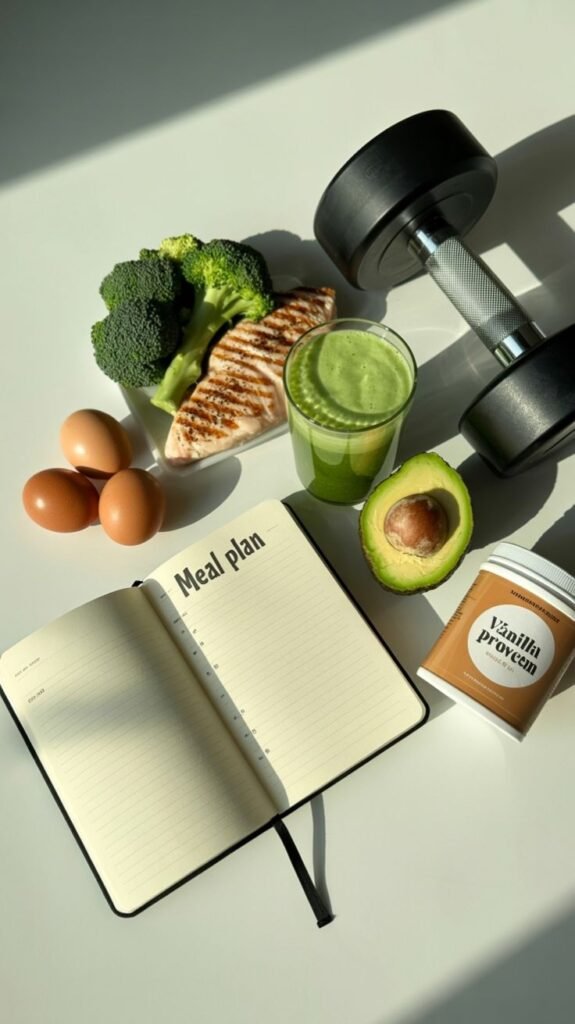
Your muscles need protein and nutrients to repair and become stronger, especially after exercise.
Good protein sources include:
- Eggs
- Chicken
- Fish
- Beans
- Greek yogurt
- Lentils
- Lean meat
- Tofu
Protein is important for maintaining and building muscle. However, muscle development also depends on resistance training, sufficient energy, recovery, and an overall balanced diet.
If you exercise regularly, including a protein source in your meals can make it easier to meet your nutritional needs.
3. Helps Maintain a Healthy Weight
Balanced meals can help control hunger and make it easier to manage your overall calorie intake.
Foods containing protein and fiber can be particularly useful because they can contribute to fullness.
For example, a meal containing chicken, vegetables, and whole grains may be more satisfying than a meal consisting mostly of refined carbohydrates.
Healthy weight management is not about eating as little as possible. It is about creating an eating pattern that provides the nutrients your body needs while supporting your individual goals.
4. Improves Overall Health
A nutritious diet supports many areas of health.
Healthy eating can contribute to:
- Heart health
- Normal digestion
- Strong bones
- Immune function
- Better nutrient intake
- Healthy body weight
- Physical performance
The World Health Organization also emphasizes the importance of eating a variety of foods and limiting excessive amounts of free sugars, unhealthy fats, and sodium.
10 Simple Healthy Eating Habits to Follow
1. Eat More Whole Foods
One of the most useful Healthy Eating Habits is choosing whole or minimally processed foods more often.
Whole foods can provide important nutrients without relying heavily on added sugars, excessive sodium, or other unnecessary ingredients.
Examples include:
- Fruits
- Vegetables
- Lean meats
- Whole grains
- Nuts
- Seeds
- Beans
- Lentils
- Eggs
- Fish
Try to choose natural or minimally processed foods more often than highly processed options.
This does not mean every processed food is unhealthy. Frozen vegetables, canned beans, plain yogurt, and other convenient foods can still be nutritious.
The goal is to make nutritious foods the foundation of your meals.
For example, instead of making packaged snacks your main afternoon food, you could choose fruit and Greek yogurt. Instead of relying on highly processed meals every day, you could prepare chicken, vegetables, and rice.
Small changes can gradually improve your overall eating pattern.
2. Include Protein in Every Meal
Protein is essential for muscle repair, growth, and maintaining lean body tissue.
Add protein sources such as:
- Eggs for breakfast
- Chicken or fish for lunch
- Beans or lean meat for dinner
- Greek yogurt as a snack
- Lentils with vegetables
- Tofu in a balanced meal
Eating enough protein may also help you feel satisfied after meals.
If you exercise regularly, protein becomes especially important because your muscles need amino acids to support recovery and adaptation.
However, you do not need to eat huge amounts of protein.
Focus on including a reasonable protein source in each main meal and choose a variety of protein foods throughout the week.
Plant-based protein sources such as beans, lentils, peas, nuts, seeds, and tofu can also be included in a healthy eating pattern.
3. Eat More Fruits and Vegetables
Fruits and vegetables provide vitamins, minerals, fiber, and other beneficial compounds.
Benefits include:
- Supports digestion
- Improves nutrient intake
- Helps control hunger
- Adds variety to meals
- Provides important vitamins and minerals
Try to include different colors of fruits and vegetables in your meals.
For example, you could combine spinach, tomatoes, carrots, peppers, and cucumber throughout the day.
Fruit can also be an easy alternative to highly processed sweet snacks.
Some simple options include:
- Apples
- Bananas
- Oranges
- Berries
- Mangoes
- Watermelon
- Papaya
- Pears
Vegetables can be added to eggs, rice, pasta, soups, sandwiches, wraps, and other meals.
The goal is not to make every meal complicated. Even adding one extra serving of vegetables to a meal can be a useful step.
4. Drink Enough Water
Water is important for normal body functions, digestion, temperature regulation, and physical performance.
Tips:
- Drink water throughout the day
- Drink more during workouts
- Replace sugary drinks with water
- Carry a reusable water bottle
- Drink water with meals
Proper hydration supports better health.
Your fluid needs can vary depending on factors such as physical activity, weather, and individual needs. During hot weather or intense exercise, paying attention to hydration becomes particularly important.
If you do not enjoy plain water, try adding lemon, cucumber, mint, or fruit for flavor.
Reducing sugary beverages can also be a useful habit because drinks containing added sugar can contribute calories without providing much nutritional value.
5. Control Portion Sizes
Even healthy foods should be eaten in balanced amounts.
Simple portion guide:
- Half your plate: vegetables
- Quarter: protein
- Quarter: healthy carbohydrates
This helps create balanced meals.
Portion control does not mean eating tiny meals.
Instead, it means understanding how much food your body needs and avoiding unnecessarily large portions.
For example, nuts and seeds can be nutritious but are also energy-dense, so eating reasonable portions can help maintain balance.
The same applies to foods such as rice, pasta, potatoes, avocado, and healthy oils.
Using smaller plates or bowls can sometimes make portion control easier.
You can also serve your meal before sitting down rather than bringing a large serving dish to the table.
6. Choose Healthy Carbohydrates
Carbohydrates provide energy for your body and workouts.
Better choices include:
- Oats
- Brown rice
- Sweet potatoes
- Whole-grain bread
- Fruits
- Beans
- Quinoa
- Whole-grain pasta
Carbohydrates are not something you need to completely eliminate.
Your body uses carbohydrates for energy, particularly during physical activity.
The quality and quantity of carbohydrates can matter.
Instead of relying heavily on refined carbohydrates and sugary foods, choose higher-fiber carbohydrate sources more often.
For example, oatmeal with fruit can be a nutritious breakfast, while brown rice with vegetables and chicken can make a balanced lunch or dinner.
7. Include Healthy Fats
Healthy fats support normal body functions, including brain function and hormone production.
Sources include:
- Avocado
- Olive oil
- Nuts
- Seeds
- Fatty fish
- Natural nut butters
Healthy fats should be included in a balanced diet.
However, portion size still matters because fats are energy-dense.
For example, adding a small amount of olive oil to vegetables can be a useful way to improve flavor and include healthy fats without using excessive amounts.
Nuts, seeds, avocado, and fish can also provide important nutrients.
Instead of thinking of fats as something to completely avoid, focus on choosing nutritious sources and eating appropriate portions.
8. Plan Your Meals
Meal planning helps you stay consistent and avoid unhealthy choices.
Benefits include:
- Saves time
- Reduces fast-food choices
- Helps control portions
- Makes grocery shopping easier
- Reduces last-minute decisions
- Helps you maintain consistency
Preparing meals ahead can make healthy eating easier.
You do not need to prepare every meal for an entire week.
Even preparing a few basic foods can save time.
For example, you could prepare:
- Cooked chicken
- Boiled eggs
- Brown rice
- Roasted vegetables
- Oatmeal
- Washed fruit
- Greek yogurt
Having these foods available makes it easier to assemble balanced meals quickly.
Meal planning can also help reduce food waste because you know what you actually need to buy.
9. Eat Slowly and Mindfully
Pay attention to your food and avoid rushing meals.
Benefits include:
- Helps recognize fullness
- Improves eating awareness
- Gives you time to enjoy your food
- Can reduce mindless eating
Try putting your phone away while eating and focus on the meal.
Eating slowly can also help you become more aware of your hunger and fullness signals.
You do not have to eat perfectly slowly at every meal. The goal is simply to become more aware of your eating habits.
Mindful eating can also help you recognize whether you are actually hungry or eating because of boredom, stress, or habit.
10. Limit Processed Foods
Processed foods often contain high amounts of:
- Added sugar
- Unhealthy fats
- Excess calories
- Sodium
Try replacing them with healthier options.
Examples include replacing:
- Sugary cereal with oatmeal
- Candy with fruit
- Sugary drinks with water
- Chips with vegetables or air-popped popcorn
- Fried foods with grilled or baked foods
Not all processed foods need to be eliminated.
Foods such as frozen vegetables, canned beans, plain yogurt, and whole-grain bread can still be useful parts of a balanced diet.
The goal is to limit highly processed foods that are easy to overconsume while eating a greater variety of nutritious foods.
Healthy Eating Habits for Muscle Building
If your goal is building muscle, focus on several important areas of nutrition and training.
Eating Enough Protein
Protein supports muscle repair and growth.
Protein sources include:
- Eggs
- Chicken
- Fish
- Lean beef
- Greek yogurt
- Beans
- Lentils
- Tofu
- Cottage cheese
Try spreading protein throughout your meals instead of consuming almost all of it at one time.
Getting Enough Calories
Your body needs enough energy to support training and muscle development.
Eating too little can make it harder to recover from workouts and may interfere with your ability to build muscle.
Your calorie needs depend on factors such as your body size, activity level, training volume, and goals.
Eating Before and After Workouts
Pre-workout meals provide energy, while post-workout meals support recovery.
Examples:
Before workout:
- Banana with peanut butter
- Oatmeal
- Greek yogurt with fruit
- Whole-grain toast with eggs
After workout:
- Protein smoothie
- Chicken with rice
- Eggs with whole-grain toast
- Greek yogurt with fruit
You do not necessarily need complicated supplements to support a healthy diet.
A consistent eating pattern containing enough protein, carbohydrates, fats, vitamins, and minerals can provide a strong nutritional foundation.
Healthy Eating Habits for Weight Loss
For weight loss, focus on:
- Eating protein-rich foods
- Increasing vegetables
- Choosing high-fiber foods
- Controlling portions
- Reducing sugary drinks
- Eating more whole foods
- Planning meals
- Limiting highly processed snacks
A sustainable eating approach is better than extreme diets.
Weight loss usually requires maintaining an appropriate energy balance over time. However, that does not mean you should starve yourself or remove entire food groups without a reason.
Instead, make small changes that reduce unnecessary calories while keeping meals nutritious and satisfying.
Healthy food that helps burn fat
For example, replacing a sugary drink with water can reduce unnecessary calories. Adding vegetables to meals can increase volume and fiber. Choosing lean protein can help you create satisfying meals.
The best approach is one you can continue consistently.
Common Healthy Eating Mistakes
Skipping Meals
Skipping meals can lead to excessive hunger and overeating later.
Although some people prefer specific eating schedules, regularly skipping meals simply because you are trying to eat as little as possible may make it harder to maintain a balanced diet.
Following Extreme Diets
Very restrictive diets are difficult to maintain.
Removing too many foods at once can make eating feel stressful and may increase cravings for foods you have restricted.
A more balanced approach is usually easier to follow.
Not Eating Enough Protein
Low protein intake can affect muscle maintenance and hunger control.
Include a protein source with your main meals and choose different protein foods throughout the week.
Drinking Too Many Calories
Sugary drinks can add unnecessary calories without providing many nutrients.
Choose water, unsweetened tea, or other lower-calorie beverages more often.
Eating Too Much Healthy Food
Healthy foods still contain calories.
Foods such as nuts, seeds, avocado, oils, and whole grains can be nutritious, but very large portions may contribute more calories than you realize.
Balance and portion awareness are important.
Ignoring Fiber
Fiber is found in foods such as vegetables, fruits, beans, lentils, oats, and whole grains.
A diet with a variety of fiber-rich foods can support normal digestion and help make meals more satisfying.
How to Build Healthy Eating Habits Step by Step
Start Small
Make one change at a time.
Examples:
- Add vegetables to one meal
- Drink more water
- Replace unhealthy snacks
- Add protein to breakfast
- Eat fruit instead of candy
- Prepare one meal ahead of time
Small changes can become easier when they are repeated consistently.
Create a Routine
Consistency makes healthy choices easier.
Creating a healthy meal plan can help you organize your meals and reduce last-minute food choices.
Try creating a simple weekly routine that includes grocery shopping, meal preparation, regular meals, and healthy snacks.
You do not need a complicated schedule.
Even having a general idea of what you will eat for breakfast, lunch, dinner, and snacks can reduce decision-making during busy days.
Track Your Progress
Pay attention to:
- Energy levels
- Fitness improvements
- Food choices
- Workout performance
- Consistency
- Sleep quality
Progress is not always measured by the number on a scale.
You may notice that you have more energy, better workout performance, improved eating habits, or greater consistency.
Stay Flexible
A healthy lifestyle allows balance.
Occasional treats can be part of a sustainable approach.
If you eat a dessert or a meal that is less nutritious than usual, do not assume that you have ruined your progress.
Simply return to your normal eating habits afterward.
Flexibility can make it easier to maintain healthy habits over the long term.
Healthy Eating Habits for Busy People
Busy schedules can make healthy eating challenging, but preparation can make a major difference.
Keep quick nutritious foods available, such as:
- Bananas
- Apples
- Greek yogurt
- Boiled eggs
- Nuts
- Whole-grain bread
- Canned beans
- Frozen vegetables
- Oatmeal
Frozen vegetables can be particularly convenient because they require little preparation.
You can also prepare larger portions of healthy meals and save leftovers for another meal.
For example, grilled chicken, rice, and vegetables can be prepared together and divided into several containers.
This can reduce the temptation to order fast food when you are tired or busy.
Healthy Eating Habits When Eating at Restaurants
You do not have to avoid restaurants completely to maintain a healthy diet.
Instead, consider simple choices.
Choose grilled or baked foods more often than deep-fried foods.
Ask for sauces and dressings on the side when possible.
Choose vegetables or salads as side dishes.
Drink water or an unsweetened beverage instead of automatically ordering a sugary drink.
Pay attention to portion sizes. Restaurant portions can sometimes be larger than what you would normally eat at home.
You can also save part of your meal for later if the portion is very large.
The goal is not to make restaurant meals stressful. It is simply to make choices that support your overall eating pattern.
Healthy Eating Habits for Better Recovery
Nutrition is also important for recovering from physical activity.
After exercise, your body needs nutrients to support normal recovery.
A balanced post-workout meal can include:
- Protein
- Carbohydrates
- Vegetables or fruit
- Healthy fats
For example, chicken with rice and vegetables provides protein and carbohydrates.
Greek yogurt with fruit and oats can also make a convenient recovery meal.
Hydration is another important part of recovery, particularly after long or intense exercise.
Healthy Eating Habits and Sleep
Healthy eating and sleep can influence each other.
A consistent lifestyle that includes nutritious meals, regular physical activity, adequate hydration, and good sleep habits can support overall well-being.
Avoid relying heavily on sugary foods or highly caffeinated beverages late in the day if they interfere with your sleep routine.
A balanced evening meal can also be useful if you frequently feel hungry at night.
Instead of automatically reaching for highly processed snacks, consider options such as fruit, yogurt, or a small portion of nuts.
Healthy Eating Habits for Long-Term Success
The most important part of healthy eating is consistency.
You do not need to eat perfectly every day.
Instead, focus on repeating healthy behaviors often.
For example:
Daily:
- Drink enough water
- Eat fruits and vegetables
- Include protein
- Choose nutritious meals
Weekly:
- Plan meals
- Grocery shop for healthy foods
- Prepare some meals in advance
- Review your progress
Long term:
- Maintain balanced portions
- Stay physically active
- Continue learning about nutrition
- Adjust your habits when necessary
A sustainable lifestyle is built through repeated actions.
How to Make Healthy Eating Easier at Home
Your environment can influence your food choices.
Keep nutritious foods visible and convenient.
For example, place fruit where you can easily see it.
Keep vegetables prepared and ready to use.
Store highly processed snacks in less accessible places rather than keeping them directly beside your workspace.
Prepare healthy foods in advance when possible.
When nutritious choices are convenient, you are more likely to choose them when you are hungry.
Healthy Eating Habits for a Stronger Body
Building a stronger body requires more than exercise.
Your body needs adequate nutrition to support muscles, bones, energy, recovery, and normal body functions.
Focus on a combination of:
- Protein-rich foods
- Whole grains
- Fruits
- Vegetables
- Healthy fats
- Adequate fluids
- Appropriate portions
Combine good nutrition with regular resistance training, cardiovascular activity, adequate recovery, and sufficient sleep.
You do not need an extreme diet to become stronger.
Consistency is more important than perfection.
Final Thoughts
Creating Healthy Eating Habits is one of the best ways to build a stronger body and improve your overall health. Small daily choices, such as eating more whole foods, getting enough protein, drinking water, and planning meals, can create lasting results.
A healthy lifestyle is not about perfection. It is about consistency, balance, and making better choices that support your fitness goals.
Start with one or two changes instead of trying to completely change your diet overnight.
Drink more water.
Add vegetables to your meals.
Choose whole foods more often.
Include protein in your meals.
Plan your food ahead of time.
Control your portions.
Eat slowly.
Limit highly processed foods.
And give yourself flexibility when you want to enjoy your favorite foods.
Over time, these simple Healthy Eating Habits can become a normal part of your lifestyle rather than something you have to force yourself to do.
A stronger and healthier body is built through consistent choices. By focusing on nutritious foods, balanced meals, hydration, regular activity, and sustainable habits, you can create a lifestyle that supports your health and fitness goals for the long term.