

Losing weight can be challenging, especially when you are working hard but not seeing the results you expect. Many people follow diets, exercise regularly, and try to make healthier choices, yet they still struggle to achieve their goals.
Often, the problem is not a lack of effort. It may be small mistakes that slow down your results without you realizing it. Understanding common Weight Loss Mistakes can help you make better decisions, improve your strategy, and create healthier long-term habits.
Weight loss is not only about eating less or exercising more. It requires a balanced approach that includes proper nutrition, physical activity, recovery, realistic goals, and consistency.
In this guide, we will discuss 10 common Weight Loss Mistakes that may be slowing your progress and explain how you can avoid them.
If you also struggle with staying motivated, read our guide on how to stay motivated to lose weight for practical strategies that can help you stay consistent.
Why Understanding Weight Loss Mistakes Matters
Everyone’s weight loss journey is different, but many people experience similar challenges. Recognizing common Weight Loss Mistakes early can help you avoid frustration and make better choices.
Learning from mistakes can help you:
- Create better habits
- Improve your eating routine
- Make your workouts more effective
- Stay motivated
- Build a sustainable lifestyle
- Work toward realistic fitness goals
Making mistakes does not mean you have failed. Instead, mistakes can show you where your routine needs improvement.
1. Setting Unrealistic Weight Loss Goals

One of the most common Weight Loss Mistakes is setting goals that are too difficult or unrealistic.
Many people expect to lose a large amount of weight in a short period. When those results do not happen quickly, they may become disappointed and lose motivation.
Healthy weight management generally requires patience and realistic expectations. The National Institute of Diabetes and Digestive and Kidney Diseases (NIDDK) recommends setting realistic goals and focusing on sustainable lifestyle changes. You can learn more from its weight management resources.
How to Fix This Mistake
Set smaller goals that focus on behaviors and steady progress.
Examples include:
- Exercising consistently
- Eating more balanced meals
- Drinking more water
- Improving your sleep routine
- Tracking your habits
- Becoming more physically active
Small achievements can build confidence and help you stay committed.
2. Following Extreme Diets
Another common Weight Loss Mistake is following a highly restrictive diet because you want fast results.
Extreme diets may eliminate entire food groups or severely restrict calories. While they may produce short-term changes, they can be difficult to maintain and may make it harder to develop healthy eating habits.
Possible problems include:
- Low energy
- Strong food cravings
- Difficulty staying consistent
- Poor workout performance
- Loss of muscle mass
How to Fix This Mistake
Instead of following an extreme diet, focus on a balanced eating pattern that includes:
- Protein
- Vegetables
- Fruits
- Whole grains
- Healthy fats
- Appropriate portions
A sustainable approach is generally easier to maintain than a temporary restrictive diet.
For additional guidance, see the NIDDK information about choosing a safe and successful weight-loss program.
3. Eating Too Few Calories
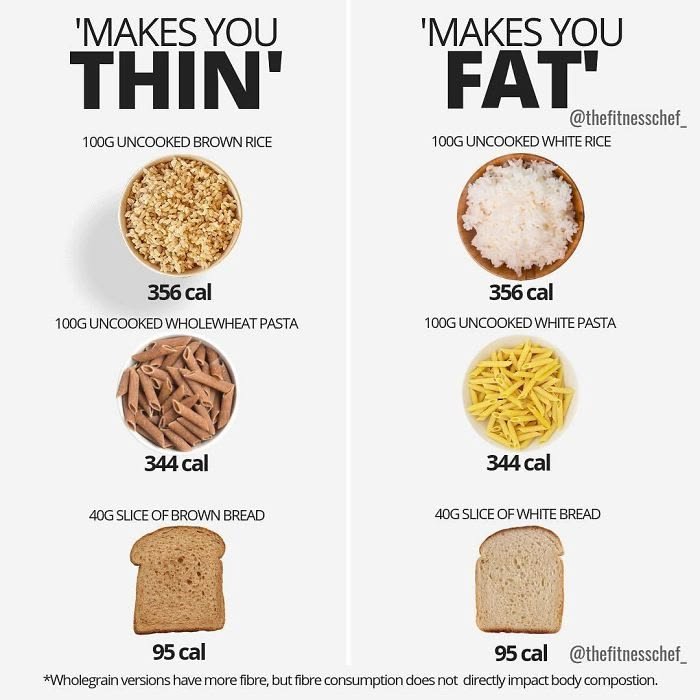
Reducing calorie intake can contribute to weight loss, but eating far too little can make your routine difficult to maintain.
When you do not get enough energy or nutrients, you may experience:
- Low energy
- Increased hunger
- Poor workout performance
- Difficulty concentrating
- Strong cravings
- Difficulty maintaining your eating plan
How to Fix This Mistake
Focus on a moderate and sustainable approach rather than drastically cutting your food intake.
Build meals around:
- Protein-rich foods
- Vegetables
- Fruits
- Whole grains
- Healthy fats
The goal is to create healthy habits that you can maintain over time.
4. Not Eating Enough Protein

Not getting enough protein is another mistake that can make a weight-loss routine less effective.
Protein is an important nutrient that supports muscle maintenance and can help you feel satisfied after meals.
Good protein sources include:
- Eggs
- Chicken
- Fish
- Lean meat
- Beans
- Lentils
- Greek yogurt
- Cottage cheese
How to Fix This Mistake
Try to include a protein source in your main meals.
For example, you could combine eggs with vegetables at breakfast, chicken or beans with vegetables at lunch, and fish or lentils with a balanced dinner.
Your individual protein needs can vary depending on factors such as body size, activity level, and health goals.
5. Depending Only on Exercise
Exercise is an important part of a healthy lifestyle, but relying only on workouts is another common Weight Loss Mistake.
Some people believe they can eat whatever they want as long as they exercise enough to burn the calories.
However, physical activity and nutrition work together. A balanced approach is more sustainable than trying to compensate for eating habits entirely through exercise.
How to Fix This Mistake
Combine:
- Regular physical activity
- Balanced nutrition
- Strength training
- Cardio
- Daily movement
- Adequate recovery
If you want a structured workout goal, check out our 30-Day Fitness Challenge.
6. Not Tracking Your Weight Loss Progress
Another common mistake is not tracking your Weight Loss Progress.
Without tracking, you may not notice gradual improvements or understand which habits are helping you.
You can track:
- Body weight
- Body measurements
- Progress photos
- Workout performance
- Eating habits
- Energy levels
How to Fix This Mistake
Choose a simple tracking method that fits your lifestyle.
You could use:
- A notebook
- A spreadsheet
- A fitness app
- A workout journal
- Progress photos
Remember that Weight Loss Progress is not only about the number on the scale. Changes in strength, fitness, measurements, and daily habits can also be useful indicators.
You can learn more about tracking results in our guide to Weight Loss Progress and staying consistent.
7. Ignoring Portion Sizes

Eating nutritious foods does not mean that portion sizes do not matter.
Foods such as nuts, oils, avocado, and some healthy snacks provide valuable nutrients but can also contain significant amounts of calories.
Eating larger portions than you need may make it more difficult to reach your goals.
How to Fix This Mistake
Practice simple portion-control strategies:
- Use appropriate plate sizes
- Read food labels
- Measure portions when necessary
- Eat slowly
- Pay attention to hunger and fullness
- Avoid eating directly from large packages
You do not need to eliminate your favorite foods. Learning appropriate portions can help you create a more balanced eating routine.
8. Not Getting Enough Sleep
Sleep is often overlooked when people focus on weight loss.
Poor sleep can affect your energy, mood, food choices, and ability to stay active. When you are tired, it may become harder to follow your normal exercise and eating routine.
How to Fix This Mistake
Improve your sleep habits by:
- Keeping a regular sleep schedule
- Creating a comfortable bedroom
- Limiting stimulating activities before bed
- Reducing unnecessary screen time at night
- Giving yourself enough time to sleep
Good recovery should be part of your overall weight-loss strategy.
9. Comparing Your Progress to Other People
Everyone’s body responds differently to changes in diet, exercise, and lifestyle.
Comparing your Weight Loss Progress with someone else’s can create unrealistic expectations and reduce motivation.
Factors that can influence individual results include:
- Genetics
- Starting body weight
- Lifestyle
- Physical activity
- Eating habits
- Sleep
- Stress
- Consistency
How to Fix This Mistake
Focus on your own journey.
Compare yourself with:
- Your previous habits
- Your previous fitness level
- Your past measurements
- Your own personal goals
- Your improvements over time
Your progress does not need to look like someone else’s to be meaningful.
10. Giving Up After Small Setbacks
One of the most damaging Weight Loss Mistakes is believing that one setback means you have failed.
Examples of normal setbacks include:
- Missing a workout
- Eating an unhealthy meal
- Having a difficult week
- Seeing slower results
- Going off your eating plan
One mistake does not erase the healthy choices you have already made.
How to Fix This Mistake
Learn to recover quickly.
Instead of thinking:
“I failed.”
Try thinking:
“I can make a better choice next time.”
The goal is not perfection. The goal is consistency over time.
If you need additional motivation after a setback, our guide on how to stay motivated to lose weight can help you get back on track.
Other Weight Loss Mistakes That Can Slow Your Progress
The 10 mistakes above are some of the most common, but other habits can also affect your results.
Drinking Too Many Sugary Drinks

Sugary drinks can add calories without making you feel as full as solid food.
Examples include:
- Soft drinks
- Sweetened coffee
- Energy drinks
- Sweetened juices
Choosing water or unsweetened beverages more often can help reduce unnecessary calories.
The CDC healthy eating guidance provides additional information about making healthier food and beverage choices.
Skipping Meals Frequently
Some people skip meals because they believe eating less frequently will automatically help them lose weight.
However, skipping meals may make some people extremely hungry later and more likely to overeat.
Focus on an eating routine that works for your schedule and helps you manage hunger.
Not Planning Meals
Without a plan, it can be easier to choose convenient foods when you are hungry or busy.
Meal planning can help you:
- Prepare healthier meals
- Control portions
- Save time
- Reduce last-minute food choices
- Stay consistent
How to Avoid Common Weight Loss Mistakes
Creating a better strategy does not require perfection.
Focus on these basic principles.
Eat Balanced Meals
Build meals around a variety of nutritious foods, including:
- Protein
- Vegetables
- Fruits
- Whole grains
- Healthy fats
Exercise Consistently
Include different forms of physical activity, such as:
- Strength training
- Cardio
- Walking
- Cycling
- Recreational activities
- Daily movement
Track Your Weight Loss Progress
Tracking can help you understand what is working.
Monitor:
- Weight
- Measurements
- Fitness performance
- Eating habits
- Progress photos
Be Patient
Your results may not change at exactly the same rate every week.
Look at long-term trends rather than becoming discouraged by short-term changes.
Build Long-Term Habits
The best strategy is one that you can continue for months and years.
Avoid making extreme changes that you cannot maintain.
How to Stay Motivated After Making Weight Loss Mistakes
Making a mistake does not mean that you should stop.
If you have eaten more than planned, missed a workout, or experienced a difficult week, simply return to your normal routine.
You can stay motivated by:
- Setting small goals
- Tracking improvements
- Celebrating small wins
- Preparing meals ahead
- Choosing enjoyable workouts
- Remembering why you started
Consistency is more important than perfection.
Final Thoughts on Weight Loss Mistakes
Avoiding common Weight Loss Mistakes can make your fitness journey easier and more sustainable. Many people struggle not because they lack effort, but because they follow strategies that are too restrictive, unrealistic, or difficult to maintain.
Successful weight management requires balance, consistency, realistic goals, and patience.
By avoiding extreme diets, eating balanced meals, getting enough protein, exercising regularly, tracking your Weight Loss Progress, getting enough sleep, and learning from setbacks, you can create healthier habits that support your long-term goals.
Remember, progress is not about being perfect. It is about learning from your mistakes, making better choices, and continuing to move forward one day at a time.