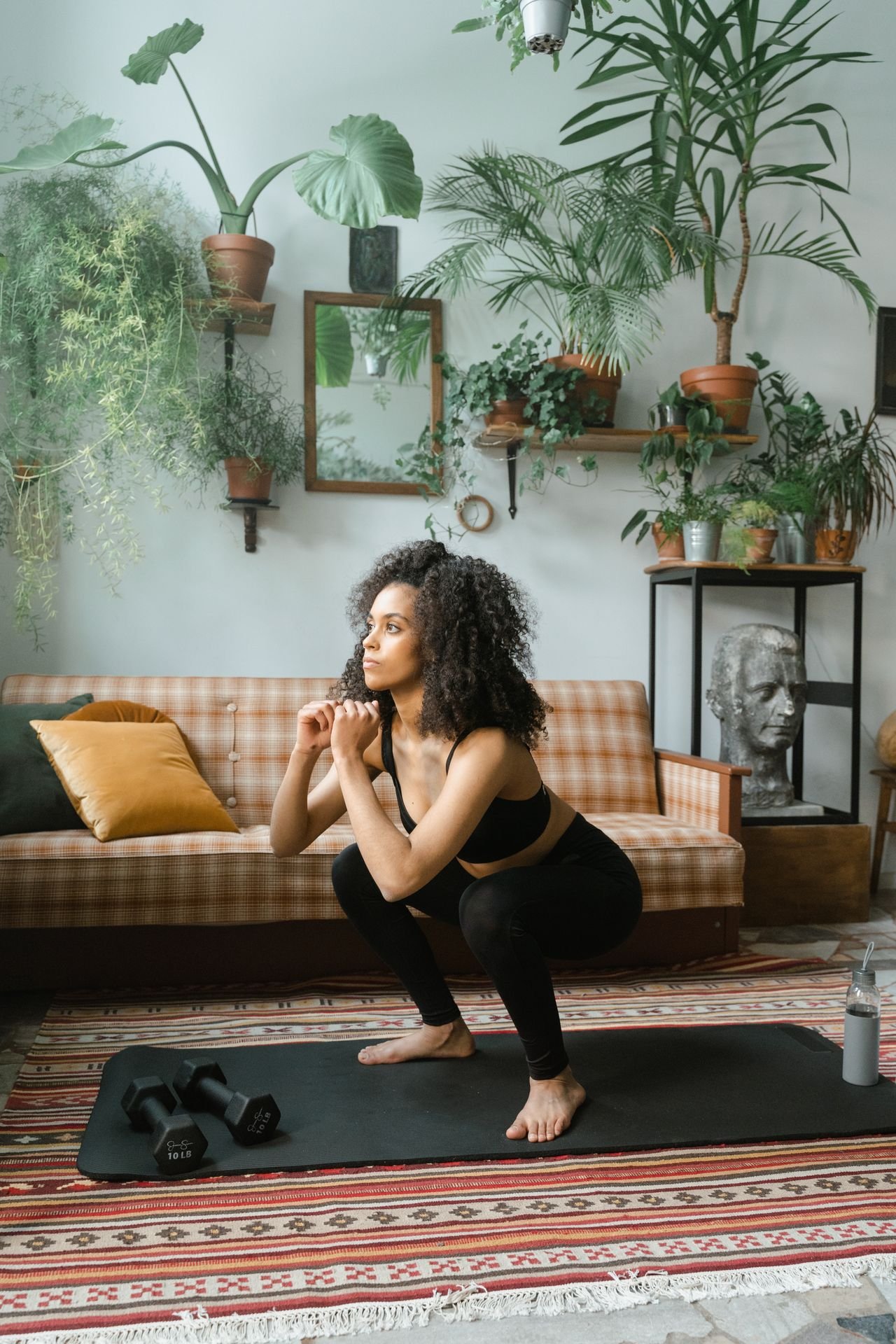
Beginning a fitness journey can be an exciting step toward improving your health, strength, energy, and confidence. However, many beginners feel confused about where to begin because there is so much fitness advice available online.
The truth is that building a healthier lifestyle does not require extreme workouts or strict diets. A successful fitness journey starts with small, consistent changes that help you develop better habits over time.
Whether your goal is losing weight, gaining muscle, improving energy, increasing endurance, or simply becoming healthier, this beginner’s guide will help you understand the essential steps to start and maintain a sustainable fitness routine.
The most important thing to remember is that fitness is a long-term process. You do not need to completely change your lifestyle in one day. Instead, focus on making one positive change at a time and gradually building a routine that fits your life.
What Is a Fitness Journey?
A fitness journey is the personal process of improving your physical health through exercise, nutrition, recovery, and healthy lifestyle choices.
Everyone’s journey is different. Some people focus on weight loss, while others want to build strength, improve endurance, increase flexibility, or feel more energetic.
Your goals may also change over time. You might begin by wanting to lose weight and later discover that you enjoy strength training or running.
A fitness journey is not about achieving quick results. It is about creating sustainable habits that support your health for the long term.
There is no perfect starting point. You can begin with walking, simple bodyweight exercises, or short home workouts.
The World Health Organization physical activity recommendations provide evidence-based guidance on physical activity for adults.
Why Start a Fitness Journey?
Beginning a fitness routine can provide benefits for both physical and mental well-being.
Regular physical activity can help support:
- Increased strength
- Better cardiovascular fitness
- Improved endurance
- Healthy weight management
- Better physical function
- Improved mood
- Better sleep
- Increased confidence
- Greater energy
- Stronger muscles and bones
Exercise can also make everyday activities easier.
For example, improving your leg strength can make climbing stairs easier, while improving your cardiovascular fitness can help you walk or cycle for longer periods without becoming as tired.
Physical activity does not have to happen only in a gym. Walking, cycling, recreational sports, dancing, household activities, and active transportation can all contribute to your overall activity level.
The CDC’s physical activity guidance explains how regular physical activity can support overall health.
Step 1: Set Clear Fitness Goals

The first step in your fitness journey is deciding what you want to achieve.
Your goals should be realistic and specific.
Instead of saying:
“I want to get fit.”
Create a clearer goal such as:
- Exercise three times per week
- Walk for 30 minutes five days per week
- Improve cardiovascular endurance
- Build stronger muscles
- Complete a beginner workout program
- Improve flexibility
- Develop healthier eating habits
- Work toward a healthy body weight
Clear goals help you stay focused and make your progress easier to measure.
Use Small Goals
Large goals can sometimes feel overwhelming.
Break them into smaller steps.
For example, if your long-term goal is to become stronger, your first goal could simply be completing two strength workouts each week.
Once that becomes a habit, you can gradually increase your training.
Small achievements can create motivation and help you stay consistent.
Make Your Goals Measurable
Instead of saying:
“I will exercise more.”
Try:
“I will walk for 30 minutes on Monday, Wednesday, and Friday.”
This gives you something specific to complete.
Step 2: Choose the Right Exercise Routine
Beginners should start with exercises that match their current fitness level.
You do not need an advanced workout program to make progress.
A balanced routine can include strength training, aerobic exercise, mobility work, and recovery.
Strength Training
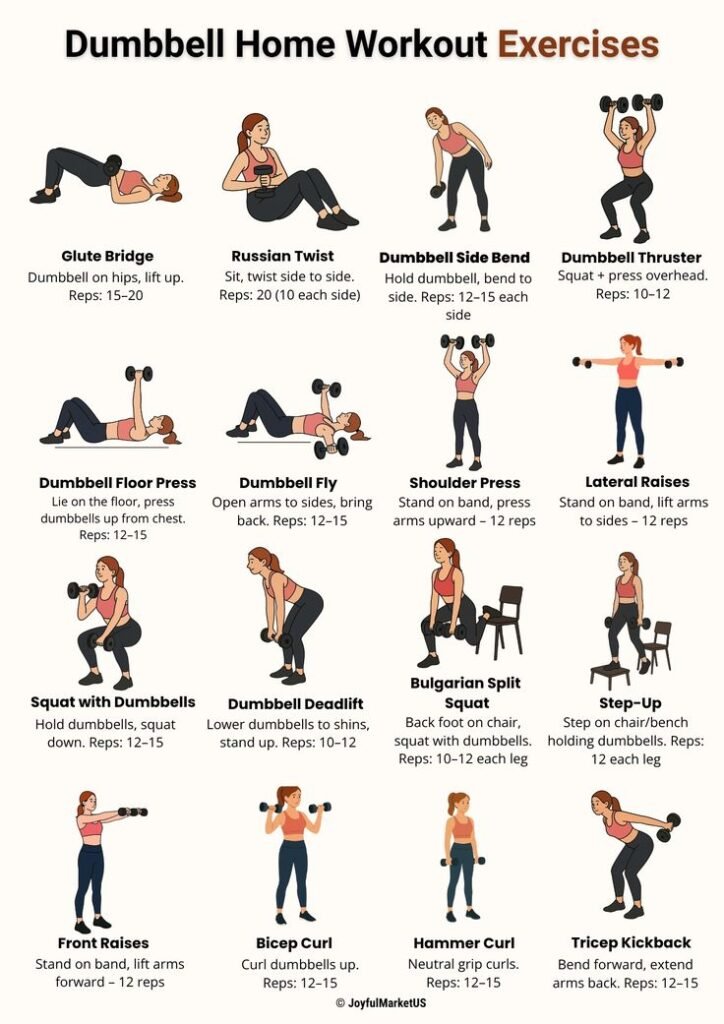
Strength exercises help develop muscle strength and physical function.
Examples include:
- Squats
- Push-ups
- Lunges
- Glute bridges
- Planks
- Rows
- Shoulder presses
- Resistance-band exercises
You can begin with bodyweight exercises and gradually add resistance.
Strength training can be performed at home or in a gym.
Cardio Exercises

Cardiovascular exercise helps improve heart and lung fitness.
Examples include:
- Walking
- Jogging
- Running
- Cycling
- Swimming
- Dancing
- Jumping rope
- Hiking
Beginners should choose activities they enjoy and can perform consistently.
You do not need to run if you dislike running. Walking, cycling, swimming, or dancing can also provide valuable aerobic activity.
Flexibility and Mobility
Mobility exercises can help you move comfortably and maintain flexibility.
Examples include:
- Gentle stretching
- Hip mobility exercises
- Shoulder mobility exercises
- Dynamic warm-ups
- Yoga-style movements
Mobility work can be especially useful before or after workouts.
Start Gradually
If you have been inactive, do not immediately attempt an intense workout.
Start with manageable sessions and gradually increase duration, frequency, or intensity.
The WHO recommends that people who are inactive start with small amounts of activity and gradually increase their activity over time.
Step 3: Focus on Healthy Nutrition
Exercise is only one part of a successful fitness journey.
Nutrition provides your body with the energy and nutrients it needs for daily activities, exercise, recovery, and normal body functions.
Focus on balanced meals that include a variety of foods.
Protein
Protein helps support muscle maintenance and repair.
Good sources include:
- Eggs
- Chicken
- Fish
- Beans
- Lentils
- Greek yogurt
- Milk
- Lean meat
- Cottage cheese
Fruits and Vegetables
Fruits and vegetables provide vitamins, minerals, fiber, and other nutrients.
Try to include different colors and varieties throughout the week.
Whole Grains
Whole grains can provide carbohydrates and fiber.
Examples include:
- Oats
- Brown rice
- Whole-grain bread
- Whole-grain pasta
- Barley
Healthy Fats
Healthy fat sources can include:
- Avocado
- Nuts
- Seeds
- Olive oil
- Some types of fish
Drink Enough Water
Hydration is important for normal body functions and exercise performance.
Make water your main beverage and pay attention to your fluid needs, particularly when exercising in hot conditions.
Step 4: Create a Consistent Workout Schedule
Consistency is often more important than intensity when you are starting.
Create a realistic schedule that fits your lifestyle.
For example, a beginner could start with:
- 20–30 minutes of exercise
- Three workout days per week
- One or two cardio sessions
- Two strength sessions
- Regular walking
- Rest or recovery days
You can adjust the schedule according to your fitness level.
A simple routine that you follow regularly is usually more sustainable than an advanced program that you cannot maintain.
Schedule Your Workouts
Choose specific days and times for exercise.
For example:
Monday: Strength training
Tuesday: Walking
Wednesday: Rest
Thursday: Strength training
Friday: Cardio
Saturday: Outdoor activity
Sunday: Recovery
Having a schedule removes some of the decision-making involved in exercising.
Step 5: Learn Proper Exercise Technique
Learning proper form is especially important for beginners.
Before increasing resistance or workout intensity, make sure you understand how to perform each movement.
For example, when performing a squat:
- Stand with your feet in a comfortable position.
- Keep your chest controlled.
- Bend your knees and hips.
- Lower yourself in a controlled movement.
- Push through your feet to return to standing.
Do not worry about lifting heavy weights immediately.
Your first priority should be learning the movement and developing control.
If you are unsure how to perform an exercise safely, consider working with a qualified fitness professional.
Step 6: Track Your Progress
Tracking your progress can help you stay motivated and understand how your body is improving.
You can record:
- Workout frequency
- Exercise duration
- Repetitions
- Resistance used
- Walking distance
- Running time
- Energy levels
- Strength improvements
- Body measurements
Progress is not only about body weight.
You might notice that you can perform more push-ups, walk farther, hold a plank longer, or recover faster after exercise.
These are meaningful improvements.
Take Progress Photos
If you are comfortable doing so, progress photos can help you visually compare changes over time.
Take them under similar conditions, such as the same location and similar lighting.
Track Performance
Performance can often provide useful information.
For example:
Week 1: 5 push-ups
Week 4: 10 push-ups
That is measurable progress even if your weight has not changed significantly.
Step 7: Stay Motivated and Patient
Many beginners stop exercising because they expect immediate results.
A successful fitness journey requires patience.
Your body needs time to adapt to exercise and lifestyle changes.
Some days you may feel highly motivated. Other days you may not want to exercise.
The goal is to build habits that do not depend entirely on motivation.
For additional strategies, see How to Stay Motivated to Lose Weight: 15 Proven Tips That Really Work.
Celebrate Small Achievements
Celebrate improvements such as:
- Completing your first full workout
- Exercising consistently for a week
- Walking farther
- Improving your technique
- Increasing strength
- Eating more balanced meals
Small achievements add up.
Focus on Progress, Not Perfection
Missing one workout does not mean your entire plan has failed.
If you miss Monday’s workout, return to your routine on Tuesday.
Consistency over months and years matters more than perfection every day.
Step 8: Prioritize Recovery
Recovery is an important part of fitness.
Your body needs time to adapt after exercise.
Recovery includes:
- Sleep
- Rest days
- Adequate nutrition
- Hydration
- Light movement
- Stress management
Avoid training intensely every day if your body is not ready.
A good routine balances challenging workouts with adequate recovery.
How Much Exercise Should Beginners Do?
There is no single amount of exercise that is perfect for everyone.
Your starting point depends on your current activity level, age, fitness, schedule, and goals.
For general adult health, WHO recommends:
- 150–300 minutes of moderate-intensity aerobic activity per week, or
- 75–150 minutes of vigorous-intensity aerobic activity per week
- Plus muscle-strengthening activities on at least two days per week
You do not have to reach the maximum amount immediately.
Start with manageable amounts and gradually increase your activity.
The CDC physical activity recommendations provide additional guidance on aerobic and muscle-strengthening activity.
Beginner Weekly Fitness Plan
Here is a simple example schedule.
Monday: Full-Body Strength
- Squats
- Push-ups
- Lunges
- Glute bridges
- Plank
Complete 2–3 sets depending on your fitness level.
Tuesday: Light Cardio
Walk for 20–30 minutes.
Wednesday: Recovery
Rest or perform gentle stretching.
Thursday: Strength Training
Complete another full-body workout.
Friday: Cardio
Choose walking, cycling, swimming, or another activity you enjoy.
Saturday: Active Movement
Try:
- Hiking
- Dancing
- Walking
- Recreational sports
- Cycling
Sunday: Rest
Allow your body to recover.
You can modify this plan according to your schedule.
Fitness Journey for Weight Loss
If weight loss is your goal, exercise can support your overall plan.
However, weight loss involves more than workouts.
Your results can be influenced by:
- Food intake
- Physical activity
- Daily movement
- Sleep
- Stress
- Consistency
- Individual factors
Strength training can help maintain muscle while you work toward reducing body fat.
Cardio can increase energy expenditure and improve cardiovascular fitness.
Walking is also a useful way to increase daily movement without requiring an intense workout.
The best approach is one that you can maintain.
Fitness Journey for Muscle Gain
If your primary goal is building muscle, resistance training should be a major part of your routine.
Focus on:
- Progressive resistance training
- Adequate protein
- Balanced nutrition
- Sufficient recovery
- Consistent workouts
You do not need to immediately lift extremely heavy weights.
Start with manageable resistance and gradually increase the challenge.
Fitness Journey for Better Endurance
If you want to improve endurance, gradually increase aerobic activity.
Good choices include:
- Walking
- Jogging
- Running
- Cycling
- Swimming
- Hiking
Start at a comfortable intensity.
Over time, you can gradually increase duration or intensity.
Common Beginner Mistakes to Avoid
1. Doing Too Much Too Soon
Starting with intense workouts can lead to excessive soreness, fatigue, or injury.
Increase your activity gradually.
2. Ignoring Nutrition
Exercise cannot replace a consistently poor diet.
Focus on balanced meals and appropriate portions.
3. Comparing Yourself to Others
Everyone has a different starting point.
Your progress should be compared with your previous performance rather than someone else’s results.
4. Skipping Rest Days
Recovery helps your body adapt to training.
Include rest or lighter activity in your schedule.
5. Changing Your Routine Every Few Days
Constantly changing your workouts can make it difficult to determine whether you are progressing.
Give a reasonable routine time to work before making unnecessary changes.
6. Focusing Only on Weight
The scale does not tell you everything about your health or fitness.
Track strength, endurance, energy, and other improvements as well.
7. Exercising Without Proper Form
Poor technique can make exercises less effective and may increase unnecessary strain.
Learn the basic movement before increasing resistance.
How to Make Exercise a Habit
Creating a lasting exercise habit requires making fitness convenient.
Choose a Convenient Time
Exercise at a time when you are most likely to follow through.
Some people prefer mornings, while others exercise after work or school.
Prepare Your Equipment
Keep your workout clothes, shoes, resistance bands, or other equipment ready.
Reducing small barriers can make starting easier.
Start With Short Sessions
If you are busy, begin with 10–20 minutes.
A short workout is often better than skipping exercise completely.
Make It Enjoyable
Choose activities you actually enjoy.
You could:
- Listen to music
- Walk with a friend
- Exercise outdoors
- Follow home workouts
- Join a fitness class
- Try different sports
Enjoyment can make consistency easier.
How Sleep Supports Your Fitness Journey
Sleep is an important part of overall health and recovery.
Poor sleep can make it more difficult to feel energetic and maintain healthy habits.
Create a consistent bedtime routine.
Helpful habits may include:
- Going to bed at a regular time
- Creating a comfortable sleeping environment
- Limiting distractions before bed
- Allowing enough time for sleep
Recovery is just as important as the workout itself.
How to Stay Active Outside the Gym
You do not have to spend every workout in a gym.
Increase daily movement through simple activities.
Try:
- Walking to nearby destinations
- Taking the stairs
- Cleaning your home
- Gardening
- Walking during breaks
- Playing recreational sports
- Taking evening walks
These activities can help you become more active throughout the day.
Mental Benefits of Exercise
A fitness journey can also support mental well-being.
Physical activity can provide an opportunity to reduce stress, spend time outdoors, socialize, and focus on personal goals.
Exercise should not be viewed as punishment for eating or as a way to compensate for food.
Instead, think of movement as something that supports your health and quality of life.
If you are struggling with persistent mental health concerns, consider speaking with an appropriate healthcare professional rather than relying on exercise alone.
How to Stay Successful Long-Term
A successful fitness journey depends on creating habits you can maintain.
Remember these principles:
- Be consistent
- Set realistic goals
- Eat balanced meals
- Exercise regularly
- Prioritize recovery
- Sleep enough
- Track your progress
- Stay patient
- Choose activities you enjoy
- Adjust your routine when necessary
Your routine should fit your life.
If you work long hours, a 20-minute workout may be more realistic than a two-hour gym session.
If you prefer home workouts, there is no requirement to join a gym.
When to Adjust Your Fitness Routine
Your fitness routine should evolve as you improve.
You may need to increase the challenge when:
- Exercises become too easy
- You can complete more repetitions comfortably
- Your endurance improves
- Your strength increases
- You have more time available
You may also need to reduce the intensity when:
- You feel unusually exhausted
- Recovery takes too long
- You are experiencing persistent pain
- Your performance consistently decreases
Listening to your body can help you maintain a sustainable routine.
Safety Tips for Beginners
Before starting a new exercise program, consider your current fitness level and any limitations that could affect your ability to exercise safely.
Start gradually if you have been inactive.
During exercise:
- Use controlled movements
- Wear appropriate footwear
- Keep your workout area clear
- Use stable equipment
- Stay hydrated
- Warm up before demanding exercise
- Allow recovery time
- Stop if you experience concerning symptoms
If you have a medical condition, injury, or other concern about exercising safely, consider speaking with an appropriate healthcare professional before beginning a new program.
Frequently Asked Questions
How Long Does It Take to See Fitness Results?
Results vary from person to person.
Your progress can depend on your starting fitness level, exercise routine, nutrition, recovery, genetics, and consistency.
Focus on gradual improvement rather than expecting a specific transformation by a certain date.
Can Beginners Exercise Every Day?
Beginners do not necessarily need intense workouts every day.
You can combine strength workouts with walking, light activity, mobility work, and recovery days.
Is Walking Enough to Start?
Yes.
Walking can be an excellent starting point for people who are new to exercise.
You can begin with short walks and gradually increase duration or pace.
Do I Need a Gym?
No.
Many effective exercises can be completed at home with bodyweight or simple equipment.
Should I Exercise Before or After Eating?
There is no universal answer.
Some people prefer exercising before eating, while others feel better after a meal.
Experiment with timing and choose what feels comfortable for you.
How Many Days Should I Work Out?
For many beginners, three days of structured exercise can be a practical starting point.
You can also include walking and other light movement throughout the week.
What Is the Best Exercise for Beginners?
There is no single best exercise.
A balanced routine can include squats, push-ups, lunges, rows, planks, walking, cycling, or other activities appropriate for your fitness level.
Can I Lose Weight Through Exercise?
Exercise can support weight management, but nutrition and overall lifestyle also matter.
A sustainable approach combines physical activity with balanced eating habits.
Final Thoughts
Starting a fitness journey is one of the best steps you can take toward improving your health, strength, endurance, and confidence.
You do not need to be perfect or make huge changes overnight.
Begin with simple steps, stay consistent, and focus on becoming healthier over time.
Set realistic goals, choose exercises you enjoy, eat balanced meals, get adequate sleep, and give your body enough time to recover.
Your journey is unique.
Do not compare your progress with someone else’s. Instead, compare where you are today with where you were when you started.
Every workout, healthy meal, walk, and positive choice can contribute to a healthier lifestyle.
For evidence-based information about physical activity, visit the World Health Organization’s physical activity guidance and the CDC’s physical activity guidelines.
The most important step is simply to begin.
Start where you are, choose a realistic goal, and gradually build a routine that fits your lifestyle. With patience and consistency, your fitness journey can become more than a short-term goal—it can become a sustainable part of your everyday life.