IIf you want meals that keep you satisfied and support a healthy diet, choosing foods high in fiber and protein is a smart place to start. Fiber and protein are two important nutrients that can help you build balanced meals, manage hunger, and maintain healthy eating habits.
Protein helps your body build and maintain muscles and other tissues, while fiber supports normal digestion and can contribute to feelings of fullness. Combining these nutrients can make meals more satisfying and may make it easier to maintain a balanced eating pattern.
Fortunately, you don’t need complicated recipes or expensive ingredients. Many everyday foods naturally provide both fiber and protein, including lentils, chickpeas, beans, peas, seeds, whole grains, and soy foods.
A healthy diet does not need to be perfect. Instead, focus on choosing a variety of nutrient-dense foods that fit your preferences, budget, and lifestyle. The CDC recommends including a variety of protein foods, vegetables, fruits, whole grains, healthy fats, and fiber-rich foods as part of a nutritious eating pattern.
Here are 15 of the best foods high in fiber and protein to add to your diet.
What Are Foods High in Fiber and Protein?
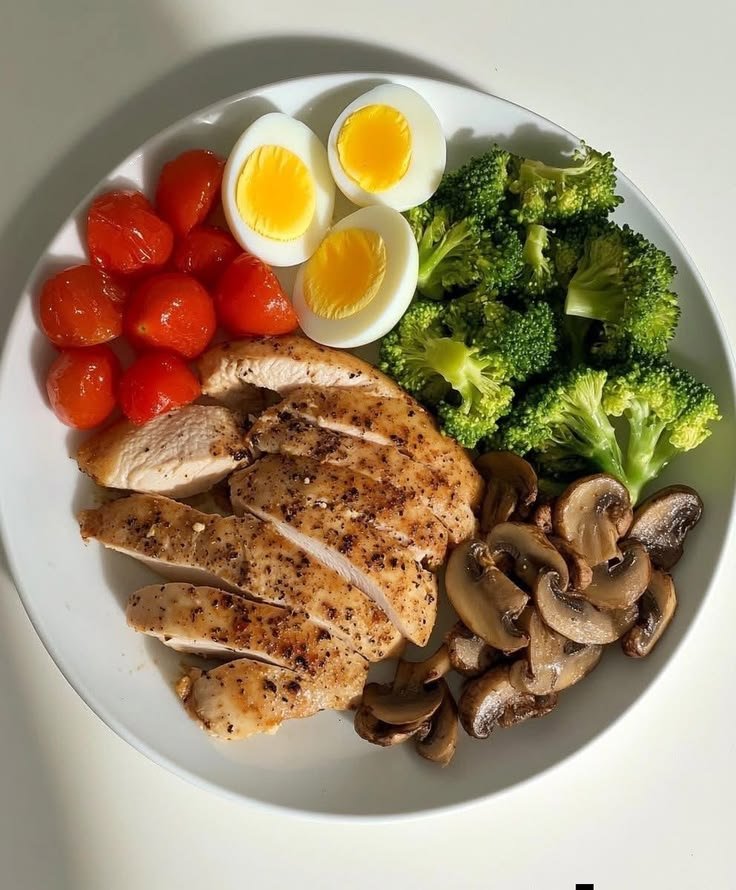
Foods high in fiber and protein contain meaningful amounts of both nutrients in the same food or combination of foods.
Fiber is found naturally in fruits, vegetables, beans, lentils, whole grains, nuts, and seeds. Protein is found in foods such as meat, fish, eggs, dairy products, beans, peas, lentils, soy foods, nuts, and seeds.
Some foods are especially useful because they provide both nutrients together.
Examples include:
- Lentils
- Chickpeas
- Black beans
- Kidney beans
- Edamame
- Split peas
- Chia seeds
- Hemp seeds
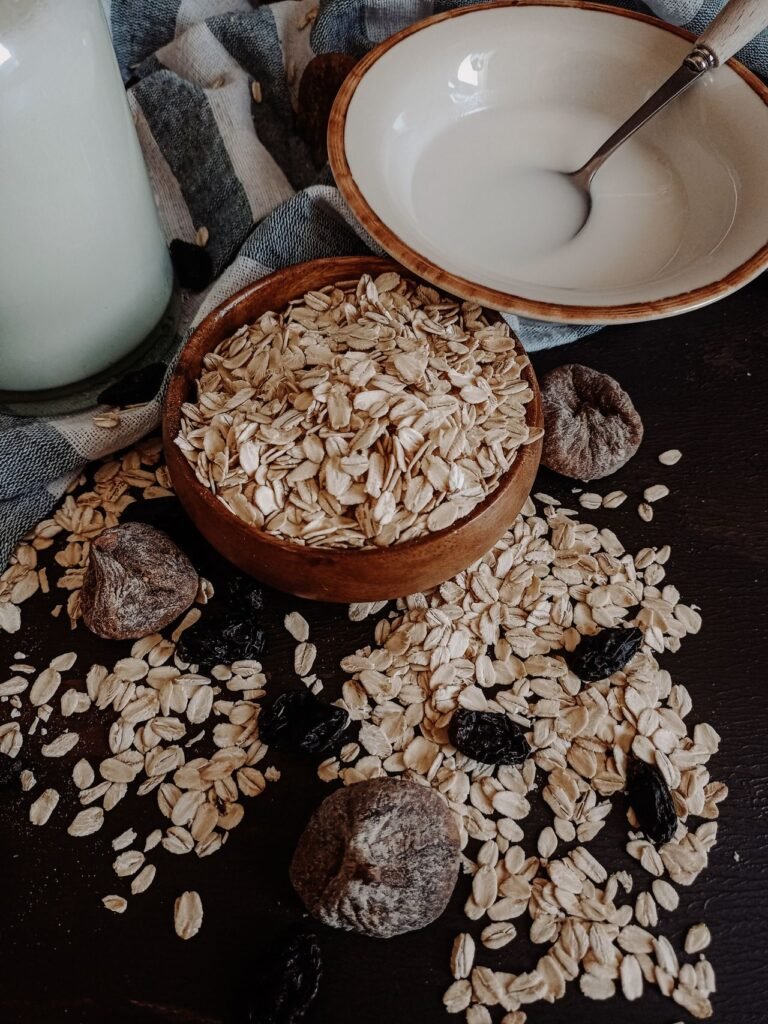
- Oats
- Quinoa
- Green peas
- Black-eyed peas
Combining different food groups can also increase both nutrients. For example, Greek yogurt with chia seeds and berries provides protein from yogurt and fiber from chia seeds and berries.
According to USDA MyPlate, beans, peas, lentils, nuts, seeds, and soy foods are all part of the Protein Foods group and can provide important nutrients.
15 Foods High in Fiber and Protein
1. Lentils
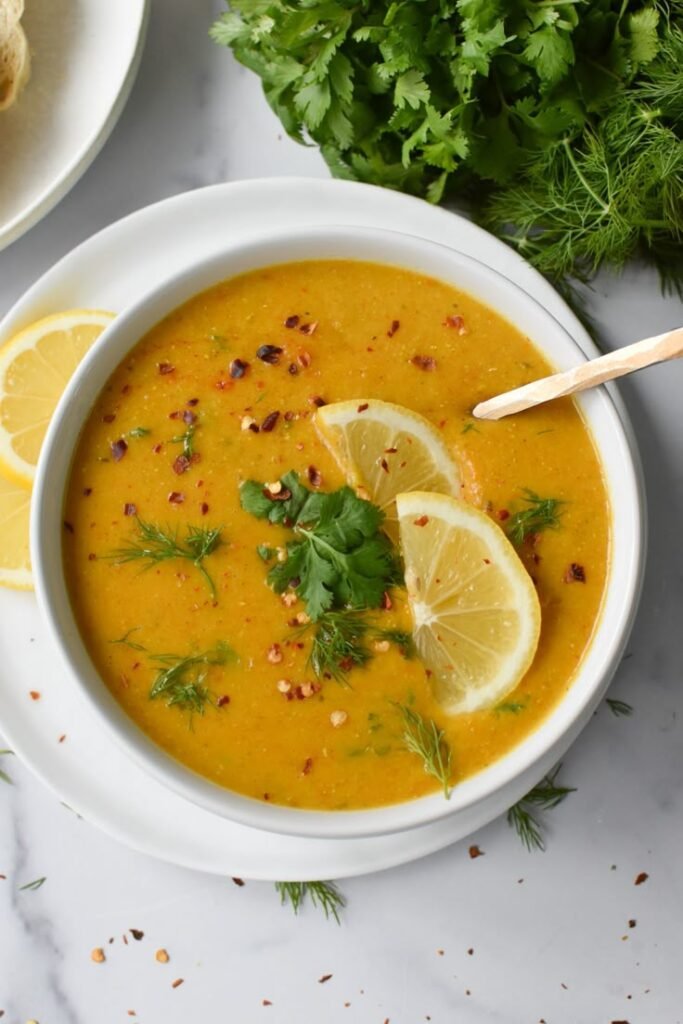
Lentils are one of the best examples of foods high in fiber and protein. They are affordable, versatile, easy to store, and simple to include in everyday meals.
Lentils provide plant-based protein and dietary fiber, making them particularly useful for people who want filling meals without relying entirely on meat or other animal products.
You can add lentils to:
- Soups
- Stews
- Salads
- Grain bowls
- Curries
- Wraps
- Vegetable dishes
Easy Idea
Prepare a lentil and vegetable soup with tomatoes, onions, carrots, spinach, and spices.
You can also cook lentils in advance and keep them refrigerated for quick meals throughout the week.
Lentils are especially useful when you’re trying to improve your diet because they can replace part of a refined carbohydrate while adding fiber and protein.
2. Chickpeas
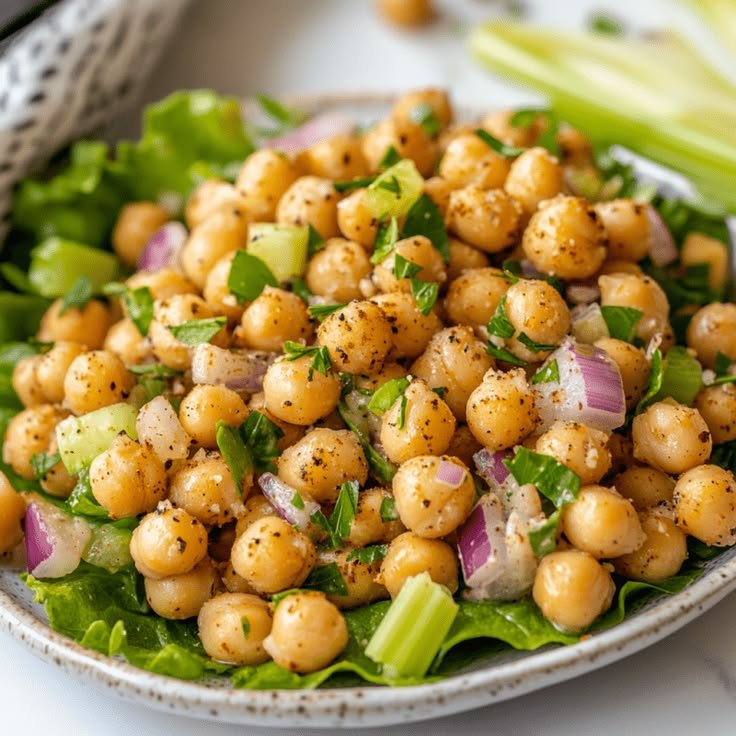
Chickpeas are another excellent example of foods high in fiber and protein.
They provide plant-based protein and fiber while being extremely versatile. Chickpeas can be used in both main meals and snacks.
Try adding them to:
- Hummus
- Salads
- Soups
- Wraps
- Grain bowls
- Curries
- Roasted snacks
Easy Idea
Combine chickpeas with cucumber, tomatoes, leafy greens, onions, and a simple lemon dressing.
You can also roast chickpeas with paprika, cumin, garlic, and black pepper for a crunchy snack.
If you’re looking for more snack ideas, you can also read our guide on Healthy Snacks for Weight Loss.
Chickpeas can be particularly useful because they can make salads and vegetable-based meals more substantial.
3. Black Beans
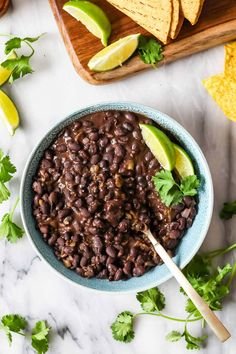
Black beans are another excellent combination of protein and fiber.
They can be added to soups, salads, wraps, rice dishes, tacos, and homemade bowls.
Beans are also relatively affordable, making them a practical choice for people who want nutritious meals without spending a lot of money.
Easy Idea
Combine black beans with:
- Brown rice
- Tomatoes
- Lettuce
- Cucumber
- Corn
- Avocado
- Salsa
This creates a simple meal containing plant-based protein, fiber, carbohydrates, and healthy fats.
Black beans can also replace some meat in meals if you want to include more plant-based foods in your diet.
4. Kidney Beans
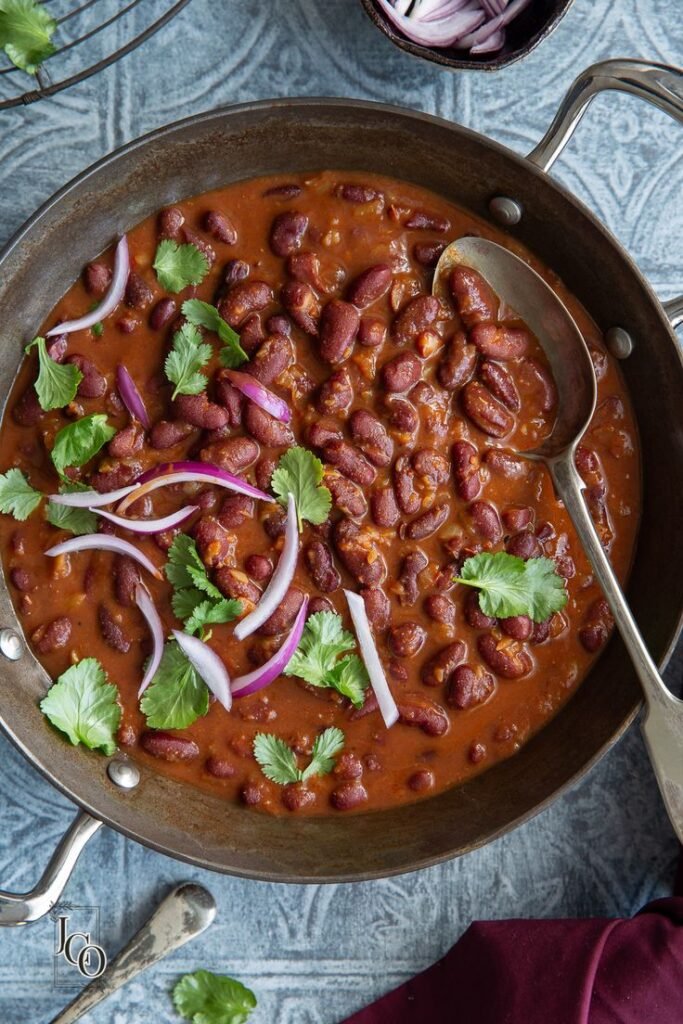
Kidney beans provide plant-based protein, fiber, and several important nutrients.
They work particularly well in:
- Soups
- Chili
- Salads
- Rice dishes
- Stews
- Vegetable meals
If you’re using canned kidney beans, rinse them under water before eating to help remove some of the sodium from the canning liquid.
Easy Idea
Make a simple kidney bean bowl with brown rice, vegetables, tomatoes, onions, and herbs.
You can also combine kidney beans with other legumes to create a high-fiber meal with a variety of textures and flavors.
Beans, peas, and lentils are recognized as useful protein foods while also contributing dietary fiber.
5. Edamame
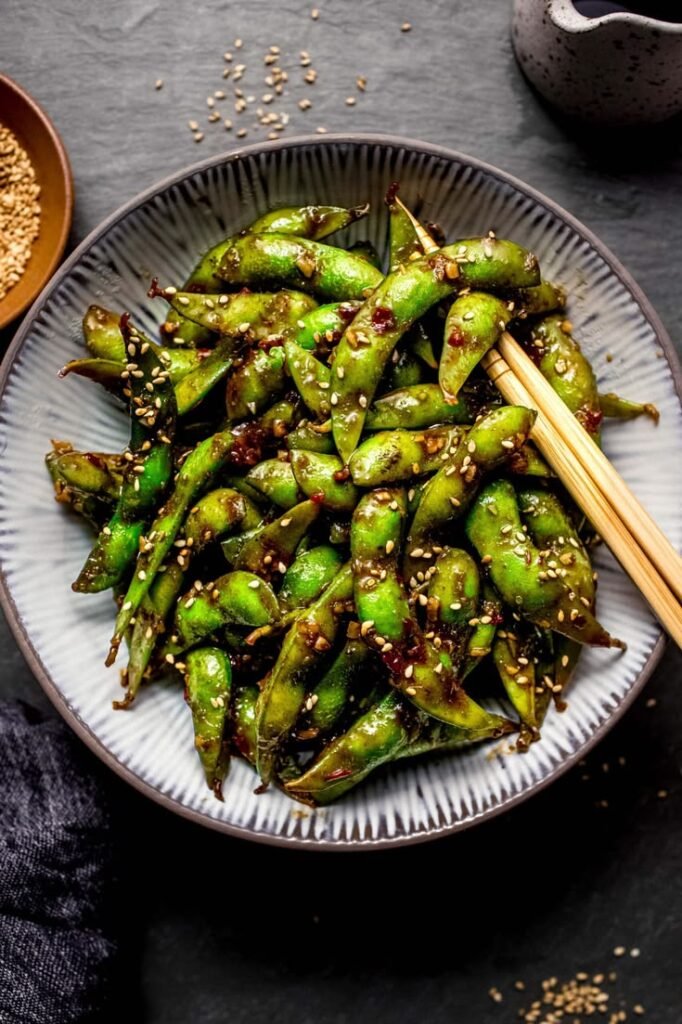
Edamame is a young soybean that provides both protein and fiber.
It can be eaten as a snack or added to salads, rice bowls, soups, and stir-fries.
Frozen edamame is especially convenient because it can be stored for a long time and prepared quickly.
Easy Idea
Steam edamame and season it with:
- Garlic
- Black pepper
- Chili flakes
- A small amount of salt
- Lemon juice
You can also add edamame to a grain bowl containing quinoa, vegetables, and a light dressing.
Soy foods such as edamame are included among protein-food choices recommended by MyPlate.
6. Split Peas
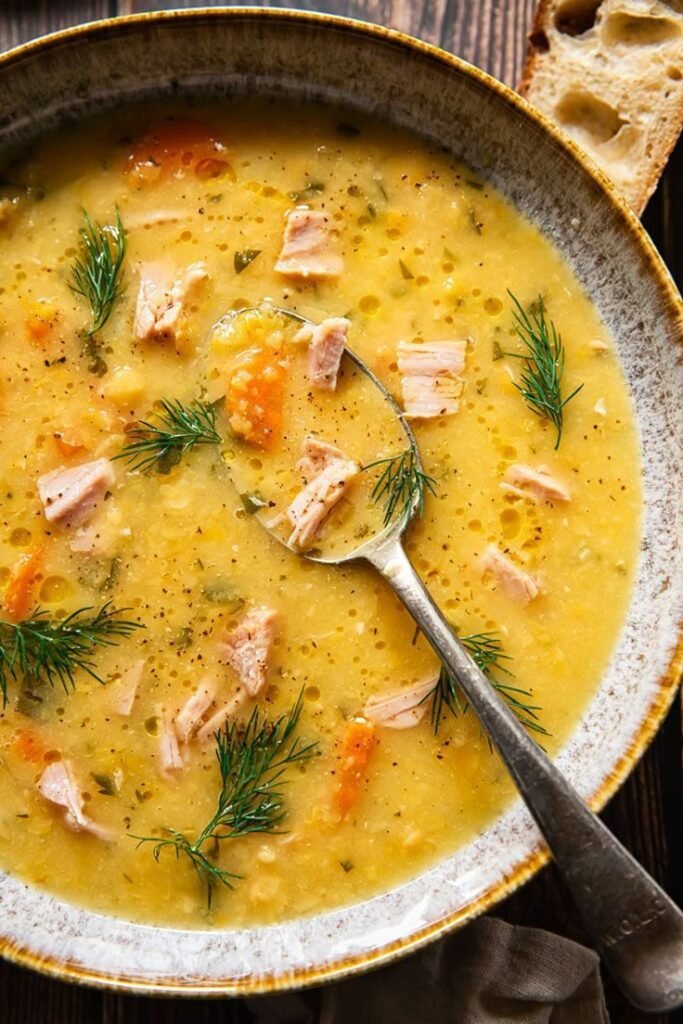
Split peas are legumes that provide both fiber and plant-based protein.
They are particularly popular in soups because they soften during cooking and create a naturally thick texture.
Easy Idea
Prepare split pea soup using:
- Split peas
- Carrots
- Celery
- Onions
- Garlic
- Herbs
- Vegetable or chicken broth
You can make a large batch and save portions for later.
Split peas are also useful for people who want inexpensive ingredients that can be used to create filling meals.
7. Chia Seeds
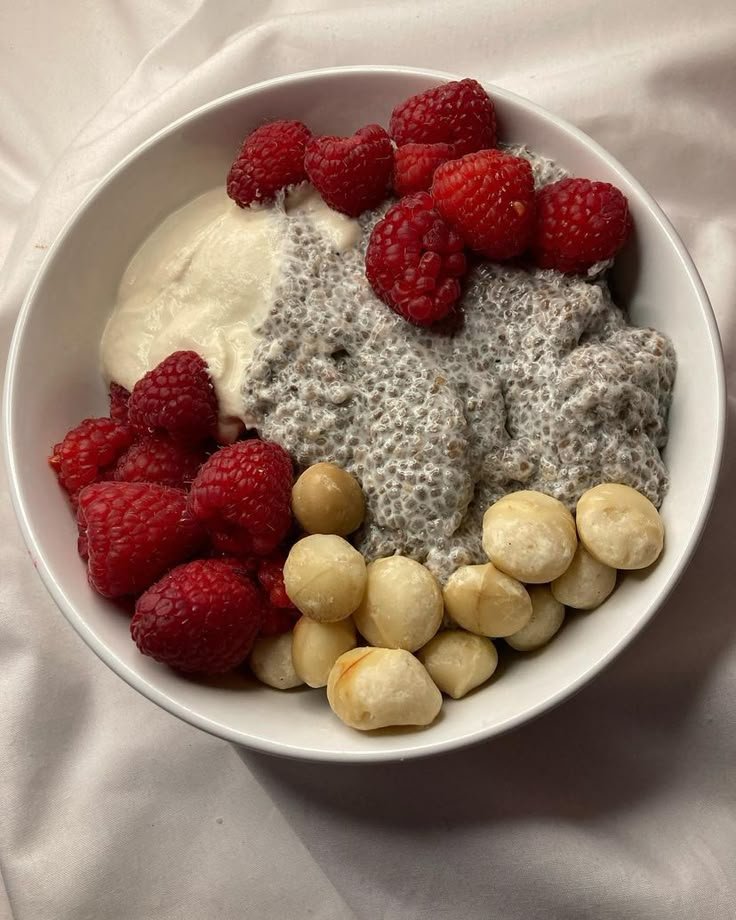
Chia seeds are small but provide a useful combination of fiber, protein, and healthy fats.
Because chia seeds absorb liquid, they can be used in:
- Overnight oats
- Yogurt bowls
- Smoothies
- Chia pudding
- Oatmeal
- Homemade snacks
Easy Idea
Mix chia seeds with plain Greek yogurt and berries.
You can also combine chia seeds with milk or an unsweetened plant-based milk and refrigerate the mixture overnight.
Chia seeds are nutrient-dense, but they are also relatively calorie-dense, so a moderate portion can be enough.
If you are not used to eating much fiber, increase your intake gradually to reduce the chance of digestive discomfort.
8. Hemp Seeds
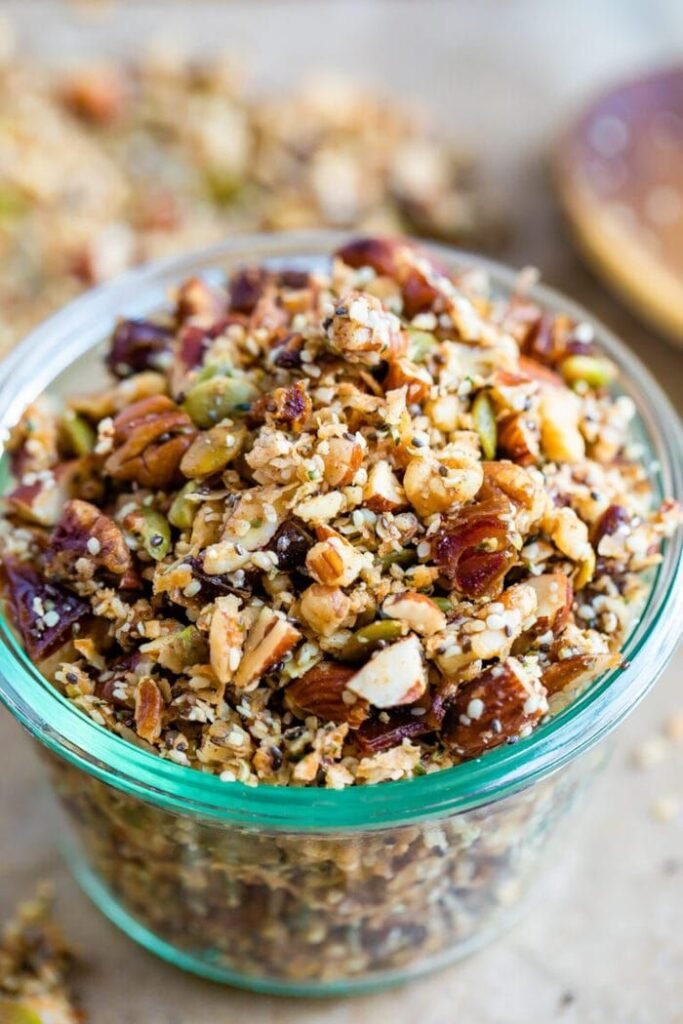
Hemp seeds contain protein, fiber, healthy fats, and several minerals.
They have a mild, nutty flavor and can be added to many meals without significantly changing the taste.
Try sprinkling them over:
- Oatmeal
- Salads
- Greek yogurt
- Smoothies
- Whole-grain toast
- Vegetable bowls
Easy Idea
Add a spoonful of hemp seeds to oatmeal with berries and Greek yogurt.
This gives you a combination of whole grains, fruit, protein, and fiber.
Seeds can be a convenient way to increase the nutritional value of meals without requiring complicated preparation.
9. Oats
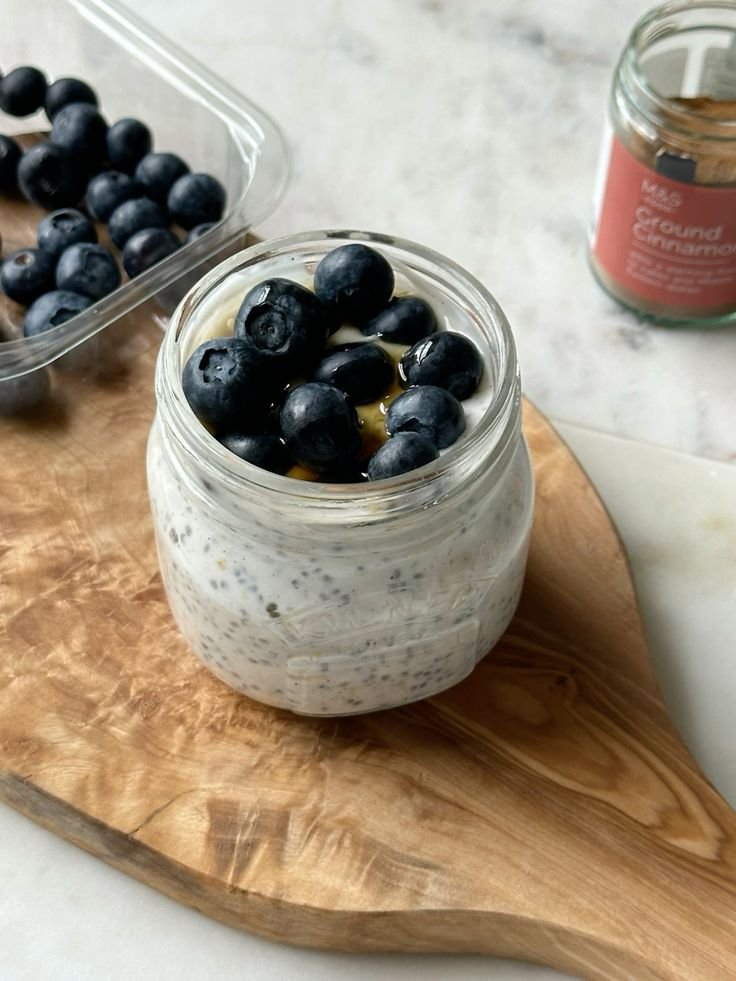
Oats are a whole grain that provides fiber along with some protein.
They are particularly useful for breakfast because they can be combined with several other nutrient-rich foods.
Easy Idea
Cook oats with milk or an unsweetened plant-based milk and add:
- Greek yogurt
- Berries
- Chia seeds
- Cinnamon
- Almonds
- Banana
Adding protein-rich ingredients can make oatmeal more balanced and satisfying.
Oats are among the easiest foods high in fiber and protein to include regularly when combined with other protein-rich ingredients.
For more information about adding fiber to your diet, read our Fiber-Rich Foods for Weight Loss article.
10. Quinoa
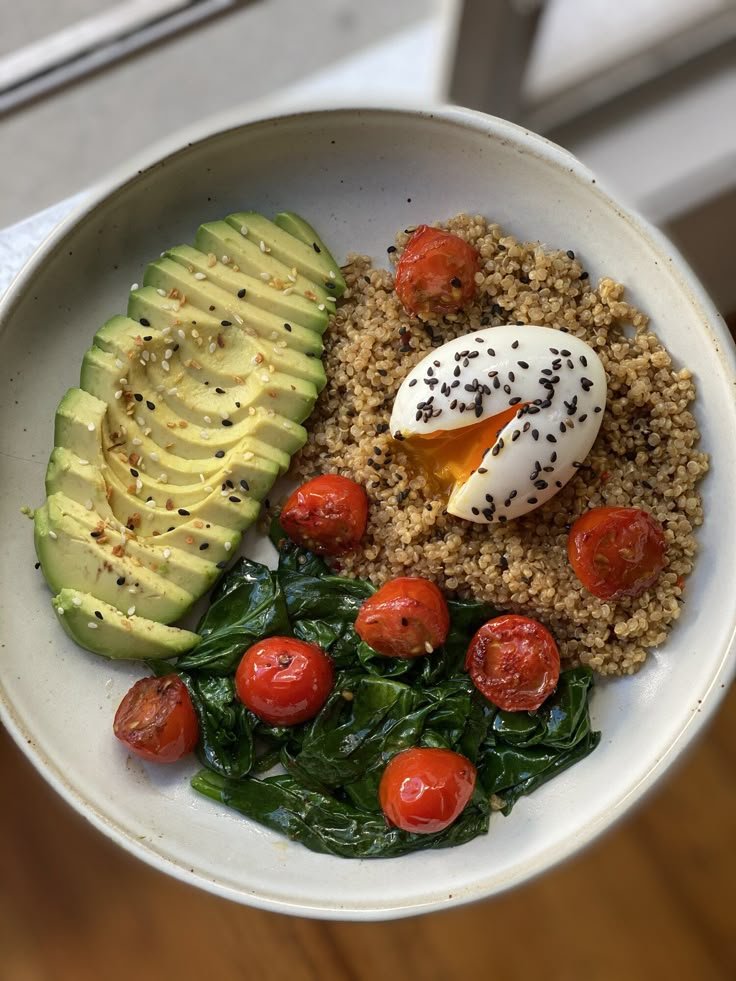
Quinoa is a seed commonly prepared and eaten like a grain. It provides both protein and fiber and can be used in place of rice or other grains.
You can use quinoa in:
- Grain bowls
- Salads
- Vegetable dishes
- Breakfast bowls
- Stuffed vegetables
- Side dishes
Easy Idea
Combine cooked quinoa with roasted vegetables, chickpeas, cucumber, tomatoes, and a light lemon dressing.
You can prepare quinoa ahead of time and keep it refrigerated, making it easier to build quick meals during busy days.
Quinoa can also be paired with beans or lentils to create a particularly filling plant-based meal.
11. Green Peas
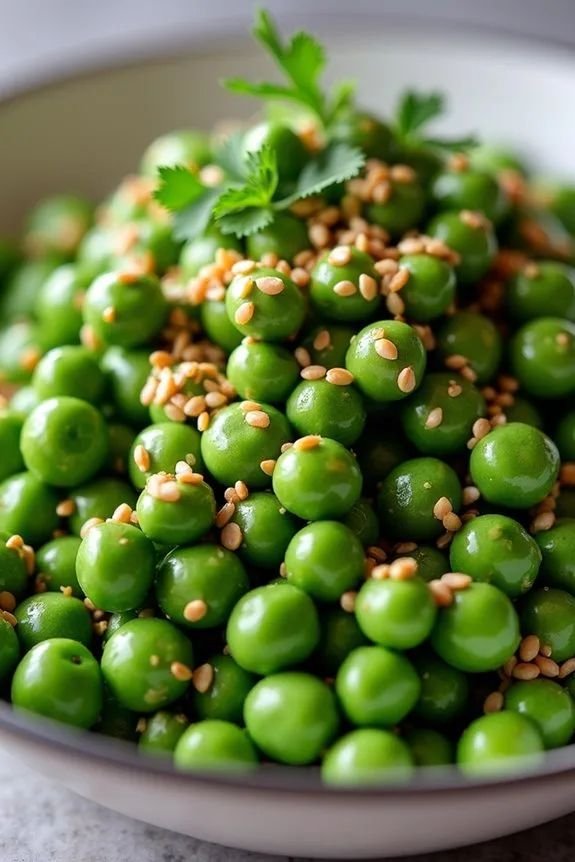
Green peas provide fiber and plant-based protein while also adding color and flavor to meals.
They are easy to add to:
- Soups
- Rice dishes
- Pasta
- Stir-fries
- Salads
- Vegetable bowls
Frozen peas are especially convenient because they can be stored for long periods and cooked within minutes.
Easy Idea
Add green peas to brown rice with mixed vegetables and chicken.
You can also mix peas into a lentil soup for additional texture and nutrients.
12. Black-Eyed Peas
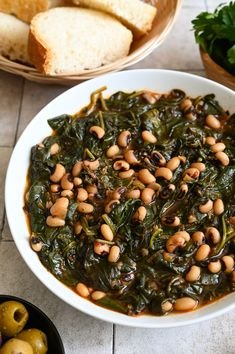
Black-eyed peas are legumes that provide fiber, protein, and other important nutrients.
They can be added to:
- Salads
- Soups
- Stews
- Rice dishes
- Vegetable bowls
- Wraps
Easy Idea
Mix cooked black-eyed peas with tomatoes, onions, cucumber, parsley, and lemon juice.
This creates a simple salad that can be eaten as a side dish or combined with another protein source for a more complete meal.
Black-eyed peas are also included among the beans, peas, and lentils that MyPlate identifies as protein-food choices.
13. High-Fiber Whole-Grain Bread With Nut Butter
Whole-grain bread can provide fiber, while natural peanut or almond butter contributes protein and healthy fats.
Together, they can create a simple breakfast or snack.
Easy Idea
Spread a moderate amount of natural peanut butter on whole-grain toast and add sliced banana.
You can also add:
- Apple slices
- Chia seeds
- Cinnamon
- Strawberries
Because nut butter is calorie-dense, portion size still matters.
If weight management is your goal, focus on the overall meal rather than assuming that a food is automatically beneficial simply because it contains protein or fiber.
14. Greek Yogurt With Chia Seeds and Berries
Greek yogurt with chia seeds and berries is an excellent example of combining foods to create a snack containing both protein and fiber.
Greek yogurt provides protein, while chia seeds and berries provide fiber.
Easy Idea
Combine:
- Plain Greek yogurt
- Chia seeds
- Raspberries
- Strawberries
- Blueberries
- Cinnamon
Avoid relying heavily on added sugar. Instead, use fruit for natural sweetness.
This combination works well for breakfast, an afternoon snack, or a light dessert.
For another collection of nutritious snack combinations, see 20 Healthy Snacks for Weight Loss.
15. Avocado and Beans
Avocado provides fiber and healthy unsaturated fats, while beans provide both fiber and plant-based protein.
Combining them can create a satisfying meal or snack.
Easy Idea
Create a bowl with:
- Black beans
- Avocado
- Tomatoes
- Lettuce
- Cucumber
- Brown rice
- Salsa
You can also put the mixture into a whole-grain wrap.
Avocado is relatively calorie-dense, so you don’t need a large amount to add flavor and healthy fats.
Why Combine Fiber and Protein?
Both fiber and protein play important roles in a balanced diet.
Eating meals containing both can help you build meals that are more satisfying and nutritionally diverse.
Protein Supports Your Muscles
Protein provides amino acids that your body uses to build and maintain muscles and other tissues.
Protein foods include meat, poultry, seafood, eggs, beans, peas, lentils, soy foods, nuts, seeds, and dairy products.
The CDC recommends including a variety of protein foods as part of a healthy eating pattern.
Fiber Supports Digestive Health
Fiber is naturally found in fruits, vegetables, whole grains, legumes, nuts, and seeds.
It supports normal digestive function and can contribute to feelings of fullness.
The CDC also recommends increasing fiber through foods such as whole grains, beans, lentils, fruits, vegetables, nuts, and seeds.
Both Can Help You Feel Satisfied
Meals that contain protein and fiber may be more satisfying than meals based mainly on refined carbohydrates.
For example, compare a meal consisting mostly of refined bread with a meal containing whole-grain bread, eggs, vegetables, and fruit.
The second meal provides a broader range of nutrients and combines protein, fiber, carbohydrates, and other nutrients.
How Much Fiber and Protein Do You Need?
There is no single amount that works for everyone.
Protein requirements can vary depending on factors such as age, body size, physical activity, and health status.
Fiber requirements can also vary.
Rather than becoming overly focused on a specific number, start by including a source of protein and a source of fiber in most meals.
For example:
Breakfast: Oatmeal + Greek yogurt + berries
Lunch: Quinoa + chickpeas + vegetables
Snack: Apple + peanut butter
Dinner: Chicken + vegetables + beans or whole grains
This approach can help you create balanced meals without needing to calculate every nutrient.
If you have specific nutrition needs or a medical condition, speak with a qualified healthcare professional for individualized guidance.
Are Foods High in Fiber and Protein Good for Weight Loss?
Foods high in fiber and protein can be useful as part of a weight-management diet because both nutrients can contribute to feelings of fullness.
However, no individual food automatically causes weight loss.
For example, nuts, seeds, avocado, and nut butters can provide valuable nutrients but can also contain a significant amount of calories.
The CDC notes that healthy weight management involves a combination of nutrition and physical activity, while factors such as sleep, age, genetics, and medications can also influence weight.
Instead of focusing on one food, build an overall eating pattern that includes a variety of nutrient-dense foods.
For more ideas about weight management, read our guide to Low Calorie Foods for Weight Management.
How to Add More Fiber and Protein to Your Diet
Increasing your intake does not require completely changing your diet.
Small changes can make a significant difference.
Add Beans to Your Meals
Add chickpeas, lentils, black beans, kidney beans, or peas to soups, salads, rice dishes, and stews.
Choose Whole Grains
Replace some refined grains with:
- Oats
- Quinoa
- Barley
- Brown rice
- Whole-grain bread
Whole grains can help increase fiber intake while providing carbohydrates and other nutrients.
Add Seeds
Chia and hemp seeds can be sprinkled over yogurt, oatmeal, salads, and smoothies.
Pair Fruit With Protein
Instead of eating fruit alone, combine it with Greek yogurt, cottage cheese, nut butter, nuts, or seeds.
This creates a more balanced snack.
Include Vegetables With Protein
Serve chicken, fish, eggs, beans, lentils, or another protein source with vegetables.
Adding vegetables can increase the fiber and volume of your meal.
Easy Breakfast Ideas With Fiber and Protein
Breakfast can be an excellent opportunity to include foods high in fiber and protein.
Oatmeal With Greek Yogurt
Prepare oatmeal and top it with Greek yogurt, berries, and chia seeds.
Whole-Grain Toast With Eggs
Serve whole-grain toast with eggs and sliced tomatoes.
Yogurt and Berry Bowl
Combine Greek yogurt, raspberries, chia seeds, and a small serving of nuts.
Quinoa Breakfast Bowl
Use cooked quinoa with Greek yogurt, berries, cinnamon, and seeds.
Peanut Butter and Banana Toast
Spread a moderate amount of natural peanut butter over whole-grain toast and add banana slices.
These combinations can provide protein and fiber while keeping breakfast simple.
Easy Lunch Ideas
Lunch does not need to be complicated.
Chickpea Salad
Combine chickpeas with cucumber, tomato, lettuce, onion, herbs, and lemon juice.
Black Bean Bowl
Combine black beans with brown rice, vegetables, and salsa.
Lentil Soup
Prepare lentils with vegetables and herbs for a warm, filling lunch.
Quinoa Bowl
Combine quinoa with chickpeas, roasted vegetables, and a light dressing.
Chicken and Vegetable Bowl
Use grilled chicken with vegetables and a serving of whole grains.
These meals can help you include both plant-based and animal-based protein sources throughout your week.
Easy Dinner Ideas
Dinner is another opportunity to include protein and fiber.
Try:
- Grilled chicken with broccoli and brown rice
- Baked fish with vegetables and quinoa
- Lentil stew with whole-grain bread
- Black bean tacos with vegetables
- Chickpea curry with vegetables
- Chicken and green pea stir-fry
- Quinoa and black bean bowls
The goal is not to make every meal perfect.
Instead, aim to create meals that contain several different food groups.
Healthy Snacks High in Fiber and Protein
If you become hungry between meals, choose snacks that provide useful nutrients.
Some options include:
- Greek yogurt with berries
- Apple with peanut butter
- Roasted chickpeas
- Edamame
- Chia pudding
- Whole-grain toast with nut butter
- Carrots with hummus
- Pear with almonds
For more ideas, read our complete guide to Healthy Snacks for Weight Loss.
Choosing nutritious snacks can make it easier to avoid constantly reaching for highly processed foods.
Foods High in Fiber and Protein for Vegetarians
Vegetarians can get plenty of protein and fiber from plant foods.
Good options include:
- Lentils
- Chickpeas
- Black beans
- Kidney beans
- Split peas
- Edamame
- Green peas
- Black-eyed peas
- Chia seeds
- Hemp seeds
- Quinoa
- Oats
- Nuts
- Seeds
- Greek yogurt
- Eggs
The key is variety.
Different plant foods provide different nutrients, so including a wide range of foods can help create a more balanced diet.
MyPlate also identifies beans, peas, lentils, nuts, seeds, and soy foods as vegetarian protein options.
Foods High in Fiber and Protein for Weight Management
If your goal is weight management, focus on the overall quality of your meals.
For example, instead of eating a large serving of refined carbohydrates alone, add protein and fiber.
Instead of:
White bread + sugary spread
Try:
Whole-grain bread + eggs + vegetables
Instead of:
Sweet snack
Try:
Greek yogurt + berries + chia seeds
Instead of:
Plain rice
Try:
Brown rice + black beans + vegetables + salsa
These simple combinations can improve the nutritional balance of your meals.
You can also combine the ideas in our Fiber-Rich Foods for Weight Loss article with the protein choices in this guide.
What to Look for When Buying Packaged Foods
Not every product labeled “high protein” or “high fiber” is automatically a healthy choice.
When shopping, look at the nutrition label and consider:
- Protein
- Fiber
- Added sugar
- Sodium
- Saturated fat
- Calories
- Ingredient list
- Portion size
A packaged food can contain a large amount of protein but also contain high amounts of added sugar or sodium.
Likewise, a product marketed as high fiber may contain highly processed ingredients.
The CDC recommends prioritizing nutrient-dense foods and limiting highly processed foods, added sugars, and excess sodium.
Whole or minimally processed foods such as beans, lentils, fruits, vegetables, whole grains, nuts, seeds, and plain yogurt are often simple choices.
Common Mistakes When Increasing Fiber and Protein
Eating Too Much Fiber Too Quickly
If you suddenly increase your fiber intake, you may experience gas, bloating, or digestive discomfort.
Increase fiber gradually and drink enough fluids.
Focusing Only on Protein
Protein is important, but a healthy diet also needs vegetables, fruits, whole grains, healthy fats, and other nutrients.
Ignoring Portion Sizes
Even nutritious foods contain calories.
Nuts, seeds, avocado, nut butter, and some grain products can become calorie-dense when eaten in large amounts.
Depending Too Much on Protein Bars
Protein bars can be convenient, but they should not replace a varied diet based primarily on whole or minimally processed foods.
Avoiding Carbohydrates Completely
Whole grains, beans, fruits, and vegetables provide carbohydrates along with fiber and other nutrients.
There is generally no need to eliminate an entire food group simply because you want to manage your weight.
How to Make Fiber and Protein a Daily Habit
The easiest way to maintain healthy eating habits is to make them simple.
Try creating a basic rule:
Every meal = protein + fiber-rich food + vegetables or fruit.
For example:
Breakfast
Eggs + whole-grain toast + fruit
Lunch
Chicken + beans + vegetables
Snack
Greek yogurt + berries + chia seeds
Dinner
Fish + quinoa + broccoli
This approach gives you a simple framework without requiring complicated meal plans.
A Simple One-Day Meal Plan
Here’s an example of how you could include foods high in fiber and protein throughout one day.
Breakfast
Oatmeal topped with Greek yogurt, raspberries, chia seeds, and cinnamon.
Morning Snack
An apple with a moderate amount of peanut butter.
Lunch
A black bean and quinoa bowl with lettuce, tomatoes, cucumber, black beans, quinoa, and salsa.
Afternoon Snack
Plain Greek yogurt with berries.
Dinner
Grilled chicken with broccoli, green peas, brown rice, and a small amount of avocado.
Evening
If you’re genuinely hungry, choose a simple snack such as fruit or a small serving of yogurt.
The exact amount of food you need depends on your individual energy and nutrition needs.
Frequently Asked Questions About Foods High in Fiber and Protein
What are the best foods high in fiber and protein?
Some excellent options include lentils, chickpeas, black beans, kidney beans, edamame, split peas, chia seeds, hemp seeds, oats, quinoa, green peas, and black-eyed peas.
You can also combine foods, such as Greek yogurt with chia seeds and berries, to create a meal or snack containing both nutrients.
What food has the most protein and fiber?
There is no single food that is best for everyone.
Legumes such as lentils, chickpeas, black beans, split peas, and other beans are particularly useful because they naturally provide both protein and fiber.
Can foods high in fiber and protein help with weight loss?
They can be useful as part of a balanced weight-management diet.
Protein and fiber can contribute to feelings of fullness, while many high-fiber foods are nutrient-dense.
However, overall calorie intake, physical activity, sleep, and other lifestyle factors also matter.
Are beans high in fiber and protein?
Yes. Beans such as black beans and kidney beans provide both dietary fiber and plant-based protein.
They can be added to soups, salads, rice dishes, wraps, and grain bowls.
Are lentils high in protein and fiber?
Yes. Lentils are an excellent plant-based source of both nutrients and can be used in soups, stews, salads, and curries.
Are oats high in protein and fiber?
Oats provide fiber and some protein. Adding Greek yogurt, chia seeds, milk, nuts, or seeds can increase the protein content of an oatmeal meal.
Are chia seeds high in protein and fiber?
Chia seeds provide both fiber and protein along with healthy fats.
Because they are nutrient-dense and calorie-dense, a moderate serving is usually appropriate.
Can I eat fiber and protein together?
Yes. Combining fiber and protein is an easy way to build balanced meals.
Examples include:
- Greek yogurt + berries + chia seeds
- Lentils + vegetables
- Eggs + whole-grain toast
- Chicken + broccoli + brown rice
- Black beans + quinoa + vegetables
Are high-fiber and high-protein foods good for snacks?
Yes. Examples include Greek yogurt with berries, roasted chickpeas, edamame, apple with peanut butter, and chia pudding.
For more ideas, check our Healthy Snacks for Weight Loss guide.
How can I increase fiber without digestive discomfort?
Increase fiber gradually rather than making a sudden large change.
Add one new high-fiber food at a time and make sure you’re drinking enough fluids.
If you have persistent digestive problems, speak with a healthcare professional.
Final Thoughts
Adding foods high in fiber and protein to your diet can help you create more balanced and satisfying meals.
Lentils, chickpeas, black beans, kidney beans, edamame, split peas, chia seeds, hemp seeds, oats, quinoa, green peas, black-eyed peas, whole-grain bread with nut butter, Greek yogurt with chia seeds and berries, and avocado with beans are all useful options.
You don’t need to completely change your diet overnight.
Start by adding one fiber- and protein-rich food to each meal. Add beans to lunch, berries and chia seeds to breakfast, vegetables to dinner, or Greek yogurt and fruit as a snack.
Remember that healthy eating is about the overall quality of your diet. Combine protein and fiber with vegetables, fruits, whole grains, healthy fats, and enough fluids to create a balanced approach you can maintain over the long term.
For additional evidence-based nutrition information, visit the CDC Healthy Eating Tips and USDA MyPlate Protein Foods guide.
Medical disclaimer: Individual nutrition needs vary. If you have a medical condition, digestive disorder, specific dietary requirement, or take medication that affects your diet, speak with a qualified healthcare professional before making major dietary changes.