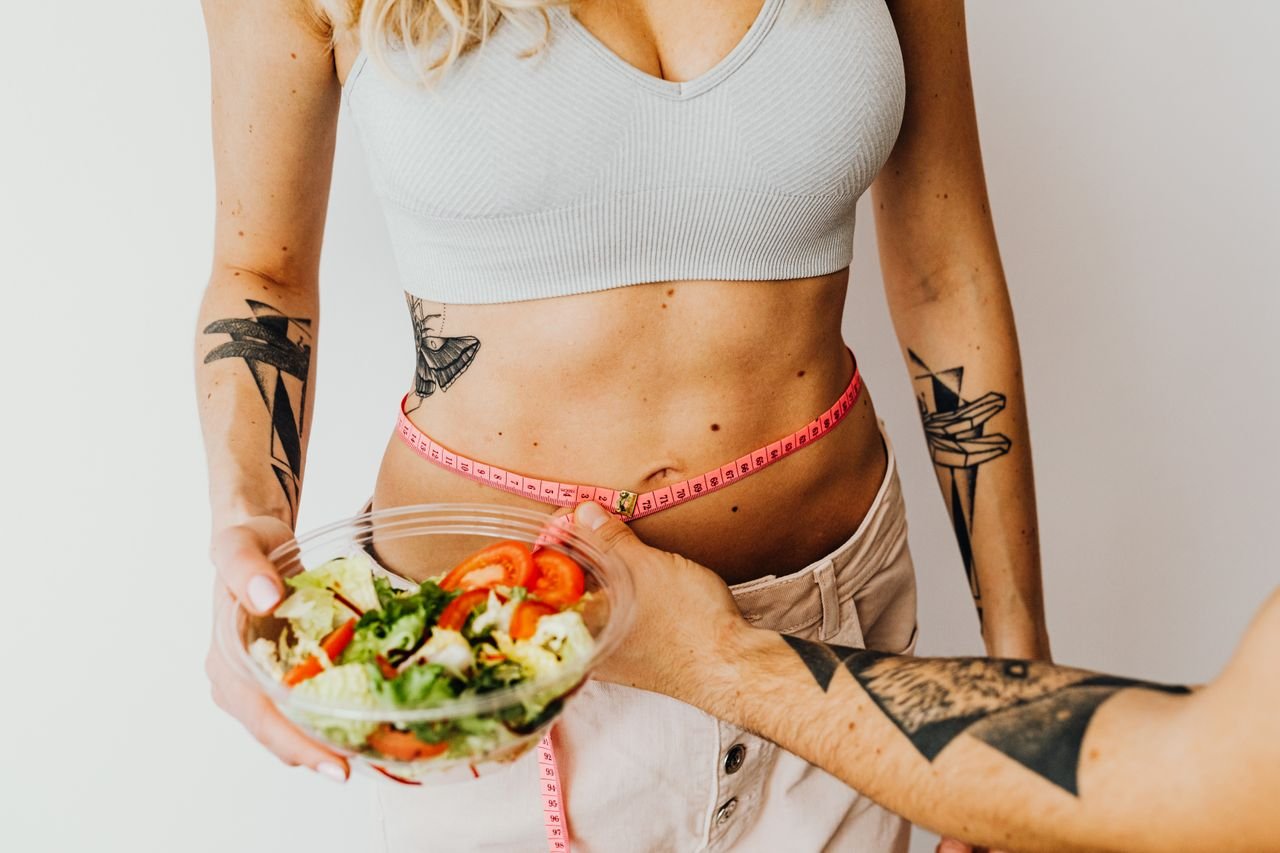
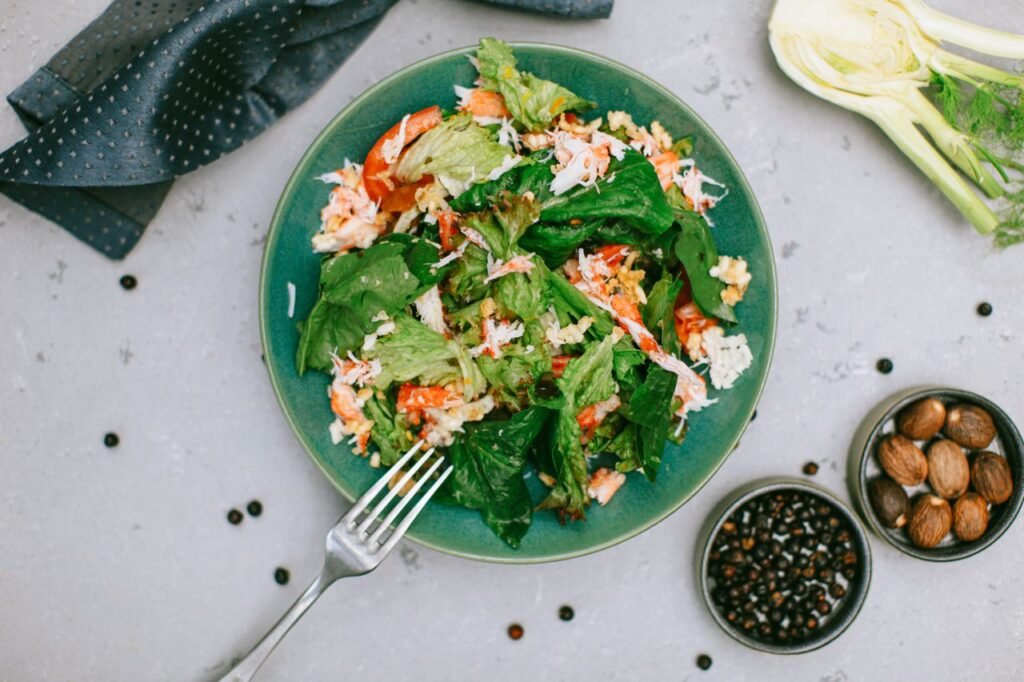
If you’re trying to manage your weight, choosing foods that provide plenty of nutrients without excessive calories can make your diet easier to maintain. Low calorie foods can help you build satisfying meals while keeping your overall calorie intake under control.
Many low calorie foods are naturally rich in water, fiber, vitamins, and minerals. Fruits and vegetables are some of the best examples, but there are also protein-rich foods and other nutrient-dense choices that can fit into a healthy weight-management plan.
However, low calorie does not automatically mean healthy. Your body still needs enough protein, healthy fats, carbohydrates, vitamins, minerals, and other nutrients. The goal is not simply to eat as few calories as possible. Instead, focus on choosing nutritious foods that help you feel satisfied and support a balanced lifestyle.
If you’re also looking for convenient options between meals, read our guide to Healthy Snacks for Weight Loss for more practical ideas.
In this article, you’ll discover 20 low calorie foods that can help you create balanced meals and snacks while supporting your weight-management goals.
What Are Low Calorie Foods?
Low calorie foods are foods that provide relatively few calories compared with the amount of food they provide.
Many vegetables and fruits fall into this category because they contain a high percentage of water. Some also provide fiber, which can make meals more satisfying.
Examples include:
- Cucumbers
- Lettuce
- Tomatoes
- Spinach
- Broccoli
- Cauliflower
- Zucchini
- Mushrooms
- Strawberries
- Watermelon
- Oranges
- Cabbage
- Bell peppers
Some protein-rich foods, such as white fish, chicken breast, eggs, and Greek yogurt, can also fit into a calorie-conscious diet.
The important thing to remember is that a food does not have to be extremely low in calories to be healthy. Foods such as eggs, nuts, avocado, and whole grains can contain more calories but still provide important nutrients.
A healthy eating pattern combines different food groups rather than eliminating foods simply because they contain calories.
20 Low Calorie Foods to Add to Your Diet
1. Cucumber
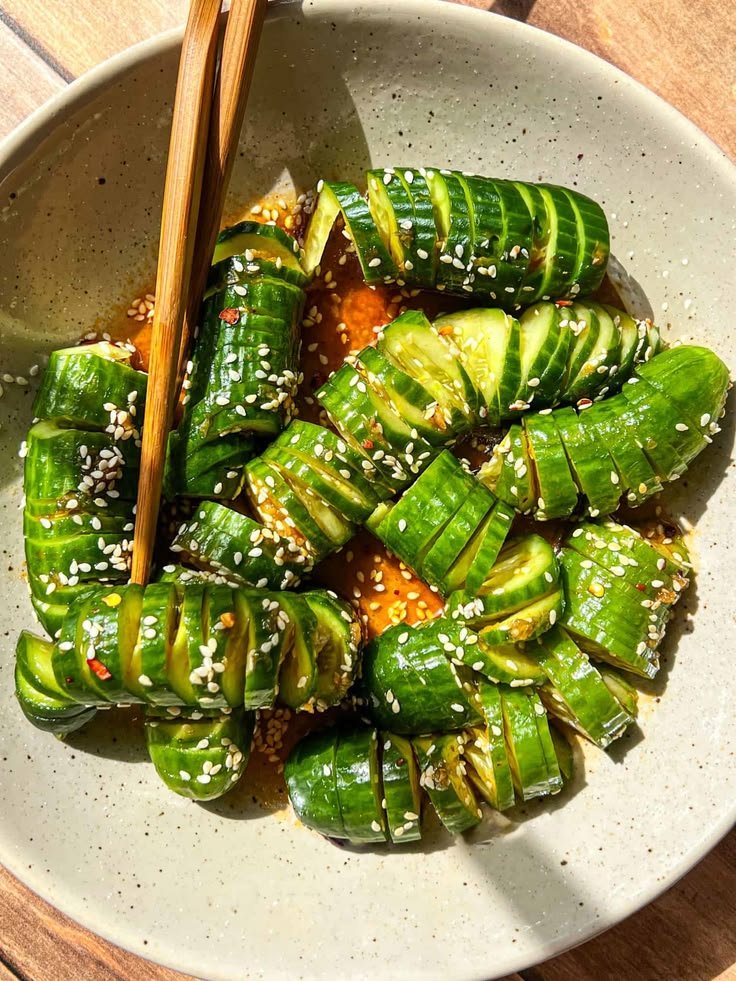
Cucumber is one of the easiest low calorie foods to add to your meals.
Cucumbers contain a high amount of water and provide a refreshing, crunchy texture. They can be eaten raw, added to salads, or combined with other nutritious ingredients.
Try slicing cucumber and serving it with:
- Greek yogurt
- Hummus
- Cottage cheese
- Tomatoes
- Boiled eggs
Cucumber can also be added to sandwiches and wraps to increase the amount of vegetables in your meal.
Easy idea
Make a simple cucumber salad with cucumber, tomatoes, lemon juice, herbs, and a small amount of olive oil.
This can work as a refreshing side dish alongside chicken, fish, beans, or whole grains.
2. Lettuce
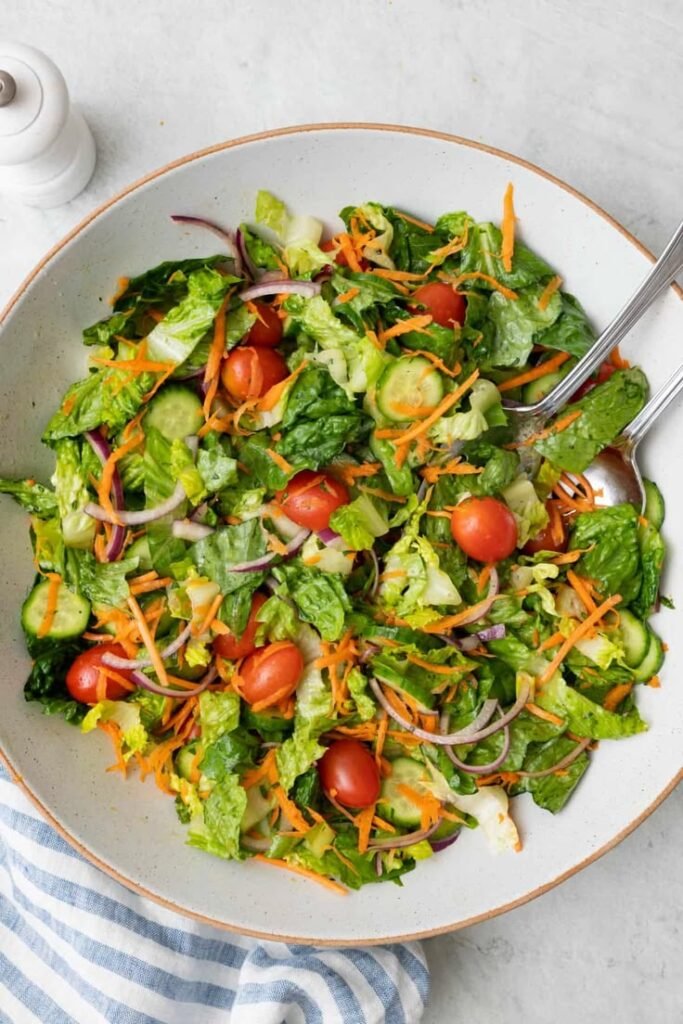
Lettuce is another vegetable that can add volume to meals without contributing a large number of calories.
You can use lettuce as the base of a salad or as a wrap for other ingredients.
However, lettuce alone is not a complete meal because it does not provide enough protein, healthy fats, or other nutrients.
Easy idea
Create a balanced lettuce wrap using:
- Grilled chicken
- Lettuce
- Tomatoes
- Cucumber
- Avocado
- Greek-yogurt dressing
This gives you vegetables along with protein and healthy fats.
3. Tomatoes
Tomatoes are flavorful, versatile, and relatively low in calories.
They provide vitamin C, potassium, and other nutrients. Tomatoes can be eaten raw, roasted, grilled, or added to soups and sauces.
Try adding sliced tomatoes to:
- Eggs
- Salads
- Sandwiches
- Whole-grain toast
- Rice dishes
- Vegetable soups
Easy idea
Top whole-grain toast with sliced tomatoes, avocado, and a boiled egg.
This creates a more balanced meal than eating tomatoes alone.
4. Spinach
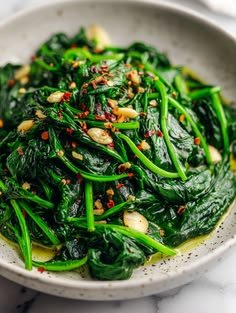
Spinach is a nutrient-dense leafy green that provides vitamins, minerals, fiber, and other beneficial plant compounds while adding relatively few calories.
It can be used in many different meals.
Add spinach to:
- Omelets
- Salads
- Smoothies
- Soups
- Pasta
- Rice dishes
- Stir-fries
Easy idea
Add a handful of fresh spinach to scrambled eggs along with tomatoes and onions.
You can also add spinach to a smoothie with berries, Greek yogurt, and unsweetened milk.
Because vegetables such as spinach add volume and nutrients, they can make it easier to build satisfying meals.
5. Broccoli
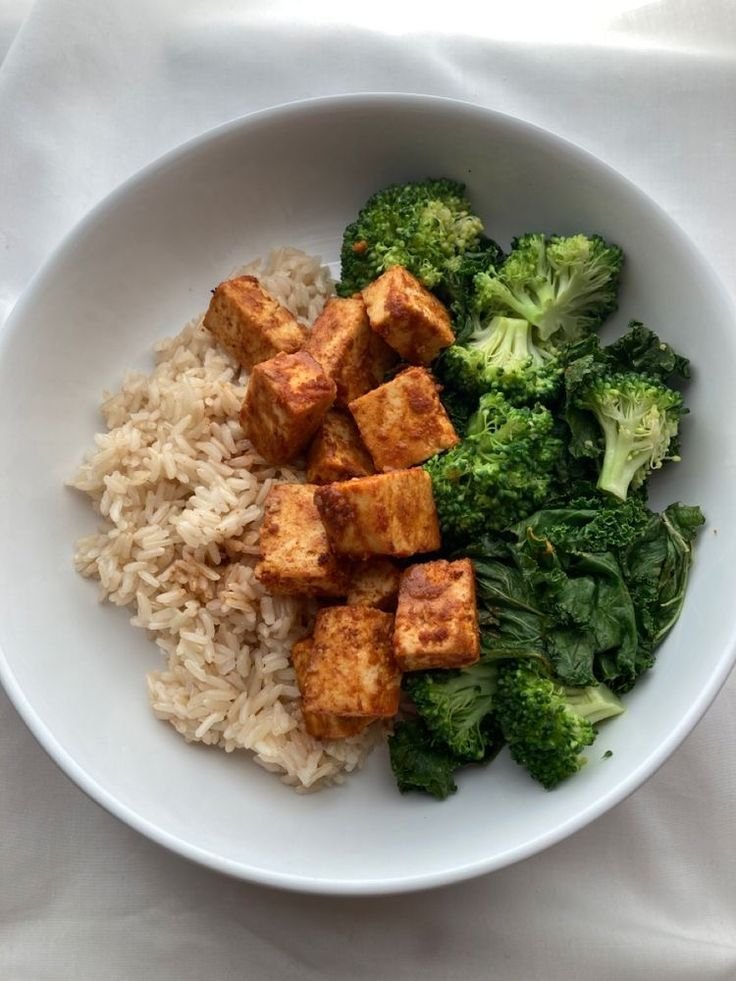
Broccoli is one of the most useful low calorie foods for a balanced diet.
It provides fiber, vitamin C, vitamin K, and other nutrients. It can also add texture and volume to meals.
You can prepare broccoli by:
- Steaming
- Roasting
- Stir-frying
- Grilling
- Adding it to soups
Easy idea
Roast broccoli with garlic, black pepper, herbs, and a small amount of olive oil.
Serve it with grilled chicken and brown rice for a balanced meal.
Broccoli is especially useful when you want to increase the amount of food on your plate without relying heavily on calorie-dense ingredients.
6. Cauliflower
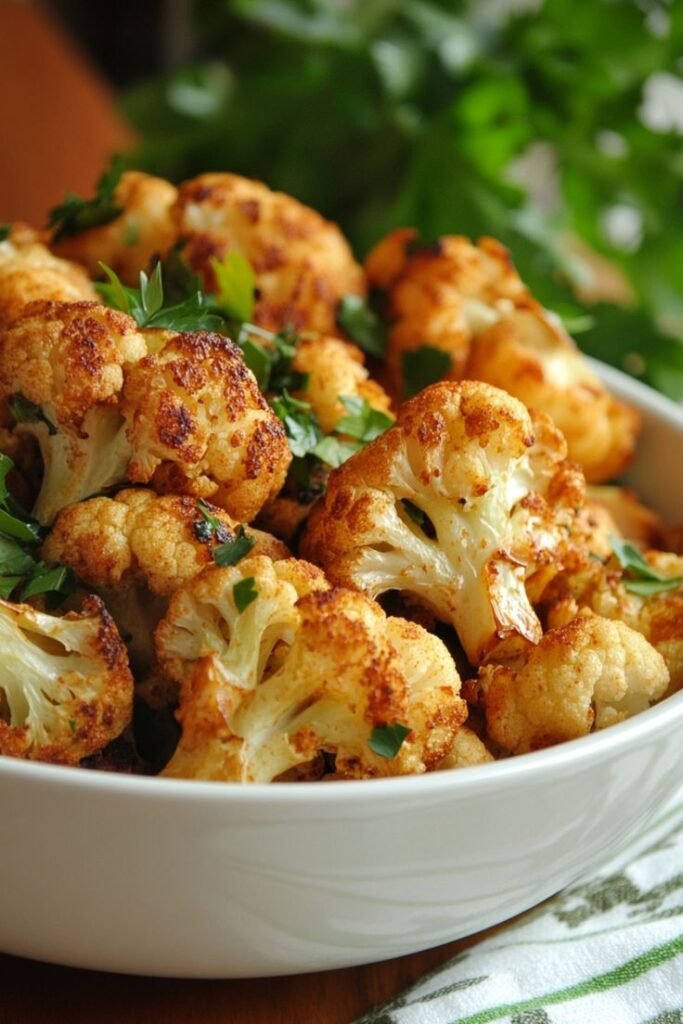
Cauliflower is a versatile vegetable that can be used in many different dishes.
It can be roasted, steamed, boiled, mashed, or added to soups.
Because cauliflower has a mild flavor, it can absorb the flavors of herbs and spices.
Easy idea
Roast cauliflower with garlic, paprika, black pepper, and a small amount of olive oil.
You can also add cauliflower to vegetable soups or combine it with broccoli and carrots for a nutrient-rich side dish.
7. Zucchini
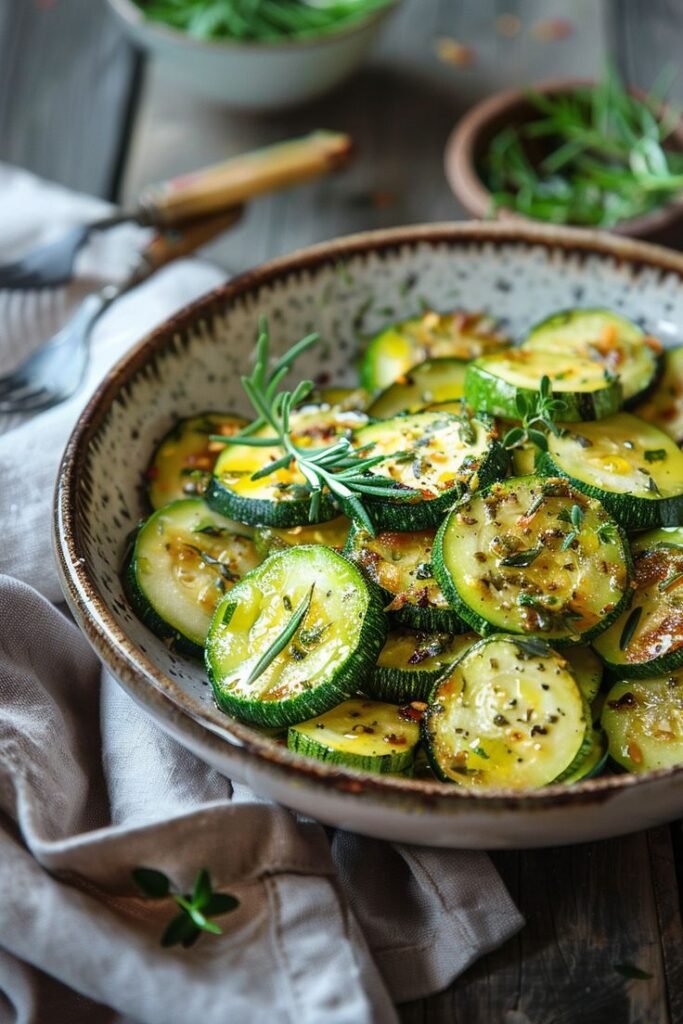
Zucchini contains a large amount of water and can be used in many different meals.
It has a mild flavor and can be grilled, baked, roasted, steamed, or added to soups.
You can also cut zucchini into thin strips and use it as a vegetable noodle alternative.
Easy idea
Cook sliced zucchini with tomatoes, onions, garlic, and herbs.
Serve it alongside chicken, fish, eggs, or beans.
Zucchini can help increase vegetable intake without making meals feel overly heavy.
8. Mushrooms
Mushrooms are relatively low in calories and provide a savory flavor that can make meals more satisfying.
They can be added to:
- Omelets
- Soups
- Stir-fries
- Pasta
- Rice dishes
- Sandwiches
Easy idea
Cook mushrooms with onions, garlic, and herbs and serve them with scrambled eggs.
You can also add mushrooms to a vegetable stir-fry with broccoli, bell peppers, and zucchini.
Mushrooms are particularly useful for adding a rich, savory texture to meals while keeping the overall dish relatively light.
9. Strawberries
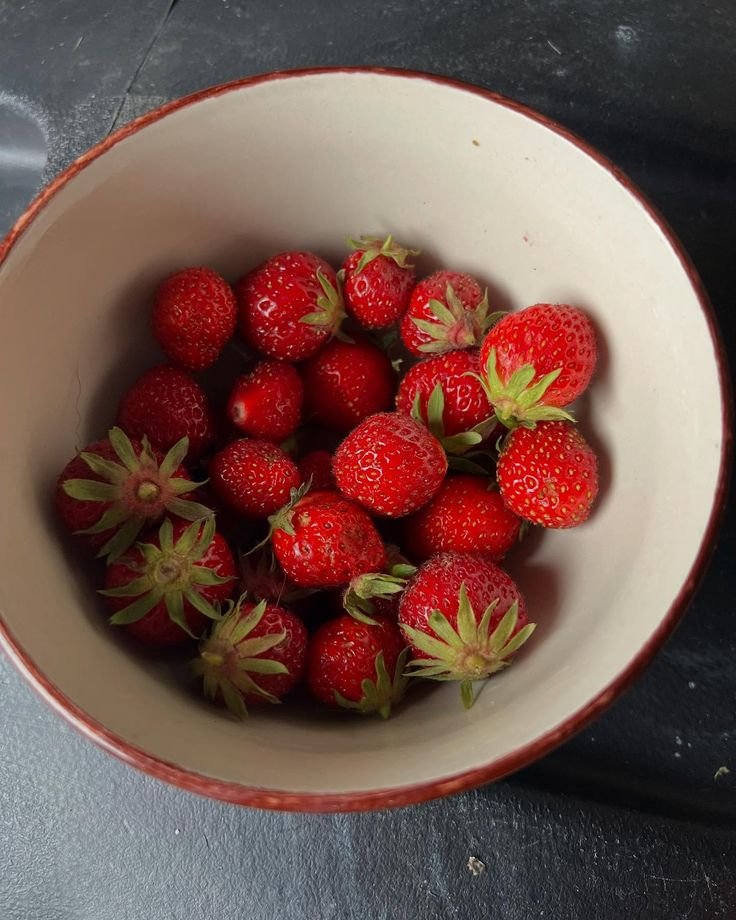
Strawberries are naturally sweet and can satisfy a desire for something sweet without relying on desserts containing large amounts of added sugar.
They provide vitamin C, fiber, water, and other nutrients.
You can eat strawberries alone or add them to:
- Greek yogurt
- Oatmeal
- Smoothies
- Fruit salads
- Chia pudding
Easy idea
Combine strawberries with plain Greek yogurt and a small amount of chia seeds.
This gives you a combination of fruit, protein, and fiber.
For more ideas involving nutritious foods between meals, you can also read Fiber-Rich Foods for Weight Loss.
10. Watermelon
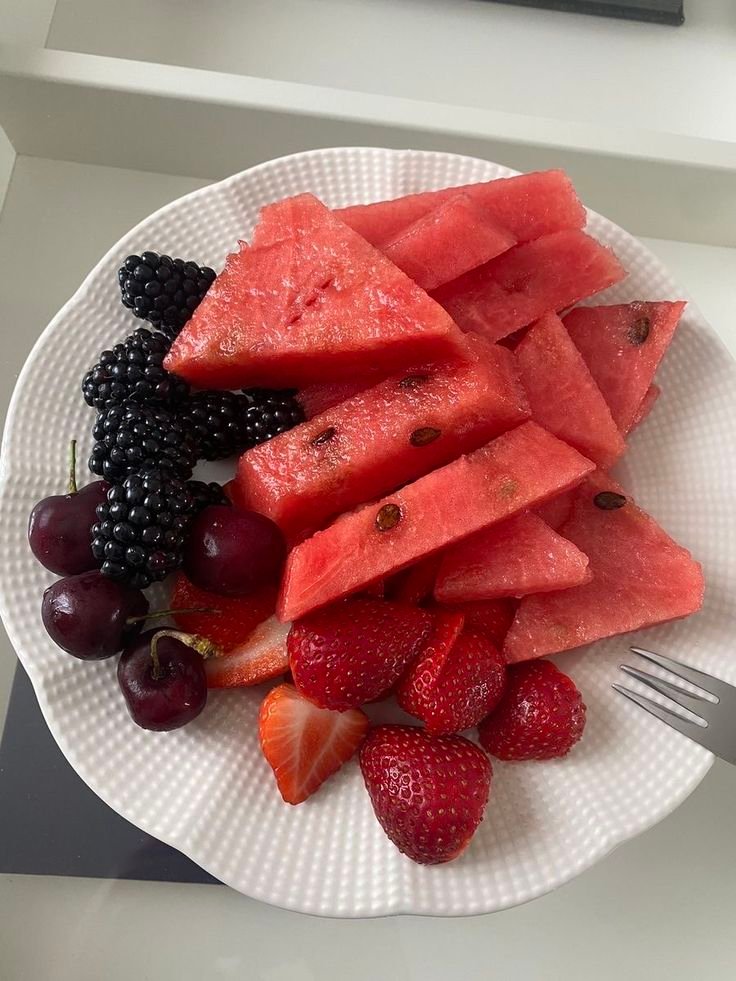
Watermelon has a high water content, making it a refreshing fruit choice.
It can be particularly enjoyable during hot weather and can be eaten as a snack or added to fruit salads.
Although watermelon is relatively low in calories, portion size still matters because eating very large quantities of any food increases your overall calorie intake.
Easy idea
Combine watermelon with cucumber, mint, and a small amount of feta cheese for a refreshing salad.
Whole fruits are generally more filling than fruit-flavored drinks because they provide more structure and fiber.
11. Oranges
Oranges provide vitamin C, fiber, water, and other nutrients.
Eating a whole orange can be more satisfying than drinking orange juice because the whole fruit requires chewing and contains its natural fiber.
Easy idea
Keep oranges available at home for an easy snack.
You can also add orange segments to salads with spinach, cucumber, and a small amount of nuts.
When possible, choose whole fruit more often than fruit juice if you’re trying to build a filling eating pattern.
12. Grapefruit
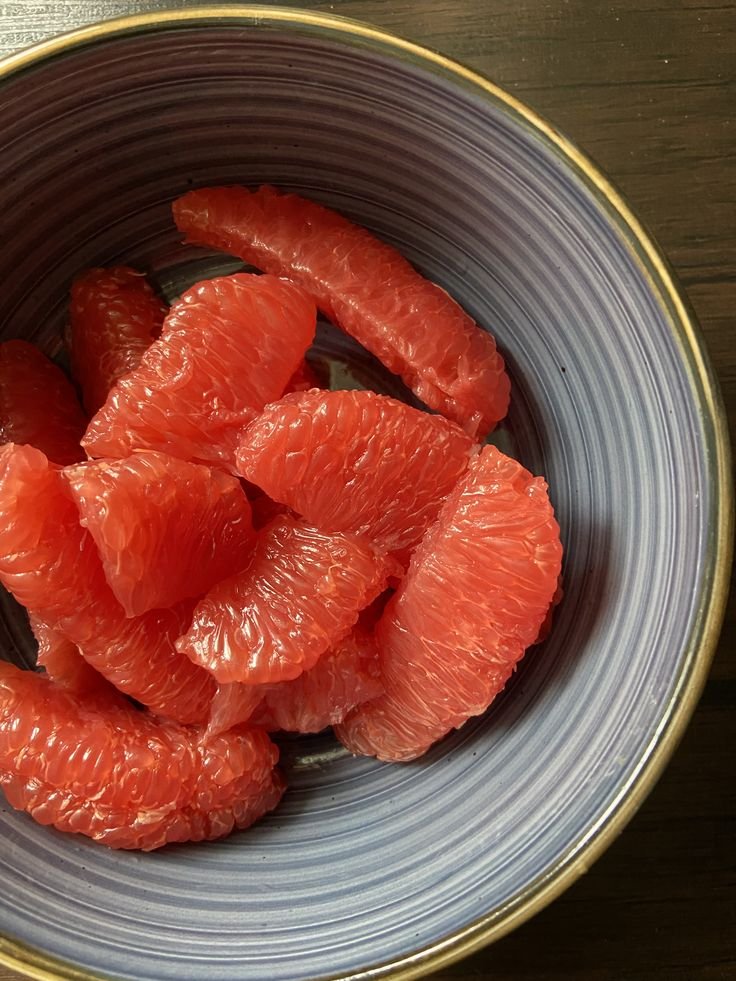
Grapefruit can fit into a balanced, calorie-conscious eating pattern.
It provides vitamin C, water, and other nutrients and can be eaten on its own or added to fruit salads.
However, there is an important consideration with grapefruit.
Grapefruit can interact with certain medications. If you take prescription medication, ask your doctor or pharmacist whether grapefruit is appropriate for you.
Easy idea
Add grapefruit to a fruit bowl with strawberries, oranges, and other fruits.
There is no need to rely on grapefruit as a special weight-loss food. It is simply one nutritious fruit that can be included in a varied diet when appropriate.
13. Eggs
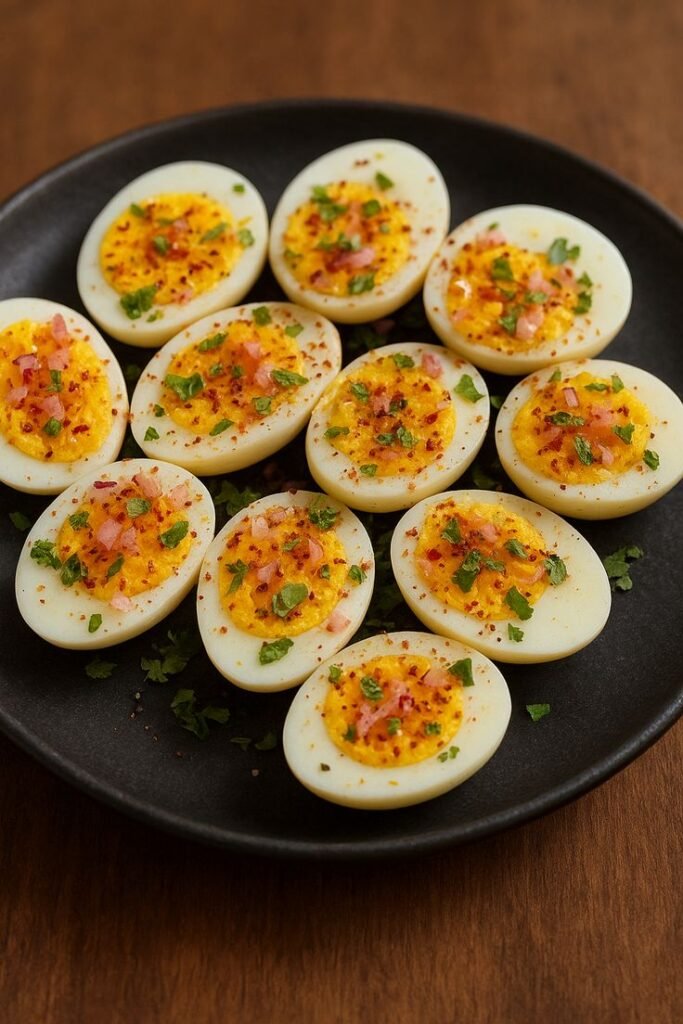
Eggs contain more calories than many vegetables, but they can still be useful in a weight-management diet because they provide high-quality protein and several vitamins and minerals.
Protein can help make meals more satisfying.
Try:
- Boiled eggs
- Poached eggs
- Scrambled eggs
- Vegetable omelets
Easy idea
Make an omelet with eggs, spinach, tomatoes, mushrooms, and bell peppers.
This combines protein with several vegetables and creates a filling meal.
Eggs demonstrate an important principle: the best foods for weight management are not necessarily the foods with the fewest calories. Nutritional quality and fullness matter too.
14. Greek Yogurt
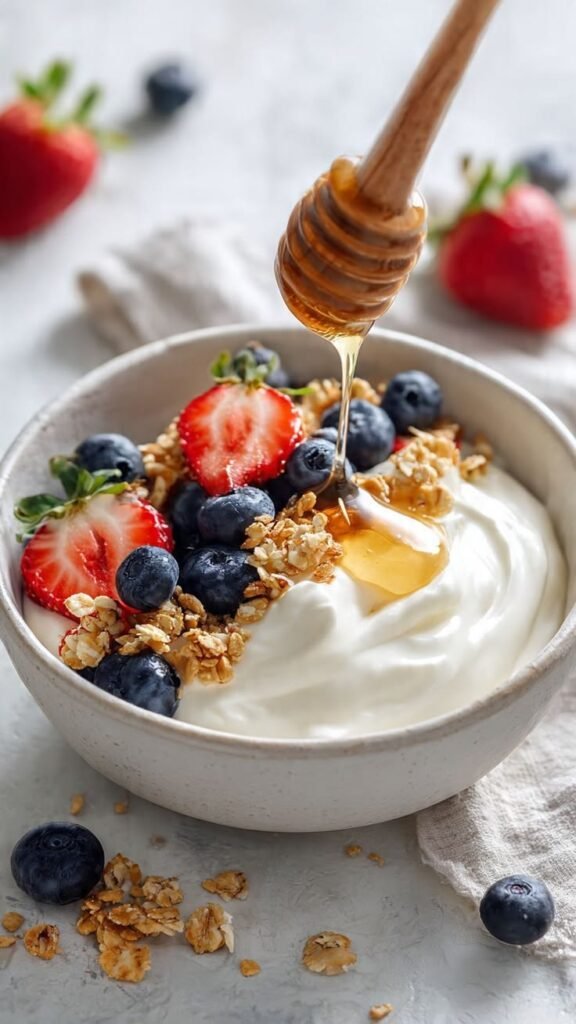
Plain Greek yogurt can provide a substantial amount of protein in a moderate-calorie serving.
Protein can help you feel satisfied between meals, making Greek yogurt a useful breakfast or snack.
Choose plain Greek yogurt when possible and add your own fruit for natural sweetness.
Easy combinations
Try Greek yogurt with:
- Strawberries
- Raspberries
- Blueberries
- Chia seeds
- Cinnamon
- Sliced banana
- A small amount of almonds
Avoid varieties with very large amounts of added sugar if you are trying to manage your overall calorie intake.
15. White Fish
Many types of white fish provide lean protein without a large amount of fat.
Examples include cod, haddock, and pollock.
Fish can be prepared by baking, grilling, steaming, or roasting.
Easy idea
Bake white fish with lemon, garlic, and herbs.
Serve it with steamed broccoli, salad, and a moderate portion of brown rice or another whole grain.
This creates a balanced meal containing protein, vegetables, and carbohydrates.
16. Chicken Breast
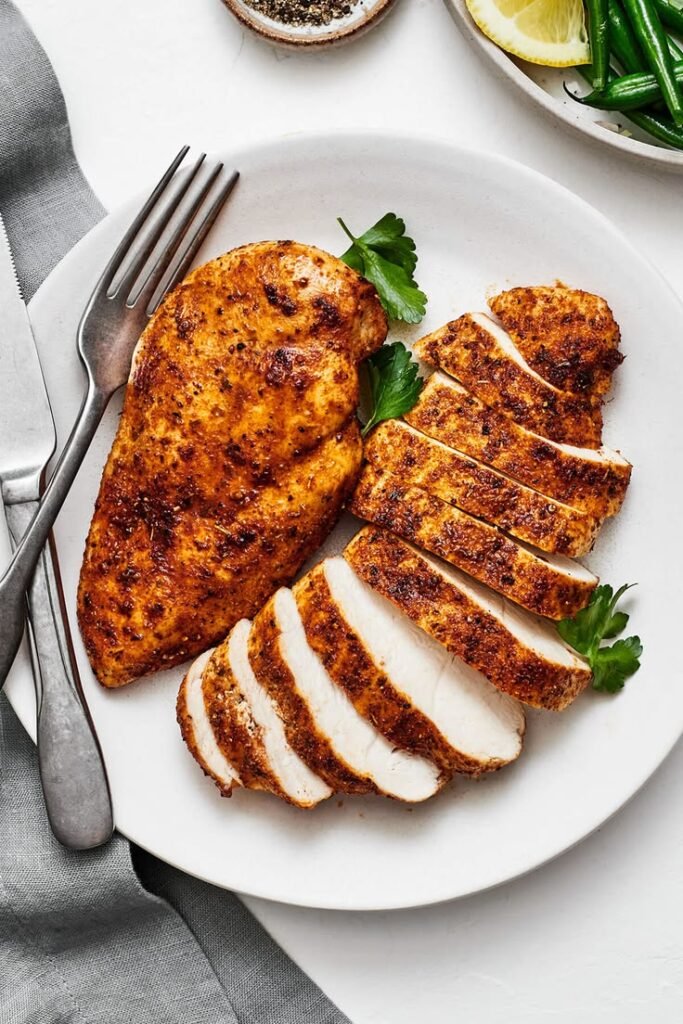
Skinless chicken breast is a lean source of protein that can fit well into a calorie-conscious diet.
However, preparation matters.
Deep-frying chicken or adding large amounts of creamy sauces can significantly increase the calorie content.
Better preparation methods
Try:
- Grilling
- Baking
- Roasting
- Air-frying
- Poaching
Easy idea
Combine grilled chicken breast with lettuce, cucumber, tomatoes, carrots, and a light dressing.
You can also serve chicken with roasted vegetables and a whole grain.
17. Vegetable Soup
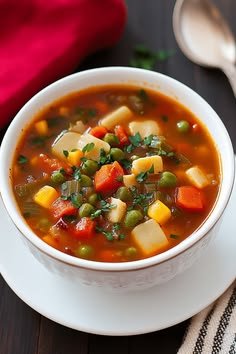
Vegetable soup can be a satisfying way to eat several types of vegetables in one meal.
You can use:
- Carrots
- Tomatoes
- Celery
- Spinach
- Zucchini
- Cabbage
- Broccoli
- Cauliflower
- Green beans
Adding beans, lentils, chicken, or another protein source can make the soup more filling.
Easy idea
Prepare a homemade vegetable soup with tomatoes, carrots, cabbage, zucchini, spinach, and lentils.
Be mindful of cream-based soups and large amounts of butter, oil, cheese, or other calorie-dense ingredients.
18. Cabbage
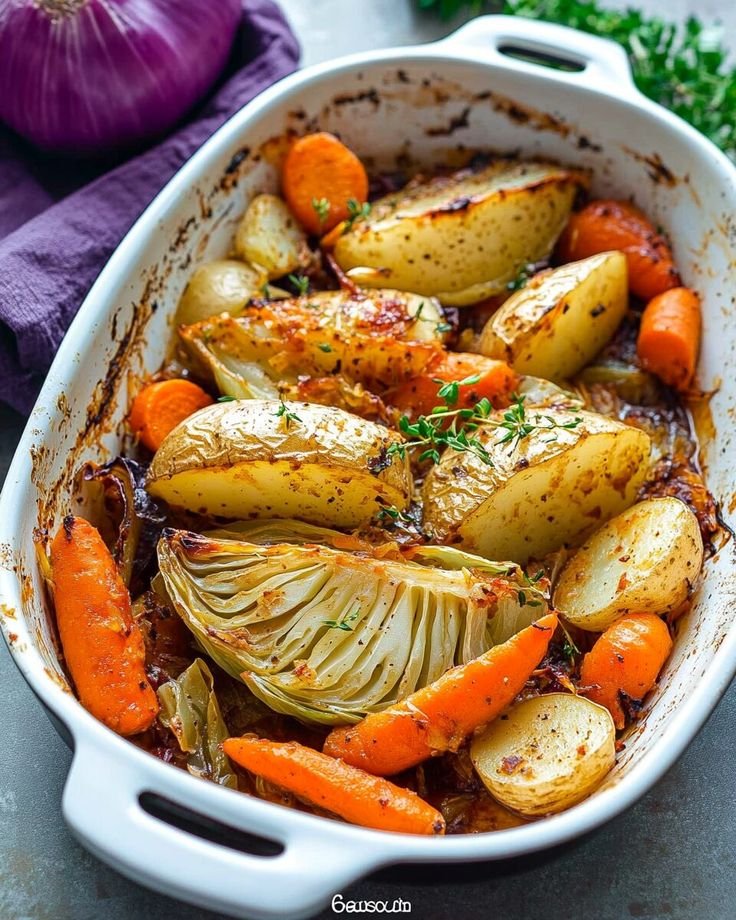
Cabbage is an affordable vegetable that provides fiber and nutrients while being relatively low in calories.
It can be eaten raw or cooked.
Use cabbage in:
- Salads
- Soups
- Stir-fries
- Wraps
- Vegetable dishes
Easy idea
Make a crunchy cabbage salad with carrots, cucumber, tomatoes, lemon juice, and herbs.
Cabbage can also be cooked with onions and other vegetables as a simple side dish.
19. Bell Peppers
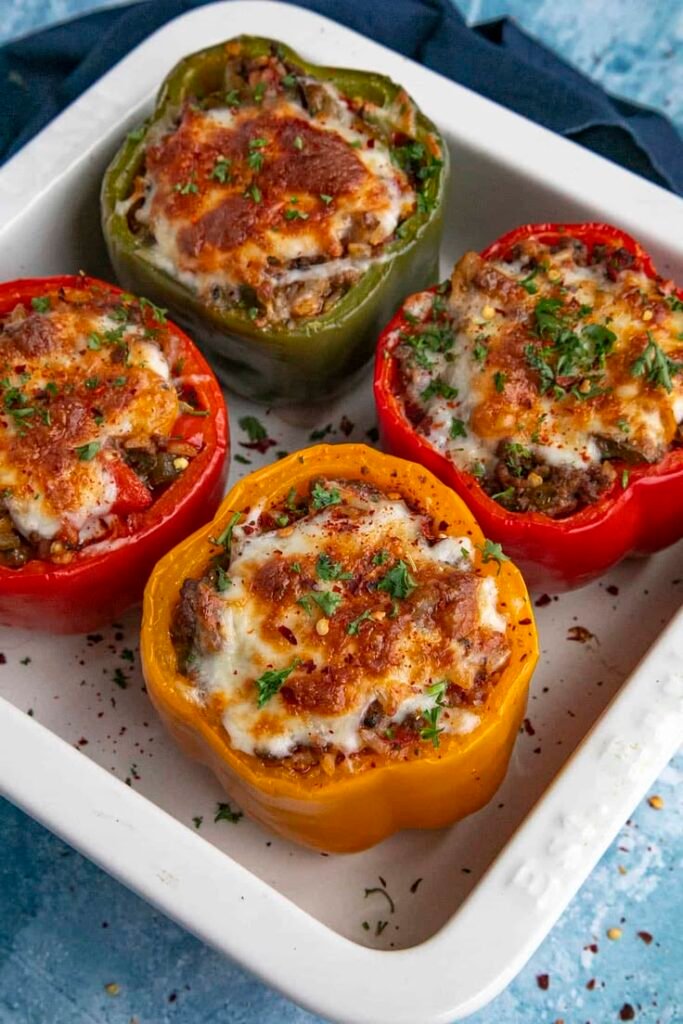
Bell peppers are colorful, crunchy, and naturally low in calories.
They provide vitamin C and can be eaten raw or cooked.
You can add them to:
- Omelets
- Salads
- Stir-fries
- Sandwiches
- Wraps
- Rice dishes
Easy idea
Slice bell peppers into strips and serve them with hummus.
For a more complete snack, combine them with a protein-rich food such as Greek yogurt or boiled eggs.
20. Air-Popped Popcorn
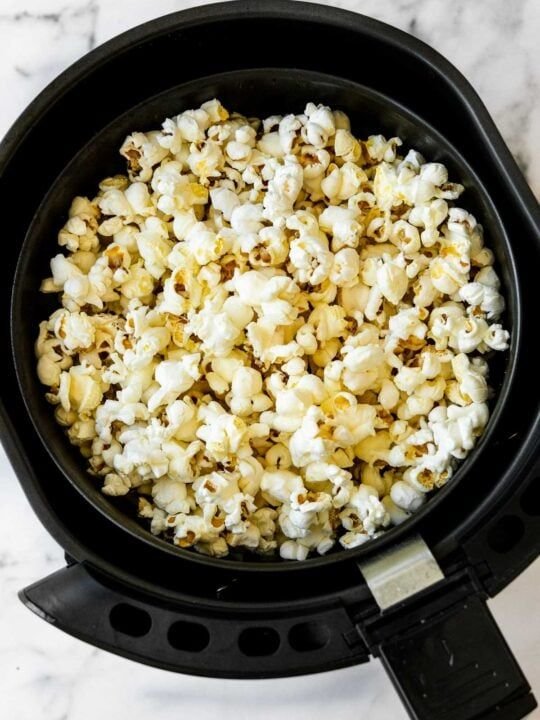
Air-popped popcorn can be a useful snack when prepared without large amounts of butter, oil, sugar, or other calorie-dense toppings.
Popcorn contains some fiber and has considerable volume, which can make it satisfying.
Easy idea
Season air-popped popcorn with:
- Paprika
- Garlic powder
- Black pepper
- Cinnamon
- Herbs
- A small amount of salt
Avoid turning a relatively light snack into a high-calorie food by adding large amounts of butter or sugary coatings.
How Low Calorie Foods Can Help With Weight Management
Adding low calorie foods to your meals can make it easier to manage your overall energy intake.
Many vegetables and fruits contain water and fiber. This means they can provide a relatively large amount of food for their calorie content.
For example, adding broccoli, cucumber, tomatoes, spinach, or cabbage to a meal can increase the amount of food on your plate without adding as many calories as a large amount of oil, cheese, or fried foods.
However, calorie intake is only one part of nutrition.
Your body needs enough energy and nutrients to function properly. A healthy diet should include protein, carbohydrates, fats, vitamins, minerals, and fiber.
For evidence-based information about healthy weight management, you can use resources from the National Institute of Diabetes and Digestive and Kidney Diseases (NIDDK).
How to Build a Balanced Meal With Low Calorie Foods
Instead of eating only vegetables, combine different food groups.
A simple meal structure can include:
Half the plate: Vegetables and other produce
One-quarter: Protein such as chicken, fish, eggs, beans, lentils, or Greek yogurt
One-quarter: Whole grains or another carbohydrate source
Then include a moderate amount of healthy fat such as avocado, nuts, seeds, or olive oil.
This approach allows you to enjoy low calorie foods while still getting the nutrients your body needs.
For example, you could make a dinner with:
- Roasted broccoli
- Grilled chicken
- Brown rice
- Tomato and cucumber salad
- A small amount of avocado
This is more balanced than eating a very small meal simply because it contains fewer calories.
Low Calorie Foods vs. Low Nutrient Foods
It is important to understand that “low calorie” does not automatically mean “healthy.”
Some highly processed foods may contain relatively few calories per serving but provide limited nutritional value.
When choosing foods, consider:
- Protein
- Fiber
- Vitamins
- Minerals
- Added sugar
- Sodium
- Healthy fats
- Portion size
- How filling the food is
- How it fits into your overall diet
The goal is not simply to choose the smallest calorie number on a nutrition label.
Instead, choose foods that provide useful nutrition and help you maintain a balanced eating pattern.
Tips for Eating More Low Calorie Foods
You can make small changes to include more low calorie foods in your daily routine.
Add vegetables to your meals
Add spinach to eggs, broccoli to lunch, or mixed vegetables to dinner.
Choose whole fruit
Choose whole apples, oranges, berries, pears, and other fruits instead of relying heavily on sugary desserts or drinks.
Start meals with vegetables
A vegetable salad or broth-based vegetable soup can help you increase your intake of nutrient-dense foods.
Use simple cooking methods
Try steaming, grilling, baking, roasting, or air-frying instead of deep-frying.
Watch sauces and toppings
A vegetable can become a high-calorie dish when covered with large amounts of creamy dressing, cheese, butter, or oil.
Include protein
Pair vegetables and fruits with protein-rich foods such as eggs, chicken, fish, Greek yogurt, beans, or lentils.
Keep healthy foods accessible
If nutritious foods are already washed, cut, and ready to eat, you may be more likely to choose them.
Low Calorie Foods for Breakfast
Breakfast does not need to be complicated.
Some balanced options include:
Vegetable Omelet
Combine eggs with spinach, tomatoes, mushrooms, and bell peppers.
Greek Yogurt and Strawberries
Use plain Greek yogurt with strawberries and chia seeds.
Oatmeal With Fruit
Prepare oats with milk or water and add berries, cinnamon, and a small serving of nuts.
Whole-Grain Toast and Eggs
Combine whole-grain toast with boiled or scrambled eggs and tomatoes.
These meals contain a combination of protein, fiber, carbohydrates, and other nutrients.
Low Calorie Foods for Lunch
Lunch can include plenty of vegetables while still providing protein and carbohydrates.
Try a large salad with:
- Lettuce
- Cucumber
- Tomatoes
- Bell peppers
- Grilled chicken
- Beans
- A light dressing
Another option is vegetable soup with lentils or chicken.
You could also make a whole-grain wrap containing chicken, lettuce, tomatoes, cucumber, and Greek-yogurt dressing.
Low Calorie Foods for Dinner
A balanced dinner can include vegetables, protein, and a moderate carbohydrate portion.
Examples include:
- Grilled chicken with broccoli and brown rice
- Baked fish with cabbage and sweet potato
- Lentil soup with vegetables
- Chicken and vegetable stir-fry
- Egg and vegetable omelet with whole-grain toast
- Black bean bowl with vegetables and brown rice
The goal is not to make dinner as small as possible. Instead, create a meal that provides enough nutrition and helps you feel satisfied.
Low Calorie Foods for Snacks
If you feel hungry between meals, nutritious snacks can help.
Options include:
- Cucumber with hummus
- Strawberries with Greek yogurt
- Orange
- Apple
- Air-popped popcorn
- Bell peppers with hummus
- Boiled egg
- Greek yogurt with berries
For additional snack ideas, see our article on Healthy Snacks for Weight Loss.
You can also learn more about foods that provide fiber in our guide to Fiber-Rich Foods for Weight Loss.
Are Low Calorie Foods Enough for Weight Loss?
No single food causes weight loss.
Eating more low calorie foods can make it easier to create balanced meals and manage your overall calorie intake, but successful weight management involves your entire lifestyle.
Other important factors include:
- Regular physical activity
- Adequate sleep
- Stress management
- Portion control
- Consistent eating habits
- Protein intake
- Overall food quality
- Daily movement
Extreme calorie restriction is generally not necessary for building sustainable habits.
If you are struggling to stay consistent, our guide on How to Stay Motivated to Lose Weight can provide additional strategies.
Can You Eat Too Many Low Calorie Foods?
Yes.
Even foods that are relatively low in calories can contribute to a large calorie intake if eaten in very large amounts.
For example, eating several large bowls of fruit or adding large amounts of calorie-dense toppings to vegetables can increase your overall intake.
Portion awareness is still important.
At the same time, you do not need to become obsessed with counting every calorie. Focus on balanced portions, hunger cues, food quality, and consistency.
Why Protein Matters When Choosing Low Calorie Foods
Protein is important because it supports muscle maintenance and can contribute to feelings of fullness.
Vegetables and fruits are excellent foods, but most are not high in protein.
Therefore, instead of building meals around vegetables alone, combine them with protein.
For example:
Broccoli + chicken
Spinach + eggs
Cucumber + Greek yogurt
Bell peppers + beans
Tomatoes + fish
This approach creates more balanced meals.
Why Fiber Matters
Fiber is another important component of a healthy diet.
Many fruits, vegetables, legumes, and whole grains provide fiber.
Fiber can support normal digestion and contribute to feelings of fullness.
If you want to learn more about adding fiber to your diet, read our complete guide to 15 Fiber-Rich Foods for Weight Loss.
Increasing fiber gradually and drinking enough fluids can help your digestive system adjust.
Don’t Focus Only on Calories
Calories matter for weight management, but nutrition is more complicated than a single number.
For example, two foods can have a similar number of calories but provide very different amounts of protein, fiber, vitamins, minerals, and other nutrients.
Instead of asking only:
“How many calories does this food contain?”
also ask:
- Does it provide protein?
- Does it contain fiber?
- Is it nutrient-dense?
- Will it help me feel satisfied?
- Does it fit into my overall diet?
- Can I eat it consistently?
This mindset can make healthy eating more sustainable.
When to Speak With a Healthcare Professional
Weight management can be affected by many factors.
Certain medical conditions, medications, hormonal changes, and other circumstances can influence body weight.
If you are consistently following healthy habits but experience unexplained weight changes or have concerns about your health, speak with a qualified healthcare professional.
For reliable information about healthy weight management, visit CDC Healthy Weight and Healthy Eating Resources and NIDDK Weight Management Resources.
Frequently Asked Questions About Low Calorie Foods
What are the best low calorie foods for weight loss?
Some useful choices include cucumber, spinach, broccoli, cauliflower, zucchini, mushrooms, strawberries, watermelon, oranges, cabbage, and bell peppers.
Protein-rich foods such as eggs, Greek yogurt, white fish, and chicken can also fit into a weight-management diet.
Are low calorie foods healthy?
Many are highly nutritious, especially fruits and vegetables, but low calorie does not automatically mean healthy.
Look at the overall nutritional value of a food rather than calories alone.
Can low calorie foods help you lose weight?
They can help make calorie management easier, particularly when they replace more calorie-dense foods while still providing satisfying portions.
However, no single food causes weight loss.
What are the best low calorie foods for snacks?
Good choices include fruit, cucumber, bell peppers, strawberries, Greek yogurt, boiled eggs, and air-popped popcorn.
Combining a fruit or vegetable with protein can make a snack more satisfying.
Can I eat low calorie foods at every meal?
Yes, and including vegetables and fruits at most meals can be a useful habit.
However, your meals should also contain adequate protein, healthy fats, carbohydrates, and other nutrients.
Are fruits low calorie?
Many fruits are relatively low in calories and provide fiber, water, vitamins, and minerals.
Examples include strawberries, watermelon, oranges, apples, and grapefruit.
Is chicken breast a low calorie food?
Skinless chicken breast is a relatively lean protein source, although its calorie content depends on the serving size and cooking method.
Deep-frying or adding high-calorie sauces can significantly increase calories.
Is Greek yogurt good for weight loss?
Plain Greek yogurt can be useful because it provides protein and can be relatively moderate in calories.
Choose a variety that fits your dietary needs and watch added sugar in flavored products.
Final Thoughts
Adding nutritious low calorie foods to your meals can be a simple way to support healthy weight management.
Vegetables such as cucumber, broccoli, spinach, cauliflower, zucchini, cabbage, mushrooms, and bell peppers can provide plenty of volume and nutrients without contributing large amounts of calories.
Fruits such as strawberries, watermelon, oranges, and grapefruit can provide natural sweetness along with vitamins, minerals, water, and fiber.
Lean protein sources such as eggs, Greek yogurt, white fish, and chicken can help create more satisfying meals.
The key is not to eat as little as possible. Instead, build meals that provide enough nutrition while helping you manage your overall calorie intake.
Focus on a combination of vegetables, fruits, protein-rich foods, whole grains, healthy fats, and other nutrient-dense foods.
Also remember that healthy weight management involves more than food. Regular physical activity, adequate sleep, stress management, hydration, and consistent habits all matter.
If you’re working on your overall fitness routine, you can also connect this article to your WeightWiseDaily content about Fitness Motivation and weight-loss progress.
You don’t need to completely change your diet overnight. Start with small improvements.
Add vegetables to one meal. Choose whole fruit instead of juice. Replace a high-calorie side dish with broccoli or cabbage. Choose Greek yogurt instead of a sugary dessert. Prepare air-popped popcorn instead of heavily buttered snacks.
Small changes can become lasting habits when you repeat them consistently.
The best diet is not the one that contains the fewest calories. It is the one that provides good nutrition, helps you feel satisfied, and is realistic enough for you to maintain over time.