
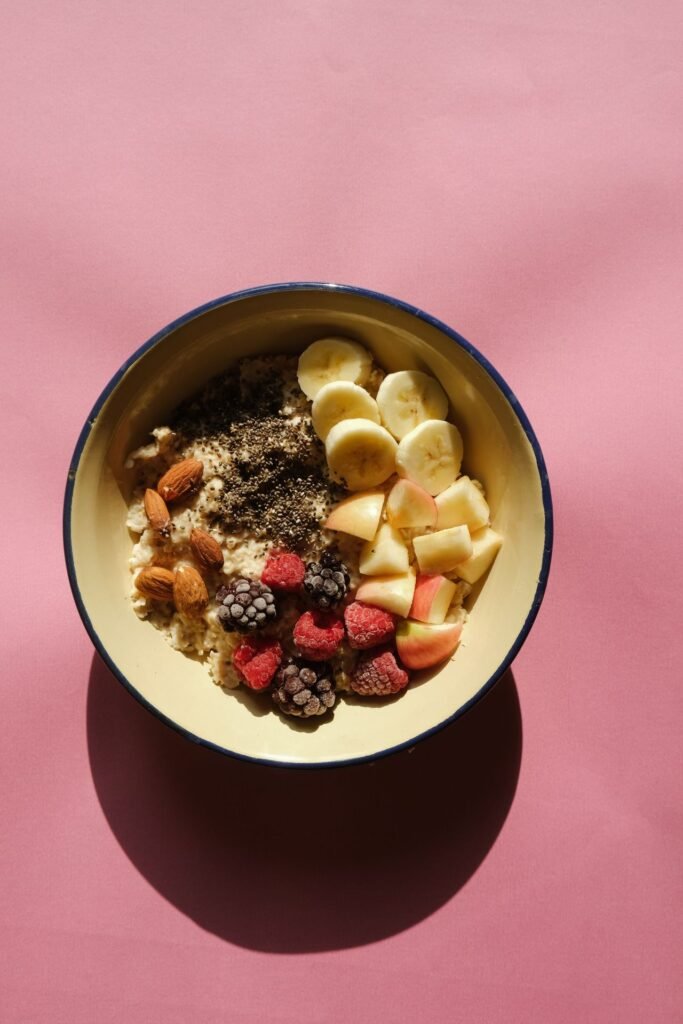
Key Takeaways
- Fiber-rich foods can help you feel full longer and support healthy weight management.
- Beans, lentils, berries, oats, and chia seeds are among the highest-fiber foods you can eat.
- Most adults need about 25–30 grams of fiber per day, but individual needs vary.
- Fiber alone doesn’t cause weight loss — it works best as part of a balanced eating pattern.
- Increase fiber gradually and drink enough water to avoid bloating or discomfort.
- Whole foods like beans, lentils, fruits, and vegetables are better choices than most “high-fiber” packaged snacks.
- Fiber-rich foods can replace refined foods, add volume to meals, and support digestion.
Trying to lose weight doesn’t mean you need to follow an extreme diet or survive on tiny portions. A better approach is to build meals around foods that provide nutrients, keep you satisfied, and fit your overall calorie needs.
One nutrient that deserves special attention is fiber. Fiber-rich foods can help make meals more satisfying, support normal digestion, and make it easier to build a balanced eating pattern.
Fiber is naturally found in fruits, vegetables, beans, lentils, whole grains, nuts, and seeds. Unlike many highly refined foods, these foods can provide fiber along with vitamins, minerals, water, and other nutrients.
However, fiber is not a magic weight-loss solution. Eating more fiber-rich foods can support healthy habits, but weight management also depends on your overall diet, physical activity, sleep, stress, portion sizes, and daily lifestyle.
If you’re also trying to build meals around nutritious foods without consuming too many calories, you may find our guide to 20 Low-Calorie Foods for Weight Loss helpful.
What Is Dietary Fiber?
Dietary fiber is a type of carbohydrate found mainly in plant foods that your body does not fully digest.
There are two major types of fiber: soluble and insoluble.
Soluble fiber dissolves in water and can form a gel-like substance during digestion. It is found in foods such as oats, beans, lentils, apples, and some seeds.
Insoluble fiber does not dissolve in water and helps add bulk to stool, supporting normal bowel movements. Vegetables, whole grains, nuts, and many fruits contain insoluble fiber.
Many plant foods contain both types.
Because fiber-rich foods can contribute to feelings of fullness and provide important nutrients, including a variety of them regularly can be a useful part of a healthy weight-management plan.
For a closer look at foods that provide both nutrients, protein, and fiber, read our guide to 15 Healthy Foods High in Fiber and Protein.
Top 5 Fiber-Rich Foods at a Glance
If you want to start adding more fiber to your diet today, these five foods are excellent options:
- Lentils — about 15.6g per cooked cup
- Chickpeas — about 12.5g per cooked cup
- Black beans — about 15g per cooked cup
- Raspberries — about 8g per cup
- Chia seeds — about 10g per 2 tablespoons
Actual nutrition values can vary depending on the food, brand, preparation method, and serving size.
1. Lentils
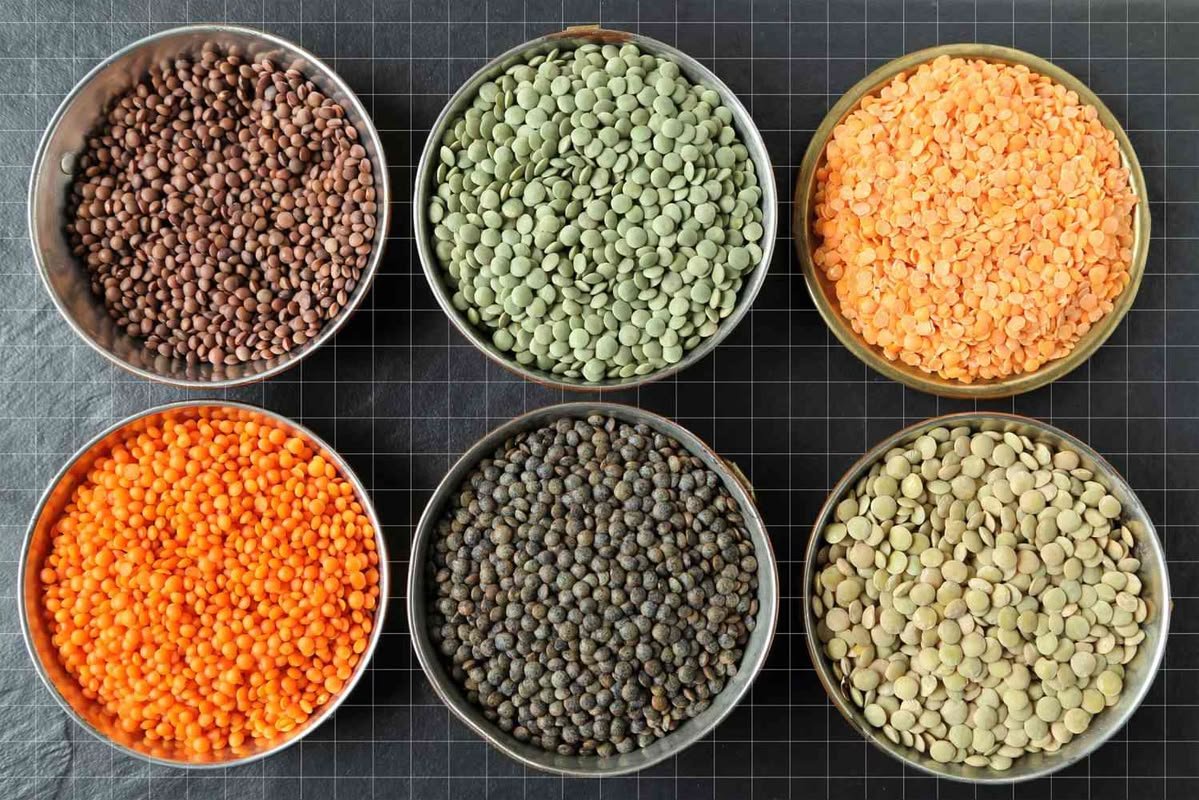
Fiber per 1 cup serving: 15.6 grams
Lentils are among the best fiber-rich foods you can add to your diet. They provide both dietary fiber and plant-based protein, making them especially useful for filling meals. Lentils are also affordable, easy to store, and simple to include in many recipes.
Easy idea: Prepare a lentil and vegetable soup with carrots, tomatoes, onions, and leafy greens. You can also add cooked lentils to a salad for extra fiber and plant-based protein.
2. Chickpeas
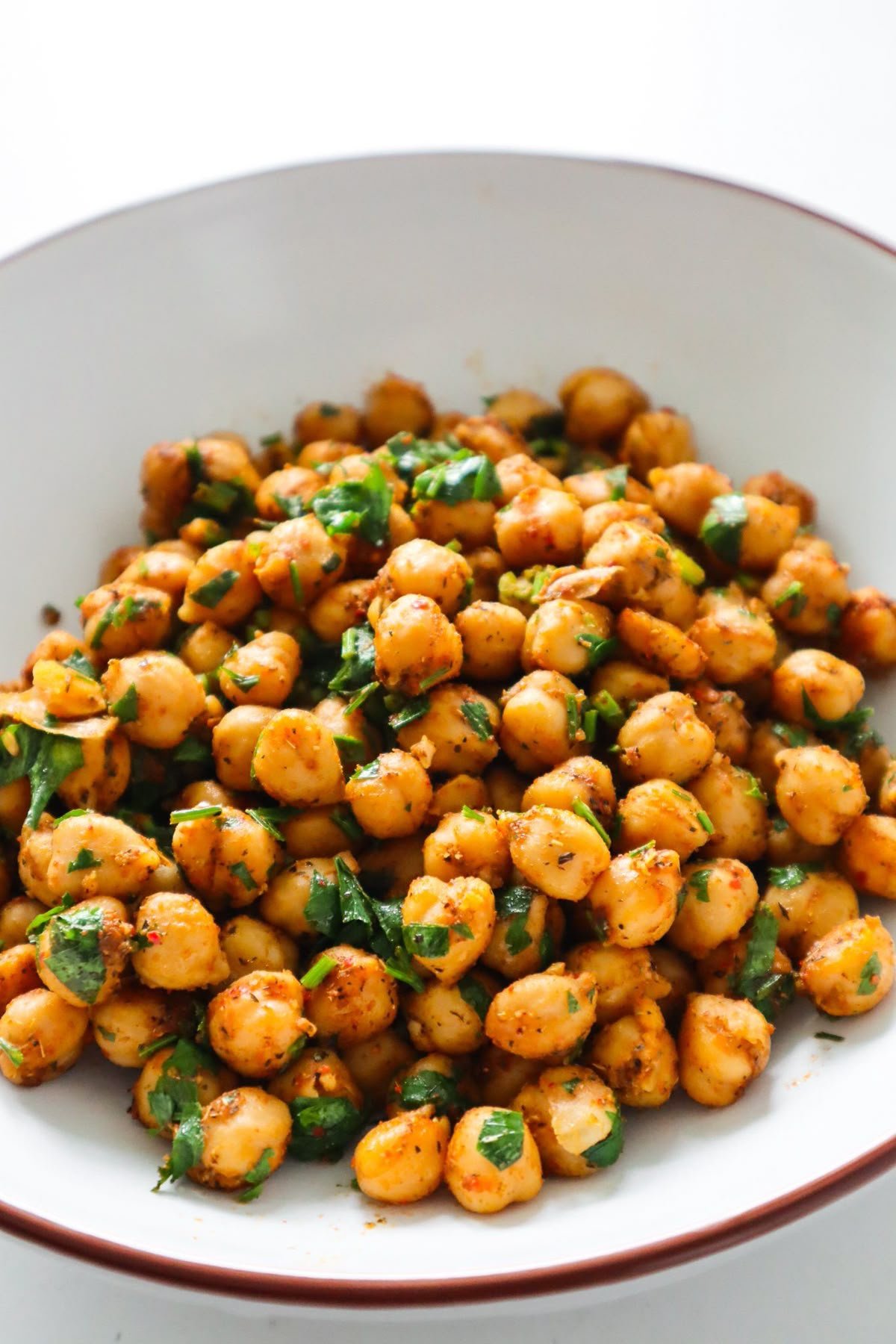
Fiber per 1 cup serving: 12.5 grams
Chickpeas are another excellent source of fiber and plant-based protein. They can be used in many different dishes, making them one of the most versatile fiber-rich foods. For more filling meal ideas, see our 20 low-calorie foods for weight loss.
Easy idea: Mix chickpeas with cucumber, tomatoes, leafy greens, and a simple lemon dressing. You can also roast chickpeas with paprika, cumin, garlic, and black pepper for a crunchy snack.
3. Raspberries
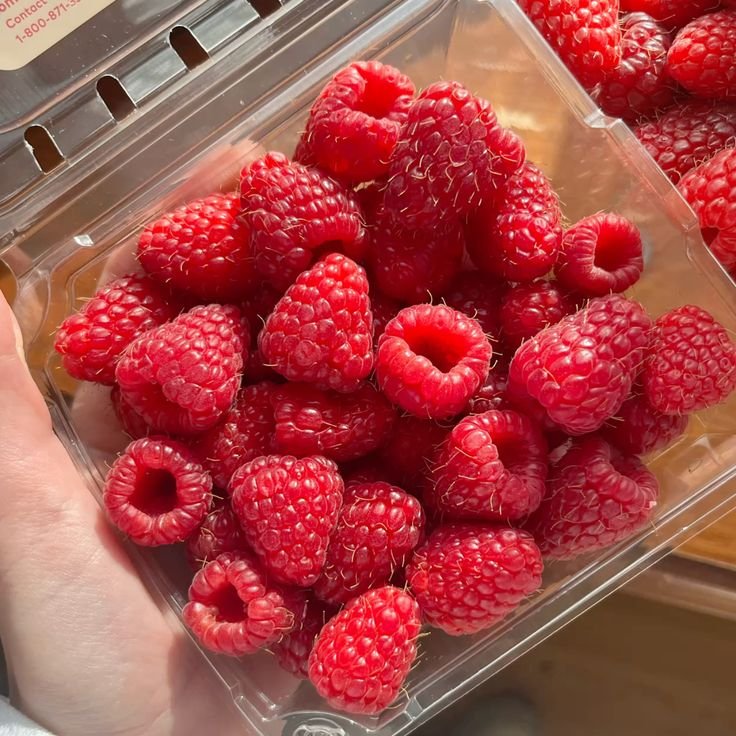
Fiber per 1 cup serving: 8 grams
Raspberries are a delicious way to increase your fiber intake while enjoying natural sweetness. Berries can be eaten alone or combined with other nutritious foods.
Easy idea: Add a handful of fresh or frozen raspberries to plain Greek yogurt for a quick breakfast or snack. Raspberries can also make a simple bowl of oatmeal more flavorful without requiring large amounts of added sugar.
4. Pears
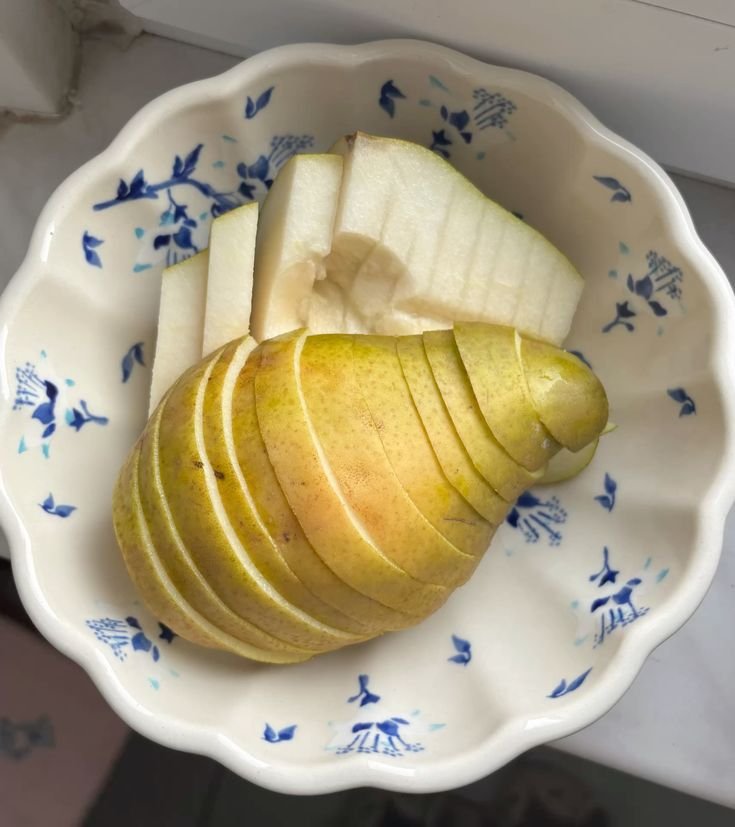
Fiber per 1 medium serving: 6 grams
Pears are naturally sweet fruits that provide fiber, particularly when you eat the skin. For more snack ideas, see our guide to 15 foods high in fiber and protein.
Easy idea: Eat a whole pear as a snack or slice it and pair it with a small amount of almond or peanut butter.
5. Apples
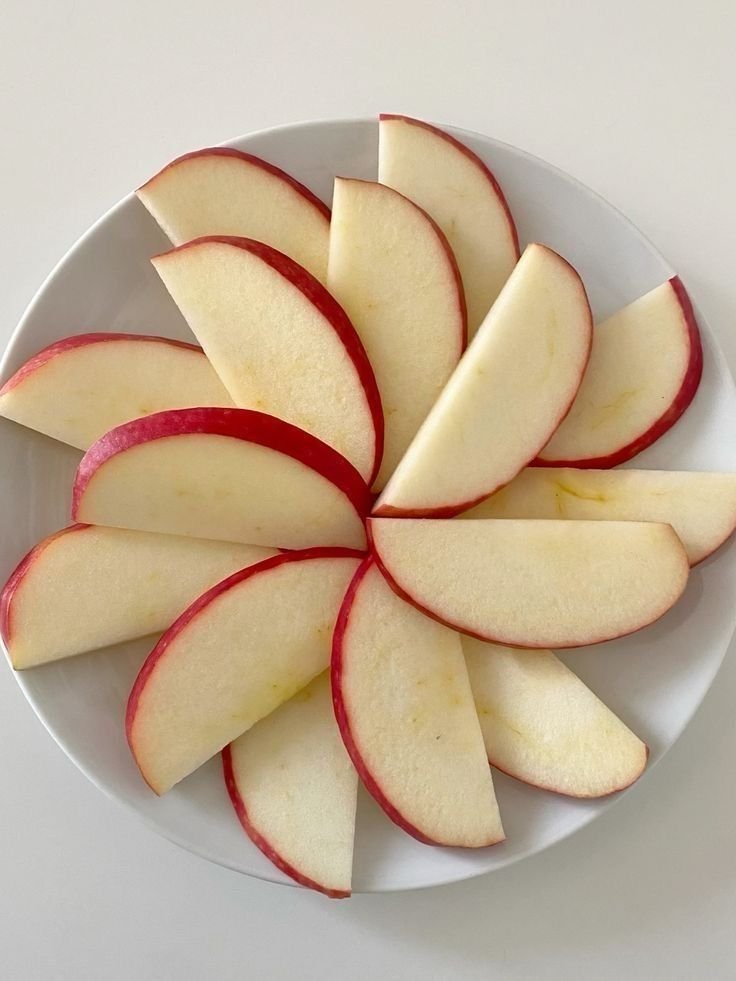
Fiber per 1 medium serving: 4 grams
Apples are another convenient source of dietary fiber. Eating the whole apple instead of drinking apple juice provides more fiber and can be more satisfying.
Easy combinations: Apple + peanut butter, apple + Greek yogurt, apple + cottage cheese, or apple + a small handful of almonds.
6. Avocado
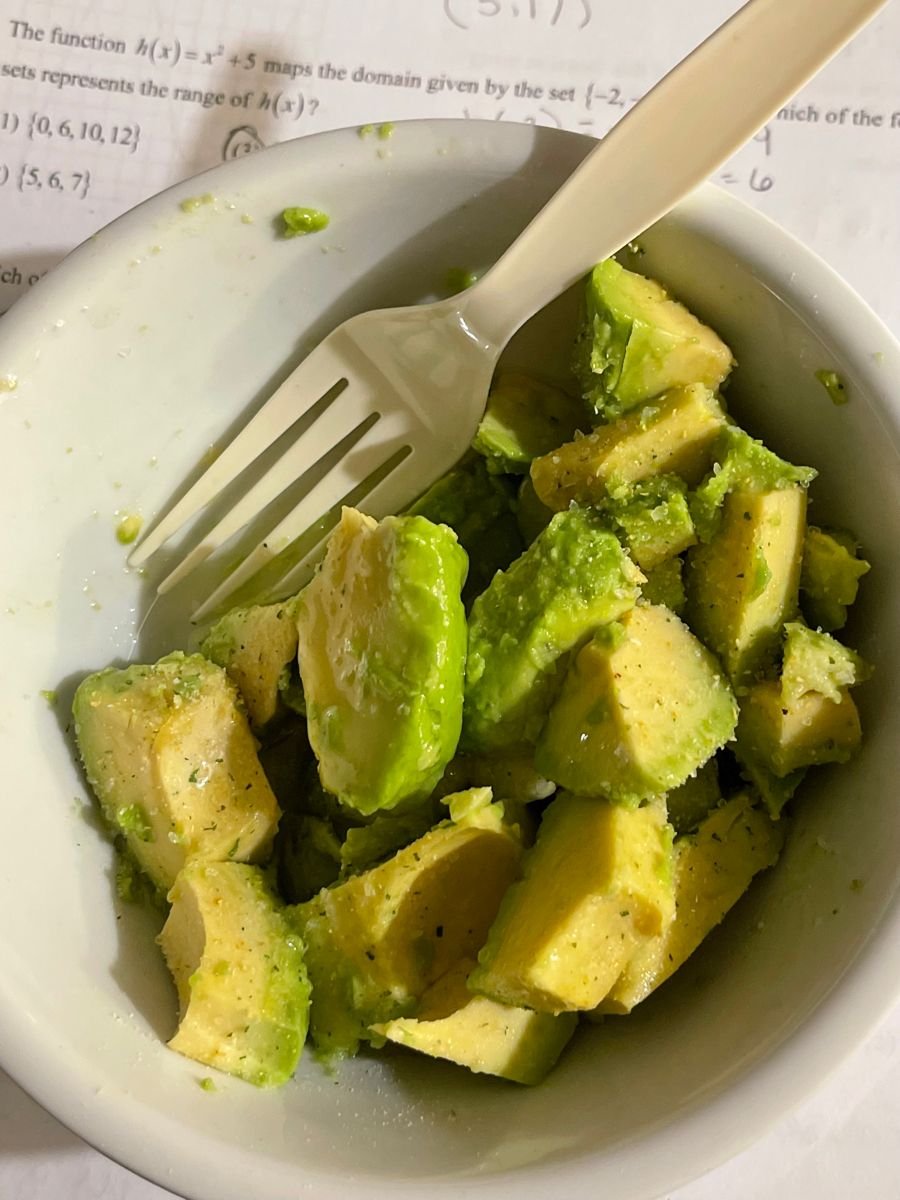
Fiber per 1 medium serving: 10 grams
Avocado provides fiber along with healthy unsaturated fats. Although nutritious, it is relatively calorie-dense, so portion size still matters. For a complete weekly plan, see our 30-day weight loss challenge.
Easy idea: Add a moderate amount of avocado to whole-grain toast, salads, vegetable bowls, grain bowls, or wraps.
7. Chia Seeds
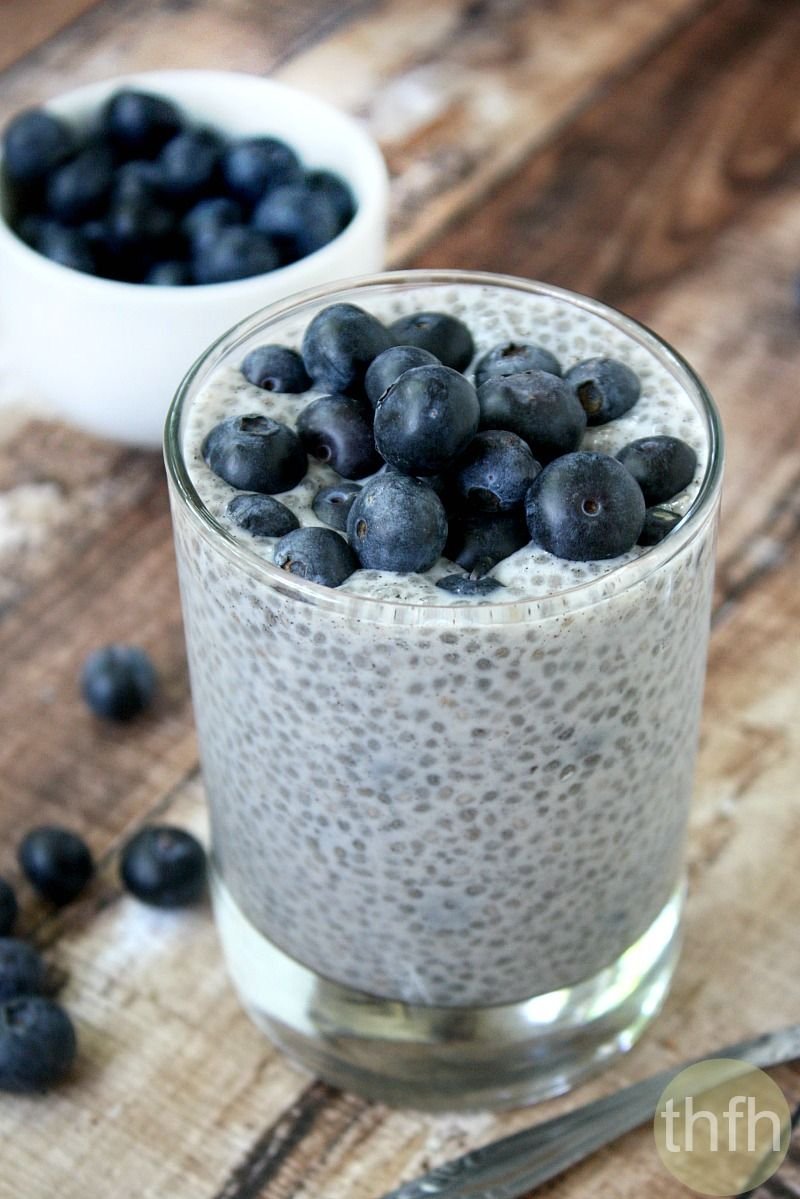
Fiber per 2 tbsp serving: 10 grams
Chia seeds are small but contain a significant amount of fiber. They can absorb liquid and develop a gel-like texture, making them useful for overnight oats, smoothies, yogurt, and chia pudding.
Easy idea: Add a small amount of chia seeds to Greek yogurt or oatmeal. Increase your intake gradually if you are not used to high-fiber foods.
8. Oats
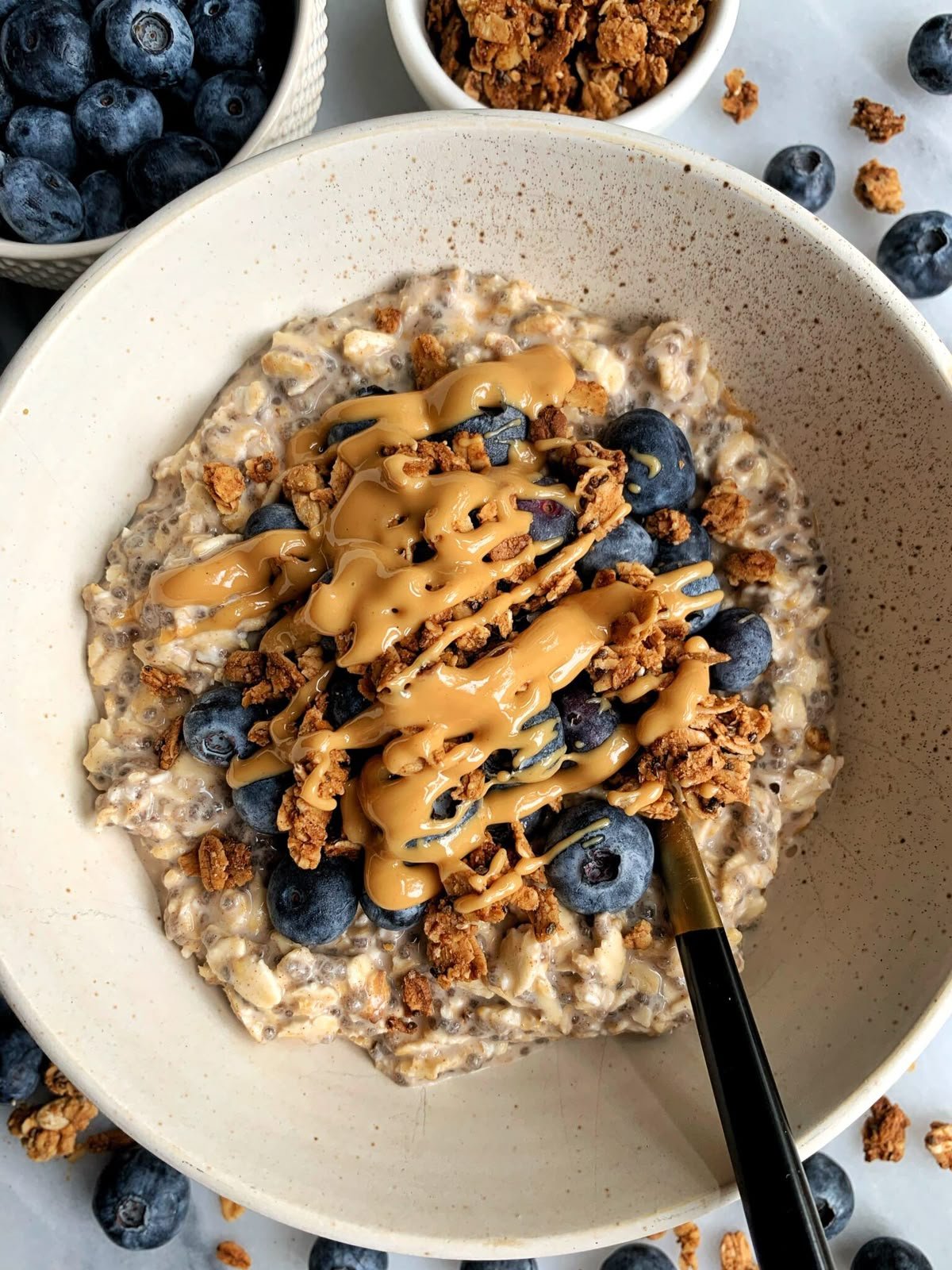
Fiber per 1 cup serving: 4 grams
Oats are an easy whole grain that provides soluble fiber, including beta-glucan. If you struggle to stay consistent, see our guide on how to stay motivated to lose weight.
Easy idea: Cook oats with milk or unsweetened plant-based milk and add berries, banana, chia seeds, cinnamon, or a small amount of nuts.
9. Barley
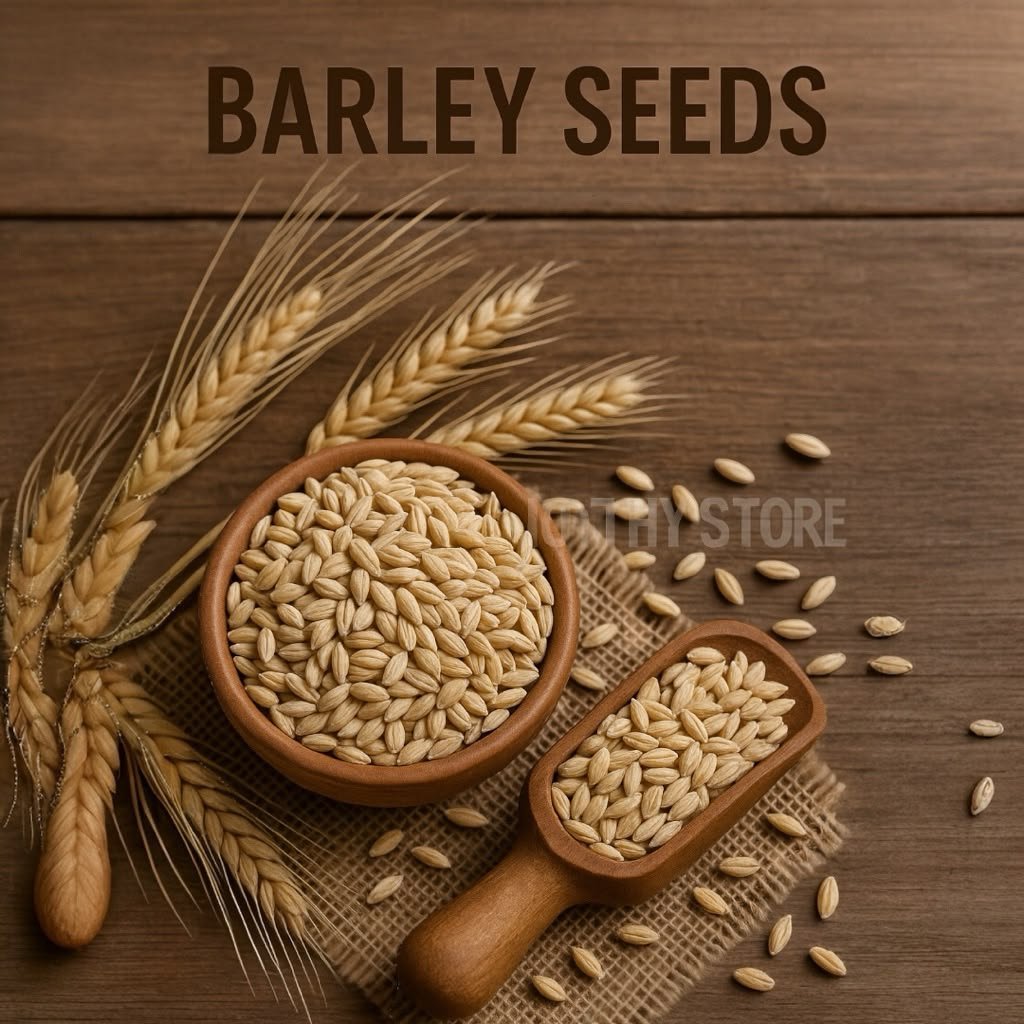
Fiber per 1 cup serving: 6 grams
Barley is a whole grain that can be used in soups, salads, and grain-based dishes. It provides fiber and can make meals more satisfying.
Easy idea: Add cooked barley to vegetable soup, or use it as a base for a grain bowl with vegetables, beans, and a protein source.
10. Broccoli
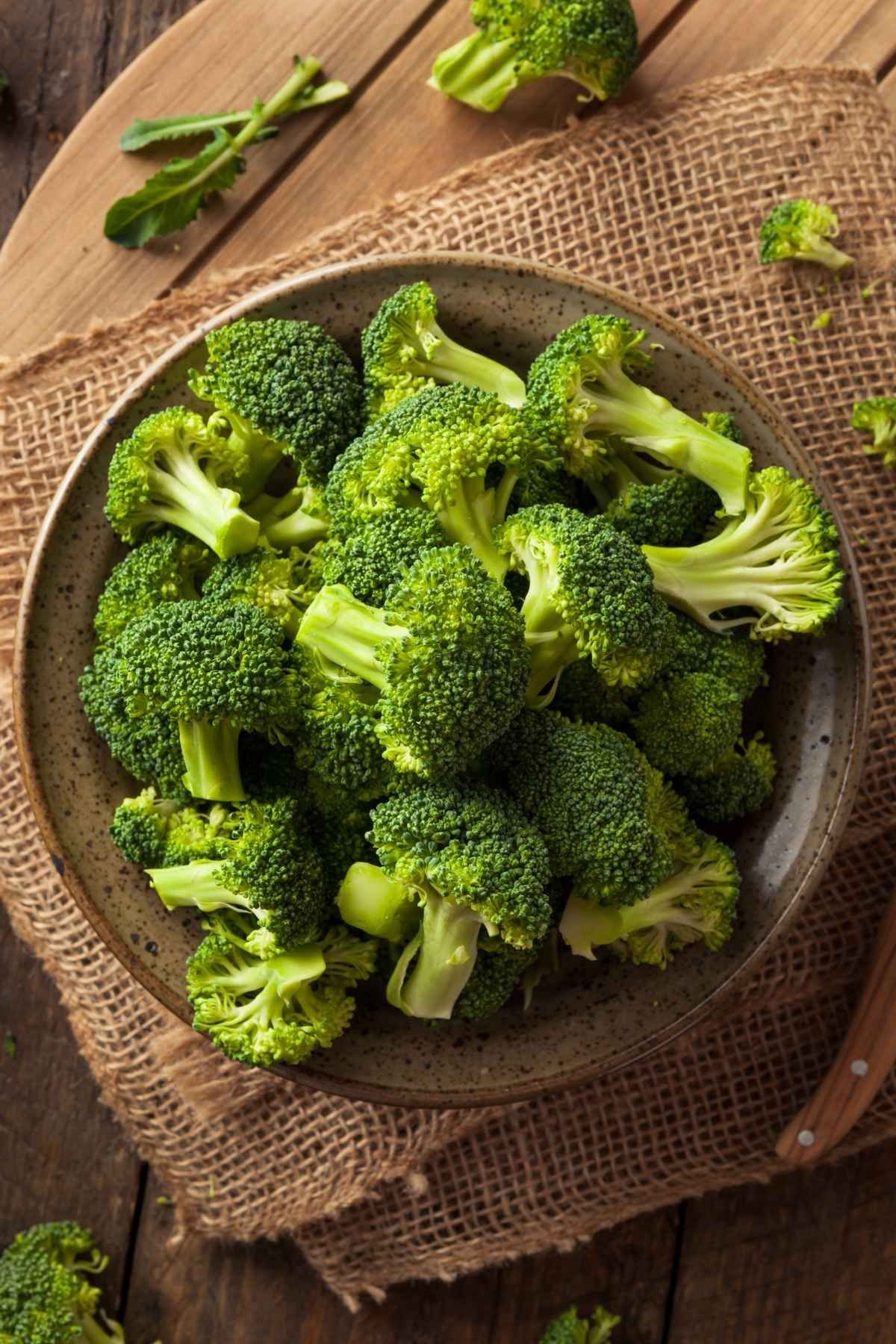
Fiber per 1 cup serving: 5 grams
Broccoli is a nutrient-dense vegetable that provides fiber while being relatively low in calories. It can be steamed, roasted, stir-fried, added to soups, eaten raw, or added to salads.
Easy idea: Roast broccoli with garlic, herbs, and a small amount of olive oil. Serve alongside lean protein and a whole grain.
11. Brussels Sprouts
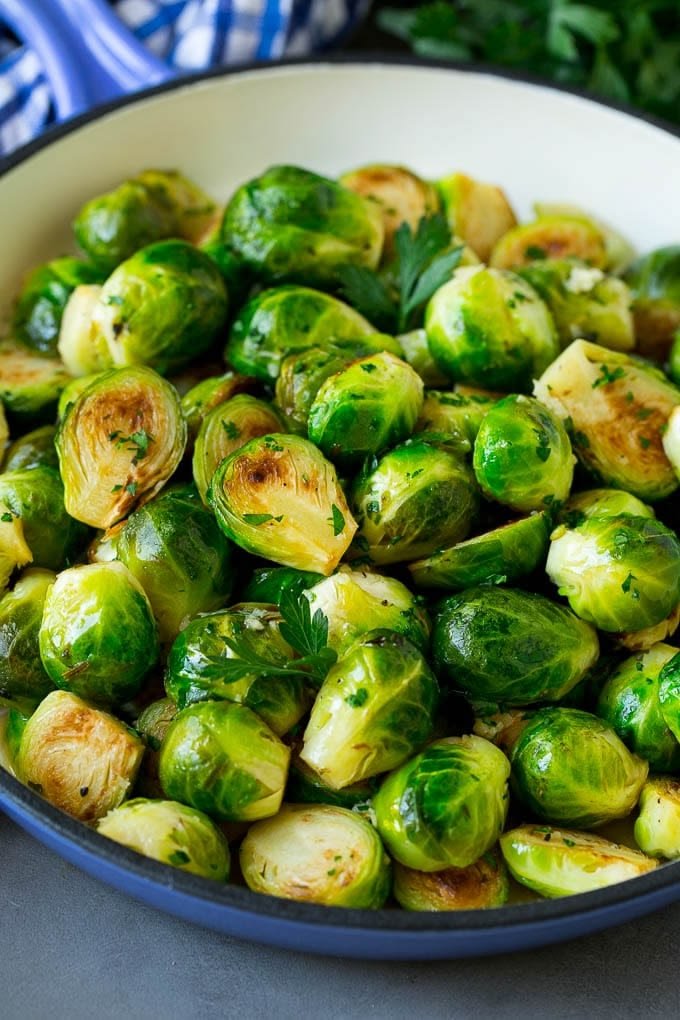
Fiber per 1 cup serving: 4 grams
Brussels sprouts are another vegetable that can help increase your daily fiber intake. They are versatile and can be prepared in several ways.
Easy idea: Roast them with garlic, black pepper, paprika, herbs, and a small amount of olive oil.
12. Sweet Potatoes
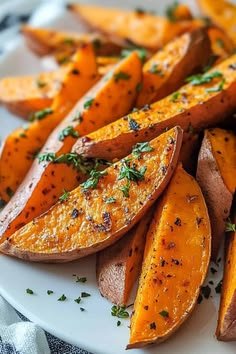
Fiber per 1 medium serving: 4 grams
Sweet potatoes provide fiber and carbohydrates along with several important nutrients. Eating the skin can increase the fiber you get from the food.
Easy idea: Bake a sweet potato and top it with beans, Greek yogurt, vegetables, or a small amount of avocado.
13. Almonds
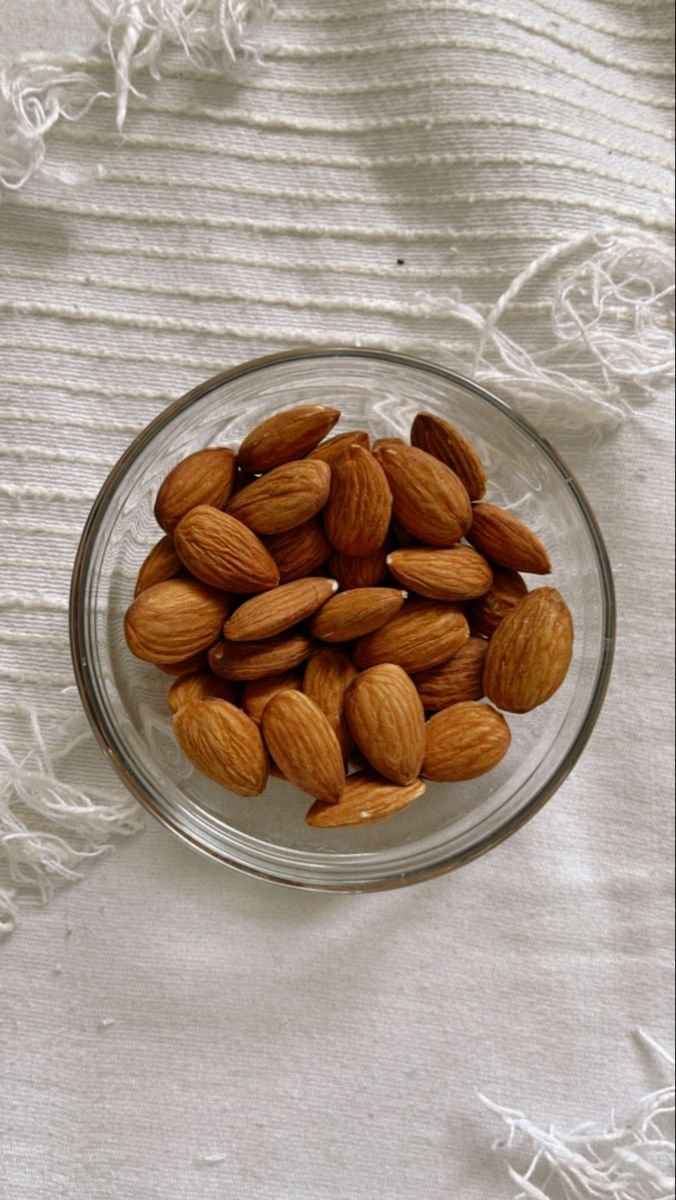
Fiber per 1 oz serving: 3.5 grams
Almonds provide fiber, healthy fats, protein, vitamins, and minerals. However, they are calorie-dense, so portion size is important.
Easy idea: Measure a small handful rather than eating directly from the package.
14. Green Peas
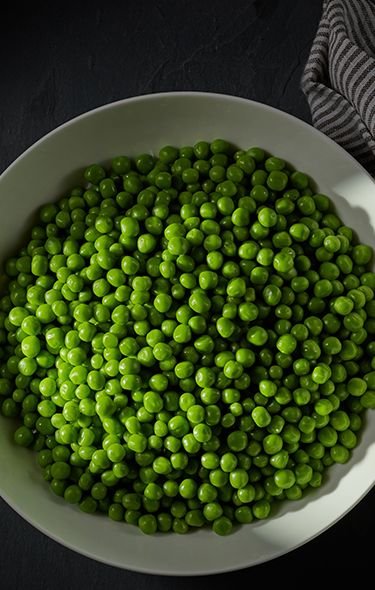
Fiber per 1 cup serving: 7 grams
Green peas are a useful addition to meals because they provide fiber and plant-based protein. Frozen peas are particularly convenient because they can be stored for long periods and cooked quickly.
Easy idea: Add peas to brown rice with mixed vegetables and a protein source for a simple balanced meal.
15. Black Beans
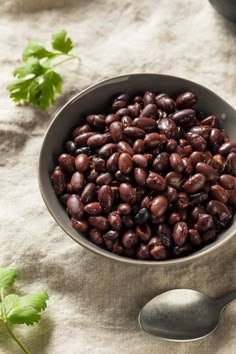
Fiber per 1 cup serving: 15 grams
Black beans are an affordable and versatile source of fiber and plant-based protein. For a full week of meals, try our 30-day fitness challenges.
Easy idea: Combine black beans with brown rice, vegetables, and salsa for a filling, balanced meal.
How Fiber-Rich Foods Can Support Weight Loss
Fiber should not be treated as a weight-loss shortcut. Instead, it can make a healthy eating pattern easier to maintain.
1. They Can Help You Feel Full
High-fiber foods can contribute to feelings of fullness
High-fiber foods can contribute to feelings of fullness. Some types of fiber slow digestion, while foods containing fiber often require more chewing. This can make meals feel more satisfying and may help you avoid constantly looking for another snack.
However, individual responses vary, so fiber should be considered one part of an overall healthy eating pattern.
2. They Can Add Volume to Meals
Fiber-rich foods take up more space on your plate
Many fruits and vegetables contain both water and fiber. This allows you to build meals with plenty of food volume without relying heavily on calorie-dense ingredients. Adding broccoli, carrots, cucumber, tomatoes, leafy greens, berries, or other plant foods can make meals feel more substantial.
3. They Support Digestive Health
Fiber is important for normal bowel function
A diet containing a variety of fiber-rich foods can support digestive health and regularity. If you are increasing your fiber intake, do it gradually and make sure you consume enough fluids.
4. They Can Replace Refined Foods
Small swaps add up
Adding beans, lentils, fruits, vegetables, and whole grains can help you replace some highly refined foods. For example, you could replace part of a refined-grain side dish with brown rice, barley, beans, lentils, or vegetables. Small substitutions can gradually improve the overall nutritional quality of your diet.
How Much Fiber Do You Need?
General target: 25–30 grams per day
Fiber needs vary depending on factors such as age, sex, calorie intake, and overall diet. For many adults, a general target is around 25–30 grams of fiber per day, although individual needs differ.
If your current diet is low in fiber, don’t suddenly increase your intake by a large amount. A rapid increase can cause gas, bloating, abdominal discomfort, or changes in bowel movements.
Instead, increase fiber gradually and drink enough fluids.
How to Add More Fiber to Your Diet
Small habits beat big overhauls
You don’t need to completely change your diet overnight. Start with small habits such as:
- Add berries or fruit to breakfast.
- Choose oatmeal instead of refined breakfast cereals.
- Add beans or lentils to soups.
- Add vegetables to lunch and dinner.
- Choose whole-grain bread when available.
- Snack on fruit and nuts.
- Add chia or flax seeds to yogurt.
- Keep edible fruit and vegetable skins when appropriate.
- Replace some refined grains with whole grains.
- Add beans to rice dishes.
- Choose whole fruit instead of fruit juice.
The goal is consistency, not perfection.
Meal and Snack Ideas
High-Fiber Breakfast Ideas
- Oatmeal with berries, chia seeds, and almonds
- Greek yogurt with chia seeds and berries
- Whole-grain toast with avocado
- Apple and oatmeal with cinnamon
- Fruit and nuts
High-Fiber Lunch Ideas
- Lentil soup with vegetables
- Black bean bowl with brown rice, lettuce, tomatoes, cucumber, corn, and salsa
- Chickpea salad with vegetables and a simple dressing
High-Fiber Dinner Ideas
- Grilled chicken with roasted broccoli and sweet potato
- Lentil stew with vegetables
- Black bean rice bowls
- Baked fish with barley and vegetables
- Chickpea and vegetable curry
- Whole-grain pasta with vegetables and beans
If you want more ideas for putting nutritious foods together into complete meals, explore our Healthy Meal Plan for Weight Loss.
Fiber-Rich Snacks
- Apple with peanut butter
- Pear with almonds
- Greek yogurt with raspberries
- Carrots with hummus
- Roasted chickpeas
- Fresh berries
- Chia pudding
- Air-popped popcorn
- Whole-grain toast with avocado
A Simple One-Day High-Fiber Meal Plan
Spread fiber throughout the day
You don’t need complicated recipes to increase your fiber intake.
- Breakfast: Oatmeal topped with raspberries, chia seeds, a small amount of almonds, and cinnamon.
- Lunch: Black bean and vegetable bowl with brown rice, lettuce, tomatoes, cucumber, corn, and salsa.
- Afternoon snack: Apple with a small amount of peanut butter.
- Dinner: Grilled chicken with roasted broccoli, baked sweet potato, and a small serving of avocado.
This approach spreads fiber throughout the day instead of trying to consume most of it in one meal.
Easy Ways to Make Fiber-Rich Foods More Convenient
Accessibility makes consistency easier
One reason people struggle to eat enough fiber is convenience. Making healthy foods easier to access can make a big difference.
Wash Fruit in Advance
Wash apples, pears, berries, and other fruits so they’re ready to eat.
Prepare Vegetables
Cut carrots, cucumber, broccoli, and bell peppers ahead of time.
Cook Beans in Batches
Prepare beans or lentils in larger quantities and store portions for later meals.
Keep Frozen Vegetables Available
Frozen peas, broccoli, and other vegetables can be convenient when fresh produce isn’t available.
Prepare Overnight Oats
Mix oats, chia seeds, milk, and fruit the night before for an easy breakfast.
Portion Nuts
Place a small serving into a container rather than eating directly from the package.
These small habits can make fiber-rich foods much easier to include consistently.
High-Fiber Food Chart
Approximate fiber content per serving
| Food | Approximate Fiber |
|---|---|
| Lentils | ~15.6g per cooked cup |
| Black beans | ~15g per cooked cup |
| Chickpeas | ~12.5g per cooked cup |
| Chia seeds | ~10g per 2 tablespoons |
| Avocado | ~10g per medium |
| Raspberries | ~8g per cup |
| Green peas | ~7g per cooked cup |
| Pear | ~6g per medium |
| Barley | ~6g per cooked cup |
| Broccoli | ~5g per cooked cup |
| Apple | ~4g per medium |
| Oats | ~4g per cooked cup |
| Brussels sprouts | ~4g per cooked cup |
| Sweet potato | ~4g per medium |
| Almonds | ~3.5g per ounce |
Nutrition values can vary by serving size, preparation, and food variety.
Frequently Asked Questions About Fiber-Rich Foods
What are the best fiber-rich foods for weight loss?
Excellent choices include lentils, chickpeas, raspberries, pears, apples, oats, chia seeds, broccoli, sweet potatoes, black beans, peas, and whole grains. The best choices are foods you enjoy and can regularly include in a balanced diet.
Which foods are highest in fiber?
Beans, lentils, chickpeas, certain berries, chia seeds, some whole grains, nuts, seeds, and vegetables can provide substantial amounts of dietary fiber.
Can fiber help you lose weight?
Fiber can support weight management because high-fiber foods can contribute to fullness and are often nutrient-dense. However, fiber does not cause weight loss by itself. Your overall eating pattern and lifestyle are more important.
How much fiber should I eat each day?
Many adults can aim for approximately 25–30 grams of fiber per day, although individual needs vary. If your current intake is low, increase fiber gradually.
Can eating too much fiber cause problems?
Yes. A sudden large increase in fiber can cause gas, bloating, abdominal discomfort, or changes in bowel movements. Increase your intake gradually and drink enough fluids.
Are fruits good fiber-rich foods?
Yes. Whole fruits such as apples, pears, raspberries, oranges, and berries can provide fiber along with vitamins, minerals, water, and other beneficial plant compounds.
Are beans good for weight loss?
Beans can be a useful part of a weight-management diet because they provide fiber and plant-based protein. Black beans, chickpeas, kidney beans, and lentils are versatile options.
Is oatmeal a high-fiber food?
Yes. Oats provide soluble fiber, including beta-glucan. Adding fruit, chia seeds, or nuts can increase the total fiber and nutritional value of an oatmeal meal.
Are nuts high in fiber?
Nuts provide fiber along with healthy fats and protein. However, they are calorie-dense, so moderate portions are important.
Can I get enough fiber from fruit?
Fruit can contribute significantly to your daily fiber intake, but it is helpful to eat a variety of plant foods. Combining fruits with vegetables, legumes, whole grains, nuts, and seeds provides different types of fiber and nutrients.
Should I increase fiber quickly?
It is generally better to increase fiber-rich foods gradually. A sudden increase may cause digestive discomfort, especially if your current diet contains very little fiber.
Is fiber only found in vegetables?
No. Fiber is found in many plant foods, including fruits, vegetables, beans, lentils, whole grains, nuts, and seeds. This is why eating a variety of plant foods is useful.
Is fiber good for belly fat?
Fiber can support fullness and help you follow an appropriate calorie intake, which may support overall fat loss. However, no single food or nutrient specifically targets belly fat.
Can fiber help with blood sugar?
Some types of fiber, particularly soluble fiber, can slow digestion. Including fiber as part of balanced meals may support steadier blood sugar levels.
Should I take a fiber supplement?
Whole foods are generally a good foundation for getting fiber. Fiber supplements can be useful in some situations, but it’s best to discuss supplementation with a healthcare professional if you’re considering one.
Which has more fiber: brown rice or white rice?
Brown rice generally contains more fiber than white rice because it retains more of the grain’s outer layers. However, the exact amount depends on the serving size and product.
Does cooking affect fiber content?
Cooking can change the structure and texture of fiber, but most foods still retain substantial amounts of fiber after cooking.
Final Thoughts
Adding more fiber-rich foods to your meals can be a practical way to support healthy eating and weight management.
Foods such as lentils, chickpeas, raspberries, pears, apples, avocado, chia seeds, oats, barley, broccoli, Brussels sprouts, sweet potatoes, almonds, peas, and black beans provide fiber along with other important nutrients.
Remember that no single food causes weight loss. Instead, focus on building an overall eating pattern that includes vegetables, fruits, whole grains, legumes, protein sources, and healthy fats.
Increase your fiber intake gradually, drink enough fluids, and pay attention to portions.
If you want to make your weight-loss efforts more consistent, you can also explore our 30 Day Weight Loss Challenge, How to Stay Motivated to Lose Weight, and 30 Day Fitness Challenges guides.
Start with one or two simple changes today. Add berries to breakfast, include beans with lunch, eat vegetables with dinner, or choose whole fruit instead of juice.
Small changes that you can repeat consistently are often more useful than extreme dietary changes.
Medical disclaimer: Individual nutrition needs vary. If you have a medical condition, digestive disorder, specific dietary requirement, or take medication that affects your diet, speak with a qualified healthcare professional before making major dietary changes.


References
- National Institute of Diabetes and Digestive and Kidney Diseases (NIDDK) — Dietary Fiber Resources.
- Harvard T.H. Chan School of Public Health — The Nutrition Source: Fiber.
- Centers for Disease Control and Prevention (CDC) — Healthy Eating Resources.
- U.S. Department of Agriculture — Dietary Guidelines for Americans.
- U.S. Food & Drug Administration — Nutrition Facts Label and Fiber.