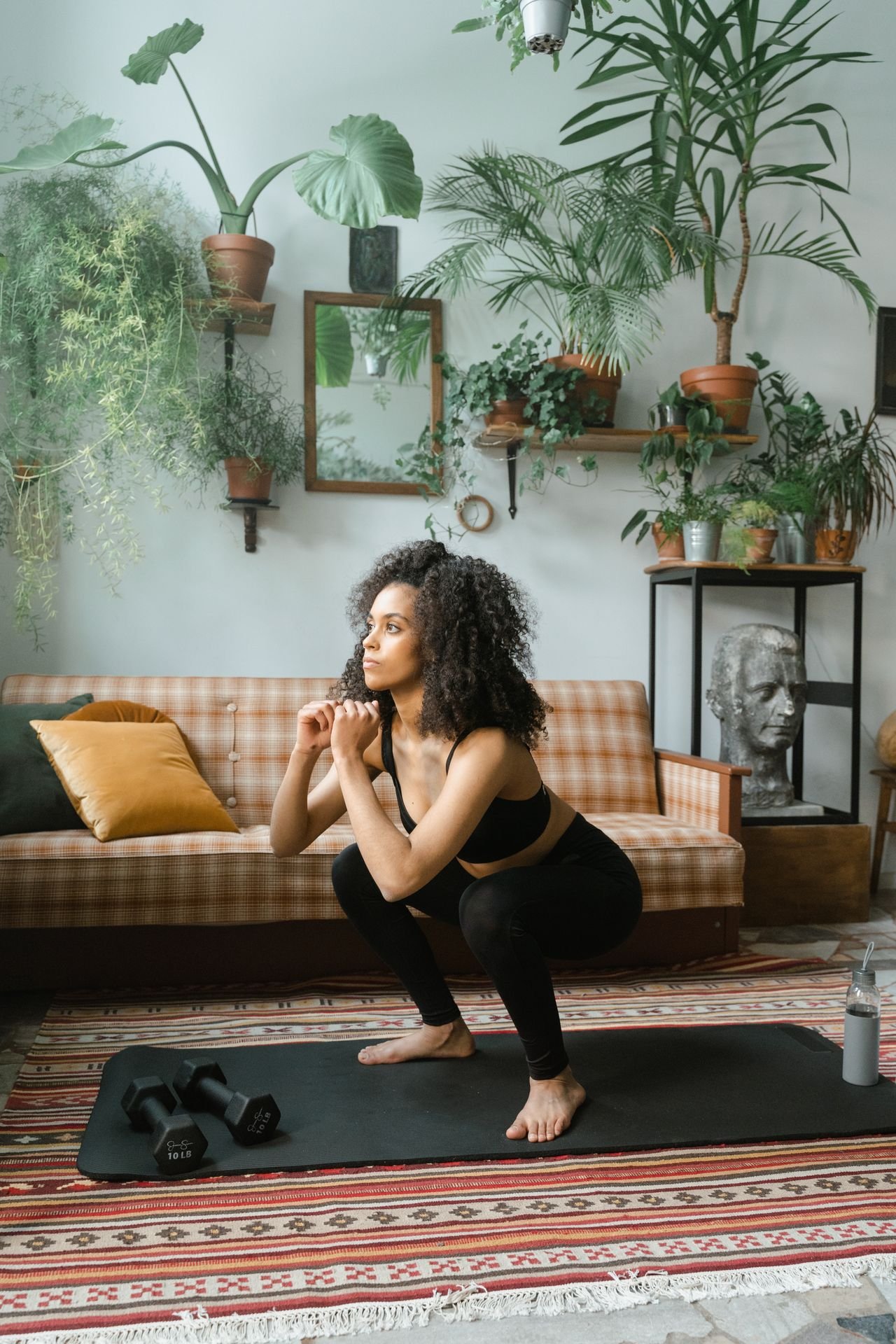

If you are new to exercise, knowing where to begin can feel difficult, especially when you are unsure which exercises to do or how to train correctly. Strength Training for Beginners is one of the best ways to build muscle, improve overall fitness, increase confidence, and create a stronger and healthier body.
Many people think strength training is only for athletes or experienced gym users, but beginners can also benefit greatly from resistance exercises. With the right approach, simple movements and consistent practice can help you become stronger, improve your physical performance, and support long-term health.
This guide explains the benefits of strength training, beginner-friendly exercises, how to create an effective workout routine, how to progress safely, and how nutrition and recovery can support your results.
What Is Strength Training?
Strength training is a type of exercise that uses resistance to make your muscles work harder. The resistance can come from:
- Your body weight
- Dumbbells
- Resistance bands
- Weight machines
- Household objects
- Kettlebells
- Barbells
The goal of strength training is to improve muscle strength, endurance, physical performance, and body composition.
For beginners, strength training does not require heavy weights or complicated exercises. Starting with basic movements and learning proper form is the most important step.
Strength Training for Beginners can be performed at home, outdoors, or in a gym. You can begin with bodyweight exercises such as squats, push-ups, lunges, and planks before adding external resistance.
For anyone starting a fitness routine, Strength Training for Beginners can provide a simple foundation for developing strength, improving movement, and becoming more physically active.
The World Health Organization recommends that adults include muscle-strengthening activities involving the major muscle groups on at least two days per week.
You can also learn more about physical activity recommendations from the World Health Organization physical activity guidelines.
10 best high protein food
Benefits of Strength Training for Beginners
Another advantage of Strength Training for Beginners is that the exercises can be adapted to different fitness levels, making it easier to build confidence over time.
1. Builds Muscle Strength
One of the main benefits of Strength Training for Beginners is developing stronger muscles. Strong muscles make daily activities easier, such as carrying items, climbing stairs, lifting objects, getting up from a chair, and maintaining good posture.
As you become stronger, exercises that once felt difficult can become easier. This improvement can motivate you to continue exercising and gradually challenge your muscles.
Strength training also helps you develop better control over your movements. Instead of simply focusing on how much weight you can lift, beginners should focus on performing each movement with good technique.
2. Supports Weight Loss
Strength training can be a useful part of a weight-loss plan. Resistance exercise helps you build and maintain muscle while you work toward reducing body fat.
When combined with healthy nutrition and regular physical activity, Strength Training for Beginners can become an important part of a sustainable weight-management routine.
Weight loss is influenced by overall energy balance, food intake, physical activity, sleep, and other lifestyle factors. Strength training should therefore be combined with nutritious food choices and regular movement rather than treated as a quick solution.
If your goal is fat loss, a balanced routine can include strength training, walking, cycling, running, or other forms of aerobic activity.
The CDC notes that physical activity can support weight management and help preserve muscle during weight loss.
3. Improves Bone Health
Resistance exercises can support stronger bones and improve muscular fitness.
This becomes particularly important as people get older because maintaining strength, balance, and physical activity can help support independence and everyday movement.
Including Strength Training for Beginners in a weekly fitness routine can also help you develop stronger muscles while supporting overall physical fitness.
Exercises such as squats, lunges, step-ups, and resistance-band movements can challenge your muscles while also encouraging you to move your body against resistance.
4. Boosts Confidence
Strength training can improve confidence because you can see and feel your physical progress.
You may notice that you can perform more repetitions, use heavier resistance, hold a plank longer, or complete everyday tasks more easily.
These small improvements can create motivation and encourage you to remain consistent.
5. Improves Body Balance and Stability
Strength exercises improve coordination, balance, and control.
A stronger core, legs, hips, and upper body can help you perform everyday movements more efficiently.
Balance and stability are particularly important when performing exercises such as lunges, squats, step-ups, and single-leg movements.
Best Home Workout Routine
How to Start Strength Training as a Beginner
Starting correctly is important for long-term success.
A beginner does not need to immediately follow an advanced bodybuilding program. Instead, begin with basic movements and gradually increase the challenge.
A good Strength Training for Beginners routine should focus on learning basic movements before progressing to more challenging exercises or heavier resistance.
1. Learn Proper Form
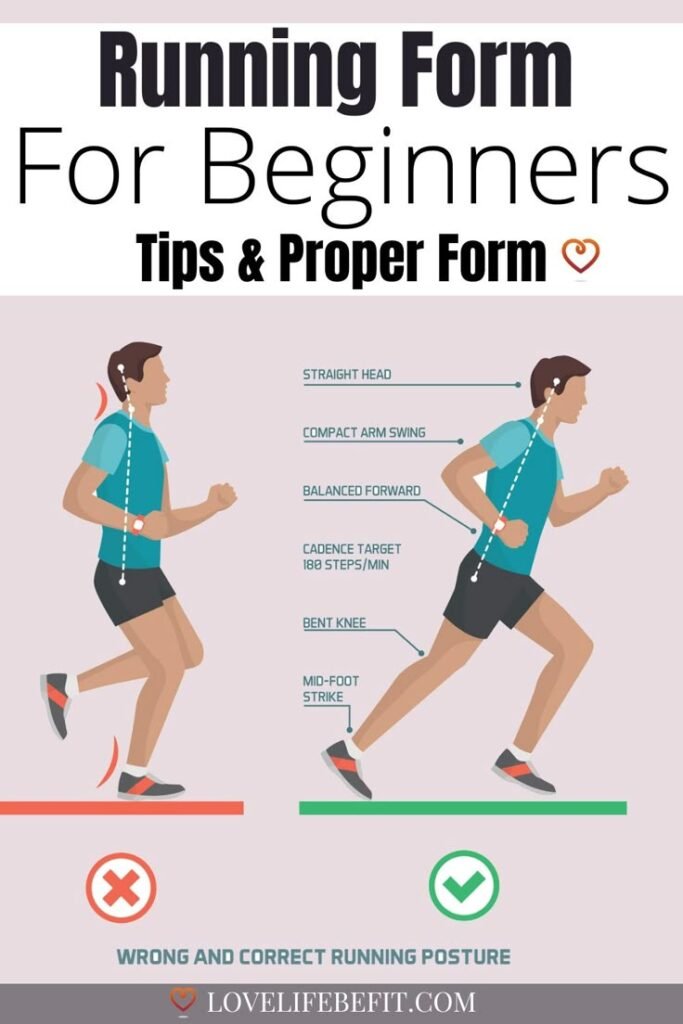
Before increasing weight or intensity, focus on performing exercises correctly. Good form helps you get better results and reduces injury risk.
For example, when performing a squat, keep your chest controlled, maintain a stable position, and move through a comfortable range of motion.
If you are unsure about an exercise, consider learning from a qualified fitness professional or another reliable educational source.
2. Start Slowly
Beginners should begin with lighter resistance and gradually increase difficulty as their strength improves.
You do not need to feel completely exhausted after every workout. The goal is to challenge your muscles while maintaining control and proper technique.
Starting slowly also makes it easier to identify which exercises work well for your current fitness level.
3. Train Regularly
Consistency is more important than doing extremely difficult workouts.
Aim for two to four strength workouts per week depending on your experience, schedule, recovery, and overall activity level.
WHO recommends muscle-strengthening activities involving major muscle groups on at least two days each week for adults.
4. Allow Recovery Time
Muscles need rest to recover and adapt after challenging workouts.
Avoid training the same muscles intensely every day. Beginners can use full-body workouts on nonconsecutive days and allow recovery between sessions.
Sleep, hydration, nutrition, and rest days all contribute to recovery.
How much protein do you need to build muscle
Best Strength Training Exercises for Beginners
The following exercises are simple movements that can help beginners develop strength throughout the body.
These exercises make Strength Training for Beginners easier to understand because they cover several major muscle groups using simple and familiar movements.
1. Squats
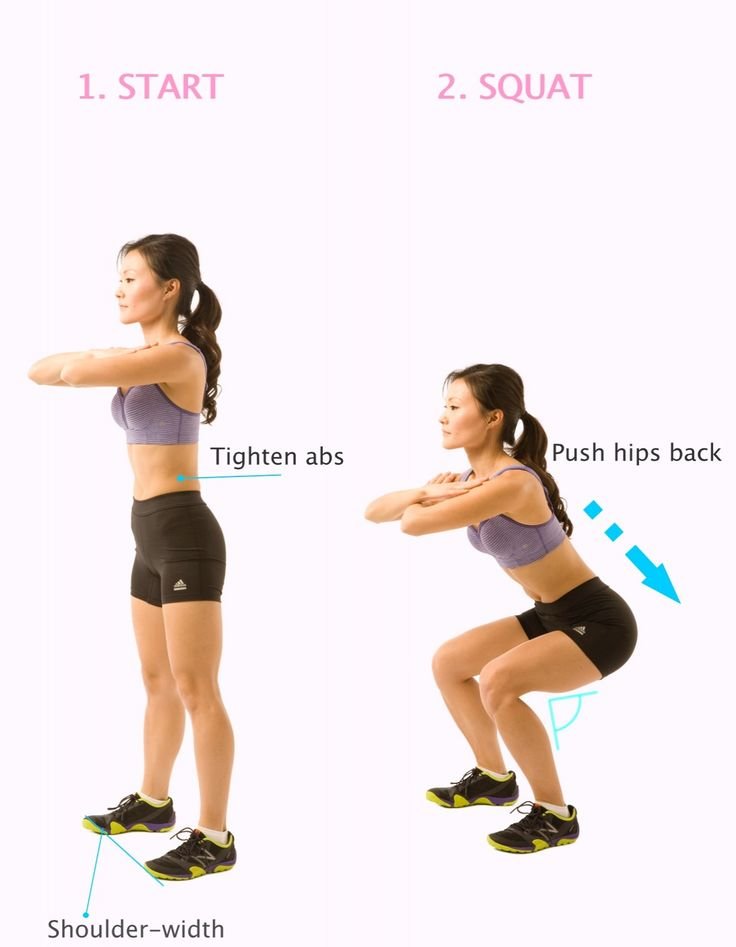
Squats are a basic lower-body exercise that strengthens your legs, hips, and glutes.
How to Perform:
- Stand with your feet about shoulder-width apart.
- Keep your chest up and back controlled.
- Bend your knees and lower your hips as if you are sitting on a chair.
- Push through your feet to stand back up.
- Repeat the movement with control.
Beginner Goal: 2–3 sets of 10–15 repetitions.
If bodyweight squats become easy, you can gradually add resistance such as dumbbells.
2. Push-Ups
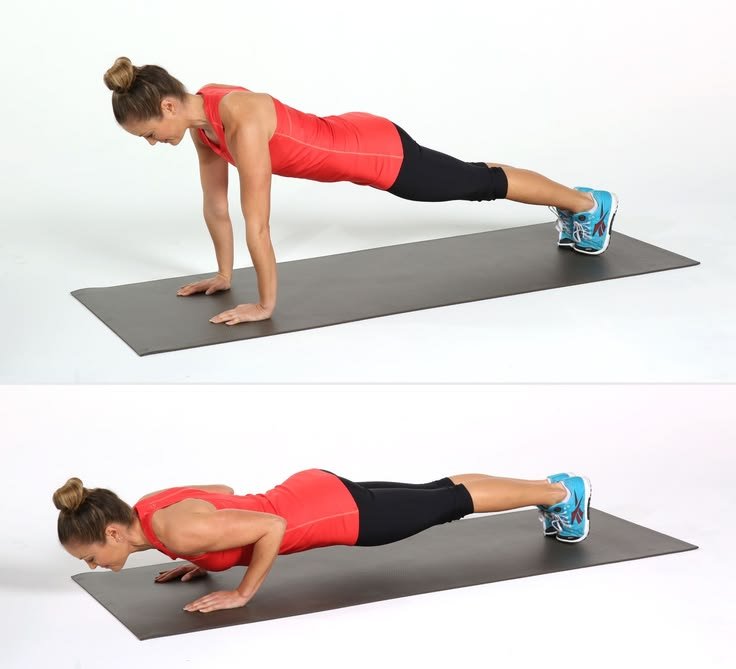
Push-ups strengthen your chest, shoulders, arms, and core.
How to Perform:
- Place your hands on the floor.
- Keep your body in a straight line.
- Tighten your core.
- Lower your chest toward the floor.
- Push yourself back up.
Beginner Option: Start with knee push-ups or incline push-ups if standard push-ups are too difficult.
Beginner Goal: 2–3 sets of 8–12 repetitions.
The goal is not to perform as many repetitions as possible. Focus on controlled movement and good technique.
3. Lunges
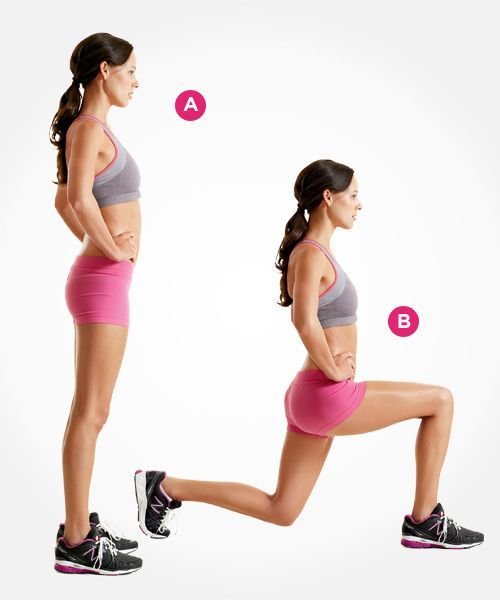
Lunges improve leg strength, balance, and stability.
How to Perform:
- Stand upright with your feet comfortable apart.
- Step forward with one foot.
- Lower your body in a controlled manner.
- Keep your upper body stable.
- Push through the front foot to return to the starting position.
Beginner Goal: 8–10 repetitions per leg.
If regular lunges are difficult, you can hold onto a stable surface for additional support.
4. Plank
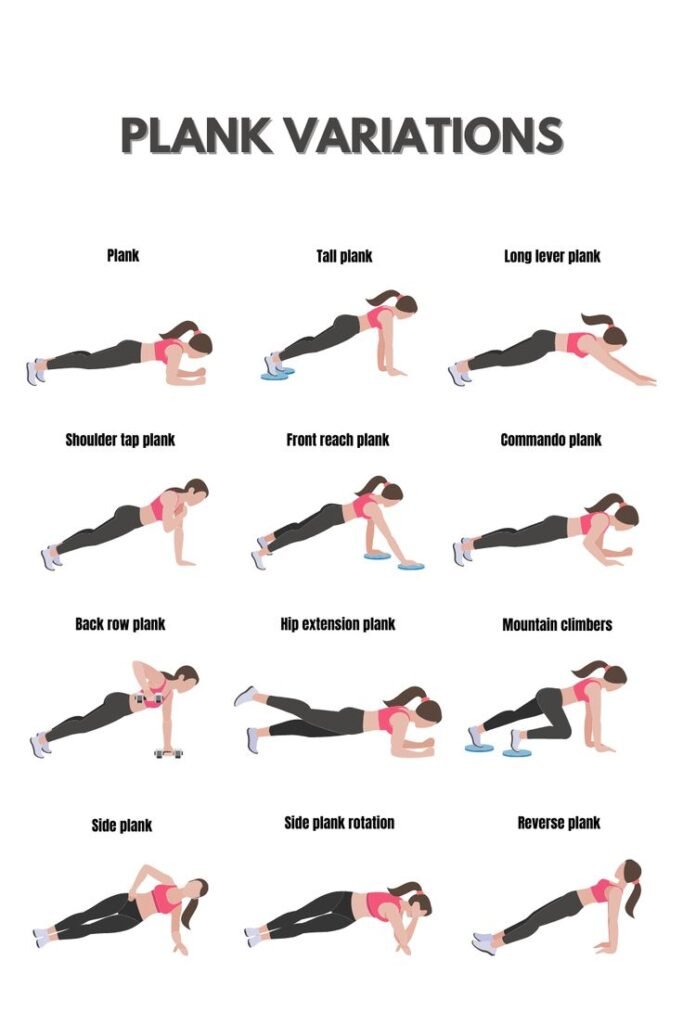
Planks strengthen your core muscles and improve stability.
How to Perform:
- Place your forearms on the ground.
- Extend your legs behind you.
- Keep your body in a straight line.
- Tighten your stomach muscles.
- Hold the position while breathing normally.
Beginner Goal: 20–40 seconds.
As your core becomes stronger, gradually increase the holding time.
5. Dumbbell Rows
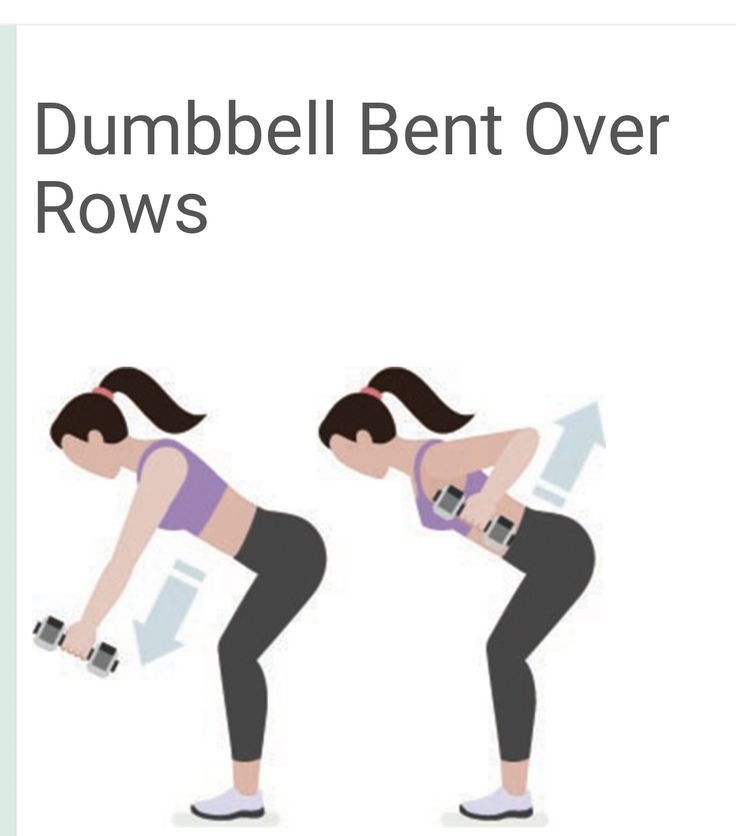
Dumbbell rows strengthen your back, shoulders, and arms.
How to Perform:
- Hold a dumbbell in one hand.
- Lean forward while keeping your back controlled.
- Pull the weight toward your body.
- Keep your elbow close to your side.
- Lower the dumbbell slowly.
Beginner Goal: 10–12 repetitions per side.
Start with a weight that allows you to complete the exercise without losing proper form.
6. Shoulder Press
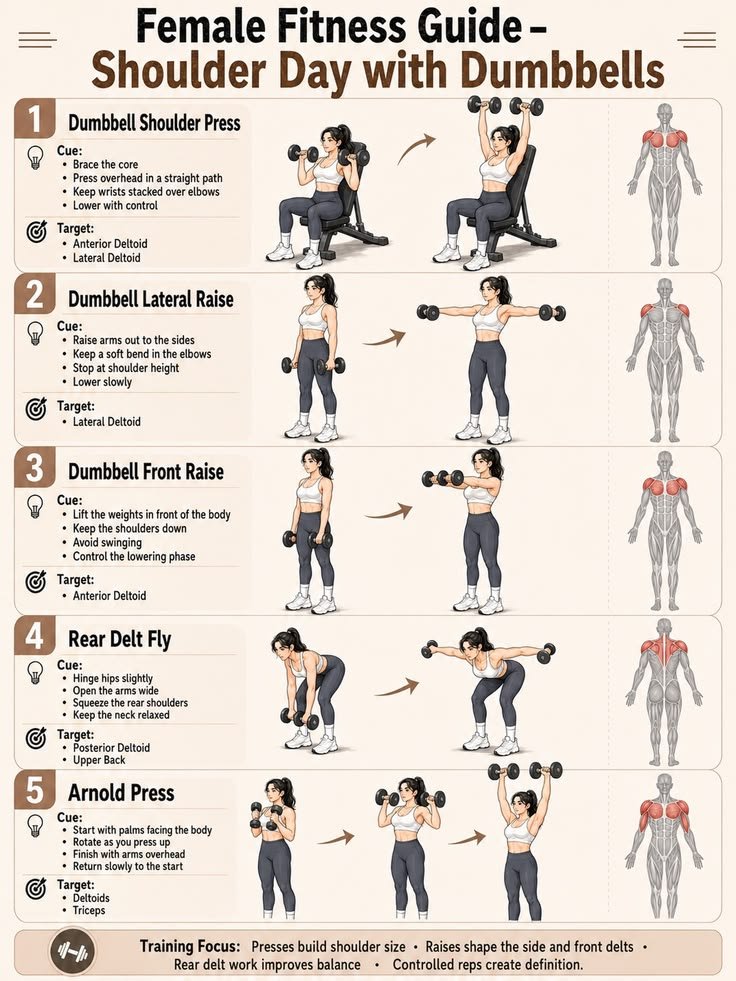
Shoulder presses build strength in your shoulders and arms.
How to Perform:
- Hold weights at shoulder level.
- Keep your core stable.
- Press the weights upward.
- Avoid using momentum.
- Slowly lower them back down.
Beginner Goal: 8–12 repetitions.
7. Glute Bridges
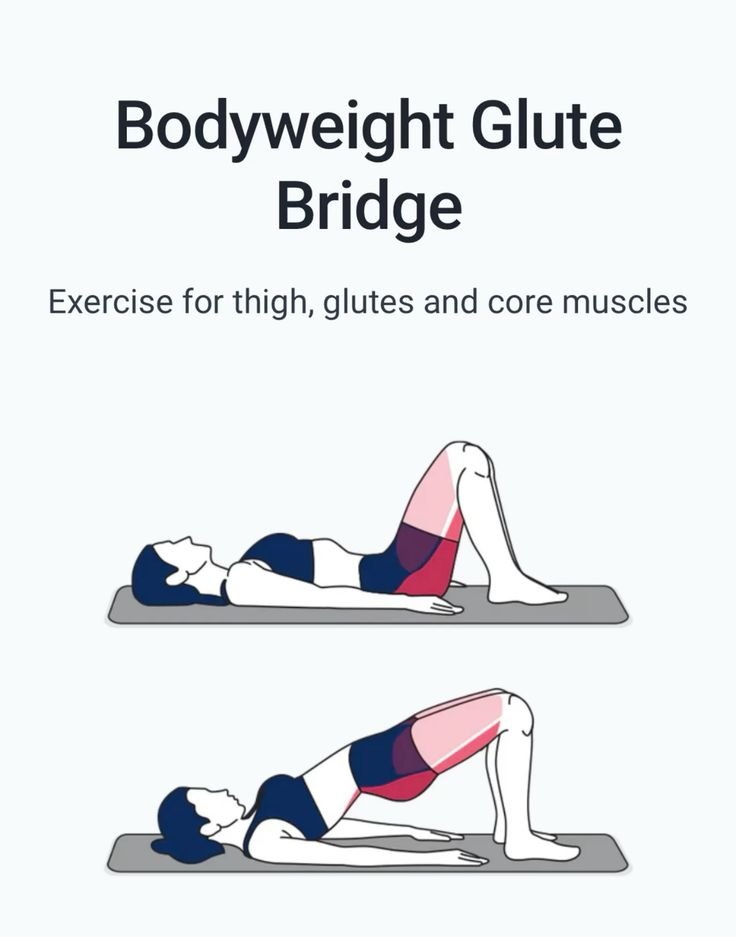
Glute bridges target the glutes and also involve the hips and core.
How to Perform:
- Lie on your back with your knees bent.
- Keep your feet flat on the floor.
- Tighten your core.
- Lift your hips upward.
- Pause briefly at the top.
- Lower your hips slowly.
Beginner Goal: 2–3 sets of 10–15 repetitions.
8. Step-Ups
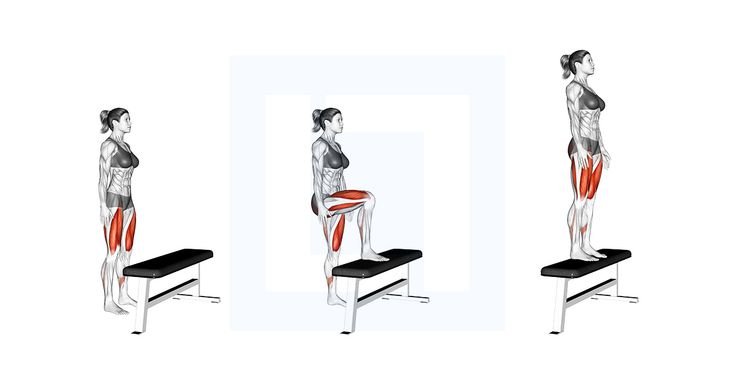
Step-ups are a practical lower-body exercise that can improve leg strength and balance.
How to Perform:
- Stand in front of a stable step or platform.
- Place one foot on the step.
- Push through that foot to step upward.
- Bring the other foot up.
- Step down carefully.
- Repeat on the other side.
Beginner Goal: 8–12 repetitions per leg.
Only use a stable surface that is appropriate for exercise.
Beginner Strength Training Workout Plan
A simple weekly plan can help beginners build consistency.
This Strength Training for Beginners workout plan can be adjusted according to your fitness level, available equipment, and recovery needs.
Day 1: Full Body Strength Workout
- Squats – 12 repetitions
- Push-ups – 10 repetitions
- Lunges – 10 each leg
- Plank – 30 seconds
- Dumbbell rows – 12 each side
- Glute bridges – 12 repetitions
Repeat for 2–3 rounds.
Rest between exercises when necessary.
Day 2: Rest or Light Activity
- Walking
- Stretching
- Mobility exercises
- Easy cycling
Light activity can help you stay active without placing the same training demand on your muscles.
Day 3: Strength Workout
- Squats
- Push-ups
- Shoulder press
- Lunges
- Dumbbell rows
- Core exercises
Complete 2–3 sets of each exercise according to your fitness level.
Day 4: Recovery
Take a rest day or perform gentle movement.
Day 5: Full Body Strength
Repeat a selection of the exercises from Day 1.
Focus on improving your technique rather than simply adding more repetitions.
Day 6–7: Recovery or Light Activity
Focus on walking, stretching, mobility work, or complete rest.
The exact schedule can be adjusted according to your fitness level and availability.
The Unlimited weakly workout plan
How Many Days a Week Should Beginners Do Strength Training?
There is no single schedule that works for everyone.
For many beginners, two or three strength-training sessions per week can provide a practical starting point.
A full-body routine is often convenient because it allows you to train major muscle groups during each session while leaving recovery time between workouts.
Adults are generally recommended to perform muscle-strengthening activities involving all major muscle groups on at least two days per week.
If you are completely inactive, beginning with fewer sessions and gradually increasing your activity may be more comfortable.
The WHO recommends that inactive people start with small amounts of physical activity and gradually increase duration, frequency, and intensity.
How Many Repetitions Should Beginners Do?
The ideal number of repetitions depends on the exercise, resistance, and individual fitness level.
A practical starting point for many beginner exercises is around 8–15 repetitions per set.
For bodyweight movements, you can focus on controlled repetitions rather than trying to reach a specific number.
For example:
- Squats: 10–15 repetitions
- Push-ups: 6–12 repetitions
- Lunges: 8–12 repetitions per leg
- Dumbbell rows: 8–12 repetitions per side
- Shoulder press: 8–12 repetitions
- Glute bridges: 10–15 repetitions
The important thing is to maintain proper technique.
If you cannot maintain good form, reduce the resistance or stop the set.
How Long Should a Strength Workout Last?
A beginner workout does not need to last for hours.
A 30–45-minute session can be enough to complete several full-body exercises.
A simple workout structure could be:
- 5–10 minutes of warm-up
- 20–30 minutes of strength exercises
- 5–10 minutes of cool-down or gentle movement
As you gain experience, you can adjust workout duration based on your goals and schedule.
Remember that consistency matters more than making every workout extremely long.
How to Progress With Strength Training
Progressive overload means gradually increasing the challenge placed on your muscles.
You can progress by:
- Increasing repetitions
- Adding resistance
- Increasing the number of sets
- Improving exercise technique
- Using a more difficult variation
- Increasing your range of motion when appropriate
- Reducing unnecessary rest between certain exercises
You do not need to increase everything at the same time.
For example, if you can comfortably perform 10 squats with a particular resistance, you might eventually increase to 12 repetitions. Once that becomes comfortable, you may add a small amount of resistance.
Slow, controlled progress is usually easier to maintain than making large increases suddenly.
Strength Training for Beginners at Home
You do not need a gym membership to start Strength Training for Beginners.
Many effective exercises can be performed at home using bodyweight or simple equipment.
Bodyweight exercises include:
- Squats
- Push-ups
- Lunges
- Planks
- Glute bridges
- Step-ups
You can also use resistance bands or light dumbbells if available.
Household objects may sometimes provide resistance, but always make sure they are stable and safe to handle.
A home workout can be especially useful for people who feel uncomfortable exercising in a gym.
Strength Training for Beginners at the Gym
If you prefer a gym environment, you can use machines, dumbbells, barbells, cables, and other equipment.
Beginners should not feel pressured to immediately use heavy weights.
Start by learning how equipment works and practice basic movements.
A beginner gym session might include:
- Leg press
- Chest press
- Lat pulldown
- Seated row
- Shoulder press
- Leg curl
- Core exercise
If you are unfamiliar with gym equipment, ask a qualified trainer for guidance.
Strength Training and Weight Loss
Strength training can support a weight-loss routine by helping you maintain and develop muscle while increasing physical activity.
For people beginning their fitness journey, Strength Training for Beginners can complement walking, cardio, and healthy eating habits while supporting improvements in strength and body composition.
However, strength training alone does not guarantee weight loss.
Nutrition is also important.
A sustainable weight-loss approach can include:
- Strength training
- Aerobic activity
- Regular walking
- Balanced meals
- Adequate protein
- Appropriate portions
- Good sleep
- Consistent habits
The CDC physical activity guidelines explain that physical activity, together with appropriate dietary intake, is important for maintaining a healthy weight and can help with weight loss and preventing weight regain.
Strength Training and Cardio
You do not have to choose between strength training and cardio.
Combining both can provide a more complete fitness routine.
Strength training focuses on muscular strength and resistance, while cardio activities such as walking, running, cycling, and swimming focus more on cardiovascular fitness.
For general health, adults are recommended to get 150–300 minutes of moderate aerobic activity per week or 75–150 minutes of vigorous activity, along with muscle-strengthening activities on at least two days per week.
A weekly routine could therefore include:
- Monday: Strength training
- Tuesday: Walking
- Wednesday: Strength training
- Thursday: Light activity
- Friday: Strength training
- Saturday: Cycling or walking
- Sunday: Rest
You can adjust the schedule according to your goals and fitness level.
Tips for Better Strength Training Results
Eat Enough Protein
Protein helps support muscle repair and growth.
Include foods such as:
- Eggs
- Chicken
- Fish
- Beans
- Lentils
- Greek yogurt
- Lean meat
- Milk
- Cottage cheese
Protein should be part of a balanced diet rather than the only focus of your nutrition.
Eat a Balanced Diet
Strength training requires energy and nutrients.
Include a variety of:
- Vegetables
- Fruits
- Whole grains
- Protein-rich foods
- Healthy fats
- Dairy or suitable alternatives
A balanced diet can support training, recovery, and overall health.
Increase Difficulty Gradually
As exercises become easier, increase repetitions, add resistance, or try harder variations.
Do not make large changes suddenly.
Stay Hydrated
Water is important for normal body functions and physical performance.
Drink regularly throughout the day and pay attention to your hydration needs during exercise.
Track Your Progress
Keep notes about your workouts, strength improvements, repetitions, resistance, and fitness goals.
Tracking can help you recognize progress that may not be obvious from day to day.
For example, you may notice that:
- You can perform more push-ups.
- Your squat technique has improved.
- You can hold a plank longer.
- You can lift heavier resistance.
- You recover more comfortably after workouts.
Common Beginner Mistakes
Using Too Much Weight
Heavy weights without proper form can increase injury risk.
Choose a resistance that allows you to control the movement.
Skipping Warm-Up
A short warm-up can prepare your body for exercise.
Try light movement followed by exercises that gradually prepare the muscles you will use.
Ignoring Recovery
Rest is necessary for muscle recovery and improvement.
Training harder is not always better if your body does not have enough time to recover.
Expecting Fast Results
Strength and fitness improvements take time.
Do not become discouraged if you do not see dramatic changes after a few workouts.
Stay consistent and focus on gradual progress.
Copying Advanced Workouts
A workout designed for an experienced athlete may not be appropriate for a beginner.
Choose exercises that match your current ability and progress gradually.
Poor Exercise Technique
Performing an exercise incorrectly can reduce its effectiveness and increase unnecessary stress.
Learn the basic movement before adding more resistance.
Training Through Serious Pain
Normal exercise discomfort can occur, but sharp or unusual pain should not be ignored.
If an exercise causes concerning pain, stop and seek appropriate professional advice.
How to Warm Up Before Strength Training
A warm-up prepares your body for movement.
A simple warm-up can include:
- Walking in place
- Arm circles
- Bodyweight squats
- Light lunges
- Gentle mobility exercises
Spend approximately 5–10 minutes preparing for the workout.
The warm-up should make you feel ready to exercise rather than exhausted before your first working set.
How to Recover After Strength Training
Recovery is an important part of Strength Training for Beginners.
After training, focus on:
- Adequate sleep
- Hydration
- Balanced meals
- Protein-rich foods
- Rest days
- Light movement
You do not need to completely avoid movement on recovery days. Gentle walking or mobility work can be appropriate if it feels comfortable.
However, if you are extremely sore or fatigued, allow your body additional recovery time.
How to Stay Consistent
Consistency is one of the biggest factors in long-term fitness success.
Making Strength Training for Beginners part of your weekly schedule can help turn exercise into a regular habit rather than something you do only occasionally.
Create a Simple Schedule
Choose specific days and times for your workouts.
Set Realistic Goals
Instead of trying to transform your body immediately, focus on smaller goals.
For example:
- Complete two workouts each week.
- Learn five basic exercises.
- Perform better technique.
- Increase repetitions gradually.
- Walk more each day.
Choose Exercises You Enjoy
You are more likely to continue an exercise routine that you actually enjoy.
Track Your Workouts
Recording your sessions can help you see improvements.
Do Not Aim for Perfection
Missing one workout does not mean you have failed.
Simply return to your routine at the next opportunity.
Safety Tips for Strength Training
Beginners should prioritize safety and proper technique.
Before starting a new exercise program, consider your current fitness level and any health conditions or physical limitations that could affect exercise.
If you have a medical condition, significant injury, or other concern about exercising safely, consider speaking with an appropriate healthcare professional before starting a new training program.
During exercise:
- Use controlled movements.
- Start with manageable resistance.
- Keep your exercise area clear.
- Use stable equipment.
- Avoid rushing repetitions.
- Stop if you experience concerning symptoms.
The CDC recommends that adults include both aerobic and muscle-strengthening activity as part of a healthy physical activity routine.
How Beginners Can Build a Long-Term Routine
The best Strength Training for Beginners routine is one that can eventually become a sustainable habit.
Start with a manageable number of workouts each week.
For example, you might begin with two full-body workouts.
After several weeks, if you feel comfortable and have enough recovery time, you could increase to three sessions.
Your long-term routine might eventually include:
- 2–4 strength sessions
- Regular walking
- Cardio activity
- Mobility exercises
- Recovery days
- Balanced nutrition
You do not have to do everything at once.
Build your routine gradually and make changes when your current routine becomes manageable.
Frequently Asked Questions
Learning the basics of Strength Training for Beginners can help you understand how to exercise safely, progress gradually, and build a routine that you can maintain.
Is Strength Training Good for Beginners?
Yes. Strength training can be suitable for beginners when exercises are selected according to their ability and performed with proper technique.
Beginners can start with bodyweight exercises and gradually introduce resistance.
How Often Should a Beginner Strength Train?
Two or three sessions per week can be a practical starting point for many beginners.
Adults are generally advised to perform muscle-strengthening activities involving major muscle groups at least two days per week.
Can Beginners Build Muscle?
Yes. Beginners can improve muscle strength and build muscle through consistent resistance training, appropriate nutrition, and adequate recovery.
Progress will vary from person to person.
Can Strength Training Help You Lose Belly Fat?
Strength training can support overall fat loss and improve body composition, but you cannot specifically choose where your body loses fat.
A combination of resistance exercise, aerobic activity, and appropriate nutrition can support overall weight management.
Do Beginners Need Supplements?
Not necessarily.
A balanced diet can provide many of the nutrients needed to support exercise and recovery.
Supplements should not replace nutritious food, consistent training, or adequate sleep.
Is Home Strength Training Effective?
Yes. Bodyweight exercises and simple resistance equipment can provide effective workouts at home.
You do not need an expensive gym membership to begin.
Should Beginners Train Every Day?
Not necessarily.
Recovery is an important part of a successful program. Beginners can alternate training days with rest or light activity.
What Is the Best Strength Training Exercise for Beginners?
There is no single best exercise.
A balanced beginner program can include movements that train the legs, hips, back, chest, shoulders, arms, and core.
Examples include squats, push-ups, lunges, rows, shoulder presses, and planks.
Final Thoughts
Strength Training for Beginners is an excellent way to build a stronger body, improve fitness, develop confidence, and create healthy long-term habits.
You do not need advanced equipment or years of experience to start.
By focusing on simple exercises, proper technique, balanced nutrition, adequate recovery, and consistency, beginners can make steady progress and enjoy the many benefits of strength training.
Start with small steps, stay committed, and continue improving one workout at a time.
Remember that the goal is not to become perfect immediately. The goal is to build a routine that you can maintain.
Whether you train at home or in a gym, bodyweight exercises and resistance exercises can help you become stronger and more physically capable.
For general health, combine muscle-strengthening activity with regular aerobic movement. WHO recommends that adults complete at least 150–300 minutes of moderate aerobic activity per week or 75–150 minutes of vigorous aerobic activity, while also performing muscle-strengthening activities involving major muscle groups on at least two days each week.
You can read the full WHO physical activity recommendations and the CDC Physical Activity Guidelines for additional evidence-based information.
The most important step is simply to begin. Choose exercises you can perform safely, start at a manageable level, and gradually make your workouts more challenging as your strength and confidence improve.