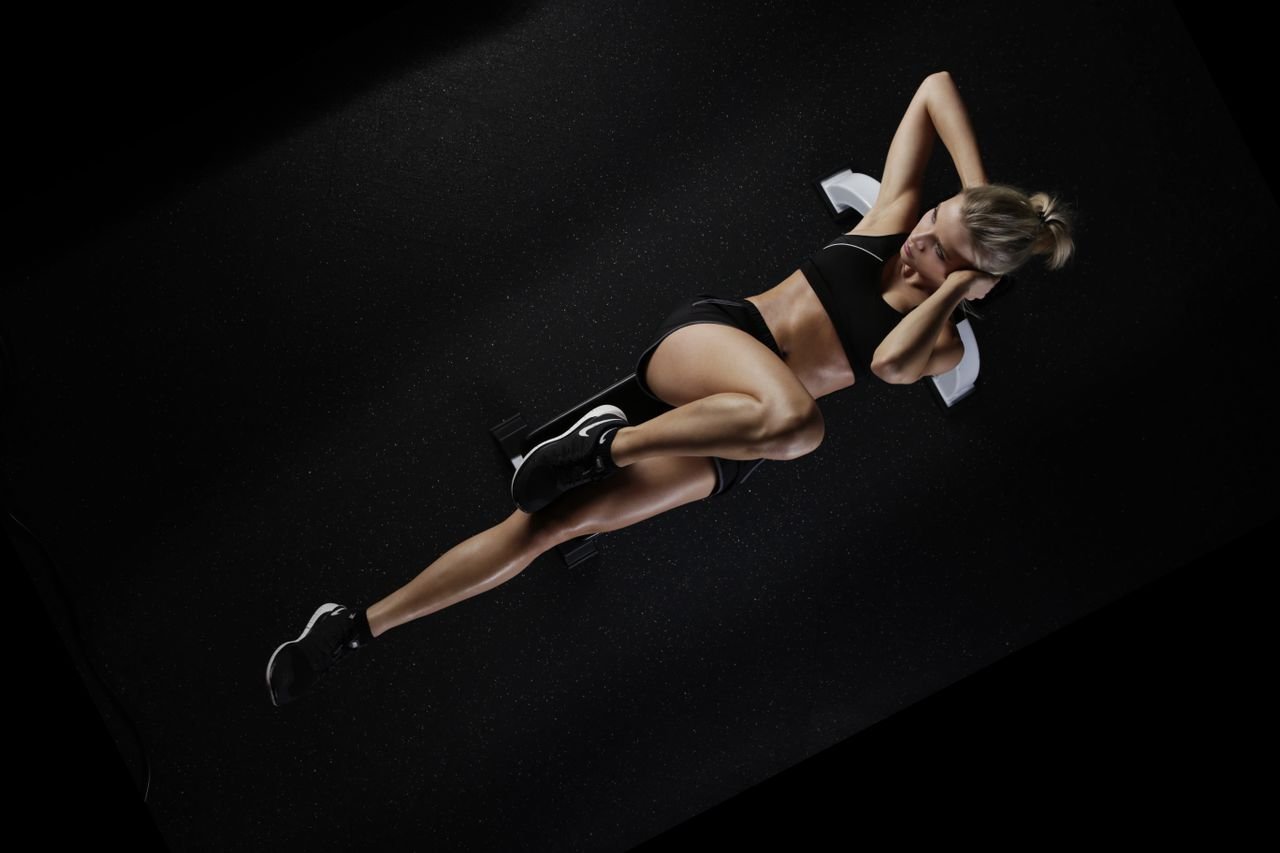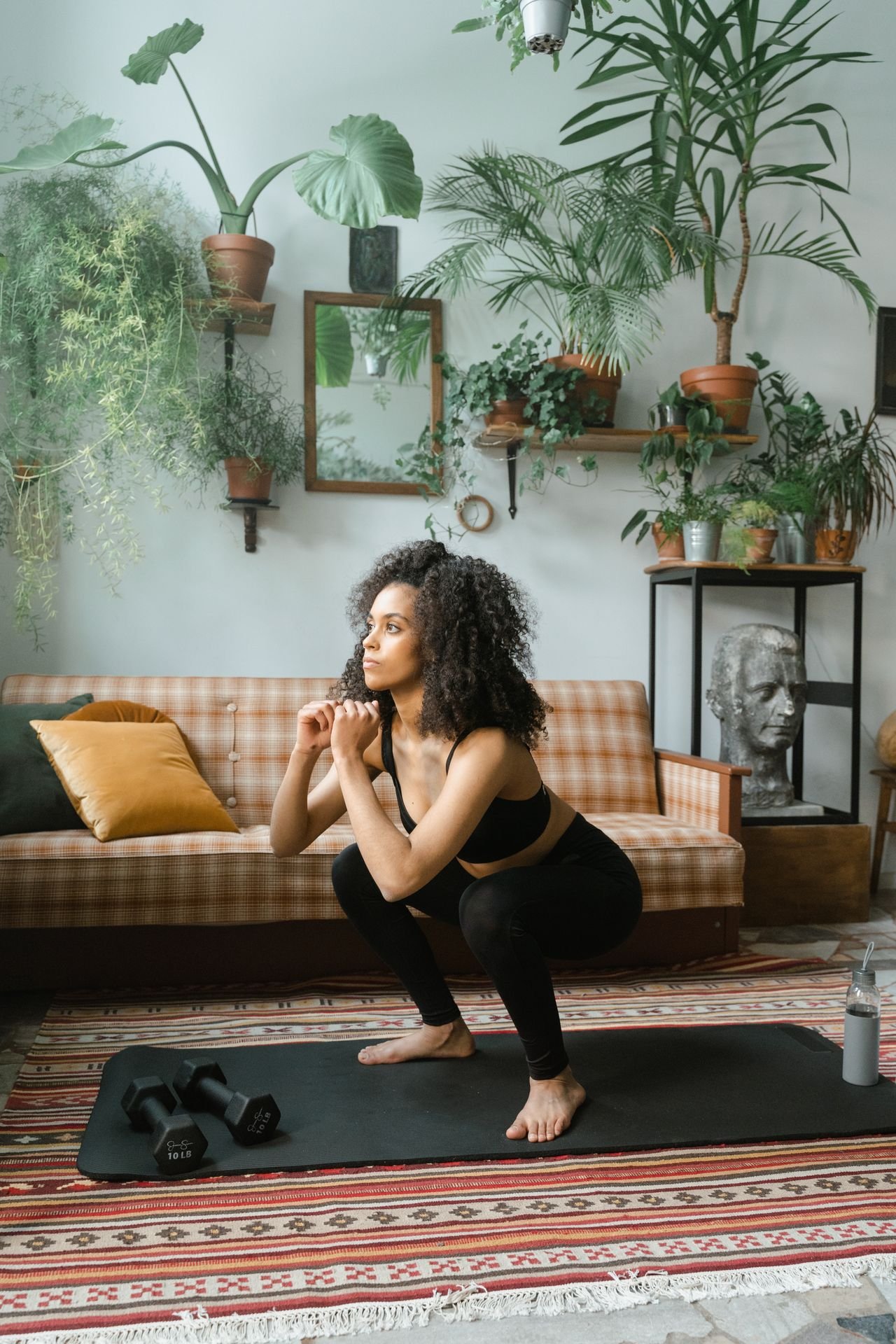
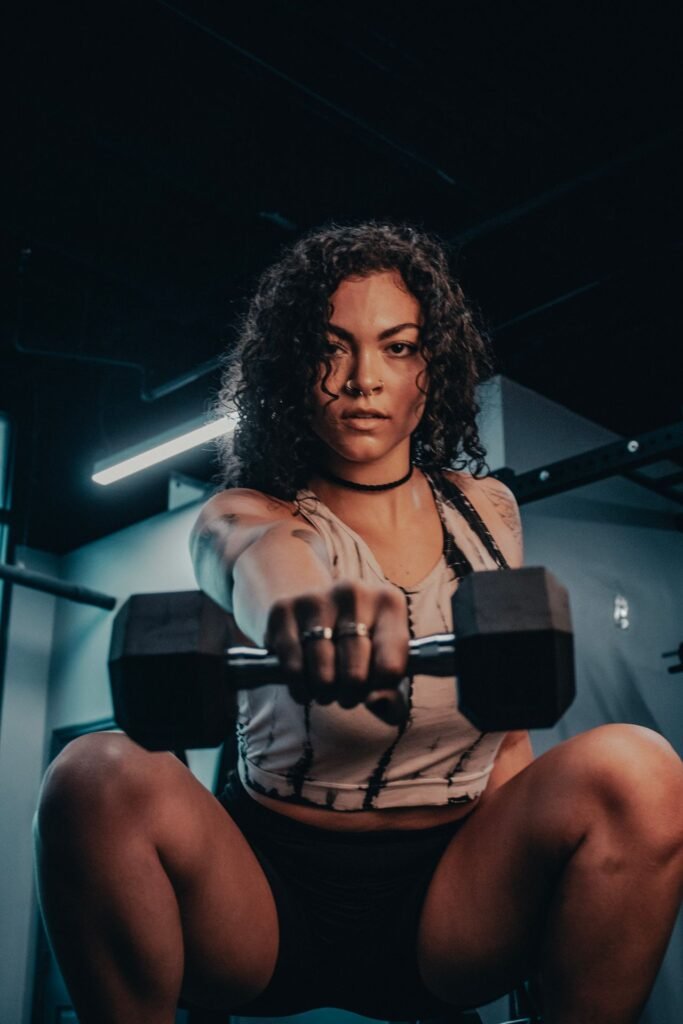
Want to get stronger, improve your fitness, and exercise at home without buying expensive equipment? A beginner full body workout is a simple way to train several major muscle groups in one session.
Instead of spending different days training your legs, chest, back, shoulders, and core, a full body workout combines exercises that work multiple areas together. This makes it a practical option if you are new to exercise or have a busy schedule.
This full body workout for beginners includes 10 simple exercises that you can do at home or in a gym. Most require little or no equipment, so you can start with the basics and gradually make your workouts more challenging.
Whether your goal is to build strength, improve fitness, support healthy weight management, or become more active, these beginner full body exercises can help you build a strong foundation.
You do not need an advanced routine or hours of exercise. Start at a level that feels manageable, focus on proper technique, and gradually increase the challenge as you become stronger.
In this guide, you will learn the 10 best exercises for beginners, how to structure your workout, how often to train, how to progress over four weeks, and how to avoid common mistakes.
What Is a Full Body Workout?
A full body workout is a workout that trains several major muscle groups during the same session.
Rather than focusing on only one body part, you combine movements that work your upper body, lower body, and core.
For example, one workout could include:
- Squats for your legs and glutes
- Push-ups for your chest, shoulders, and arms
- Rows for your back
- Shoulder presses for your shoulders
- Planks for your core
For beginners, full body training can be useful because it:
- Builds overall strength
- Trains multiple muscle groups
- Improves coordination
- Develops muscular endurance
- Supports healthy weight management
- Saves workout time
- Helps you build a consistent exercise routine
- Can be performed with little or no equipment
Adults should also include muscle-strengthening activities that work the major muscle groups on at least two days each week.
Why Is a Full Body Workout Good for Beginners?
1. Builds Total-Body Strength
Training several muscle groups together can help you develop balanced strength.
As your strength improves, everyday activities such as climbing stairs, carrying groceries, walking, or getting up from a chair can become easier.
2. Supports Healthy Weight Management
Strength training can be part of a healthy weight-management routine.
A full body workout uses several muscle groups in one session, while combining exercise with balanced nutrition and regular daily movement can help you develop sustainable healthy habits.
Exercise alone does not guarantee weight loss, so focus on habits you can maintain over time.
3. Saves Time
One of the biggest advantages of full body training is efficiency.
Instead of spending one day training only your chest and another day training only your legs, you can work several major muscle groups during the same session.
4. Makes Your Routine Easier to Organize
Beginners can sometimes feel overwhelmed by complicated workout schedules.
A full body routine is easier to understand because each session has a simple goal: train the major muscle groups using basic movements.
5. Builds Confidence
When you consistently complete workouts, you may notice improvements in strength, balance, endurance, and movement.
These small improvements can make exercise feel more enjoyable and help you stay motivated.
10 Best Full Body Workout Exercises for Beginners
You do not need to perform all 10 exercises during every workout.
Start with a manageable number of movements and gradually increase your training as your fitness improves.
1. Squats
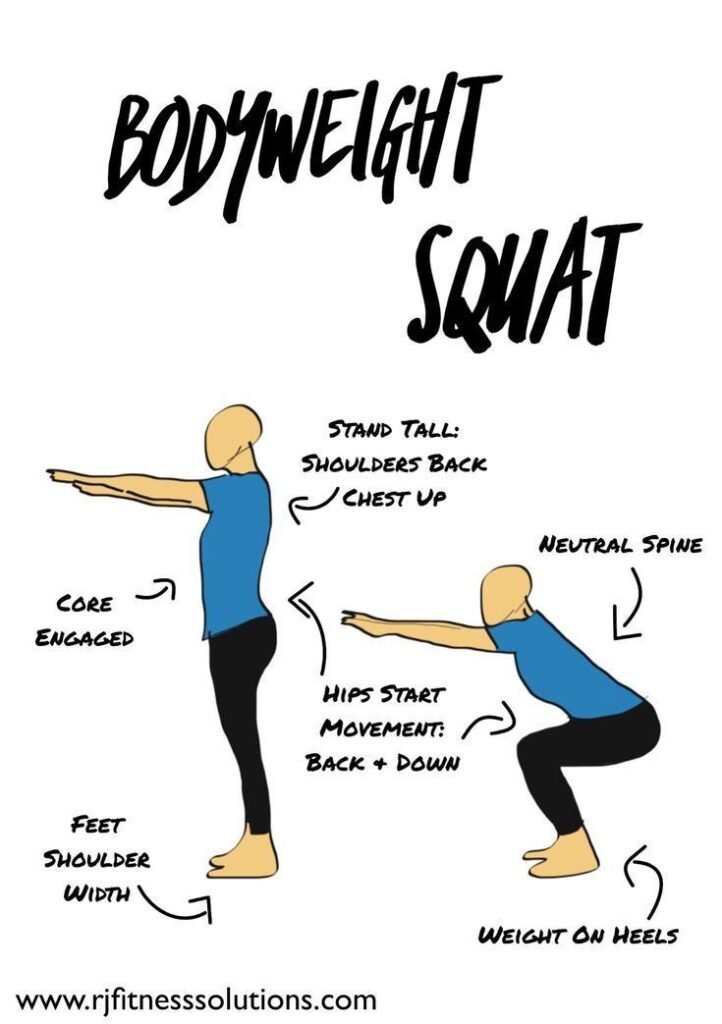
Squats are one of the best beginner exercises for developing lower-body strength.
They primarily work your quadriceps, hamstrings, glutes, and hips while your core helps stabilize your body.
How to Perform Squats
- Stand with your feet about shoulder-width apart.
- Keep your chest comfortable and your spine in a neutral position.
- Bend your knees and hips as you lower your body.
- Push your hips back as if you are sitting in a chair.
- Push through your feet to return to standing.
Beginner tip: Start with 2–3 sets of 8–15 repetitions. If bodyweight squats are difficult, place a chair behind you as a reference. Once you become stronger, you can add resistance such as dumbbells.
2. Push-Ups
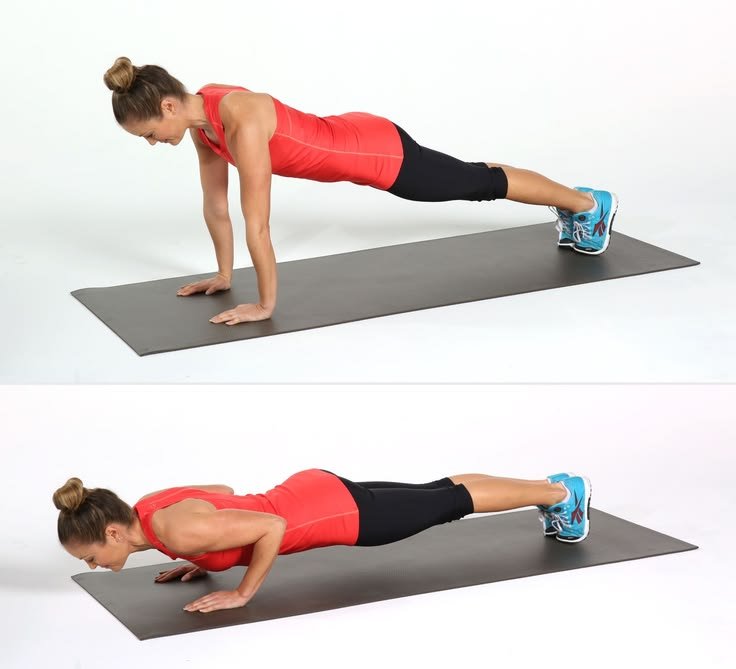
Push-ups are a classic bodyweight exercise that works your chest, shoulders, triceps, and core.
They are especially useful for a beginner full body workout because you do not need any equipment.
How to Perform Push-Ups
- Place your hands slightly wider than shoulder-width apart.
- Extend your legs behind you.
- Keep your body relatively straight from your head to your heels.
- Brace your core.
- Bend your elbows and lower your chest toward the floor.
- Push through your hands to return to the starting position.
Beginner tip: If standard push-ups are too difficult, start with wall push-ups, incline push-ups, or knee push-ups.
3. Lunges
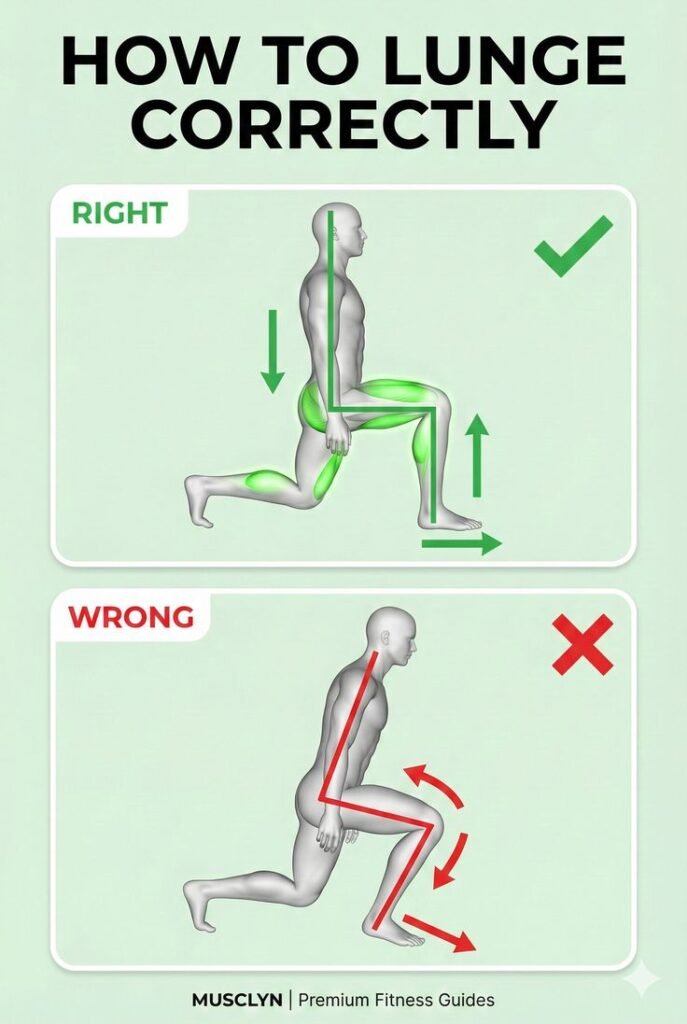
Lunges are a useful lower-body exercise that can improve leg strength, balance, and coordination.
They primarily train the quadriceps, hamstrings, and glutes.
How to Perform Lunges
- Stand upright with your feet comfortably positioned.
- Step forward with one leg.
- Lower your body in a controlled movement.
- Keep your front knee aligned with your foot.
- Push through your front foot to return to the starting position.
- Repeat with the opposite leg.
Beginner tip: Perform 8–12 repetitions on each leg. If forward lunges feel unstable, hold onto a sturdy support while learning the movement.
4. Plank
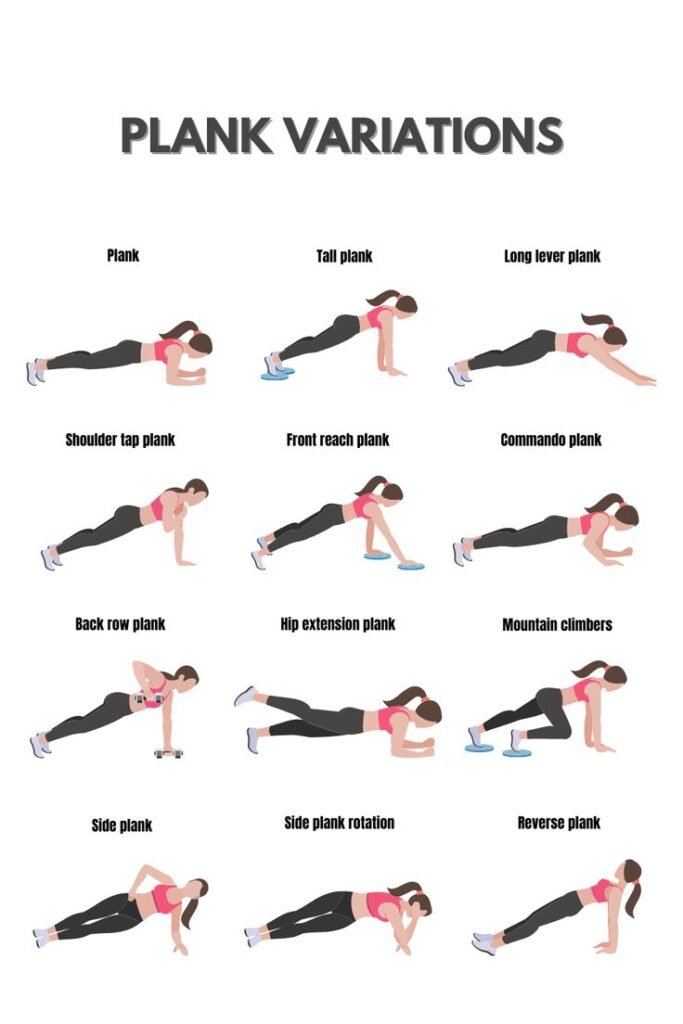
The plank is a simple core exercise that helps develop abdominal and trunk stability.
A stronger core can help you maintain control during many other exercises.
How to Perform a Plank
- Place your forearms on the floor.
- Extend your legs behind you.
- Keep your body in a controlled position.
- Tighten your abdominal muscles.
- Avoid allowing your hips to drop excessively or rise too high.
- Hold the position while maintaining good form.
Beginner tip: Start with 20–30 seconds. If a full plank is too difficult, perform it from your knees.
5. Glute Bridges
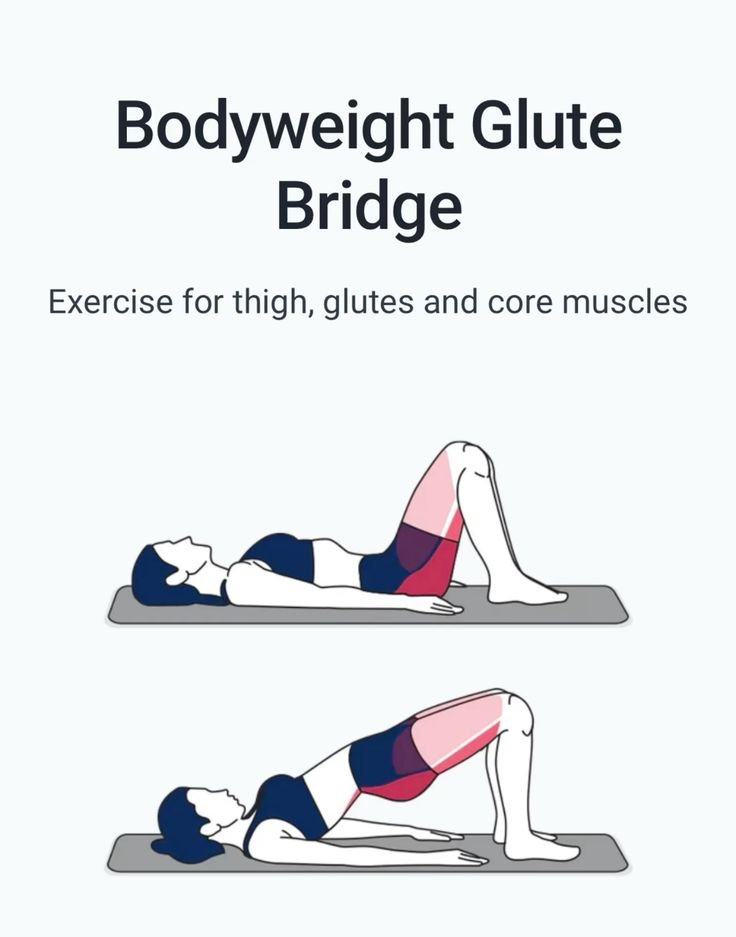
Glute bridges strengthen the glutes and hips while also working the muscles around the back of your body.
They are beginner-friendly because they require little space and no expensive equipment.
How to Perform Glute Bridges
- Lie on your back.
- Bend your knees.
- Place your feet flat on the floor.
- Lift your hips upward.
- Gently squeeze your glutes at the top.
- Lower your hips slowly.
Beginner tip: Complete 2–3 sets of 10–15 repetitions.
6. Mountain Climbers
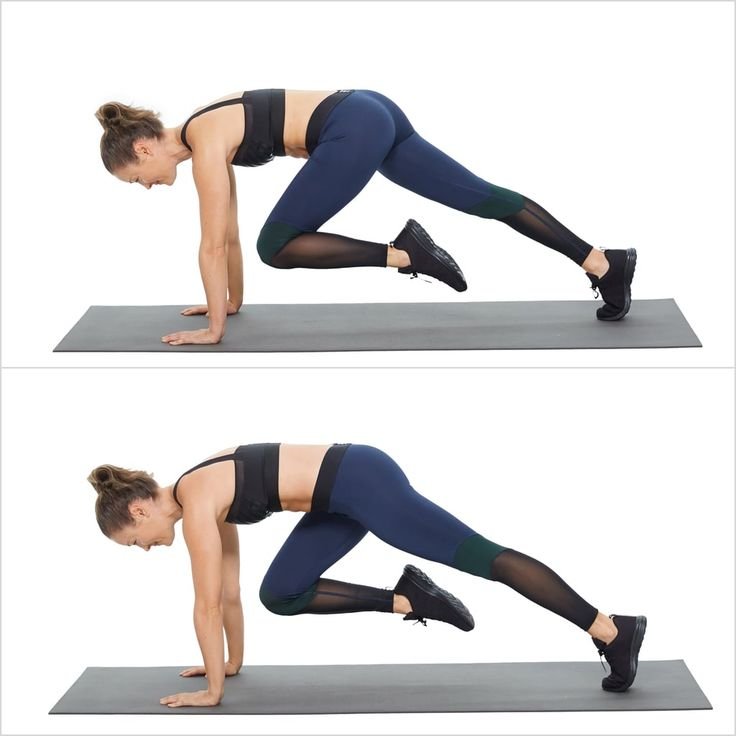
Mountain climbers combine core training with cardiovascular movement.
They can increase your heart rate while your shoulders, arms, abdominal muscles, and legs work together.
How to Perform Mountain Climbers
- Start in a high plank position.
- Place your hands underneath or slightly outside your shoulders.
- Engage your core.
- Bring one knee toward your chest.
- Return that leg to the starting position.
- Bring the opposite knee forward.
- Continue alternating.
Beginner tip: Start slowly. You do not need to move quickly to learn the exercise effectively.
7. Bent-Over Rows
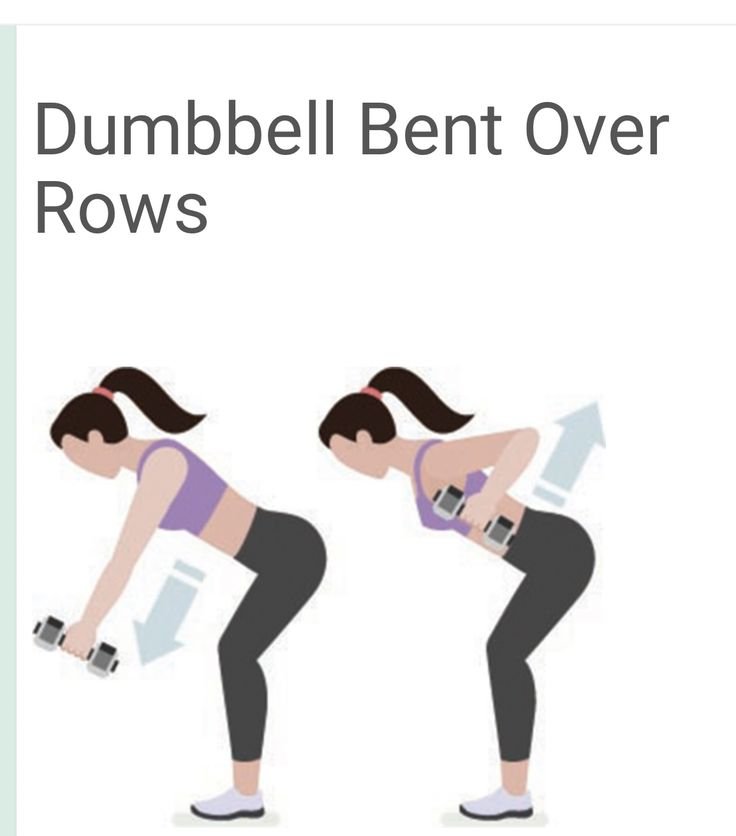
Bent-over rows are useful for training your back, shoulders, and arms.
You can perform them with dumbbells or resistance bands if you have them.
How to Perform Bent-Over Rows
- Stand with your feet comfortably apart.
- Hold your weights.
- Hinge forward from your hips while maintaining a controlled back position.
- Let your arms extend toward the floor.
- Pull the weights toward your torso.
- Gently squeeze your upper back.
- Lower the weights slowly.
Beginner tip: Use light resistance while learning the movement. Avoid swinging the weights or using momentum.
8. Shoulder Press
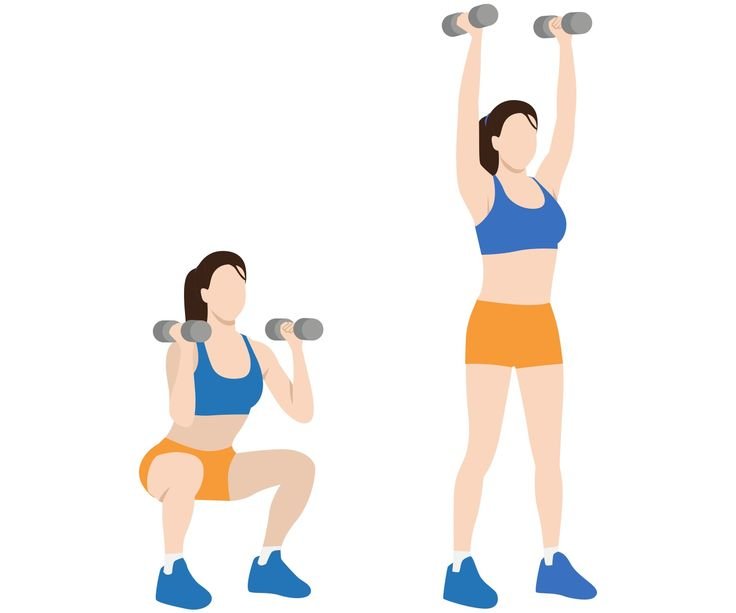
The shoulder press is a simple upper-body exercise that trains your shoulders and arms.
It can be performed with dumbbells, resistance bands, or suitable gym equipment.
How to Perform a Shoulder Press
- Hold the weights around shoulder height.
- Keep your core controlled.
- Press the weights upward.
- Avoid aggressively arching your lower back.
- Lower the weights slowly back to shoulder height.
Beginner tip: Use light resistance until you are comfortable with your technique. Increase resistance gradually.
9. Step-Ups
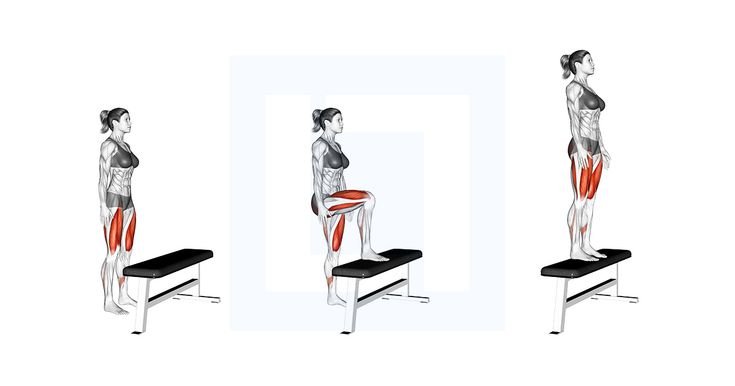
Step-ups train the legs while also challenging balance and coordination.
They can be performed using a stable step or platform.
How to Perform Step-Ups
- Stand in front of a stable platform.
- Place one foot firmly on the platform.
- Push through that foot to step upward.
- Bring your other foot up.
- Step down carefully.
- Alternate legs.
Beginner tip: Start with a low platform and make sure it is stable before exercising.
10. Burpees
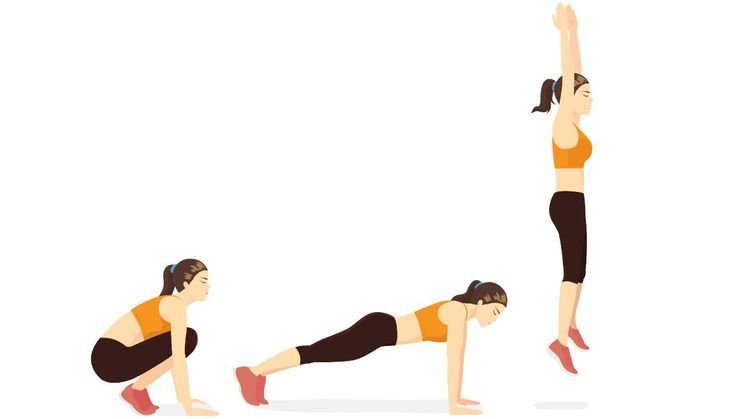
Burpees are a more demanding full-body movement that combines several exercises into one.
They can challenge your cardiovascular fitness while working both your upper and lower body.
How to Perform Burpees
- Start standing.
- Bend your knees and lower into a squat.
- Place your hands on the floor.
- Step or jump your feet backward.
- Bring your feet back toward your hands.
- Stand upright.
Beginner tip: Do not rush. You can remove the jumping portion and step backward and forward instead.
Beginner Full Body Workout Plan
You do not need to perform all 10 exercises in one session.
Here is a simple routine to start with:
| Exercise | Repetitions |
|---|---|
| Squats | 10–12 |
| Push-ups | 6–10 |
| Lunges | 8–10 each leg |
| Bent-over rows | 10–12 |
| Glute bridges | 12–15 |
| Shoulder presses | 8–12 |
| Plank | 20–30 seconds |
Complete 1–2 rounds when you are starting.
As your fitness improves, you can gradually work toward 2–3 rounds. Rest between exercises whenever you need to.
How Many Days Should Beginners Do a Full Body Workout?
Many beginners can start with two or three full body strength workouts per week.
For example:
- Monday: Full body workout
- Tuesday: Walking or light activity
- Wednesday: Rest
- Thursday: Full body workout
- Friday: Walking or cardio
- Saturday: Optional light activity
- Sunday: Rest
This schedule gives your muscles time to recover between challenging strength sessions.
The best schedule depends on your fitness level, goals, recovery, and overall activity.
How Long Should a Full Body Workout Last?
A beginner full body workout does not need to last for hours.
A practical workout may take approximately 30–60 minutes, depending on the exercises you choose, your fitness level, equipment, and rest periods.
If you only have 20 minutes, you can still complete a short workout.
Choose five exercises and perform them with controlled technique rather than trying to rush through all 10 exercises.
Consistency is more important than making every workout extremely long.
How to Warm Up Before a Full Body Workout
A warm-up helps you transition into physical activity gradually.
A simple beginner warm-up can include:
- Easy walking
- Arm circles
- Gentle bodyweight squats
- Hip movements
- Shoulder movements
Spend several minutes moving at a comfortable intensity.
The goal is to prepare for your workout without exhausting yourself before the main exercises.
How to Make Your Full Body Workout More Challenging
Once your routine becomes easier, gradually increase the challenge.
You can do this by:
- Adding a few repetitions
- Adding another set
- Increasing resistance
- Improving movement control
- Using a more difficult variation
- Increasing your range of motion
Do not increase everything at once.
For example, if you can comfortably perform two sets of 10 squats, you might increase to 12 repetitions before adding significant resistance.
What Is Progressive Overload?
Progressive overload means gradually increasing the challenge placed on your muscles over time.
It does not always mean lifting heavier weights.
You can progress by:
- Performing more repetitions
- Using more resistance
- Completing an additional set
- Improving your technique
- Increasing your range of motion
- Performing a more difficult exercise variation
For example:
Week 1: 2 sets of 8 squats
Week 2: 2 sets of 10 squats
Week 3: 3 sets of 10 squats
Week 4: Add light resistance
Progress gradually and give your body time to adapt.
Full Body Workout for Weight Loss
A full body workout can be part of a healthy weight-loss plan.
Strength exercises help you train your muscles, while activities such as walking, cycling, or other forms of cardio can increase your overall physical activity.
However, you should not expect one workout to cause immediate weight loss.
For sustainable weight management, combine regular exercise with:
- Balanced meals
- Adequate protein
- High-fiber foods
- Regular daily movement
- Enough sleep
- Consistent habits
Your overall routine matters more than one individual workout.
Full Body Workout for Muscle Gain
A full body workout can also support muscle development when combined with appropriate resistance training, nutrition, and recovery.
As you become stronger, gradually increase the challenge through additional repetitions, sets, resistance, or harder exercise variations.
Getting enough protein is also important when building muscle. If this is one of your goals, read our guide on How Much Protein Do You Need to Build Muscle.
Full Body Workout at Home
One of the biggest advantages of a beginner full body workout is that you can perform many exercises at home.
You can train with:
- Bodyweight
- A workout mat
- Resistance bands
- Dumbbells
- A stable step or platform
Exercises such as squats, push-ups, lunges, planks, and glute bridges require little or no equipment.
You do not need a large home gym to start exercising.
Full Body Workout With Dumbbells
If you have dumbbells, you can gradually add resistance to exercises such as:
- Squats
- Lunges
- Bent-over rows
- Shoulder presses
- Glute bridges
Start with a manageable weight and focus on controlled movement.
The goal is not to lift the heaviest weight possible. The goal is to perform the exercise safely and progressively increase the challenge.
Rest and Recovery
Recovery is an important part of any beginner workout program.
Your body needs time to recover after challenging exercise.
Make sure you:
- Take rest days when needed
- Avoid training through significant pain
- Get enough sleep
- Eat balanced meals
- Stay hydrated
- Increase training gradually
Mild muscle soreness can happen when you begin exercising, but sharp or severe pain should not be ignored.
Common Full Body Workout Mistakes
1. Doing Too Much Too Soon
Starting with an extremely difficult workout can leave you overly tired or sore.
Begin with manageable workouts and build gradually.
2. Ignoring Exercise Form
Good technique helps you control each movement and reduces unnecessary strain.
Learn the basic movement before trying to increase the number of repetitions or the amount of weight.
3. Using Weights That Are Too Heavy
You do not need heavy weights when you are starting strength training.
Use a resistance level that allows you to maintain proper form.
4. Skipping Recovery
Your muscles need recovery between challenging workouts.
More exercise is not always better if your body has not recovered.
5. Changing Exercises Constantly
Repeating fundamental movements gives you an opportunity to improve your technique and track your progress.
You do not need a completely different workout every day.
6. Comparing Yourself With Others
Everyone starts at a different fitness level.
Focus on improving your own strength, endurance, technique, and consistency.
Frequently Asked Questions
Is a Full Body Workout Good for Beginners?
Yes. A full body workout can be an efficient way for beginners to train multiple major muscle groups during one session.
It can also make your workout schedule easier to organize.
How Many Full Body Workouts Should I Do Each Week?
Many beginners can start with two or three strength-training sessions per week.
Your ideal schedule depends on your fitness level, recovery, and goals.
Can I Do a Full Body Workout at Home?
Yes.
Bodyweight exercises such as squats, push-ups, lunges, planks, and glute bridges can be performed at home.
You can add resistance bands or dumbbells if you have them.
Do I Need Heavy Weights to Build Muscle?
No.
Beginners can start with bodyweight exercises, resistance bands, or light weights.
As your strength improves, gradually increase the challenge.
How Long Does It Take to See Results?
Results vary from person to person.
Instead of focusing only on visible changes, track improvements in:
- Strength
- Endurance
- Exercise technique
- Energy
- Fitness
- Workout consistency
Give your routine time and focus on sustainable progress.
A Simple 4-Week Beginner Progression
Week 1: Learn the Basics
Focus on learning proper technique.
Perform 1–2 rounds of your selected exercises and keep the intensity manageable.
Week 2: Build Consistency
Continue practicing the same movements.
If the exercises feel comfortable, add a few repetitions.
Week 3: Increase the Work
If your recovery is good, increase to 2–3 rounds.
Continue focusing on controlled movements rather than speed.
Week 4: Progress Gradually
Consider adding a small amount of resistance or increasing repetitions.
Only increase the difficulty if you can maintain good form.
Final Thoughts
A beginner full body workout is a simple and practical way to build a foundation of strength, fitness, coordination, and healthy exercise habits.
You do not need complicated equipment or an advanced workout program to get started.
Begin with exercises such as squats, push-ups, lunges, planks, glute bridges, rows, shoulder presses, and step-ups. Many of these movements can be performed at home with little or no equipment.
The key is to start at a manageable level, learn proper technique, stay consistent, and gradually increase the challenge.
Combine your workouts with balanced nutrition, adequate protein, regular daily movement, and sufficient recovery.
Most importantly, choose a routine that fits your lifestyle so you can continue doing it over the long term.
Start small, stay consistent, and build from there.
Related Guides on WeightWiseDaily
- How to Start Your Fitness Journey
- How Much Protein Do You Need to Build Muscle
- Strength Training for Beginners
- How to Stay Motivated to Lose Weight
Evidence-Based Resources
This guide is based on recommendations from trusted health and sports organizations: